







Why Clients Leave for Competitors: NeRF Real Estate for Sales
A property buyer makes a decision within the first few minutes of viewing a listing.
Static photos and flat floor plans do not create a sense of presence — it is impossible to understand the scale of rooms, the light, the view from the window, and the presented angles often hide flaws.
This is especially noticeable when selling apartments at the construction stage, where the future space can only be imagined from a picture. As a result, a potential client hesitates, postpones the decision, and leaves for those who present the property interactively.
Competitors are already using 3D real estate visualization and virtual tours that let you “walk through” an apartment or house from any device — from a smartphone to a laptop. This format of property presentations removes barriers and speeds up the choice.
The buyer sees the space in detail, returns to the viewing several times, shares the link with family, and is more likely to book a meeting — this directly improves sales conversion.
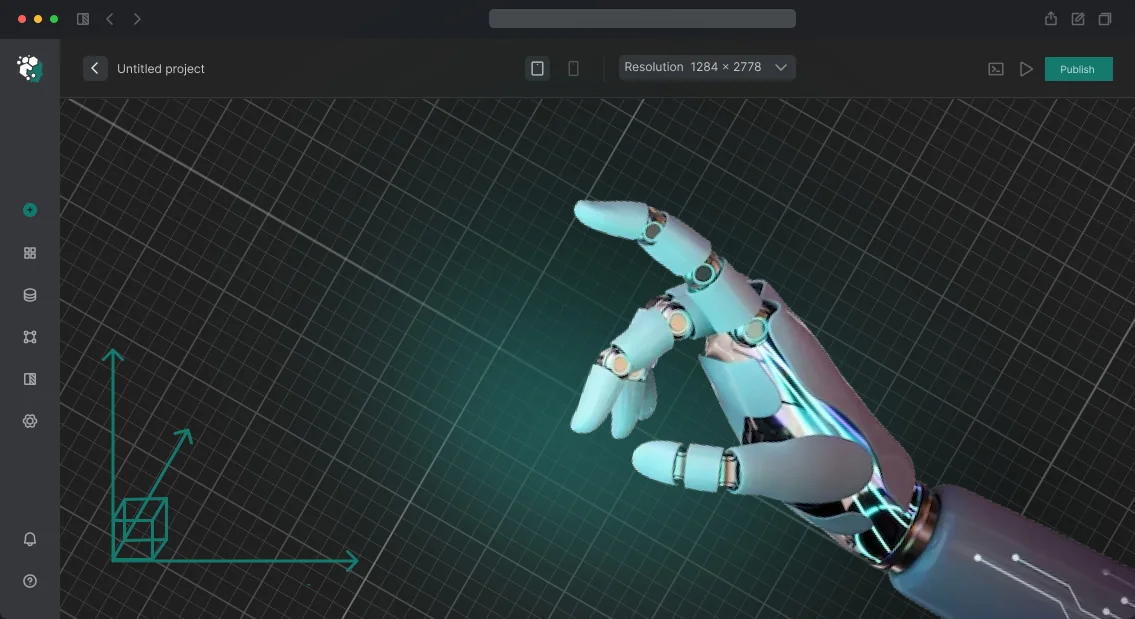
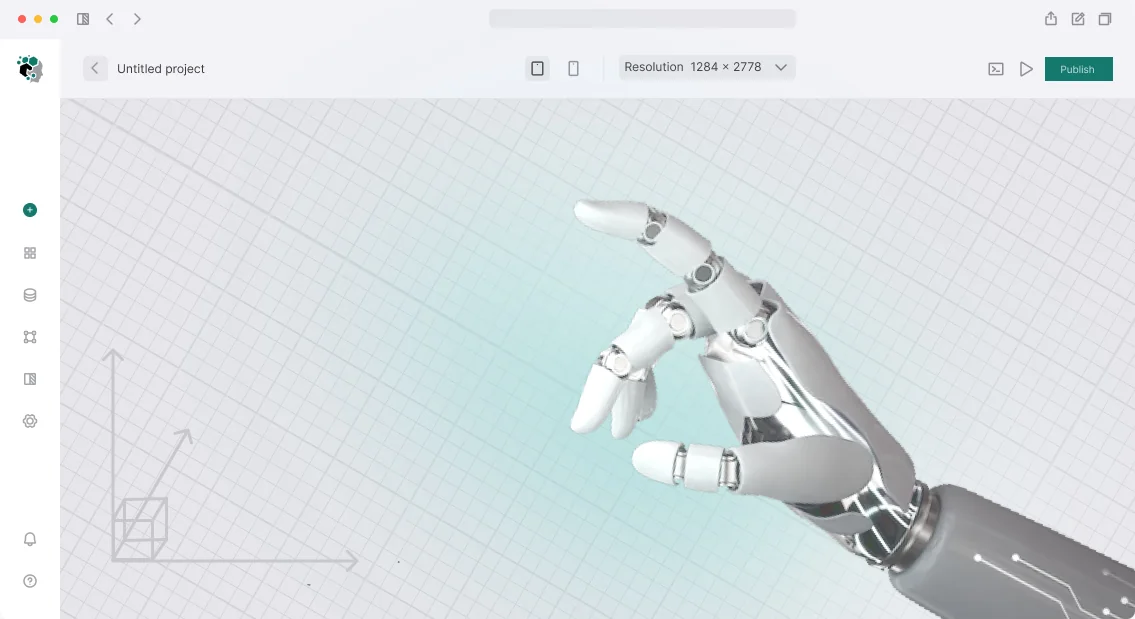
We address this need with NeRF technology — neural network photo processing that turns ordinary photos into a live 3D object with a sense of presence.
The buyer can independently “walk through” rooms, zoom in on details, assess the real scale of the space, and even check the views from the windows. These virtual property tours work on any device and require no app installation — just open the link.
For the developer and the owner, this means increased interest in the property and fewer unqualified viewings. The client already understands what they are going to see, so they make decisions faster.
And presenting the property in 3D real estate visualization format becomes your competitive advantage, directly affecting sales conversion.
Benefits of NeRF Real Estate for Your Project
A property buyer decides based on photos, but photos do not convey scale, light, or materials. This creates doubts, delays viewings, and drags out deals.
Modern 3D visualization closes this problem: you get a realistic image of the property, an interactive tour, and 3D animation that build buyer trust.
NeRF technology reconstructs space from images — light, textures, geometry. The visualization looks like an actual shoot rather than a stylized picture. The buyer immediately sees how light falls, how walls and floors look, and how spacious the room is. Such detail evokes emotions, and emotions are the key to the purchase decision.
An interactive tour increases engagement: the buyer chooses the viewing point themselves, zooms in on details, and examines the layout. Instead of passively watching a video, a person explores the property and spends two to three times more time in it. The longer they stay in the tour, the higher the chance they will book a real showing.
3D property animation adds one more layer of persuasion. A short video shows how the property looks at different times of day, where the windows are located, and how the space is organized. The buyer sees an honest, complete image rather than a set of frames. This removes the fear that “something is hidden” and increases trust in the seller.
As a result, trust grows, unnecessary showings decrease, and deals close faster. We help you launch such visualization turnkey: we select the technology, conduct the shoot, build the tour, and integrate it into your website. All that remains is to show the property to buyers — and hear “yes”.
Work Formats: From Interactive Tours to Animated Videos
Each property addresses its own business task: a new development needs to sell apartments before construction is complete, a commercial property needs to show scale and tenant flows, a cottage needs to convey atmosphere.
Therefore, 3D visualization formats are not universal: an interactive tour, an animated video, and a flyover work differently. We choose the format based on your goal — sales, rental, or premium image — and the project budget.
Modern technology makes it possible to build photorealistic models and virtual tours from photos using neural networks (NeRF) — this reduces preparation time and cost, and the result looks like a real shoot. Our engineers combine 3D graphics, aerial photography, and neural network models.
How to Choose a Format
| Format | For Whom | What It Gives the Client |
|---|---|---|
| Interactive virtual tour for residential complexes | Developers, sales departments | The buyer walks around the apartment and courtyard without traveling, stays longer on the site, and submits inquiries more often |
| 3D flyover of the property | Commercial properties, investors | An impressive scale presentation for investors, tenants, and exhibitions |
| Animated video | Cottages, premium class, apartments | Conveys atmosphere and emotion, works well on social media and at presentations |
| Photorealistic 3D visualization | Design projects, reconstructions | Shows the future interior before renovation, helps confirm the concept and sell it |
Choosing a single format is not required: for one residential complex we often create both a virtual tour, a flyover, and a short promotional video.
All parts are linked into one system — the buyer first sees an emotional overview, then dives into the tour and studies the layouts. Such a package increases reach and inquiry conversion.
How We Work: From Brief to Launch
We designed the process so that you always understand what stage the work is at and what you will get in the end. You do not need to understand technical details — we handle everything from the brief to launch and support.
- Brief and task analysis — you tell us about the property, target audience, and goals of the 3D tour. We clarify the details and suggest a format that solves your task — whether it is a detailed interior visualization or an impressive virtual tour.
- Creating a work plan — we fix the timelines, stages, and cost. You know in advance what results you will get at each step and control the budget.
- Filming and material preparation — we visit the property or work with your data. Our specialists conduct the shoot and post-processing, creating the basis for a realistic 3D model.
- Developing the 3D visualization and virtual tour — we create a detailed image of the property, set up lighting and materials. You get a complete picture of the future space.
- Project approval — we show intermediate versions and make adjustments based on your feedback. You approve the final visualization before launch.
- Launching the 3D tour — we publish the tour on your website or another platform and check that it displays correctly on desktop and mobile devices.
- Support and development — we stay in touch after launch: we update the tour when changes occur, add new viewing points, and help improve the user experience.
What Is Included in Project Delivery
We build a neural network 3D model of the property (NeRF technology), but for you the important thing is not the technology but the result. The delivery includes a full set of materials that can be used immediately for sales, rental, and presentations. Here is what is included in the 3D visualization and what you receive at the end of the project.
- A ready-made video in formats for your website, social media, and advertising platforms — duration and storyboard are agreed in advance.
- An interactive tour of the property — the client “walks through” the rooms themselves, which increases engagement and reduces the number of useless showings.
- Final high-resolution renders — for printed brochures, banners, and investor presentations.
- Project source files — if you want to update the layout, add furniture, or reshoot the lighting, you will not need to order the work from scratch.
- Content rights — you get full rights to use the materials in all channels, including advertising and publications.
- Documentation and instructions — how to embed the video on the site, set up the tour, and which formats to use for each platform.
All project results are transferred with an acceptance certificate after final approval.
You get not just a “picture for show” but a ready-made sales tool: the video can be published immediately, and the tour can be sent to clients as a link or embedded in your lead management system. No hidden conditions: source files and rights remain yours forever.
Case Study: 3D Tour for a Residential Complex Doubled Conversion
Sometimes even good photos do not convey the feel of an apartment. Buyers postpone decisions, hesitate, and managers spend hours on individual showings.
We encountered this in a project for the developer Zelyony Bulvar residential complex: despite the high-quality layout, interest in the under-construction property was high, but inquiries were not.
To remove the barrier, we developed an interactive 3D tour. Based on dozens of photos, a neural network built a photorealistic model of the apartments, the courtyard area, and the views from the windows.
The buyer can independently “walk through” the property, look into every room, and imagine their future life — without visiting the construction site.
How It Went
First, we analyzed typical client objections and realized that most doubts were related to the layouts. Then we shot the property, built the model, and embedded the tour into the developer’s website and advertising listings. Nothing needs to be installed to view it — everything works in the browser.
Business Results
One month after launch, the conversion to inquiries doubled: from 1.5% to 3%. The average time on the site increased from two to six minutes — people studied the apartments as thoroughly as at an in-person showing.
The number of requests for personal viewings decreased: buyers resolved many questions themselves by exploring the tour.
This virtual tour case showed that 3D visualization in real estate is no longer just a “pretty picture”. It has become a lead generation tool that shortens the deal cycle and reduces the load on the sales department. Now buyers arrive ready to book, and managers spend time only on genuinely interested clients.
Frequently Asked Questions About Cost, Timelines, and Results
Cost, timelines, and results are the main questions before placing an order. Below we answer the most common ones so you can estimate your budget and the stages of work.
How much does a virtual tour cost?
The price depends on the area, the number of shoot points, and the level of detail: an apartment has one budget, while a cottage with a plot has a slightly different one. After a short discussion, we name the exact cost and fix it in the contract, with no hidden surcharges.
What is the development timeline?
Usually 5–10 business days from the shoot. If you are in a hurry, we can make it in 2–3 days if the property is ready. The timeline is fixed in the contract, and delays are ruled out by a well-tuned process.
Will the tour work on our website and on mobile?
The tour is embedded into a website, a separate page, or an ad. It opens on computers, tablets, and smartphones, and the link is easy to share with clients.
What guarantees of the result do you provide?
We will show you a draft version of the tour — you can make edits before the final delivery. If the result does not match the approved scenario, we refine it for free. Payment is often split into stages so that you accept the finished work.
What do we need to provide to start?
Access to the property for 1–2 hours and an understanding of what the tour is for: sale, rental, or catalog. We take care of everything else — filming, post-processing, and assembly. Before starting, we will show similar projects so you can see the quality in advance.
Order 3D Visualization for Your Property
Leave a request for 3D visualization — within one business day you will receive an individual offer with the cost calculated after audit and timelines. Order a 3D tour, an interactive tour, or real estate animation — we will choose the format for your task and budget.
We work with apartments, houses, commercial properties, and residential complexes. Our clients use visualization for early-stage sales and remote viewings — this speeds up deals and expands the audience.
Here is how it works:
- Request for a quote — you leave a request for 3D visualization, and we contact you within an hour.
- Brief and preliminary estimate — we clarify the details, prepare a cost estimate, and send it the same day.
- Approval and start — we fix the budget and timelines and sign the contract.
- Development of the interactive tour — we create the 3D model, set up lighting and movement.
- Real estate animation production — we create flyovers, accents on details, and effects.
- Final version — we deliver the materials in all formats and make edits until you approve.
You get a ready-made sales tool: visualizations, tours, and animations help sell real estate faster. Leave a request — and tomorrow you will know the exact budget.
How to Choose the Format of 3D Visualization for Your Task?
The format of 3D visualization is chosen based on two variables: the purpose of the presentation and the budget. For a catalog and website, static visualization is enough — it cheaply answers the client’s main question: “what will it look like”.
When you need to sell an emotion and stand out from competitors, choose a format with movement: animation, video, or an interactive tour.
Modern forms of 3D for real estate differ not in “beauty” but in scenario. A panoramic tour allows the client to walk through the apartment themselves — this increases engagement and reduces the number of unnecessary showings.
NeRF capture of a real property provides a volumetric model in a short time — convenient for under-construction complexes. An animated video works for reach: it is easy to use in advertising, at exhibitions, and on social media.
The budget is honestly divided into three levels: a static render starts from cost calculated after audit per scene; interactive and animation start from cost calculated after audit per project.
Expensive formats pay off differently: such content lives longer in advertising, more often leads to inquiries, and works for brand recognition. Therefore, consider not “how much the image costs” but “what it brings to sales”.
A separate issue is choosing a contractor. Look at portfolios in your segment, ask about timelines and stages, and check who is responsible for edits. A reliable team shows the process, not just images.
For the Severny Port residential complex, we made an interactive shoot of the buildings under construction: publication reach tripled, and bookings for viewings started in the first week.
Send us a description of the property and your objectives — we will suggest a format for your goal and budget, calculate the timelines, and name the exact cost. This is free and without obligation.