


Imagine an art director spending an hour on a review because each concept artist uses their own references. We have encountered this many times. A systematic reference library solves the problem: artists see one vector, approval speed doubles, style does not blur. Our experience — over 10 projects in game dev, from indie to AAA. We guarantee quality organization based on 7 years of industry experience. An organized library speeds up reference search by 5 times compared to a chaotic folder on Google Drive. Savings in art director time — up to 15 hours per month, paying off in the first sprint.
The problem is not laziness or bad taste. The problem is that a reference library is rarely perceived as a production artifact with clear requirements. But it is one.
Why a Systematic Reference Library Is a Necessity?
An unorganized set of images in Google Drive is not a library. A working library has a structure tied to actual pipeline tasks.
For a 3D game with PBR render, this is at least five categories:
Material references — photographs and renders with a clear breakdown by surface type: metal (scratched, brushed, cast, aged), wood (raw, painted, weathered), fabric, leather, stone. Each material should have at least one shot under diffuse lighting and one under harsh side light. Without this, the texture artist sets metallic/roughness blindly — guided by 'feeling' rather than a physically correct reference.
Lighting references — not 'pretty pictures', but examples of specific light situations: overcast outdoor, golden hour directional, interior with fill from window, artificial point light in darkness. For each situation, examples where the work of shadows, ambient occlusion in corners, and the nature of rim light are visible.
Silhouette and readability references — examples of characters or objects readable against a complex background. This is a separate category that is almost always missed. Then they wonder why the character is lost against the environment.
Color palette references — not hex codes, but real examples of how color combinations work under dynamic lighting. Color on a swatch and color in real scene lighting are different things.
Motion references — for the animation pipeline. Video materials broken down by motion type: locomotion, combat, interaction, reaction. Animators without motion references begin to create — the result is unpredictable.
How We Collect and Structure the Library
Sources for a professional library are not only Pinterest and ArtStation. For materials — Quixel Megascans as a photogrammetry base with physically correct values; Polyhaven library for HDRI and textures under CC0. For historical and cultural references — museum archives: Smithsonian, Europeana, Metropolitan Museum (all open access and high resolution). For cinematic lighting — Blu-ray frames with timecode fixed for specific light situations.
The storage structure depends on the team and toolset. For small projects — Eagle (Windows/Mac, local storage with tags and quick search). For distributed teams — Milanote or Miro with board hierarchy per category. For studios with a large volume of assets — integration with Shotgrid or Ftrack through custom fields.
The key point when structuring: tags should reflect technical application, not aesthetic categories. 'Beautiful sunset' is a bad tag. 'Outdoor_sunset_directional_highcontrast_warmkey_coolshadow' is a working tag by which an artist will find the reference in 10 seconds.
On one project — an action RPG in a dark fantasy setting — the library was assembled from scratch in three weeks. About 2400 images, divided into 14 categories with a two-level tag system. After that, concept approval speed doubled: the art director simply pointed to a reference in the library and said 'this + this'. Before that, each brief took an hour of explanation.
Working with Game References and Competitor Analysis
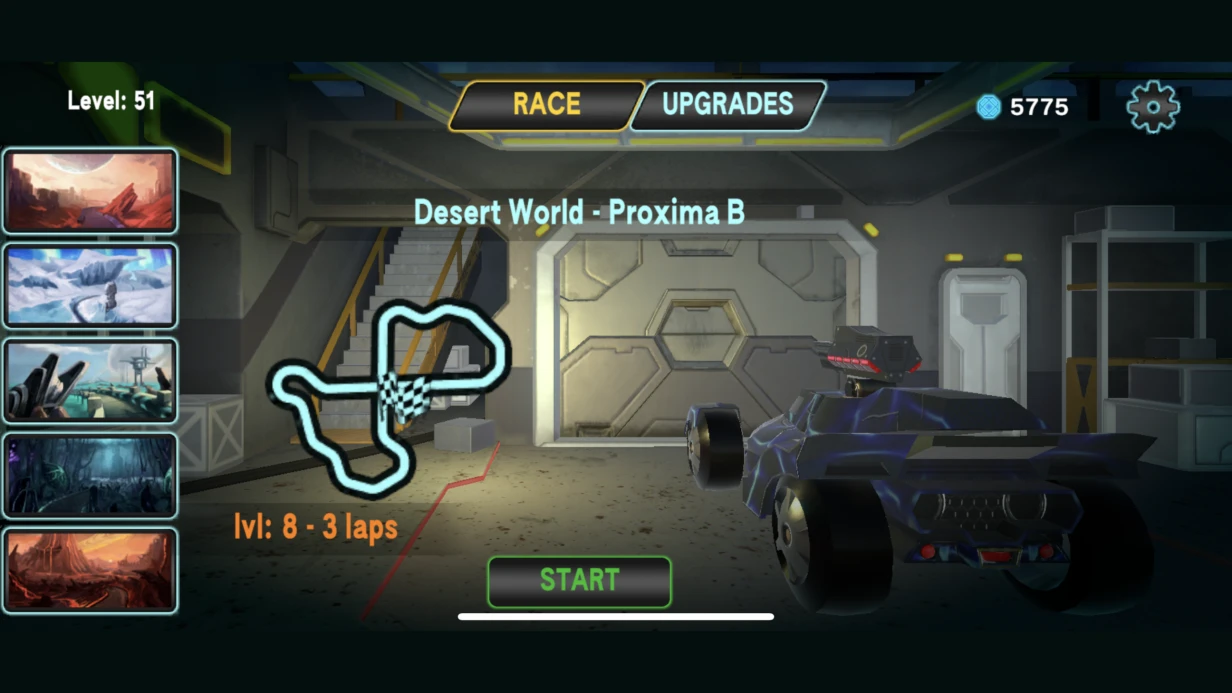
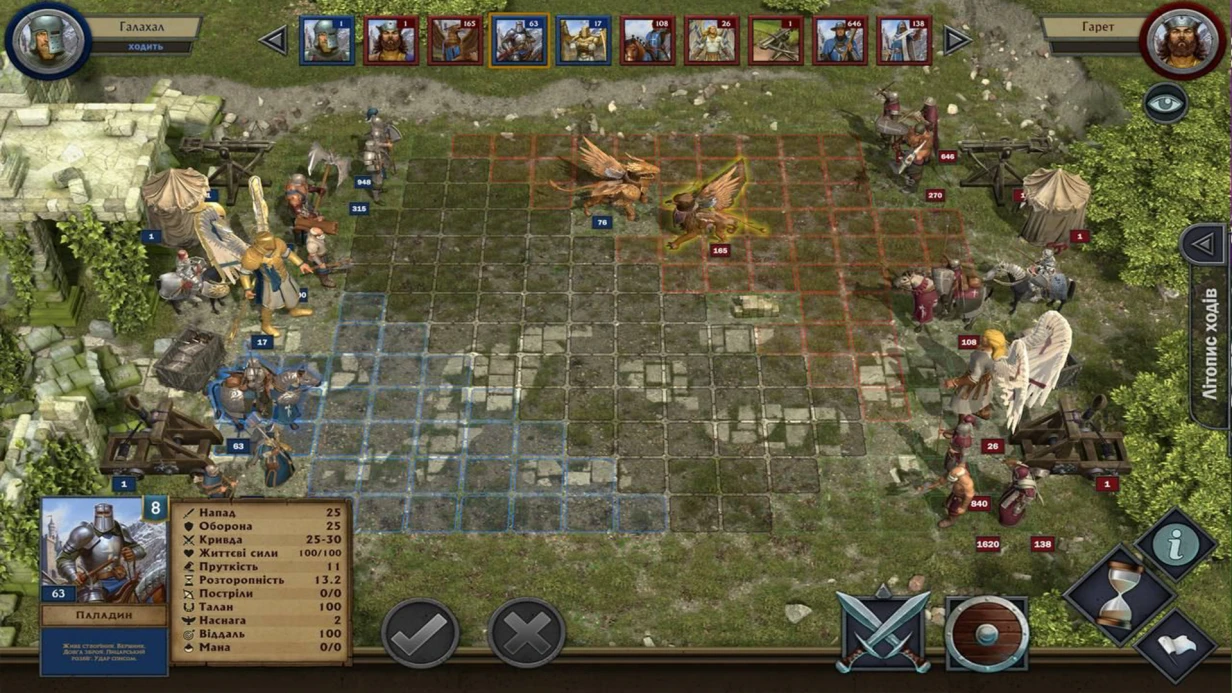
A separate part of the library is an analysis of existing games by specific technical parameters. This is not copying, it is an analysis of solutions.
For each competitive title, the library records:
- Assumed rendering pipeline (URP/HDRP/custom)
- Character of shadow cascade work — is the cascade switch boundary visible
- LOD approach — sharp switch or smooth morph
- Normal mapping style — aggressive high-frequency detail or restrained macro-normal
- Use of hero assets versus tileable surfaces — what percentage of the screen each type covers
This analysis directly affects pipeline technical decisions — artists understand what result to aim for and can assess labor costs realistically.
What Is Included in the Work
| Stage | Content |
|---|---|
| Analysis of current materials | Audit of existing references, identifying gaps |
| Requirement definition | Target engine, platform, visual style, categories |
| Collection and structuring | Sources, tagging, pipeline attachment |
| Documentation | Replenishment rules, tag descriptions, team guide |
| Tool integration | Setting up Eagle, Milanote, Shotgrid or Ftrack |
| Task scale | Estimated time |
|---|---|
| Basic library for one game biome | 3–5 days |
| Full library for a project (3–5 categories, 1000+ images) | 2–4 weeks |
| Structuring and tagging an existing archive | 1–2 weeks |
| Competitor analysis (5–10 titles) | 1–2 weeks |
We start with an analysis of the project's existing materials and technical requirements: target engine, platforms, visual style. Then we audit what is already there, identify gaps, collect and structure. The final result is not just a folder of files, but a documented system with replenishment rules and tag descriptions.
Cost is calculated after briefing: scope of work, current archive state, storage system requirements. Contact us for an assessment of your project — we will prepare a proposal within 1–2 business days.