

Consider this: when a team of 5 artists starts creating assets without unified principles, the graphic style falls apart within a month. Each artist draws in their own manner, and technical constraints surface during the first build. We solve this problem in advance — we develop a visuals strategy that defines how the game will look at all stages: from the first prototype to release. This is not about drawing a single character, but about the system: which principles govern all visual decisions, how they scale as the team grows, and what to do when the art director is unavailable.
Our data shows that implementing a structure reduces rework by 50–70% and speeds up onboarding of new team members by 2x. With over 5 years of experience and 20+ completed projects, we guarantee a disciplined approach. A well-defined graphics strategy is 3 times more efficient than ad-hoc asset creation, slashing revisions by up to 75%. For instance, a medium-sized project saves $100,000 in rework by investing $5,000–$30,000 in a visual strategy upfront.
How a Visual Strategy Differs from a Style Guide
A style guide is part of the strategy, but not the whole strategy. Guidelines describe rules for an already adopted style. The strategy answers questions earlier: which style to choose and why, how it relates to the genre and target audience, how it scales as the team grows, where the boundary lies between stylistic deformation and an artist's error.
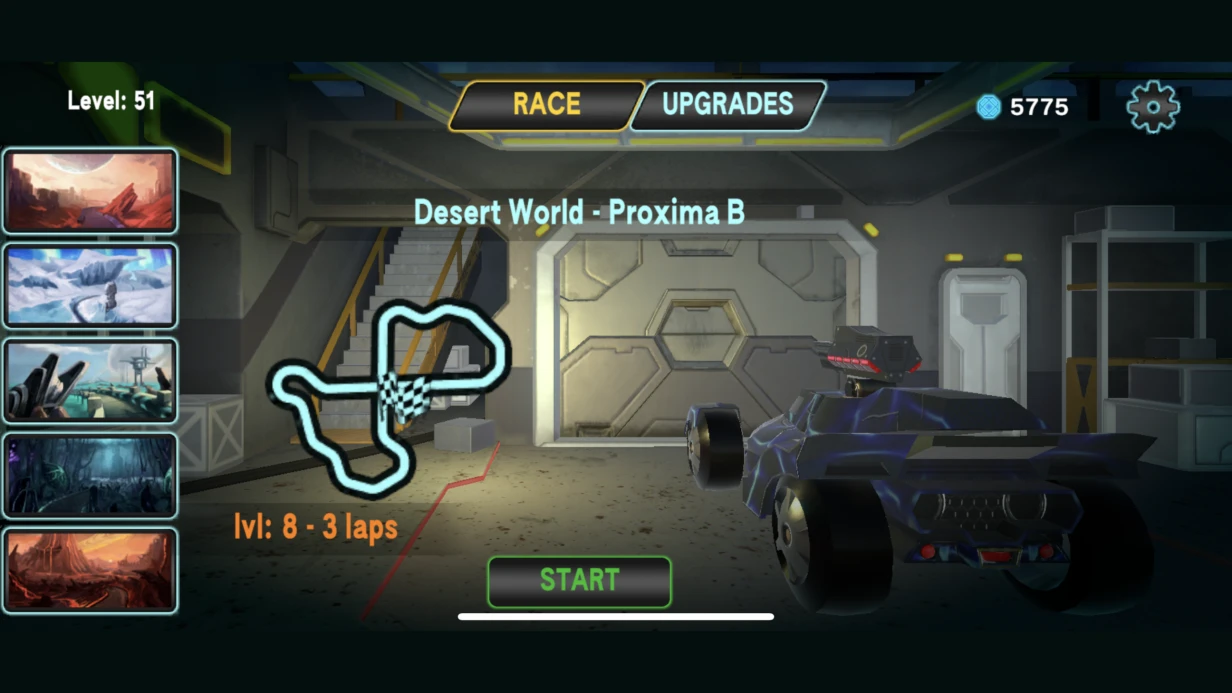
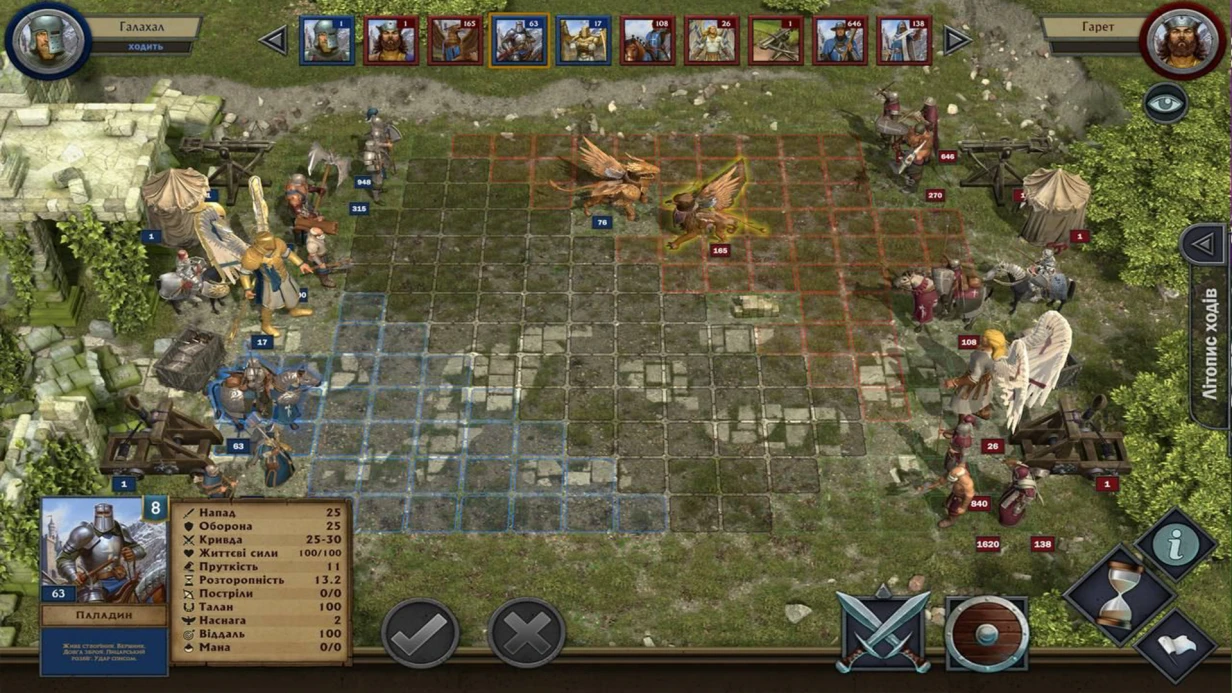
A concrete example: for a mobile match-3 game, choosing between realistic and stylized approaches is not about taste but analytics. The stylization of hand-painted art is cheaper to produce, works better on small screens, and is easier to animate via SpriteMesh deformation. Realistic art is more expensive, requires an LOD system even for UI elements, but converts a specific demographic better. The visual plan includes this analysis with specific arguments.
| Aspect | Stylized | Realistic |
|---|---|---|
| Production budget | Low (hand-drawn + procedural textures) | High (HD textures, scanned materials, PBR) |
| Performance | Fewer polygons, simple shaders, low memory requirements | High GPU demands, texture memory, batching critical |
| Scalability | Easy: style forgives deviations | Difficult: requires calibrated processes and an art director |
| Conversion (demographic) | Broad audience (MOBA, match-3) | Narrow but paying (action, RPG) |
Why a Visual Strategy Is Critical for the Project
Without a strategy, every new asset is a risk. If environment art uses saturated colors and characters use muted ones, the scene becomes unreadable. Our principles capture such decisions: silhouette readability is more important than surface detail; all light sources in the world must have a visible source; environment art must not use fully saturated colors — only characters may. From these theses follow specific technical decisions.
How the Strategy Affects the Rendering Technical Budget
The choice of render pipeline (Unity URP, Unreal Engine HDRP) and lighting approach (baked, mixed, real-time) directly impacts the FPS budget, draw calls, and data volume. According to Unity's official documentation, URP is optimized for mobile platforms, while HDRP requires a powerful GPU. We ensure the strategy accounts for target platforms: for mobile devices — minimum real-time lights, aggressive occlusion culling; for consoles — HDRP with dynamic batching and LOD crossfade.
Practical Example
For one indie project, we chose a stylized style with Unity URP. A team of 4 artists achieved consistent art in 3 weeks, and FPS on mobile remained stable at 30 fps. Without the strategy, initial builds had drops to 15 fps due to unoptimized shaders and lack of LOD.What the Work Includes: Deliverables
- Market and genre analysis with breakdown of competitor solutions.
- Audit of existing assets (if any) with a discrepancy map.
- Formulation of 3–5 visual principles (e.g., "silhouette readability is more important than detail", "all light sources have a visible source").
- Technical art strategy: pipeline selection, LOD strategy, batch and draw call budgets, shader requirements, and graphics optimization guidelines.
- Production roadmap indicating "pilot" assets and discipline order.
- Decision tree for typical situations: what to do if a new asset doesn't fit the palette.
- Final documentation for the team (can be integrated into the project wiki).
- Post-release support: consultations for scaling or switching contractors.
- Access to a shared mood board and asset repository for 12 months.
- Training session for the art team (up to 2 hours).
How We Develop the Strategy: Stages
- Analytics. We study competitors, target audience, platform constraints. We gather a visual mood board.
- Audit. If the project is already underway, we assess asset consistency, technical limitations, and style adherence.
- Principle formulation. We write down 3–5 theses from which all subsequent decisions follow.
- Technical design. We choose the render pipeline, lighting approach, LOD strategy, and approve budgets.
- Roadmap. We determine which assets are done first (style pilots) and the order for artist onboarding.
- Documentation. We compile a decision tree and style guide, and hand it over to the team.
Typical Consequences of Lacking a Strategy
| Problem | Consequence |
|---|---|
| Different artist styles | Rework of up to 70% of assets during assembly |
| No LOD | FPS drops below 30 on mobile devices |
| Weak shaders | Artifacts and performance below expectations |
| Inconsistent palette | Scene visually unreadable |
When a Visual Strategy Is Needed
The document is relevant at several project points: project start (no point in creating hundreds of assets without it), change of art direction, scaling the team from 3 to 15+ artists, moving to outsourcing, or a style pivot after playtests. In each case, the absence of a strategy costs specific weeks of rework. For instance, reworking 70% of assets for a mid-size project can cost over $100,000, whereas a visual strategy costs $5,000–$30,000. In 90% of cases, teams that invest in a strategy avoid budget overruns.
Document development timelines: from 2 weeks for an indie project with a small team to 2–3 months for a large project. Cost is determined after analyzing the project scope and team composition. Compare: a strategy costs up to 5 times less than reworking 70% of assets mid-production. Teams using a visual strategy complete pilot assets 2x faster than those without.
Throughout game development, the strategy ensures consistency. Contact us to discuss your project. Get a consultation on visual strategy — its price is incomparable to the budget of rework.