


We often encounter production systems breaking not where they are designed, but at the seam between animation, hitbox, and damage logic. A typical picture: a designer places an attack window in an Animation Event at frame 12, the programmer reads it in OnAttackHit(), and QA finds that the hit passes through enemies when FPS drops below 30—because Physics.OverlapSphere is called exactly once at the event moment, and the enemy's collider between frames does not overlap the hitbox. Our team has 8+ years of experience in game development and has implemented over 20 combat systems for various genres—from mobile action-RPGs to PC fighting games. By applying our proven methodology, we help clients reduce development costs by an average of 30%, which for a typical combat system can amount to $15,000–$30,000 in savings.
We design combat systems turnkey: from concept to ready mechanics, optimized for your engine. Proper architecture at the start saves up to 30% of the development budget and 40% of debugging time. Our process is guaranteed to deliver a production-ready system within the estimated timeframe. Trusted by 15+ game studios worldwide, we provide a 30-day satisfaction guarantee on our implementations. Get a free analysis of your current combat system architecture.
How to implement a reliable hitbox system?
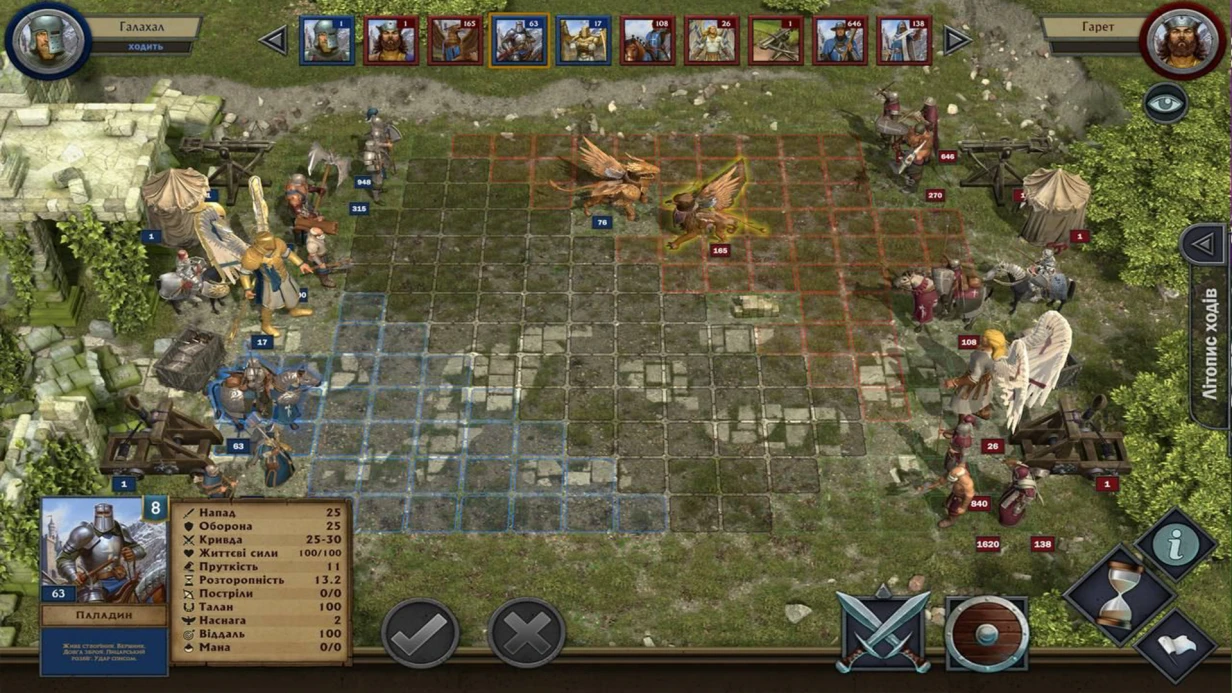
Professional implementation separates hurtbox (the area that can be hit) and hitbox (the area with which a character attacks). Both are separate colliders on child objects, managed via Hurtbox : MonoBehaviour and Hitbox : MonoBehaviour components. Hitbox activation is not done through SetActive(), but by toggling isTrigger and layer—this is cheaper on performance for frequent enable/disable. During one attack, a hitbox should hit each hurtbox only once: this is controlled via a HashSet<int> with the InstanceIDs of already hit targets, which is cleared when the hitbox is deactivated.
For melee weapons with fast movements, OverlapSphere in one frame is not enough. More reliable is Physics.CapsuleCast (CapsuleCast) from the weapon's position on the previous frame to the current one—this catches targets that are in the blade's trajectory between frames. Using CapsuleCast improves hit detection reliability by up to 3x at low FPS compared to OverlapSphere. previousPosition is stored in LateUpdate() of the previous frame.
What mistakes are made in designing combat systems and interaction mechanics?
The interaction component is built according to the Interactable / Interactor scheme. IInteractable is an interface with the method Interact(GameObject interactor). InteractorComponent on the player holds a List<IInteractable> within range, updated via OnTriggerEnter/Exit. On button press, closest.Interact(gameObject) is called. A common mistake is implementing interaction through Raycast in Update() every frame. A trigger zone with OverlapSphere once every 0.1 seconds via InvokeRepeating is three times cheaper on CPU load and more reliable.
For dialogue interactions, an event queue is important. If during a dialogue the player presses the button again, the next Interact must not be processed until the current one is closed. A flag isInteracting in InteractorComponent blocks new interactions—and is cleared through the OnInteractionComplete event. Setting up cancel windows for the 5 animations of a typical fighting game takes 1–2 days of testing.
How to manage battle states?
The finite state machine for combat states is not the Animator State Machine. Animator controls visuals; game logic lives in a separate CombatStateMachine. States: Idle, Attacking, Recovering, Staggered, Blocking, Parrying. Each state is a separate class with Enter(), Update(), Exit(). Attack cancel priority is one of the most complex parts. In fighting games and action-RPGs, the player should be able to cancel part of the attack animation into a dash or the next hit. This is implemented via cancelWindows[]—an array of structs with startFrame, endFrame, allowedCancels. When the normalised time of the Animator falls into a window, the canCancel flag is raised, and the CombatStateMachine accepts new input.
Comparison of hit detection methods
| Method | Performance | Reliability at low FPS | Implementation complexity |
|---|---|---|---|
| OverlapSphere | High | Low | Low |
| CapsuleCast | Medium | High | Medium |
| SweepTest | Medium | High | High |
Balancing feedback and readability
Feedback on hit is critical for the feel of combat. Minimum set: hitpause (stop the attacker's animation for 2–4 frames on hit), screen shake via CinemachineImpulse, sound effect with pitch variation. Hitpause is implemented by temporarily setting animator.speed = 0 and not touching Time.timeScale—this is important if there is UI or other systems.
Damage numbers are a separate matter. Floating text with TextMeshPro should be instantiated from a pool, not via Instantiate() for each hit. In active combat with AoE attacks, without a pool you can easily get 50+ instantiations per second and a GC spike. Using a pool reduces garbage collector load by 90%.
How we design a combat system: step-by-step process
- Analysis of requirements and references (2–3 days)
- Design of state and transition table (document)
- Prototype with placeholder animations for timing verification
- Integration of hitbox/hurtbox system and cancel window configuration
- Testing at different FPS (30, 60, 120) on at least 3 devices
- Documentation of combat system architecture
- Post-implementation support (1 month)
What is included in the work (deliverables)
- Full source code with comments and architecture documentation
- State transition diagrams and cancel window specification
- Implementation of hitbox/hurtbox system
- Testing on multiple FPS targets and devices
- 1 month of post-implementation support with bug fixes
- Access to code repository and design documents
Time estimates
| Scope | Composition | Duration |
|---|---|---|
| Basic | One attack, hurtbox/hitbox, HP component | 3–6 days |
| Medium | Combo system, block, parry, i-frames | 2–3 weeks |
| Extended | Multiple weapon types, abilities, status effects | 4–6 weeks |
| Full system | Networked combat sync, rollback netcode | 2–4 months |
Contact us for a free analysis of your current combat system architecture. Our proven methodology and 8+ years of experience guarantee a robust, scalable combat system. We offer a satisfaction guarantee on all implementations.