



Why edge cases are the main problem in gameplay testing? — functional game testing
We verify every mechanic, UI flow, inventory state, progression, saves, and network interactions. This is not just bug hunting but a systematic approach. Our experience shows: teams that order full functional testing reduce post-release incidents by 40–60%. Automated regression is 6 to 12 times faster than manual testing, ensuring quicker releases. For a typical indie project, functional testing costs between $2,000 and $5,000, and automation can save up to 60% on regression costs over time.
Real-world example: a shooter with a crafting system. The team manually checked the main flow — open inventory, craft item, close. All worked. At release, it turned out: if you craft an item when the inventory is full (99/100 slots), and the crafted item occupies the last slot while also being an ingredient, the slot counter goes to -1 and the session breaks. This is a classic edge case at the intersection of two mechanics that is only found with a systematic approach to test cases.
Which layers of the game system do we check?
Functional testing in game dev covers several layers:
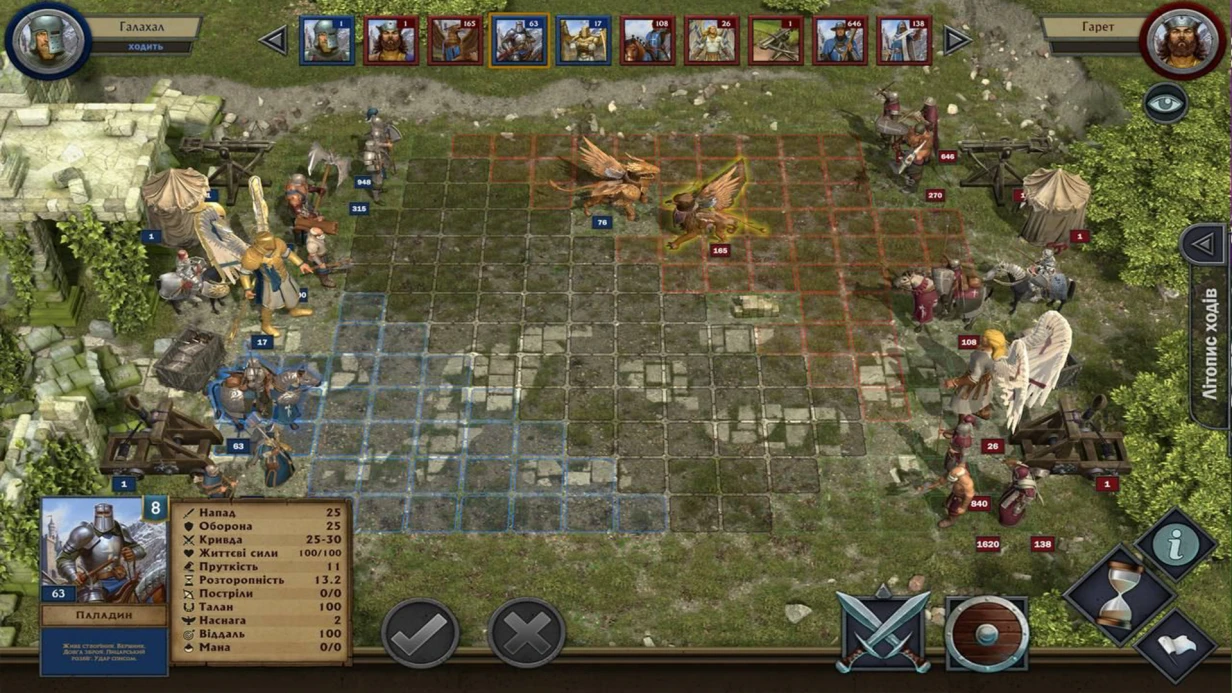
- Gameplay mechanics — each mechanic is tested in isolation, then in combination. Does jump work? Jump on a moving platform? Jump while taking damage? Jump at zero HP? There can be over 50 such combinations per mechanic.
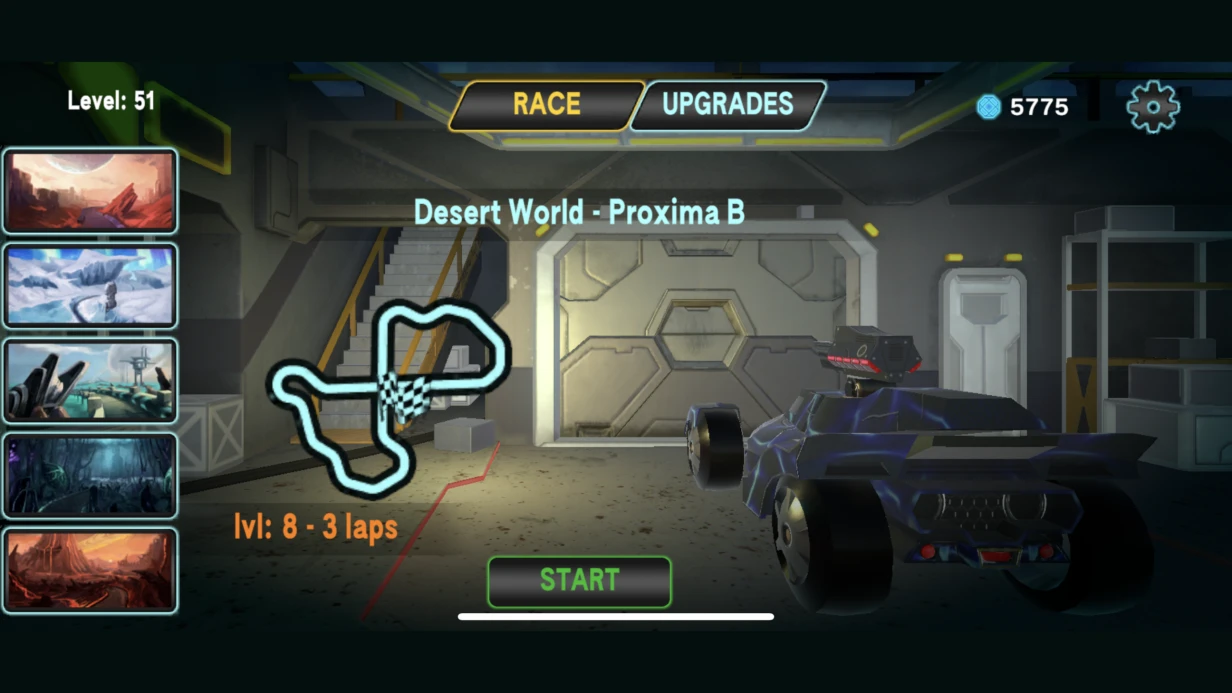
- UI and navigation — all screens, transitions, and element states (disabled, loading, error). Special attention to scene transitions: if the player clicks "main menu" button at match end, both events may try to load a scene simultaneously. We automate up to 200 such cases per project.
- Save and load — saving in the middle of a cutscene, loading on a new device, data migration on version update. In Unity,
PlayerPrefsand JSON serializers lack built-in version migration — when data structure changes, old saves fail to parse and the game crashes. We check 15+ save types. - Multiplayer network scenarios — packet loss, player disconnect, reconnect, desync. On average 300 tests per network protocol.
How does automation of functional tests cut run time?
For automation, we use Unity Test Framework (UTF) with Play Mode Tests. UTF allows writing tests with full access to scene components. A typical crafting mechanic test: create inventory with predefined state via fixture, call CraftingSystem.TryCraft(recipeId), assert inventory state. As noted in the Unity Test Framework guide, play mode tests emulate physics and animations in a test environment.
For UI, we use a combination of UTF and Unity UI Test Helpers. For mobile platforms, we use Unity Remote for quick device checks without a full build, and real devices (not just emulators) to verify gestures, back button, and interruptions.
Defects are logged in a tracker (Jira, YouTrack) with fields: steps, expected result, actual result, build version, device, screenshot. Without this, reproduction takes 3–5 times longer. Per project, we handle an average of 500–800 defects.
| Parameter | Manual testing | Automated testing |
|---|---|---|
| Regression run speed | 1–2 days | 2–4 hours |
| Edge case coverage | Lower | 2–3 times higher |
| Long-term support cost | Higher due to manual labor | Lower due to auto-tests |
| Visual bug detection | Effective | Limited |
Automated regression testing is 6 to 12 times faster than manual testing, and edge case coverage is 2–3 times higher.
What is included in the work?
We provide a full set of deliverables:
- Test plan tied to GDD requirements (200+ test cases on average per project).
- Set of automated tests (if applicable).
- Test case coverage report (we achieve 95–100%).
- Logs of all found defects with detailed reproduction steps.
- Final report with recommendations.
Deliverables include: detailed test documentation, access to automated test suite, training for your QA team, and post-release support. With over 5 years of experience in game testing and 100+ successful projects, we ensure thorough coverage.
Example report: Coverage 97% in 3 weeks. Found 43 defects, 12 critical. Recommendations: add unit tests for inventory system.
How is the testing process structured?
- GDD audit — before build delivery, we analyze documentation for completeness of scenario descriptions.
- Test plan development — at least 3 test cases per mechanic (happy path, edge case, error case).
- Smoke testing — 15–20 key cases in 2 hours.
- Full regression run (manual + automated).
- Functional testing of new features with focus on integration.
- Platform certification — checking against Steam, App Store, Google Play, and console checklists.
Estimated timelines
| Project size | Timelines |
|---|---|
| Indie game, single-player, up to 5 mechanics | 1–2 weeks |
| Mid-core, multiplayer, 10–20 mechanics | 3–6 weeks |
| Large project, multiple platforms | 2–4 months |
| Continuous testing (release support) | negotiable |
Cost is calculated after analyzing the GDD, number of test cases, and required coverage. Order functional testing — get a full coverage report. Contact us for a consultation on your project.