

Why an architectural monument loses visitors without a virtual tour
An architectural monument may be unique, valuable, and well known in narrow circles — but if it cannot be seen and "walked through" online, it loses its core audience.
Potential visitors often live in other cities and countries, and no one wants to spend a rare weekend traveling for the sake of a doubtful experience.
As a result, the monument stays in the shadow of more accessible competitors, even if it surpasses them in historical and cultural significance.
Restrictions on physical access add to the problem: halls closed for restoration, limited visiting hours, weather conditions, complicated logistics. A tourist who could not get inside is unlikely to come back — he will simply choose another destination.
And those who did make it get only a short route with a guide and never have time to examine the details that made the trip worthwhile.
A website with photos and a text description does not save the situation. Static images do not convey the scale, the atmosphere, or the sense of space — they do not let a person "find himself" inside the monument and mentally plan a visit. Interest remains superficial, and the decision to visit the site in person never takes shape.
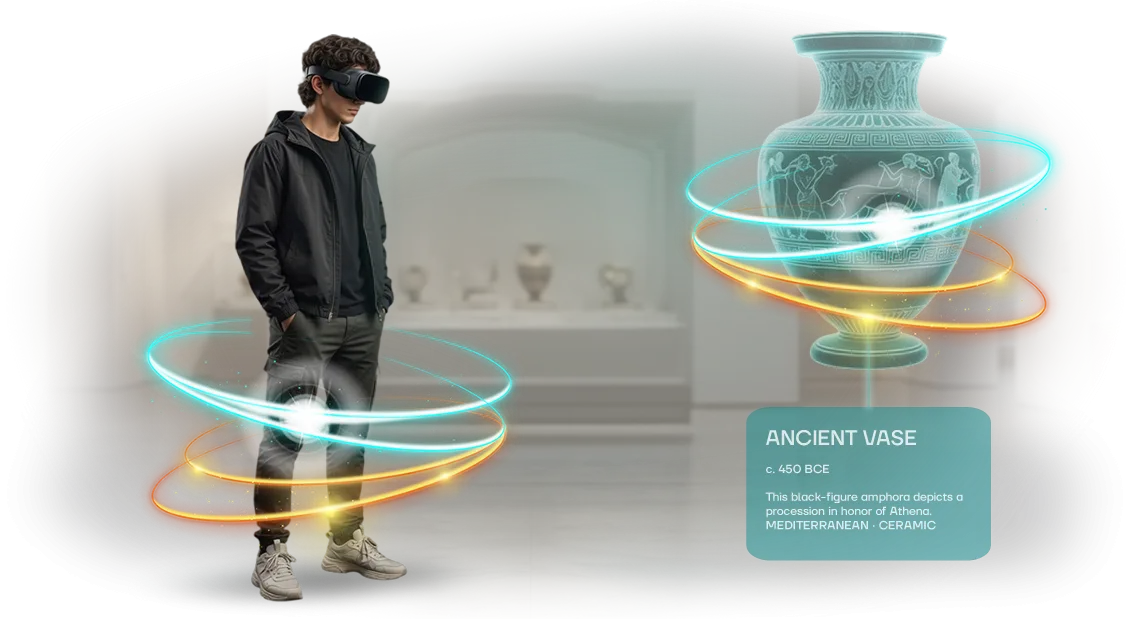
This is exactly where a virtual tour is needed — a format that allows an online visit to the monument from anywhere in the world. A person can explore the halls, climb the staircases, examine the decorative details up close — all without tickets, queues, or time limits.
For a potential tourist, this is a way to "try out" the site before the trip, which reduces the risk of a disappointing visit to zero.
For the site owner, a virtual tour solves two tasks at once: it radically increases the accessibility of the site to a wide audience and strengthens the attraction of tourists from other regions.
People who have seen the monument online arrive already "familiar" with it — they want to see it in person, compare impressions, and bring their loved ones along. That means direct ticket sales, souvenirs, tour groups, and growing recognition.
We have been helping monuments and museums meet this need for more than ten years. We create virtual tours with 360-degree views that are easy to embed in websites, social media, and travel portals — visitors need no apps or special devices.
A link is all it takes to start the online visit and fall in love with the architecture before the real meeting.
What a digital copy of a site delivers: more attention and new visitors
A digital copy of an architectural monument is not just a 3D model but a working tool for attracting attention. It lets you show the site to people who have not yet planned a visit and turns interest into real attendance. Here is what the client gets specifically:
Wider audience reach
Tourists look for experiences before the trip. A digital copy gives them the chance to "walk through" the monument from anywhere in the world — which means it enters the field of view of those who had not previously considered your region as a destination. This expands the geography of potential guests without spending on advertising.
Recognition for the site
When a monument can be examined in detail online, it becomes a topic for discussions and publications. Photos from the virtual tour end up in social media and guidebooks, building a lasting image of the place. Recognition of the site grows, and with it the number of search queries and bookings.
Growth in attendance
Practice shows: after a digital copy is launched, interest in a real visit increases. The virtual tour works like a preview — it shows the scale and beauty of the monument, after which guests want to see it with their own eyes. This is especially noticeable in the off-season, when the tourist flow needs support.
Readiness for partnerships
A digital copy is a standalone product that can be offered to museums, tour operators, and educational projects. With it, it is easier to agree on joint promotions, include the site in itineraries, and receive development grants. You get not just a model but an asset that works for your reputation and opportunities.
The team at our team creates digital copies that deliver measurable results — growth in reach and new visitors. We handle the entire process: from shooting to launching an interactive tour that is easy to embed in your website and social media.
Virtual tour formats and 3D showrooms for the task of a cultural site
A cultural site has a unique task: to present the monument so that a visitor wants to come and see it in person, while a remote viewer gets a sense of presence.
The virtual tour must match the project's goals: attract an audience, prepare them for the visit, and tell the story of the place.
We choose the format based on the condition of the architectural monument and the expected result. Depending on the task, we use panoramic photography, a detailed 3D model, or an interactive showroom — or a combination of these.
| Format | For whom | What it gives the client |
|---|---|---|
| Panoramic photography | Monuments with preserved interiors and scenic views | A quick, realistic tour that covers the entire space and engages the viewer. Suitable for a first introduction and navigation through the site. |
| Detailed 3D model | Sites with lost details, complex architecture, restoration work | Shows the monument from any angle, including inaccessible areas. Makes it possible to present reconstruction and historical layers. |
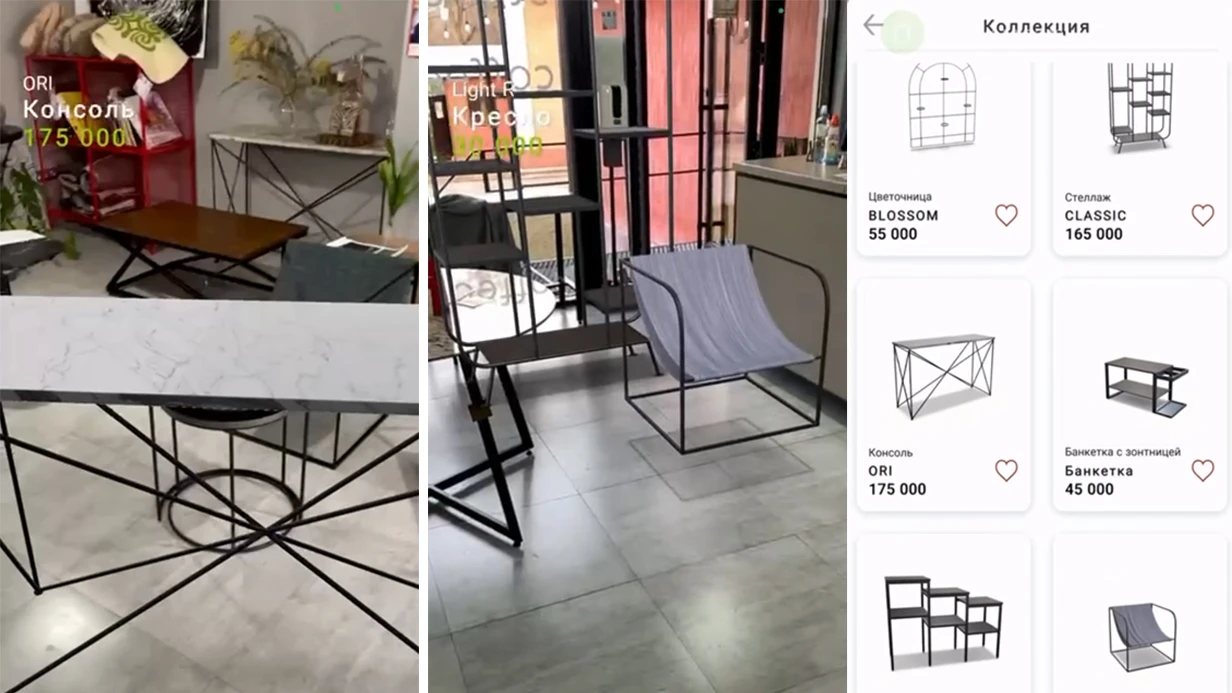
| Interactive showroom | Exhibition projects, museum displays | Guests move through the space themselves and discover information about the exhibits. Increases interaction time and depth of immersion. |
We often combine formats: the panorama provides the overall context, the 3D model provides the details, and the showroom provides the viewing scenario. Such a virtual tour works for the recognition of the site and prepares the guest for the visit. Already at the online introduction stage, it shapes the right impression of the monument.
How the work on a virtual tour proceeds: stages
Developing a virtual tour of an architectural monument is a process where it is important not to lose a single detail: from the history of the site to the expectations of your visitors.
We have structured the work in stages so that you can see the progress of the project and influence the outcome. Below is the path from the brief to post-launch support.
-
Brief and immersion in the task. We study the monument: its history, current condition, and spatial features. We gather your objectives — attract tourists, show closed halls, prepare an educational route. You receive a technical specification and a clear timeline.
-
Concept and scenario. We propose how a visitor will move through the virtual space: which areas to explore, where to pause, what interactive elements to include. You approve the tour logic — only after that does the modeling begin.
-
Creating the 3D space. We recreate the monument digitally: facades, interiors, decorative elements. We use professional tools to convey the atmosphere of the original. You monitor the progress at interim reviews.
-
Approving the interim version. We demonstrate a draft build with basic navigation. You make edits to texts, viewpoints, and content — we adjust until it fully matches your expectations.
-
Final assembly and testing. We add voice-over, captions, transition buttons, and a route map. We check how the tour works on different devices — from a regular computer to a tablet and a VR headset.
-
Launch of the tour. We place the solution on your website, social media, or exhibition stand. We provide access links and a short instruction for your team so that you can use the tour without involving programmers.
-
Post-launch support. We stay in touch: we help update information, add new locations, or seasonal materials. You get not a one-off product but a tool that keeps working for you after the project is delivered.
What is included in the virtual tour delivery
We have prepared a complete delivery package so that you receive not just a link to the tour but a ready-made tool for promotion and working with visitors. Every part of the package is checked and comes with instructions — you will not have to refine or configure anything.
- A ready virtual tour: an interactive tour of the architectural monument with navigation points, historical notes, and panoramas. The tour works in any modern browser and requires no additional software installation.
- Website materials: a ready-to-embed block for the tour, a cover image, a description, and a video overview — everything you need to place the tour on your website in one day.
- Mobile guide: an adapted version for smartphones that lets visitors explore the monument on their own with an audio guide and a map.
- Social media integration: ready-made posts, images for announcements, and publishing settings — you can start promotion immediately after the project is delivered.
- Launch and support instructions: simple guides for your team, including content updates, adding events, and working with attendance analytics.
- Training materials for staff: a tour script and short reference notes so that any employee can give a presentation or answer guests' questions.
- Project passport: the tour structure, the list of materials used, and recommendations for the future development of the project.
Case study: how a virtual tour increased attendance at an estate
Architectural monuments often suffer from low attendance: people are not willing to travel to the region to see an estate from the outside and walk through three halls.
This was exactly the task brought to us by the Troitskoye Estate Museum — we needed to show interiors that are not included in the regular tour and to interest an audience beyond the region.
We developed a virtual tour of the main house and the park. Users could move freely between floors, open doors, examine the details of the decor, and even "look into" rooms closed to visitors.
The tour was then embedded on the museum's website and social media — no app installation required, just a link.
The result exceeded the administration's expectations. In the first six months, attendance at offline tours almost doubled: guests arrived already familiar with the estate, bought tickets for new programs more often, and brought their children along.
The online version was viewed by more than 40,000 people during that period, and the share of repeat visits to the website grew by 27%.
They also noted that the number of inquiries for corporate events from companies increased by 30% — it became easier for them to make a decision after seeing the venue in advance.
The museum director shared her feedback: "The virtual tour has become our main promotional tool. For the first time, guests come not through word of mouth but after watching the online tour — they already feel immersed in the space and know where they are going. We recommend this format to all architectural monuments that face accessibility challenges."
This case shows that a virtual format does not replace the live experience — it fuels interest in it.
If your venue deals with seasonality, a small flow of tourists, or a lack of visibility, a digital tour solves exactly these problems, and the growth in attendance becomes a measurable result.
How to choose the right virtual tour format for your task
There is no single "best" format — there is a format for your task. For broad reach and a first introduction to the monument, a panoramic online tour works well. To show details and let visitors choose their own route, choose a 3D tour. For an event that should be remembered, a VR tour with a guide.
Comparison by typical tasks:
| Format | When to choose | What it gives |
|---|---|---|
| Online tour with panoramas | Need broad reach and a first introduction | Access from any device, easy distribution |
| 3D tour with navigation | Need to show details and interiors | Visitors explore on their own — higher engagement |
| VR tour with a guide | Emotion and a sense of presence matter | A vivid impression, viral potential |
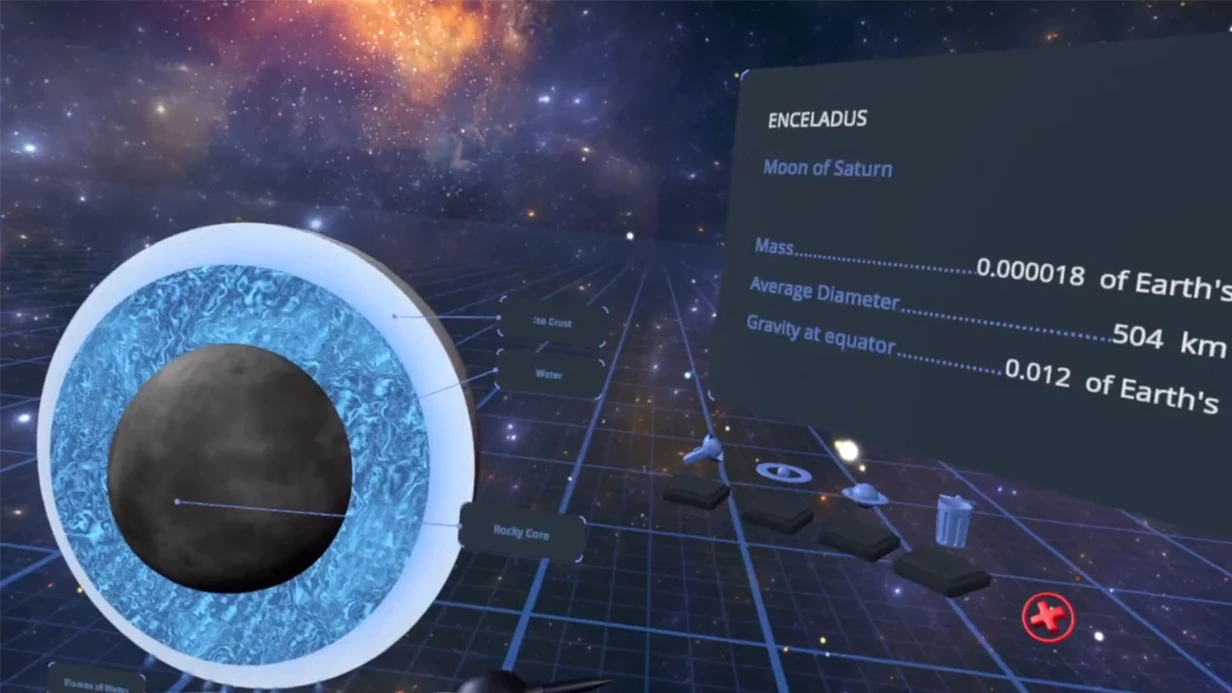
The choice depends on the audience. For school groups, a 3D tour with explanations works well: you can stop at any element and study it. For tourism promotion, an online tour is effective — it is easy to embed in a website and social media.
For a press showing or a private event, VR with a guide is the choice: such events are remembered for a long time.
You do not have to limit yourself to a single format: a combination often works — a panoramic tour for mass introduction and a VR zone for deep immersion.
We help you choose the format for your task: we analyze the audience, goals, and promotion channels, and propose the optimal solution. We shoot on professional equipment — quality is consistent at every stage. You receive a finished product that can be used immediately after launch.
Frequently asked questions about virtual tours and guarantees
A virtual tour of an architectural monument is not a one-off video but a working digital tool that should deliver value for years.
Naturally, before launching, you want to understand: who will maintain the project, how to update information, and what to do if something goes wrong. We answer the most common questions — no fine print, no hidden conditions.
What happens if the tour stops working?
Any digital system requires attention, which is why we do not abandon the project after delivery. At the launch stage, you receive a guarantee of stable operation: we monitor the server infrastructure, track failures, and resolve them promptly. If a problem arises due to our fault, we fix it at our expense within agreed timelines.
How do we update tour content?
Monuments change their opening hours, and new exhibits or events appear. You do not need to understand the technology — you send a request, and we make the changes: update texts, photographs, 3D objects, and routes.
You can agree on the frequency of updates in advance, for example, before the season or ahead of major events.
Who maintains the project after launch?
You are assigned a personal manager and a technical team. They provide advice on any question — from adding a new point of interest to integrating with a ticketing system. If needed, we will train your staff: how to open the tour, share links, and use the control panel.
What does the guarantee cover and can it be extended?
The guarantee covers the tour's functionality on all devices and the correct loading of content. During the warranty period, we eliminate faults related to our work free of charge.
After it expires, you can sign a support renewal agreement — this is more cost-effective than looking for a new team.
This approach removes risks and makes a virtual tour a reliable tool for your monument. You manage the content, and we take care of the technology.Launch a virtual tour for your architectural monument
The uniqueness of an architectural monument is often hidden from a wide audience: access restrictions, fragile interiors, distance from the city.
A virtual tour removes these barriers: every visitor to your website or social media can walk through the halls, examine the details, and feel the atmosphere of the place.
our team has been creating such solutions for more than 10 years, turning historical sites into a modern digital experience that works for recognition and attracts real guests.
We take on the entire journey: from consultation to a ready tour integrated into your website. You do not need to understand the technology — we will select the format, carry out the shooting, build the 3D space, set up navigation, and launch the result. You get a virtual tour that is available around the clock, never wears out, and requires no guide.
What you get after contacting us:
- consultation on a virtual tour for your architectural monument;
- an accurate project estimate tailored to your tasks, audience, and timeline;
- selection of the optimal format: panoramas, a detailed 3D walkthrough, or VR mode;
- consideration of the site's specifics: lighting, historical details, access restrictions;
- support at every stage — from shooting to placement on your website;
- a finished tour that is easy to share in social media and on partner platforms;
- training for your team so that you can update content yourself.
Submit a request on the website — we will call you back within one business day, answer your questions, offer suitable options, and prepare a project estimate. We will create a virtual tour that becomes a source of pride and a reason for repeat visits.