

Why Your Palace Is Losing Visitors Without a Virtual Tour?
A palace is living history that needs to be shown. But in the usual format, you only see the guests who have already reached the ticket office.
The rest — and that's the majority — learn about the residence through enthusiastic reviews and beautiful photos, but never quite decide to make the trip. The reasons vary: a long journey, lack of time, or being unable to plan a route. As a result, the palace loses an audience that could have become its regular friends and partners.
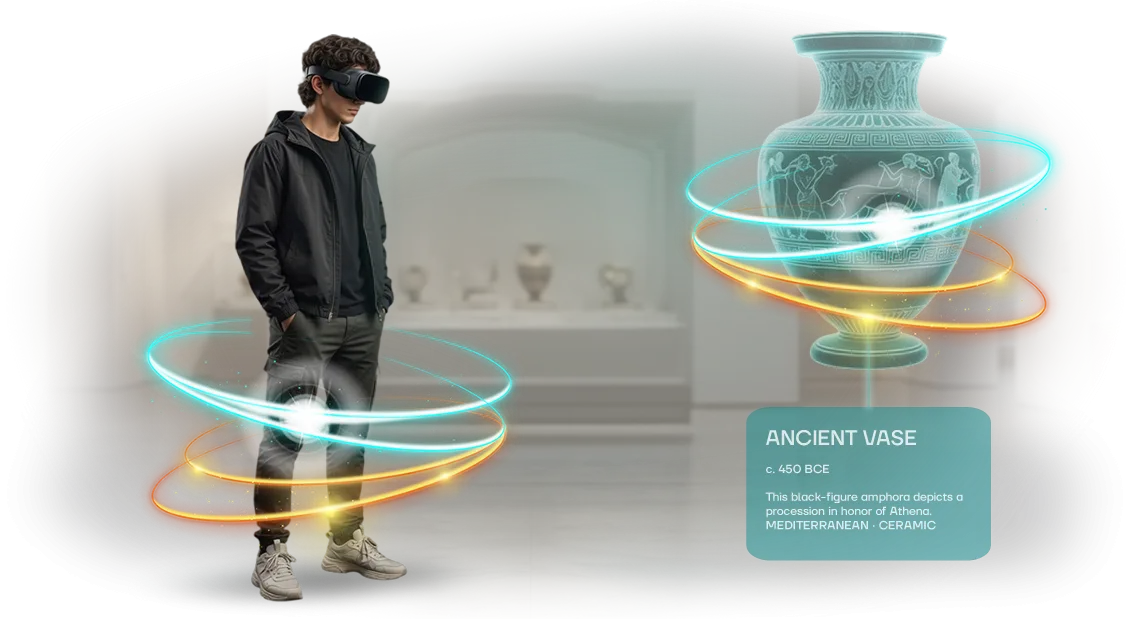
A virtual tour changes the game. An online tour gives visitors the chance to step inside the halls, examine the details of the decor, and see what's hidden from a regular camera view. It's not just video — it's a full introduction to the space.
This kind of immersion triggers emotions and a desire to come in person to feel the scale and grandeur of the palace.
What's more, having an interactive tour is becoming a must-have criterion when choosing a cultural venue. Travelers and event organizers study venues online in advance and compare impressions. A palace with a virtual tour looks open and modern, and it earns trust.
The online tour also works as a round-the-clock guide: it tells the palace's story even when the ticket offices are closed, and it attracts guests from other cities and countries.
We have already delivered such projects for architectural landmarks and know how important it is to preserve the atmosphere of a place in the digital space.
We create VR tours that we integrate into your website and promotional channels, so the palace starts attracting visitors before they even reach the entrance.
What Benefits Will the Owner Get from a VR Tour?
A VR tour for a palace is not a nod to fashion but a working promotion tool. It turns virtual interest into real visits and gives the owner several measurable benefits: greater recognition, a larger visitor flow, new leads, and a stronger brand.
The first benefit is recognition. A virtual tour is easy to place on a website, in social media, and on travel services, so thousands of people from other cities and countries learn about the palace.
Those who were unsure about the trip can "take a stroll" through the halls and fall in love with the atmosphere before they even arrive. The tour gets gladly forwarded to friends — giving the palace free advertising through personal messages.
The second benefit is growth in offline attendance. After a virtual introduction, guests more often plan a real visit. They've already seen the interiors, absorbed the spirit of the place, and want to experience the emotions in person.
Travel agencies also more readily include the palace in their routes when they can show clients its splendor in advance.
The third benefit is additional leads. It's easy to embed an excursion booking form, a feedback button, or a hall rental offer into the tour. Every viewer is a potential visitor who submits a request on their own.
The palace gains a contact base without cold calls or advertising campaigns. The fourth benefit is brand strengthening: a quality VR tour makes the palace look modern and attentive, raises audience loyalty, and creates reasons for publications.
These benefits work together to deliver the main outcome — a steady flow of guests and stable booking levels for the palace. A VR tour is a long-term asset that keeps generating requests and sales months after launch.
If your goal is higher attendance and new leads, a virtual tour solves that quickly, clearly, and with measurable results.
VR Tour Formats for a Palace: From Tour to 3D Showroom
A palace is architecture, history, and atmosphere that you want to show every guest. But not everyone can visit in person, and offline excursions are limited by time and group sizes.
To reach both on-site visitors and a remote audience, you need different VR tour formats — each solving its own task.
Format Comparison
| Format | When It's Needed | What the Client Gets |
|---|---|---|
| Fully immersive VR tour | Premieres, receptions, individual visits | A sense of presence and emotion: the guest "walks" through the halls, examines details, and comes back in person |
| Online tour | Palace website, social media, press releases | Accessibility from anywhere in the world: coverage grows without being tied to guide schedules, and guests choose a convenient time |
| 3D showroom | Exhibitions, presentations, partner programs | A detailed showcase of the halls: reveals closed spaces and combines an audio guide, photos, and videos |
Each format answers a specific need: immersion for a vivid impression, an online tour for mass reach, and a 3D showroom for a clear presentation.
A palace often uses them together: the VR tour becomes an event, the online tour is the entry point, and the 3D showroom is a tool for negotiations.
We develop all three formats on a shared foundation and adapt them to the specifics of the estate — from grand halls to utility rooms. You don't have to choose just one; we'll propose a combination that boosts the palace's recognition and attracts new guests.
How VR Tour Development Works: 6 Steps
Work on a VR tour for a palace follows a transparent process — from the very start, you understand what stages lie ahead, what gets approved at each step, and when the result will appear.
We don't turn the project into a black box: you take part in key decisions and control the process rather than watching from the sidelines.
-
Brief and goals. We discuss why the tour is needed: to attract tourists, to show closed halls, or to prepare material for investors. We define the audience — individual guests, school groups, partners.
Based on this, we choose the format: a classic tour through the halls or a scenario with historical storylines.
-
Plan and estimate. We prepare a detailed scenario: which rooms will be included, how transitions between them will work, and which elements will make the tour interactive — hints, an audio guide, or a "before/after" comparison. We agree on deadlines and budget and lock them into the contract.
-
Content creation. We travel to the palace and shoot or digitize the space. If some halls aren't available for filming, we build 3D models from blueprints and photographs. You receive material you can also use for regular presentations and printed materials.
-
Virtual tour assembly. We stitch the footage into a single space, add interactive hotspots, texts about the palace's history, and audio narration. We put together a draft version that's easy to view in a browser with no software installation. You see exactly what the guest will experience.
-
Approval and revisions. You review the tour and leave comments: change the texts, shift the emphasis, add a room. We make edits over several iterations until the result matches your vision. Once approved, we lock the final version.
-
Launch and support. We place the VR tour on your website or an info stand and, if needed, set up virtual reality headsets. We train your staff to work with the tour.
A month after launch, we check that everything runs smoothly and stay on call for updates — for example, if you want to add a new hall or change the scenario.
What's Included in the Virtual Tour Delivery Package
You don't get a bare file with panoramas but a complete, ready-to-use solution that can be shown to palace visitors right away.
Everything needed for launch and operation comes in one package — you won't have to coordinate "little things" like instructions or updates with contractors.
The delivery package includes:
- A finished virtual tour of the palace. An overview of all key halls, transitions between hotspots, and pop-up captions for exhibits and architectural details. Visitors move along the route just as they would in a real building — without installing any apps.
- An interface that works on any device. Smartphone, tablet, computer, VR headset — the guest opens a link and is instantly inside. No special preparation or additional software downloads.
- A control panel for your team. Change texts, add new exhibits, attach an audio guide or temporary events on your own — without waiting for a developer. Updates go live instantly.
- Detailed instructions for staff and visitors. A short scenario for the administrator: how to launch the tour, embed it on the website, and set it up at a QR-code stand. Plus a visitor guide on where to start and how to navigate.
- Branding in the palace's style. Logo, color palette, and fonts — the tour looks like an extension of your official website, not a third-party service.
- Promotional materials. Ready-to-use links, a print-ready QR code, and post texts for social media and newsletters. All you have to do is publish them — reach will start growing from day one.
- Maintenance support and updates. We stay in touch after handover: answer questions, fix issues, and refine the tour for new exhibitions or seasonal events when needed.
After the package is handed over, the tour is fully under your control. You get a tool that works without our constant involvement: launch it, update it, promote it — and show the palace to guests from anywhere in the world.
How a VR Tour Tripled Palace Attendance
Palaces are a magnet for tourists, but most of them have a built-in limitation: some halls are closed for restoration, exhibits sit behind glass, and the excursion route is strictly fixed. The visitor gets 20 minutes of impressions and leaves.
We proposed a different logic for the palace — a VR tour that opens up what a regular visit can't show.
What We Did
We took a real palace with a rich history and created a virtual tour of the key halls, including the ones visitors aren't allowed into.
After the regular excursion, guests put on a VR headset and spend 20 minutes walking up the grand staircase, peeking into secret rooms, and seeing restored interiors.
It's not an amusement ride but a continuation of the museum experience — with voiceover narration and historical references.
The Result
Two months after the VR tour launched, palace attendance tripled. The average time a guest spent on site grew from an hour and a half to three hours — people no longer rush through the halls; they linger.
Repeat visits also went up: every tenth guest returned with their family to show them "that very virtual hall."
The effect wasn't a one-off: after videos from the VR tour were published on social media, demand for online ticket bookings also grew.
The palace gained an ongoing reason to bring its audience back, and our case became an example of how a digital format strengthens a physical visit.
How to Choose the Right VR Tour Format?
Choosing a VR tour format isn't a question of technology — it's a question of your goal. If you want a broad audience to get acquainted with the palace's history, attract tourists, and build recognition, a panoramic tour with voiceover is enough.
It's easy to watch on a smartphone, requires no special equipment, and works as the venue's digital business card.
If instead your task is to impress partners or investors, to showcase interior details and unique exhibits, it's worth considering an interactive tour with free movement and route choices.
It's important to consider who will actually use the tour. For mass events and public websites, you need a simple, fast launch — the guest should be inside in a couple of clicks, with no app installation.
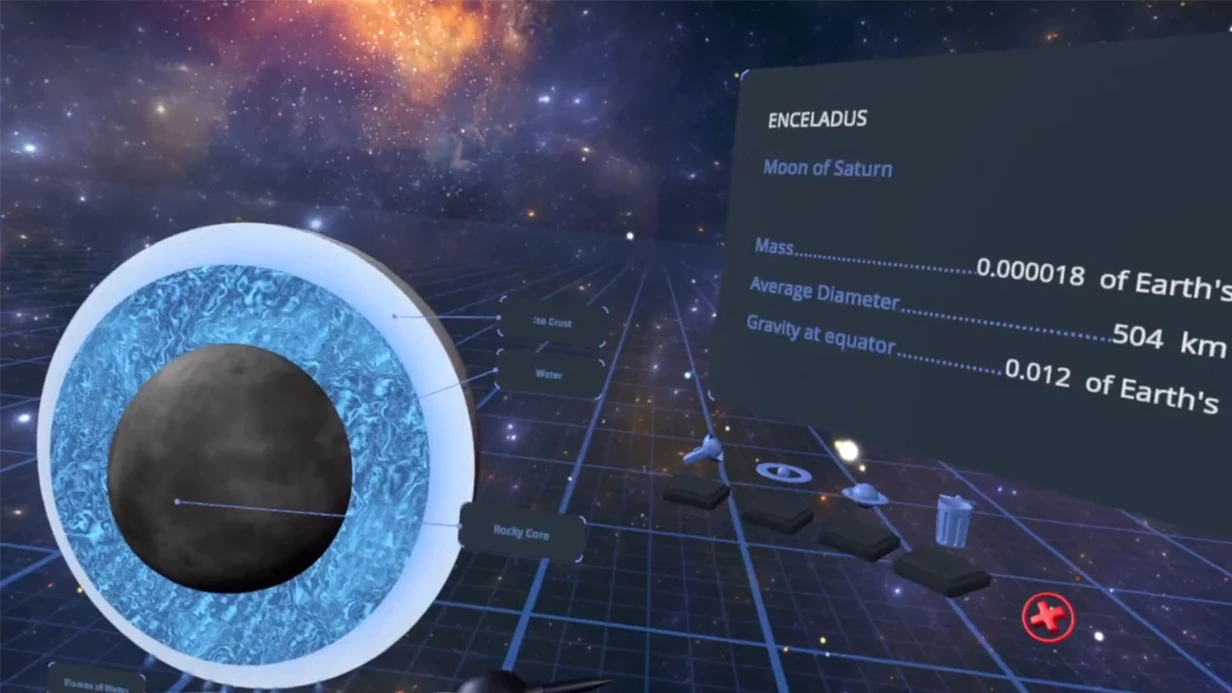
For closed presentations or staff training, you can use a richer format with augmented reality, where objects "come to life" and are accompanied by reference information. We always start with one question: what should the viewer feel after watching? The duration, level of detail, and degree of engagement all depend on that answer.
It's also worth thinking about budget and timelines. The minimal format — a panoramic tour of key halls — can be ready within a few weeks, and it handles the initial introduction perfectly.
A more complex project with game mechanics and scripts will take longer, but it delivers that "wow" emotion and becomes the content people talk about.
We select a format for your specific task and show examples of completed palace tours so you can see the result before the project begins.
The main thing is not to be afraid of clarifying questions. The more we know about your audience and expectations, the more precisely we can propose a format that brings a measurable outcome: higher attendance, media attention, or successful negotiations. Tell us your goal — and we'll offer a solution that fits you.
Frequently Asked Questions About VR Tours for Palaces
Before ordering a VR tour for a palace, the same concerns come up: the equipment won't fit, the deadline won't be met, or there'll be no one to make edits. We'll answer them directly — so you understand what you're getting and what to expect.
What equipment is needed?
The tour is adapted to the technology you already have: headsets, tablets, panels. Guests don't need to install anything — it launches in a couple of clicks. If you don't have equipment, we'll offer rental for the day of the event.
How long does it take to create the tour?
A standard project takes three to six weeks, depending on the palace's area and the number of scenes. If time is tight, we'll build a lighter format in 7–10 days. We fix the stages in the contract so you can track progress.
Can the content be changed?
Yes, the route, texts, audio guide, and locations are easy to update. The contract includes a support block for this. Send us your edits — we'll make the changes and return the updated version.
What guarantees do you provide?
We put the guarantees in the contract: deadlines, the scope of work, and the final version. Before handover, we run a test launch with independent participants. If a failure happens on the event day due to our fault, we'll fix it at no extra charge.
Didn't find your question? Write to us — we'll reply within a day.Order a VR Tour and Get a Flow of Visitors
A palace, estate, or historical site attracts guests when they can see in advance what awaits them. A VR tour shows the halls and interiors in full detail — a person "walks" through the palace before their visit and decides to come. We handle the entire process: from scenario to post-launch support.
What you get immediately after ordering:
- An approved VR tour scenario for the palace — a route through the halls, key exhibits, and hidden corners that are usually absent from photos.
- Promo materials for your website and social media — a short video and posters to announce the new option to visitors.
- A format consultation — a stationary VR zone in the palace, a portable kit for events, or an online version for remote guests.
- Support at every stage of the launch — from preparing the space to training your staff on the equipment.
- A calendar plan with specific deadlines — you know exactly when the project will be ready to open.
- Post-launch usage options — for school excursions, tourist routes, private events, and guests who haven't arrived yet.
While the main version is being prepared, you're already receiving the first inquiries. Announcements and posts build interest, and after launch the VR tour becomes a reason for past visitors to return and attracts new guests through their impressions.
Leave a request on the website — during the consultation we'll show you examples of VR tours of historical sites and calculate the timeline for your palace.