

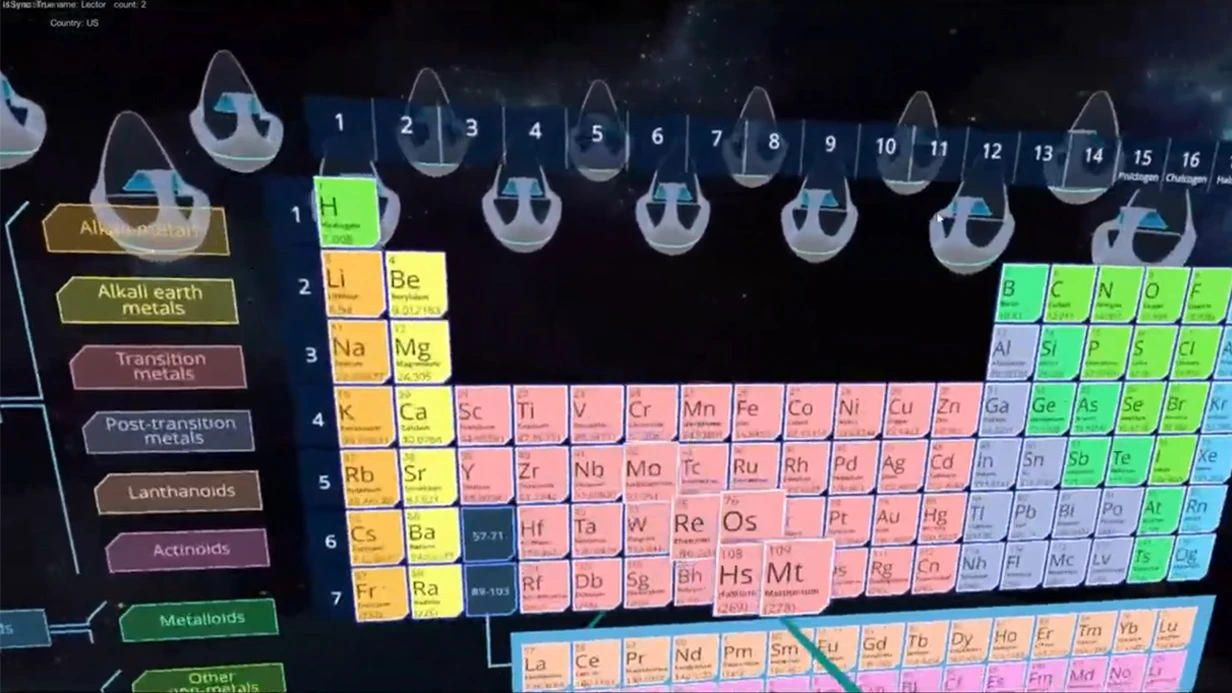
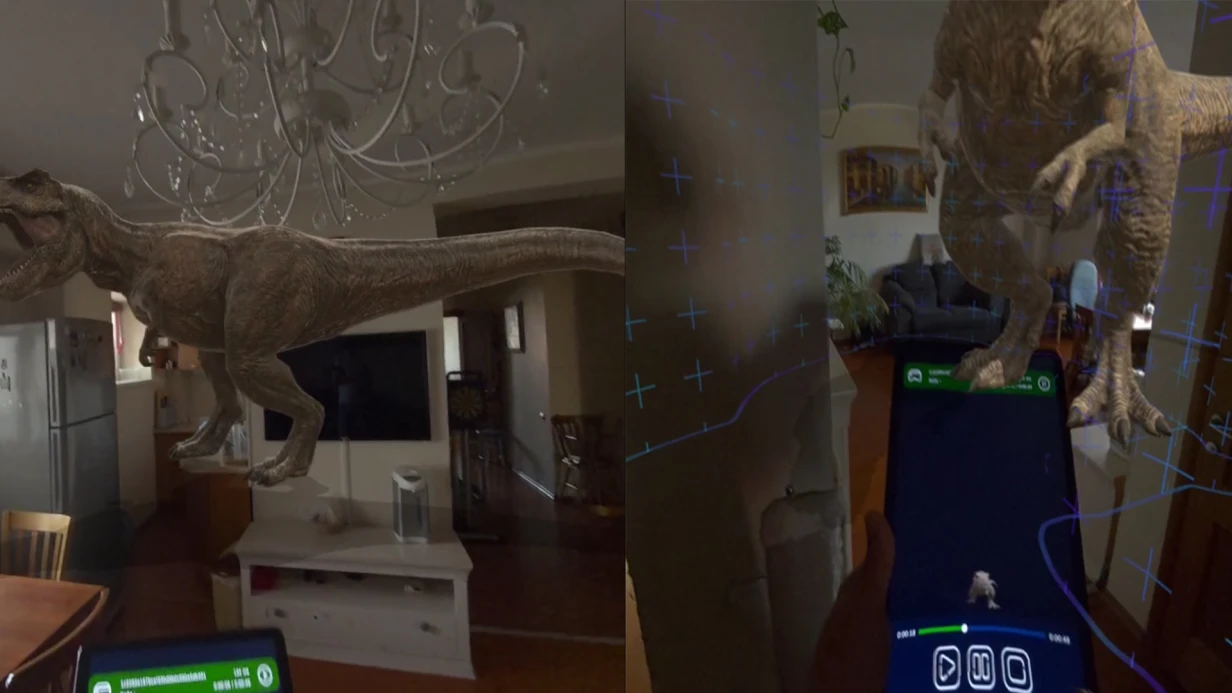
Why Power Plants Lose Guests and Investments
Power plants face a paradox: the facility is strategically important, but hard to showcase. A restricted-access facility, safety requirements, closed territories — so guests, partners and investors see only facades or PowerPoint presentations.
As a result, industrial tourism does not develop, and an investor struggles to assess the scale and modernity of a plant — choosing more "transparent" projects instead.
Competitors have long used a virtual power plant tour as a tool for dialogue with audiences. Instead of dozens of approvals and passes, a personalised tour of key workshops, the machine hall and control rooms.
This changes perception: the facility becomes open, technologically advanced and safe. It is these formats that increase investment attractiveness and turn technical infrastructure into a product understandable to business.
For those betting on industrial tourism, an interactive facility presentation is a way to show a plant's uniqueness without production risks. Visitors see real processes but do not disturb staff.
And the marketing team gets an endless resource for tours, open days and work with young specialists — without distracting employees from their tasks.
Wehelp bridge this gap: we design virtual tours that preserve engineering accuracy while speaking the language of value — for guests, investors and managers.
One digital product replaces kilometres of corridors and dozens of tour hours, and the result is visible immediately — in reach, interest and readiness for dialogue.
What a Virtual Tour Gives: Trust, Reach and New Contacts
Organising a press tour to a power plant is complex logistics: approvals, access control, safety procedures, time limits. Because of this, even interested guests often cannot visit the facility, and those who do come see only a small part of the processes.
A virtual tour removes these barriers: attendees explore the enterprise in a convenient format, without risks and bureaucracy, and you get full control over the presentation scenario.
The first benefit is live audience engagement. Instead of static slides in the business programme, guests get inside the production process: they see workshops, equipment, work areas and immediately immerse themselves in the context.
This holds attention, sparks questions and makes the presentation memorable. This format is especially effective for a press tour: journalists, partners and clients get material they will want to discuss and share themselves.
The second is strengthening the company's image. Openness and a modern approach to communication build trust: you show the facility as it is, and you do it technologically.
For investors and potential customers, this is a signal of reliability; for employees, a reason to be proud of their workplace. A virtual tour becomes part of the employer brand and an argument in negotiations.
The third benefit is reach beyond the event. The tour continues to work after the event: it can be used in newsletters, on the website and in social media, inviting new contacts to "look around" without commitment.
Everyone who completes a virtual tour is a potential lead already familiar with your facility. This means your further conversation with them starts not from zero but from a shared context.
Finally, saving resources on organising real visits: no need to gather groups, book transport or arrange access permits. Instead, one prepared route reaches an unlimited number of viewers anywhere.
For business programmes, press events and key-client work, this is a practical tool that pays off through guest interest and new contacts.
Virtual Tour Formats for Energy Facilities
An energy facility is not an ordinary office or museum: it is difficult to show to guests because of security regulations, remoteness and production specifics. That is why virtual tours have long become a working tool for power plants.
But the same solution will not suit both a delegation and new employees — each task requires its own format.
We divide virtual tour formats by purpose: overview, delegation and training. The difference is not in a "pretty picture" but in the narrative logic, level of detail and interaction scenario.
Below is a comparison to help you choose the right option without overpaying for unnecessary functionality.
| Format | For whom | What it gives the client |
|---|---|---|
| Overview tour | Guests, partners, press | Shows the scale and modernity of the facility, creates the image of a reliable company |
| Delegation tour | Official visits, negotiations | Takes visitors through key areas in 10–15 minutes, highlights advantages and potential |
| Staff training | New employees, contractors, security | Practises routes and safety rules without risk, speeds up onboarding |
This approach allows you to avoid overpaying for extra options and get the desired result faster. And if you need a combination — for example, an overview tour for the website and a separate programme for staff — we will assemble a single project within your budget.
How We Create a Virtual Tour for a Power Plant
For a power plant, a virtual tour is not a website decoration but a working tool: showing production to schoolchildren, delegations and investors without letting them onto the restricted area.
We guide the client through all stages of VR tour development — from the brief to launch — and support them after delivery. our team works remotely; we shoot on-site according to the plant's schedule.
- Brief and immersion in the task. We determine who the tour is for: museum visitors, students, partners. We record the key route points and the format — browser, VR goggles or kiosk.
- Scenario approval. We plan the route around the territory and workshops and select what to show. You approve the scenario before filming — edits go into the scenario, not into the editing phase.
- Preparation and filming of the facility. We arrange access and technological windows so as not to interfere with the operation of power units. Filming follows the enterprise's regulations, with escort and without stopping production.
- Tour assembly and content. We stitch panoramas into a single space and add points of interest: equipment descriptions, production figures, frequently asked questions. The tour opens on any device without installation.
- Tour launch. We place the tour on the website or in an info kiosk and provide links and materials. We train staff to guide a group through the tour from the screen.
- Support and updates. After launch, the tour lives with the enterprise: we change data, add facilities, adjust texts. The client does not need to understand the technical side — just write to us.
What the Project Includes: Client Deliverables
When ordering a VR tour for a power plant, it is important to know the scope of delivery in advance. We fix it in the contract so you do not worry about small details and can evaluate the result against clear criteria. The package includes everything for launch and use — from the tour itself to rights and support.
- Finished VR tour — scenario, filming or 3D model of the premises, interactive hints and voice-over. You receive a product you can immediately show to guests, investors and partners.
- Content rights — all created materials transfer to you and remain your property. No restrictions on use in marketing, training or presentations.
- Viewing programme — a simple application for headsets and computers that installs in one day. Staff can run the tour without special knowledge.
- Staff training — we conduct a briefing for your team: how to receive guests, launch sessions and handle typical questions. Usually one session is enough for staff to work confidently.
- Post-launch support — technical support, updates and consultations. If something changes on the premises, we will advise how to reflect it in the tour.
- Documentation and regulations — clear operating instructions, a session scenario and an administrator's guide. Everything so you are not dependent on the contractor.
As a result, you get not a "raw file" but a working tool that delivers value from day one. A fixed scope of delivery eliminates surprises — you know what you are paying for and what you will receive after project completion.
Case Study: How a Tour for an Energy Facility Attracted New Partners
Energy facilities have always been closed: restricted-access facility, clearance, security. But it is precisely for such enterprises that showing themselves to partners and investors is important — without this, it is hard to negotiate modernisation, expansion and joint projects.
A virtual tour removes the constraints: the facility becomes accessible anywhere in the world, at any time, from any device.
Measurable result
A telling example is the development of a VR tour for the regional energy company "Energoprom".
The client needed to attract new partners under an equipment upgrade programme, so we placed the tour not only on the website but also adapted it for distribution by email and for presentation at industry conferences.
Over two months, the tour was viewed by more than 12,000 industry representatives: technical directors, investors, suppliers. Of these, 160 people left a consultation request, and 7 companies signed cooperation agreements.
The share of repeated visits to the plant's materials tripled — the tour became a working tool people return to when discussing details.
Client feedback
The head of development at Energoprom assessed the result this way: "We used to spend weeks on individual presentations for each potential partner. Now a person walks through the workshop themselves, sees the equipment and immediately asks substantive questions. This shortened the deal cycle and increased trust — they come to us already prepared."
For us, this confirms the main rule: a virtual tour must work for the business goal, not just impress. Therefore, before development, we analyse the client's objectives, and after launch we measure how the tour affects the number of leads and the speed of decision-making.
How to Choose the Right Virtual Tour Format?
The format of a virtual tour is determined not by the "beauty of the picture" but by a specific business task — and that is the main selection criterion.
For a power plant, the difference between options will be significant: one thing is to show the facility to investors, another is to create a training tour for staff or a safe presentation for journalists.
So first answer the question "what should the tour do", and only then look at technologies.
If the goal is to quickly introduce the audience to the facility (for example, show the scale of the plant or give a general idea of the process), a lightweight panoramic tour that opens in a browser without installing software is enough.
It works on any device and requires no preparation from the viewer. This format is convenient for newsletters, website placement and presentations — the guest simply clicks through points and looks around.
When the task is deeper — demonstrate equipment operation, take a person "inside" inaccessible areas or show the technological process from within — choose interactive 3D models with a fly-through of the facility and detailed components.
This is a different level of immersion: the viewer does not just watch but studies, zooms in on elements, and moves around the territory as they choose.
For a power plant, this format is especially valuable when you need to show the safety and technological sophistication of the facility without organising real visits.
Focus on three criteria: the purpose of the tour, the audience and the required level of detail. Investors and government bodies often care about visual appeal and prestige — a presentable 3D tour with branded styling suits them.
For students and new employees — a training mode with emphasis on processes and instructions. For the press and the general public — an open version that is easy to share and quick to load even on a slow internet connection.
We help clients orient themselves and choose a format for a specific task — from a simple panoramic overview to a full interactive space. After a short brief, you receive a recommendation that solves your problem, not one that looks more impressive in a portfolio.
Frequently Asked Questions about VR Tour Development
Clients ordering virtual tours of power plants most often worry about timelines, safety and the project's development prospects. Here we use real questions to show how we eliminate these risks and make the tour convenient for guests, employees and the plant itself.
How long does VR tour development take?
A typical timeframe is four to eight weeks, depending on the number of facilities and the level of detail. At the start, we fix the scope of work and schedule so you know the launch date before signing the contract.
Power plants often require access to the territory or archival drawings — we handle the organisation of this process ourselves. If you need it quickly, we can launch a pilot version for one workshop in two to three weeks, then refine the rest along the way.
What guarantees do you provide for the result?
The main guarantee is acceptance by checklist: you see every stage, verify it against the real premises and make edits before the final launch. We do not move to the next step until you confirm the current one.
After project delivery, we continue support: we fix errors, adapt for new devices and help with updates. The contract specifies a fixed cost and response times for requests.
Can the tour be updated after launch?
Yes, the content is designed to evolve — we connect an admin panel through which your staff can change texts, add new premises or update equipment descriptions without developer involvement. No special knowledge is required.
If new facilities appear or the route changes in a year, we will prepare a cost estimate for the update and add them to the existing system. This keeps the tour relevant and avoids building from scratch.
Is it safe for the power plant and visitors?
A virtual tour reduces the number of real visits to the territory — guests inspect workshops remotely, and you do not distract staff or violate restricted-area rules. This saves time and supports safety at the same time.
We work only with the materials provided: drawings, photos and video, and, if necessary, with local plant specialists. No access to operational systems or automation is required — the project runs autonomously and does not affect production processes.
If you still have questions about timelines, scope of work or guarantees, send a request with the site and the number of facilities. We will prepare a preliminary plan and cost estimate within two working days.Discuss Your Virtual Tour Project with an Engineer
For a virtual power plant tour to solve business tasks — train staff, show investors the safety of the facility, or attract clients — the scenario must be agreed with an engineer from the very beginning.
We do not just "make a pretty picture"; we build the route based on the actual layout, access modes and meaningful accents.
Therefore, our first step is a free consultation: you tell us about your goals, an engineer suggests a format and prepares a preliminary calculation.
How the process works
- Request and introduction: you leave a request, we have a call and clarify the task — takes 1–2 days.
- Engineer consultation: we discuss which zones to show, what level of detail is needed, determine the scenario and shooting points.
- Brief and plan: we fix the timeline, tour format (web version, VR headset, interactive tour) and budget. If necessary, we visit the facility for references.
- Development: we create 3D models, panoramas or 360° filming, add navigation, captions and an audio guide.
- Assembly and testing: we assemble the tour, test it on different devices, refine details.
- Launch and support: we place the project on your website or VR stand, train staff, and stay in touch for updates.
The duration of each stage depends on the size of the facility, but typically the project takes 2–6 weeks. You receive a transparent cost estimate before the start, with no hidden fees, and understand what you will get in the end.
Order a virtual tour for your power plant, and we will quickly prepare a tour cost calculation. It is free and non-binding: an engineer will ask a couple of clarifying questions, propose a solution within your budget and show examples of similar projects. You can leave a request via the form below — we will respond within one business day.