

Visitors Don't Come to the Hydroelectric Plant: How a VR Tour Brings Back Interest
A hydroelectric power plant is a facility that cannot be opened to everyone: security, operating procedures and complex infrastructure restrict access.
As a result, interest in the station declines — it can't be seen in person, tourists choose more accessible routes, and schools, businesses and local residents forget about this significant facility.
A virtual tour of the hydroelectric plant solves this problem.
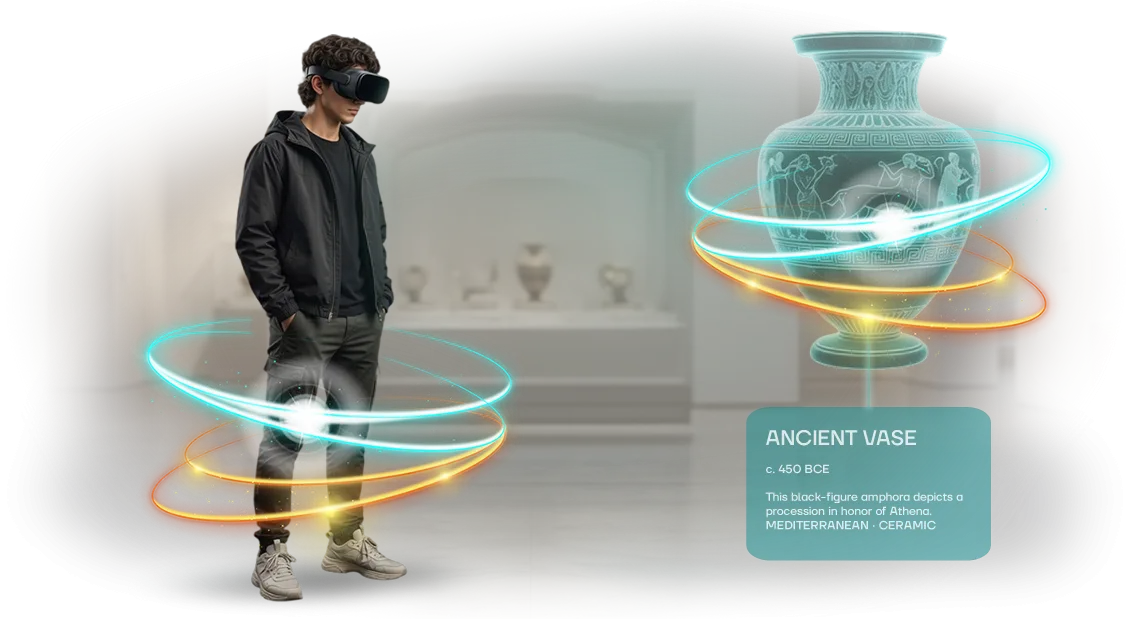
We create a VR tour for a hydroelectric power station that lets people visit the facility without being physically present: look into the turbine hall, climb to the dam, see the turbines and understand how the station works.
This isn't just a "for show" video — it's a working tool for promoting the facility that brings back interest and attracts an audience.
For the client, this brings tangible results: visitors get a vivid experience rather than dry facts from a brochure. The VR tour works around the clock with no limit on the number of viewers — it's used at events, in schools and on tourism portals.
The same digital format appeals to tourists planning a trip, to partners, and to potential investors who need to see the facility in detail.
Attracting tourists starts with emotion, not with text on a website. When a person puts on a headset or opens a 3D tour on a screen, they become part of the station for a few minutes — they hear the roar of the water and see the scale of the structures.
This experience stays with them, they share it on social media, and reach grows without an extra advertising budget.
We handle the entire process: filming, creating the interactive model, assembling it in VR format and adapting it for any device.
The client receives a finished product, not a vague "turnkey development": a clear interface, an educational scenario and a result that can be integrated into your promotion channels right away.
You keep doing your job while the virtual tour of the hydroelectric plant works for you — attracting guests, partners and attention to the facility.
What a VR Tour Delivers: Higher Attendance and Brand Trust
A virtual tour of a hydroelectric plant is a way to show the scale and safety of the facility without organizing physical tours for hundreds of guests. Visitors get a first-hand experience of the station's energy, and you get a controlled scenario that builds brand recognition.
Guests' genuine reactions and social media reach
The VR format triggers emotions that a presentation or video can't deliver. Guests share their impressions on social media — every post becomes free advertising for your brand.
Based on our experience, the number of mentions of the facility on social media grows noticeably after a VR tour.
Attendance and leads
A virtual tour works both for exhibitions and for booths at industry forums. In an hour, more visitors pass through a VR zone than attend physical tours in a day — you collect contacts right on the spot.
Requests from interested guests go into your CRM and convert into leads for the commercial department.
Trust and employer brand
A modern digital format shows that the company is looking ahead. This is a strong argument for partners and future employees: the tour demonstrates technological sophistication and openness.
We use professional equipment — the image is stable and smooth, so technical glitches don't spoil the impression of the facility.
At our team we develop VR tours tailored to business needs: from an exhibition format to a full corporate tour. We'll help you choose the right scenario and estimate the expected results.
VR Tour Formats for Hydroelectric Plants: Choose What Fits Your Task
Every hydroelectric plant is unique — in scale, access regime and objectives. That's why we've divided VR tours into three formats: 360 panoramas, an interactive guide, and a simulation.
The choice depends on your goal: to show the station to investors, train staff, or give guests a sense of presence without granting access to the facility.
| Format | Who it's for | What it gives the client |
|---|---|---|
| 360 Panoramas | Broad audience, website and social media | A quick overview of the territory from anywhere in the world. Runs on any smartphone without installing apps |
| Interactive guide | Tour groups, press tours, educational projects | Visitors choose their own route and get explanations of each unit — just like with a live guide |
| Simulation | Staff, investors, emergency services | Full immersion in the work process: gate control, emergency scenarios, a clear demonstration of safety |
360 panoramas are the fastest way to cover the need for a "business card" of the station. An interactive guide adds depth: guests don't just look around — they explore the turbine hall at their own pace.
A simulation is no longer a tour but training or a presentation with a sense of presence. We shoot on professional equipment — the image stays sharp on both a smartphone and a large screen.
Our clients use all three formats — from school excursions to reports to shareholders. We select the right option for your task or combine them in a single project so that every visit to the hydroelectric plant is manageable and predictable.
How We Create a VR Tour: 6 Steps from Brief to Launch
Developing a VR tour is not a "black box" but a manageable process. At our team,we've structured it so you can see what is happening at every stage and influence the result without diving into the technical details.
No magic and no surprises: every step is documented, timelines are clear, and approvals happen in a convenient format.
Here's how it works in practice — 6 steps from your task to the finished tour:
-
Brief and task analysis. At the start, we meet to discuss the goals of the tour, the target audience and the key facilities you need to show. You tell us what matters for your business — we propose the format and the solutions.
-
Concept and scenario development. We design the virtual tour route: which zones the user will visit, in what order, and which elements will catch their attention. At this stage you can see the logic of the future tour and adjust it.
-
Technical specification approval. We document the scope of work, deadlines and team composition. You receive a document that spells out exactly what will be created and when the result will be ready. This is the basis for project control and honest expectations.
-
3D content creation and visualization. We fill the space with details: buildings, equipment, interiors, branding. We work with professional equipment so the image is realistic and matches your materials. This is where you get intermediate versions for review.
-
VR tour assembly and testing. We bring all the elements together into a single interactive space and check that everything works correctly on different devices — from a laptop to a VR headset. We fix issues until we're sure everything runs smoothly.
-
Launch and support. We publish the tour on your website or platform, train your team if needed, and hand over instructions. We stay in touch after launch: helping with updates and technical support.
A standard project takes 2–4 weeks — the exact timeline depends on the number of facilities and the complexity of the scenario.
But it's always fixed at the technical specification stage, not "eyeballed." You know in advance when you'll receive the finished tour and which stages you'll be able to approve along the way.
What You Get in the Package: The Contents of the VR Tour
The full delivery package is a ready-made solution for launching a VR tour, not just a software file. You get the tour content, clear documentation and tools for attracting visitors. Everything you need to launch the tour as early as next week without depending on developers.
What's included in the package:
- A finished VR tour of the hydroelectric plant — several viewpoints, including areas closed to regular visitors (turbine hall, dam, control room). Guests see the station in action even if they can't physically get there.
- Several viewing modes: self-guided exploration with hints, an automatic tour and a guide's narration. You choose the format for a specific group — from schoolchildren to international delegations.
- Training materials for staff: short instructions for setup and daily use. Your employees will get the hang of it in a day, with no special training.
- Technical documentation: operation manual, room and equipment requirements, safety regulations. Everything you need for smooth operation and inspections.
- Content updates and support: we add new facilities to the tour, fix issues and adapt content to your needs — for example, for anniversaries or the opening of new workshops.
- A marketing package for attracting visitors: ready-made texts for posters and social media, teaser photos and videos. You don't have to figure out how to announce the new tour — the materials are already prepared.
With this package, you get not just technology but a working tool that delivers value right away: it makes the station more attractive to tourists and makes excursions safe and spectacular.
Case Study: VR Tour for a Hydroelectric Plant Increased Tourist Flow by 40%
We developed a virtual tour for one of the major hydroelectric power plants — let's call it "Energy HPP".
Before that, tourists could visit the facility only as part of rare tour groups, and due to security restrictions and the station's remote location, the flow was small. The task was simple: let everyone who wanted to see the plant do so without compromising safety.
We created an interactive 3D tour of the station's key points: from the turbine hall to the observation deck. Inside the tour — a story about how the hydro units work, the history of construction and panoramas that can't be seen from the ground.
For the client, this became a ready-made tool for receiving guests and promoting the tourism product.
What changed after launch
Three months later, tourist flow to the plant was up 40%, and the number of requests for real excursions grew by a factor of 1.6.
The virtual tour became the first stage of getting to know the facility: website visitors first explore the 3D format and then sign up for an in-person visit.
Project payback
The tour paid for itself in four months. The savings are in logistics and safety: there's no need to organize the movement of large groups through an operating plant. At the same time, the digital format works around the clock and is not affected by weather.
The client has already ordered a second stage — a VR version for corporate events and presentations. This confirms that the interactive format has become part of the tourism strategy, not a one-off experiment.
How to Choose the Right VR Tour Format for Your Tasks?
Choosing a VR tour format starts not with technology but with a question: what exactly do you want to show your employees, partners or facility guests? If the goal is to give a general sense of the plant's scale, a panoramic overview of key points will do.
If you need to train staff to respond to emergency situations, you'll need an interactive scenario with decision-making options.
The second criterion is depth of immersion. For public events and presentations, an overview tour that runs on any laptop and doesn't require special equipment is enough.
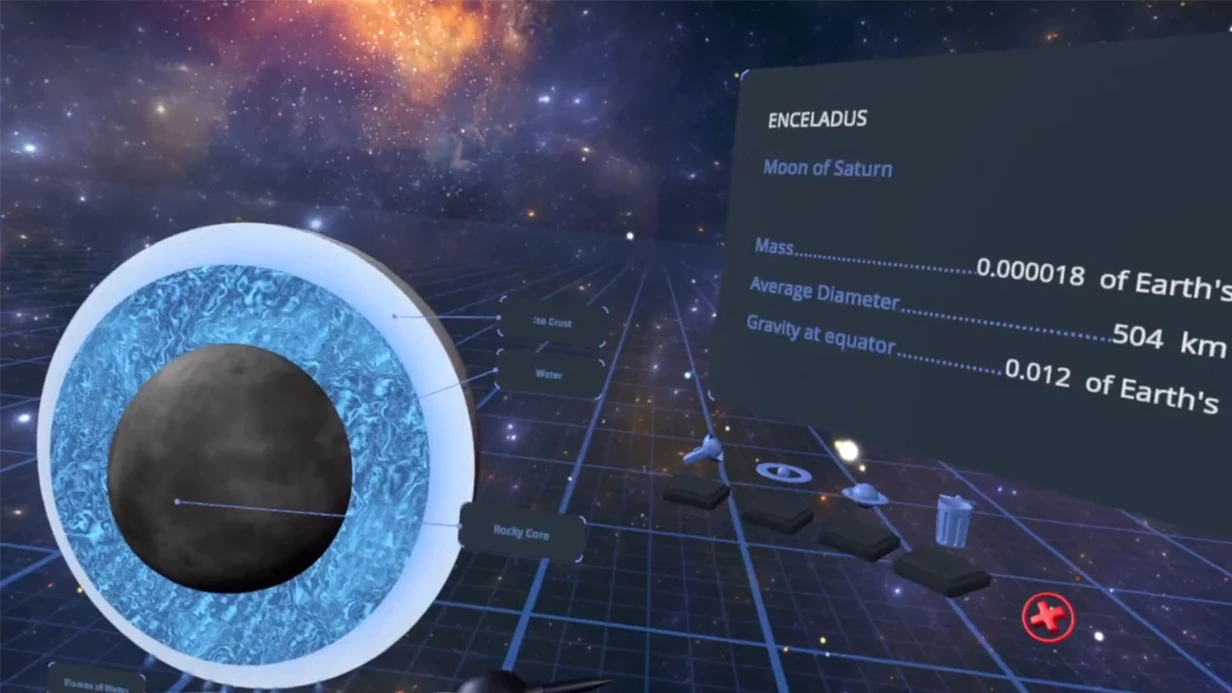
For training and technical audiences, it's better to choose a detailed 3D model that lets you "enter" restricted areas and examine components and mechanisms. This is especially important for hydroelectric plants, where access to the real facilities is limited.
The third point is the quality and stability of the result. Professional filming and refined assembly tools deliver smooth visuals without freezes even with a large number of simultaneous users.
The server architecture must handle peak loads — for example, during a live-streamed tour at a conference. If the contractor guarantees stability, you're not putting your reputation at risk in front of an audience.
The fourth criterion is the potential for growth and analytics. A good platform lets you track which areas generated the most interest and how much time users spent in the tour.
This data helps you understand what to improve in future versions and how to adapt it to different audience groups. It's also important that you can add new scenes to the tour without a full rebuild of the project.
And finally, the contractor's approach. Ask for a portfolio of similar industrial facilities, find out how the site visit will work and who is responsible for the content.
An experienced provider will offer a format that fits your task and explain why it's more effective than others. The key signal is when you aren't sold a "universal solution" but get a scenario designed around your specific goals and audience.
The right choice isn't the most expensive option — it's the one that solves your problem from the first showing.
Frequently Asked Questions About VR Tour Development
Most questions about VR tours for hydroelectric plants revolve around timelines, complexity and compatibility with existing equipment. It's better to get answers to these concerns before you start, so you understand how the project will fit your schedule and budget.
Below are the most common questions — short and to the point.
How long does it take to create a VR tour of a hydroelectric plant?
A standard project takes 2 to 4 weeks: in the first week we conduct the brief and gather source data, then model the key areas and run tests. The exact timeline depends on the number of facilities and the level of detail — we fix it in the contract before work begins.
If an event is approaching, there's an express format: a basic tour of the station's key points can be created in 5–7 working days.
Will guests see the tour on their phones or do they need an expensive VR headset?
We build a universal version: the tour looks equally good on a computer, tablet, smartphone and VR glasses. For mass events, screens or tablets are usually chosen — guests don't need to put anything on, they simply swipe and move around the facility.
And if you already have VR headsets, we can add a full-immersion format at no extra cost for adaptation.
How hard is it for an unprepared person to navigate the virtual station?
We design the interface as an intuitive route: arrows, highlighted transitions and short hints guide guests from one area to the next. A person with no experience gets the hang of it in 30 seconds, and the guide can control the scenario from a tablet if needed.
This format works for both children and official delegations — everyone gets an equally positive experience.
What if the facilities at the station change or new content appears?
The tour is built to be easily updated: we include an administration module so you can change texts, names and descriptions of facilities yourself. To add new areas or change the layout, just send us a request — we make the edits and return an updated version.
We keep the content updated throughout the project's lifecycle so the tour never becomes outdated.
Who's responsible if something goes wrong at an event?
Before launch, we run a technical dry run on your equipment and test all scenarios together with you. On the day of the event, we stay in touch with your team and, if needed, connect remotely and resolve the issue within minutes.
Basic technical support is included in the project, so you focus on your guests while we handle stability.
If you still have questions about timelines, formats or compatibility, write to us — we'll send a clear answer and an estimate for your project.Order a VR Tour for Your Hydroelectric Plant and Get Your First Leads in 2 Months
Ordering a VR tour for a hydroelectric plant isn't a lengthy tender process or a complex integration. Just leave a request — and within the same day we'll contact you to clarify the objectives and calculate the cost.
From there, the work follows a clear timeline. You always know what's happening and when the first results will appear:
- Day of request — we call you back and discuss the goals of the tour: educational, image-building or career guidance.
- 2–3 days — we send you an estimate and a work plan, fixing the timeline and responsibilities.
- Week one — we visit the site, shoot the key areas and prepare 3D models.
- First month — we assemble a draft version of the VR tour in the browser; you review it and make comments.
- Second month — we publish the final version, train your staff and hand over the links for distribution.
- After launch — we stay in touch: update the content, add new facilities and help with website integration.
Why start now? While competitors are still sizing up the VR format, you have the chance to claim the space first.
Guests, partners and schoolchildren will remember your hydroelectric plant as a modern and open facility, not as "just another forgettable booth." We take care of all the technical details — from shooting to optimization for smartphones and headsets.
Leave a request on the website — we'll call you back within an hour, answer your questions and prepare a preliminary estimate. The decision is yours, but you can get your first visitor leads in just two months.