

How to Turn a Historic Site into a Living Online Magnet for Guests
Even the most atmospheric historic site today risks going unnoticed if it has no digital presence. Potential guests look for experiences before their trip: they watch videos, read reviews, and study routes.
When they can't find a lively interactive format, they switch to more "accessible" locations. The unique history stays in the shadows, and the museum loses visitors and ticket revenue.
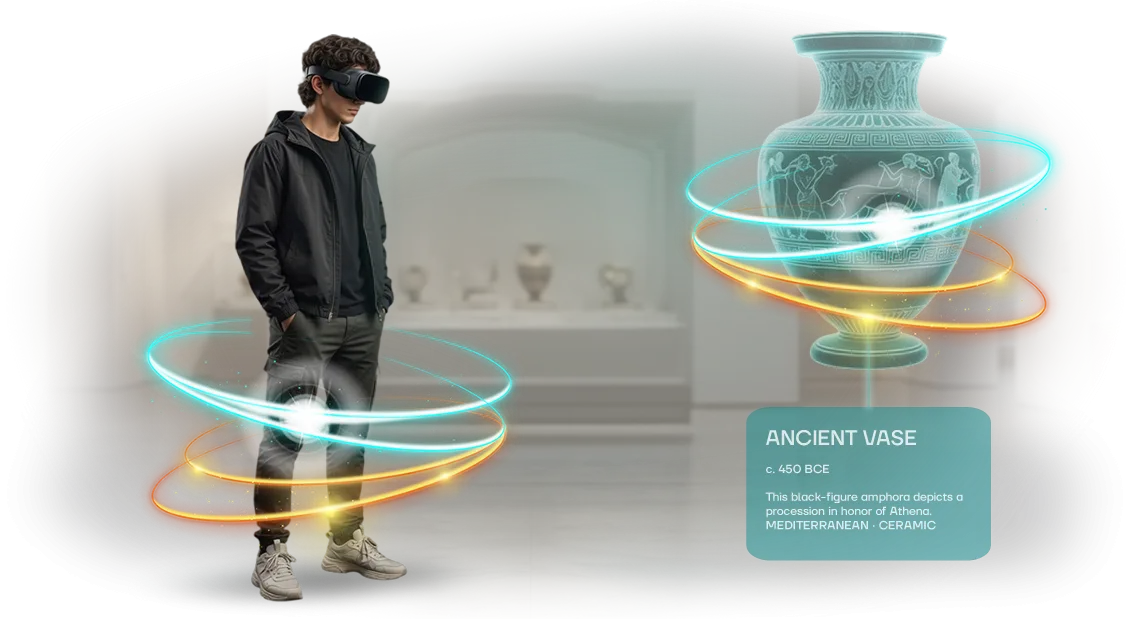
A virtual tour solves this challenge: it brings the atmosphere of a historic site to smartphone and computer screens, making the exhibition accessible anytime and from anywhere in the world. Instead of flat photos — three-dimensional spaces that can be explored just like in real life.
An interactive guide accompanies guests through halls and streets, tells stories, and brings past events to life — creating an emotional connection with the place even before a physical visit.
For the site team, this is a reliable visitor acquisition channel: a digital museum never closes at night, doesn't depend on weather or season, and its exhibits can "travel" to temporary exhibitions, schools, and corporate events.
People share links to virtual walks, tag geolocations, and plan group visits. This is how a historic site turns into a living online magnet that brings guests offline too.
In this article, we'll cover what such a tour consists of, how it's created, and which formats deliver maximum results for your site.
What a Virtual Exhibition Brings to Your Project and Team
A virtual exhibition is not just an online copy of the display — it's a working tool that delivers concrete benefits to historic site organizers. It solves several tasks at once: expands reach, strengthens image, and collects visitor inquiries.
Borderless Reach Growth
A virtual exhibition works not only during venue opening hours — it's available 24/7 from anywhere in the world. Visitors who couldn't travel get a full tour, and you get a new audience beyond your city.
This format multiplies reach: regular guests are joined by people from other regions and countries. Each of them gets to know the brand and is more likely to make an offline visit later.
Modern Image and Trust
A virtual tour immediately shows that the project is evolving and cares about its visitors. This positions your brand as tech-savvy and modern, sets you apart from competitors, and provides news hooks for social media and press.
Emotionally, such an exhibition builds more trust: guests see that you invest in their experience. That means higher loyalty and willingness to recommend you to others.
Inquiries and Convenience for the Team
Inside the virtual space, you can place feedback forms: booking an in-person visit, asking questions, and subscribing to news. Visitors don't need to look for contacts on the website — everything is in one place.
The organizer receives ready-made inquiries and understands what the audience is interested in. Updating the exhibition requires no physical rework: descriptions can be changed easily, new objects or highlights can be added. This saves the team time and resources.
Virtual Exhibition Formats and 3D Showrooms for Client Needs
When do you need a virtual tour to show a space, and when a 3D showroom to examine a product? Each format solves its own business task: one increases reach, another boosts conversion, and a third creates emotional engagement. An error in format selection means a wasted budget and weak results.
We help you choose the right format for your goal — from a panoramic online tour of a historic site to an interactive product demonstration. The table below lists typical scenarios where our clients get concrete benefits.
| Virtual exhibition format | Who it suits | What the client gets |
|---|---|---|
| Virtual tour of a historic site | Museums, parks, tourism destinations | 24/7 access, visitor growth without the cost of expanding physical space |
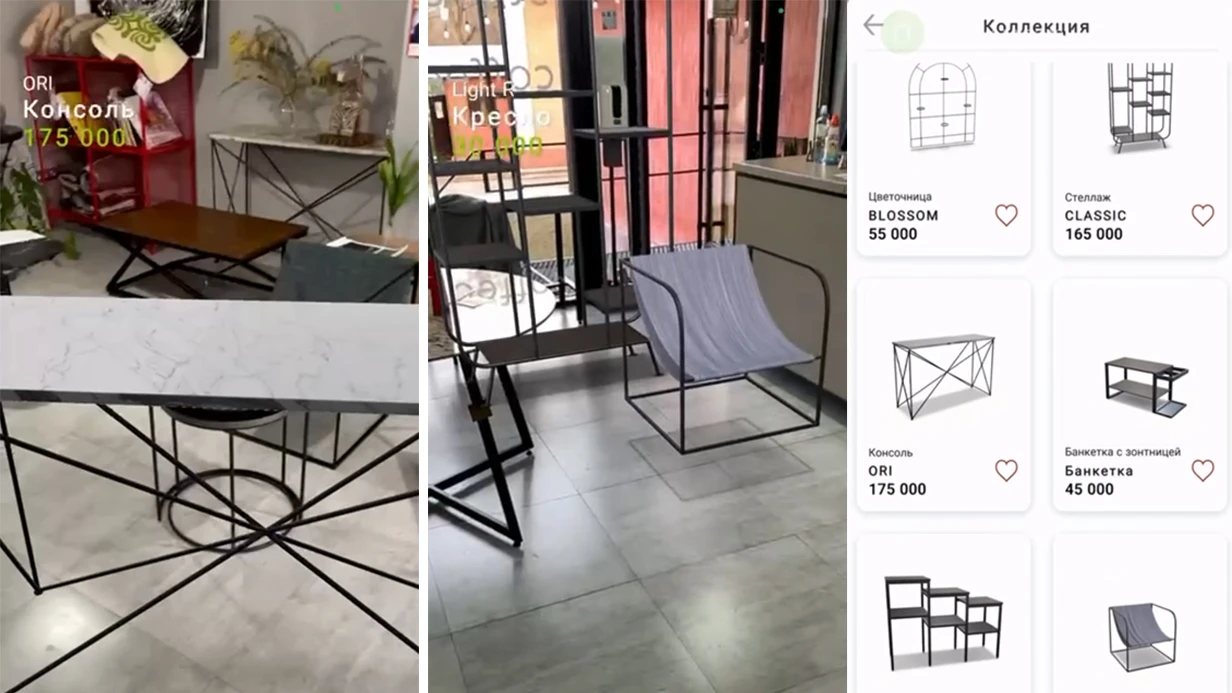
| 3D product showroom | Manufacturers, furniture and appliance showrooms | Detailed product inspection, fewer returns, more orders from other regions |
| Online guided tour | Event agencies, educational projects | Ticket sales regardless of geography, group sessions for schools and companies |
| Immersive VR tour | Festivals, historic venues | Vivid emotions, viral reach through a unique guest experience |
| Online archival exhibition | Cultural institutions, archives | Heritage preservation, access for people with disabilities |
How to Choose a Format
Choosing a format isn't about technology — it's about your goal. Want to introduce people to a place — go with a virtual tour; sell a product — a 3D showroom; create an event — an online guided tour.
We'll analyze your task for free and propose the optimal solution that fits your timeline and budget.
How Virtual Tour Development Works: From Brief to Launch
Developing a virtual tour for a historic site is not a "black box." We've structured the process so that at every stage you understand what's happening and control the result.
The development stages are transparent and predictable: from the creation brief to the virtual tour launch and ongoing project support.
-
Creation brief. We define the tour goals, target audience, and key points of attraction. You tell us what's important to show and what result you expect — we turn that into a technical specification and timeline.
-
Plan and script. We map out the movement route, place emphasis on landmark objects, and decide which interactive elements will appear alongside them. Your feedback at this stage helps us meet expectations right away.
-
Layout approval. We create a visual prototype: how the rooms, transitions, and information boards will look. You make edits before the main development begins — this saves time and prevents rework at the finish.
-
Implementation. We model the space, fill it with details, and add interactivity. We show intermediate versions so you can see the project come to life.
-
Virtual tour launch. We test performance on different devices, fix any issues, and publish the tour where it's convenient for your visitors: on the website, on social media, or via a direct link.
-
Project support. We stay in touch: update content, add new points, and resolve technical issues. Your visitors always get a stable, up-to-date tour.
This sequence lets you control every stage and see the result before final delivery. Meanwhile, you don't spend time on technical details — you focus on your site, and we're responsible for quality and deadlines.
What's Included in a Virtual Project: Client Delivery Package
When you order a virtual exhibition or 3D tour of a historic site, the result isn't just a link to open. We deliver a complete project with management tools and support so you can use it without developer involvement. Here's what the delivery package includes.
- Ready-made virtual tour — the historic site is fully digitized: panoramic views of the grounds, halls, and key objects are combined into a single scenario. Visitors move between points, open historical notes and archival photos — everything works right after opening the link.
- Admin panel — an intuitive interface where you can change exhibit descriptions, add fresh photos and videos, and publish announcements and news. All changes are saved with one click, no programmers or intermediaries needed.
- Client training — we run an individual session for your team: we show how to work with the panel, update content, and use the analytics. After that, your staff can run the project independently and keep it up to date.
- Technical support — for an agreed period, you get a dedicated contact. We help with access setup, answer questions about tour operations, and quickly resolve any issues that arise.
- Website and social media embedding — we prepare the embed code and configure the display to match your site's style. The tour link can be shared in messengers and newsletters — visitors don't need to install anything.
- Device adaptation — the tour opens correctly on smartphones, tablets, laptops, and desktops without installing apps. Every visitor, no matter where they come from, lands directly in the tour and can walk through it.
- Visit analytics — the panel includes baseline metrics: how many people opened the tour, how long they spent, and which locations were viewed most often. This data helps you understand audience interest and grow the historic site.
Case Study: How a Virtual Tour Brought a Historic Site to Life
Imagine a historic site known only to local residents. That was the case with one old estate until we created a virtual tour with elements of 3D reconstruction for it.
The idea was to give potential visitors a chance to "walk" the grounds before arriving — that's how interest and the desire to see everything in person are born.
Within two months of the virtual tour launch, excursion bookings nearly doubled. The museum started receiving inquiries from other cities and even other countries — tourists simply hadn't known about it before. The project example showed: a digital showcase works for reach, not just a one-time impression.
Results for the Museum
- Visitor growth among younger audiences — up to 30% of guests came after the online tour.
- Average visit duration increased by 20–30 minutes: people come not to "check a box" but to experience the route.
- Repeat order: the museum ordered an additional tour for its children's program three months later.
Here's how the estate director assessed the changes: "The Old Mill" — "Before, people found us only through word of mouth. The virtual tour became our business card site, a portal into history.
Guests arrive with curiosity already sparked, ask deep questions, and stay longer. This is exactly the audience we work for."
How to Choose a Format for Your Task and Budget?
You don't choose a virtual exhibition or 3D showroom format "by looks" — it's defined by your goals and audience. If the task is to introduce a wide audience to a historic site and spark a desire to visit, you need a panoramic VR tour focused on atmosphere.
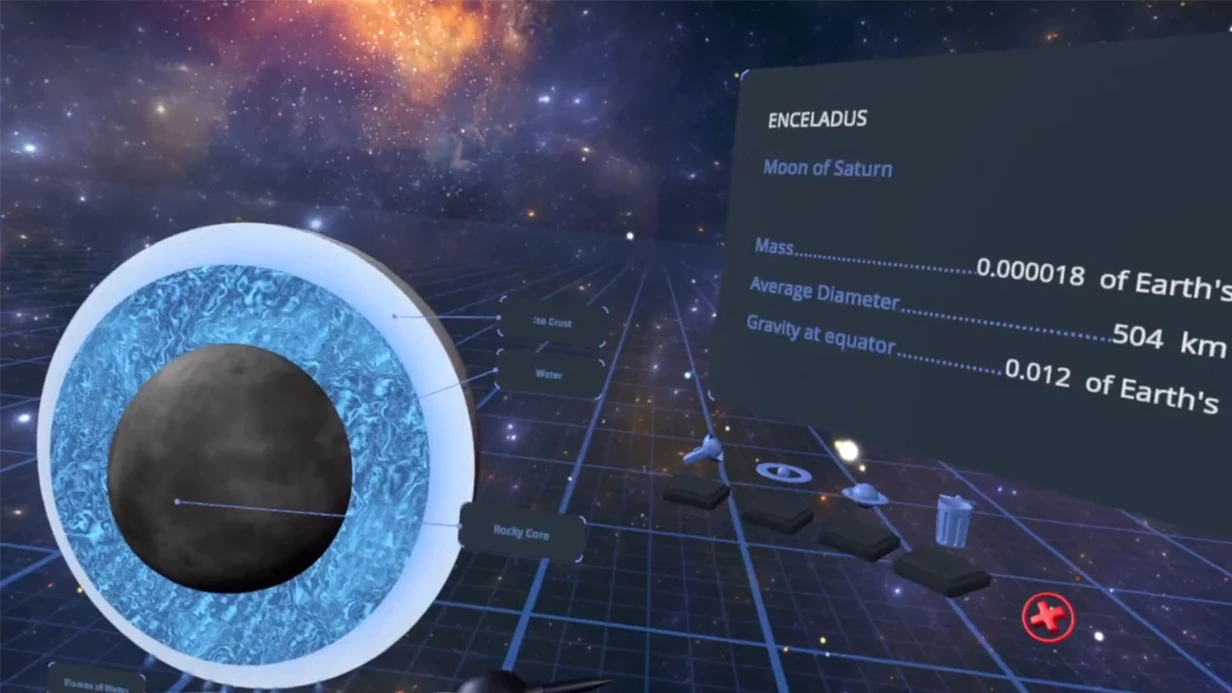
If the goal is to show details, exhibits, or heritage objects and hold the attention of specialists, an interactive showroom with viewing points and reference notes fits better.
That's why we start solution selection not with the budget but with a question: what should visitors do after viewing — remember the place, study the details, share the link, or book a visit?
Each goal maps to its own format: a panoramic tour, an interactive map with historical reconstruction, or a detailed 3D tour with an audio guide. This approach keeps you from overpaying for unneeded features and delivers results that work toward your metrics.
The final cost consists of three components: the number of historic site objects, the level of detail, and the interaction scenario.
To estimate the project budget, just send us a list of locations and a description of your target audience — we'll offer 2-3 implementation options with different scope and timelines.
To save you from guessing which format fits your task, we offer a free consultation: we analyze the exhibition goals, audience, and client expectations, then give a format recommendation and an honest budget range. This takes about an hour and doesn't obligate you to place an order.
Frequently Asked Questions Before Ordering a Virtual Exhibition
Every project starts with questions — that's normal. A virtual exhibition for a historic site is tied to your reputation, so it's important to understand timelines, update conditions, and what happens after launch in advance.
We answer the main client concerns. Other common questions are covered in the blocks below — click the one you're interested in to expand the answer.
How long does virtual exhibition development take?
A standard project takes 3-6 weeks from brief approval. The timeline depends on the number of objects, the detail level of the 3D models, and the depth of interactivity.
If the exhibition needs to launch by a specific date — allow 1-2 weeks of buffer for testing and final polishing.
Important: we work in stages and approve each phase with you. You always see intermediate results instead of getting a "pig in a poke" at the end. The exact schedule is fixed in the contract right after the brief.
Will we be able to update content after launch?
Yes. We hand over an easy-to-use admin panel where you can change exhibit descriptions, add photos, videos, audio guides, and news — without developer involvement. Panel training is done in one short webinar.
System updates and technical support are included in the plan. You're not left alone with the project — a dedicated manager is assigned to you and available at any time.
What happens if a technical failure occurs during an event?
We design the system with a safety margin. All materials are hosted on fault-tolerant server architecture, and the tour itself works correctly even with an unstable internet connection — part of the data loads in advance.
Before a critical launch, we run load testing, simulating simultaneous visitor connections. If a failure still occurs — our team is on call on the day of the event and resolves the issue remotely right away.
What if visitors don't have powerful devices or fast internet?
We adapt the virtual exhibition for different devices: modern smartphones, tablets, and laptops. The system automatically adjusts graphics quality so the tour runs smoothly even on average hardware.
For visitors with a weak connection, we create a lightweight version — it opens faster without losing substance. This way, audience reach is as wide as possible.
Who owns the rights to the project and source materials?
You do — fully and indefinitely. After paying for all stages, you receive the project, all created 3D models, and graphics. You can use them anywhere — on your website, on social media, on other platforms — and bring in any contractors for further development.
The contract specifies a complete list of transferred rights. No hidden licenses or usage restrictions — we operate honestly and transparently.
If you didn't find the answer to your question — write to us. We'll share the details for your project and send examples of similar solutions for historic sites.Leave a Request — We'll Develop a Turnkey Virtual Exhibition
A virtual exhibition for a historic site is a way to show the venue to a wide audience without limiting it to opening hours or physical accessibility. Visitors can "walk" through the halls, examine exhibits in detail, and return at any time — from any device.
It works as an educational format, a tool for attracting tourists, and a reason to visit the real place.
We take the project turnkey: from idea and capture to launch and support. You don't need to dive into technical details — you get a ready-made virtual tour that just needs to be placed on your website or in partner materials.
Leave a request, and we'll contact you within one business day, calculate the project, and propose a preliminary plan tailored to your site's specifics.
What you get right after your request:
- consultation on the virtual exhibition format for your site;
- timeline and cost estimate for your task;
- a preliminary plan for shooting, walkthrough, and exhibition structure;
- recommendations on using the finished tour for tourism and marketing purposes;
- examples of work for similar historic sites;
- clarity on how to integrate the virtual tour into your current promotion channels.
Turnkey development includes all stages: preparation, shooting, processing, assembly of the interactive space, and launch. We're responsible for the result and stay in touch after project delivery — so we can add points of interest, fix descriptions, or help update materials.
To order a virtual exhibition, leave a request: fill in the form on the website or message us in a messenger. We'll send a project estimate and preliminary plan — with no obligation on your part, just so you understand how it fits your budget and timeline.