

Visitors Aren't Reaching Your Park-Museum? How to Fix It
A park-museum may have a rich collection and a unique atmosphere, but visitor flow remains unstable. The reason is almost always the same — potential guests don't understand what they'll see inside and don't get enough of a reason to come.
As long as the exhibition exists only in offline space, people discover it by chance or through word of mouth, and that isn't enough in a highly competitive leisure market.
Today, people first seek experiences on the internet and only then plan their route. If a park-museum isn't present where the decision to travel is made, it silently loses an audience that's willing to pay for emotions.
A modern format is an opportunity to show the space before the visit, remove the barrier of the unknown, and turn casual interest into a deliberate desire to come.
An online tour and a virtual tour solve this problem at exactly that moment. In a few minutes, guests see the halls, key exhibits, and the logic of the route — and they form an image of a place worth visiting.
This sparks interest, helps plan the trip, and reduces the fear of "wasting time." For the park-museum itself, such a tool works as a permanent showcase, available 24/7 with no days off and no ticket booth.
We help close the gap between the real value of your exhibition and how future guests perceive it. We create virtual tours that hold attention, make people want to share them, and systematically increase visitor flow through clear digital presence.
What Benefits a Virtual Tour Brings to Your Venue
A virtual tour is the shortest path from discovery to a real visit. Even before the trip, guests can stroll along the alleys, look into the halls, and assess the scale of the exhibition.
This preliminary visit removes barriers and doubts — and therefore increases the likelihood that a person will come to your park-museum in person.
A virtual tour also works as a tool for growing recognition. It gets shared on social media, placed on travel company websites, and shown at events.
Every link leads to your venue, expanding the geographic reach of your audience and reminding people about you without an extra advertising budget.
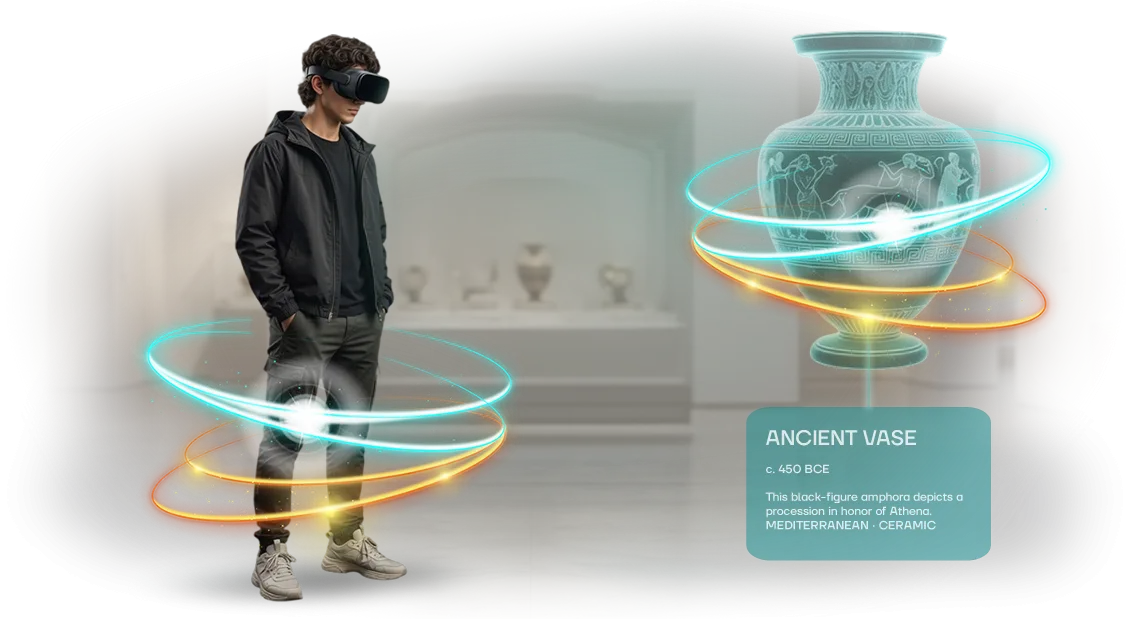
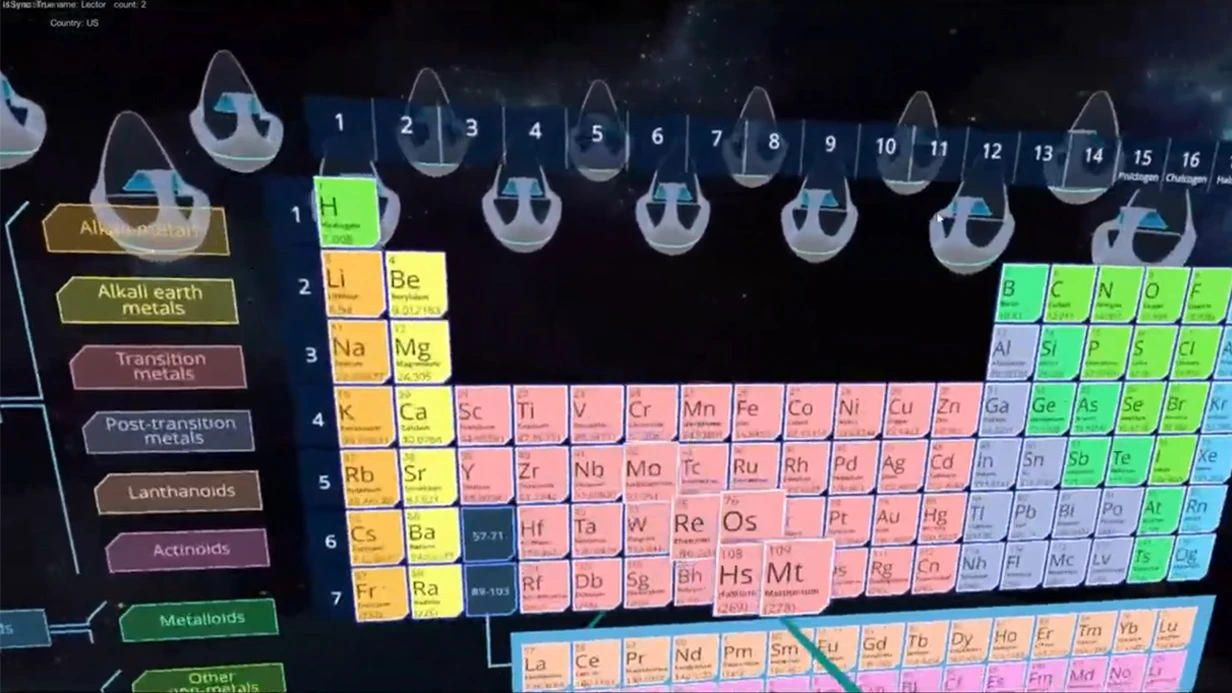
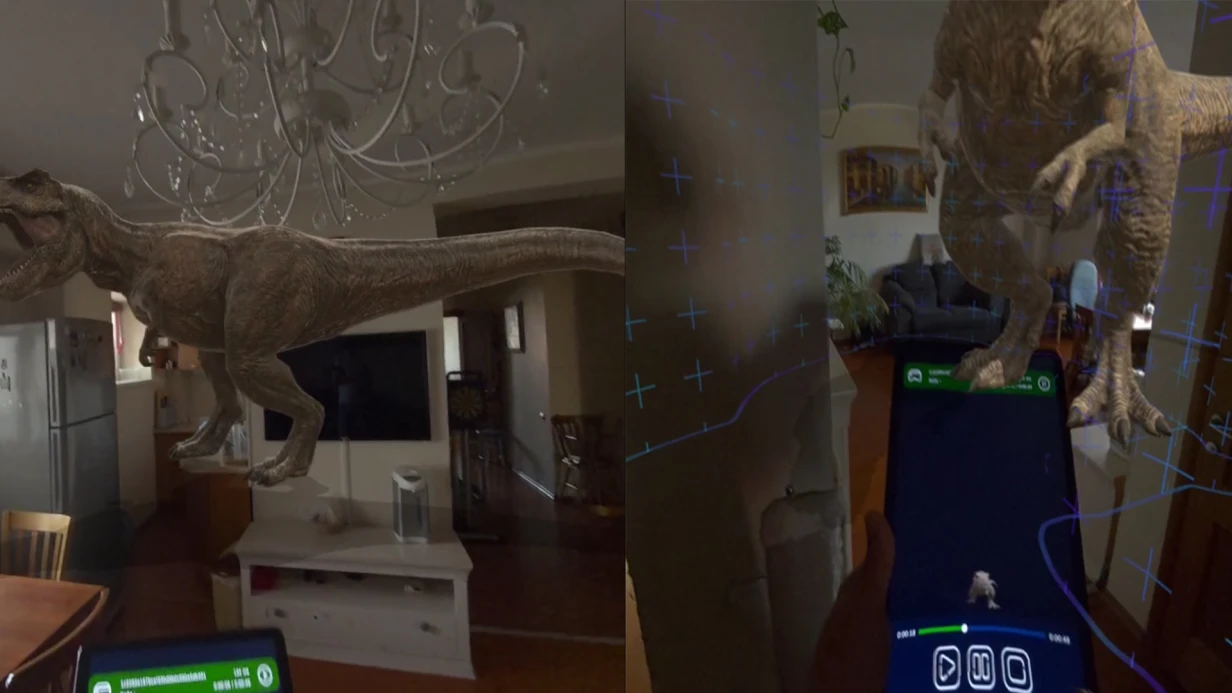
Instead of static photos, guests get an interactive space: they can examine details, pause at their favorite spots, and even mentally plan their visit.
The more time people spend inside the tour, the deeper their engagement with the park's life, and the higher the chance they'll return and bring friends.
Remote access opens the park-museum to those who can't visit in person: school groups, tourist groups, and people with limited mobility. The tour is available around the clock and from anywhere, so information about your venue spreads even without your involvement.
The bottom line is simple: a virtual tour combines guest attraction, venue recognition, and audience engagement in a single tool. It works constantly, requires no physical presence, and helps fill your halls with new visitors.
Let's create such a tour for your park-museum — with precise details and the atmosphere of the place.
Virtual Tour Formats for Different Tasks
The format of a virtual tour determines exactly how a visitor will get to know the park-museum: quickly survey the grounds or immerse themselves in the atmosphere.
Choosing the right format isn't a matter of technology — it's a matter of the task: attract a new audience, hold attention, or nudge toward a real visit.
| Format | For whom | What it gives the client |
|---|---|---|
| Panoramic tour | Park-museums, open-air museums, tourist routes | Quick overview of the grounds, clear presentation, growth in reach and recognition |
| Interactive tour | Educational programs, tour operators, excursion bureaus | Deep engagement with exhibits, visitor involvement, higher conversion to real visits |
| VR tour | Events, presentations, open houses | Full-immersion effect, memorable experience, a vivid news hook |
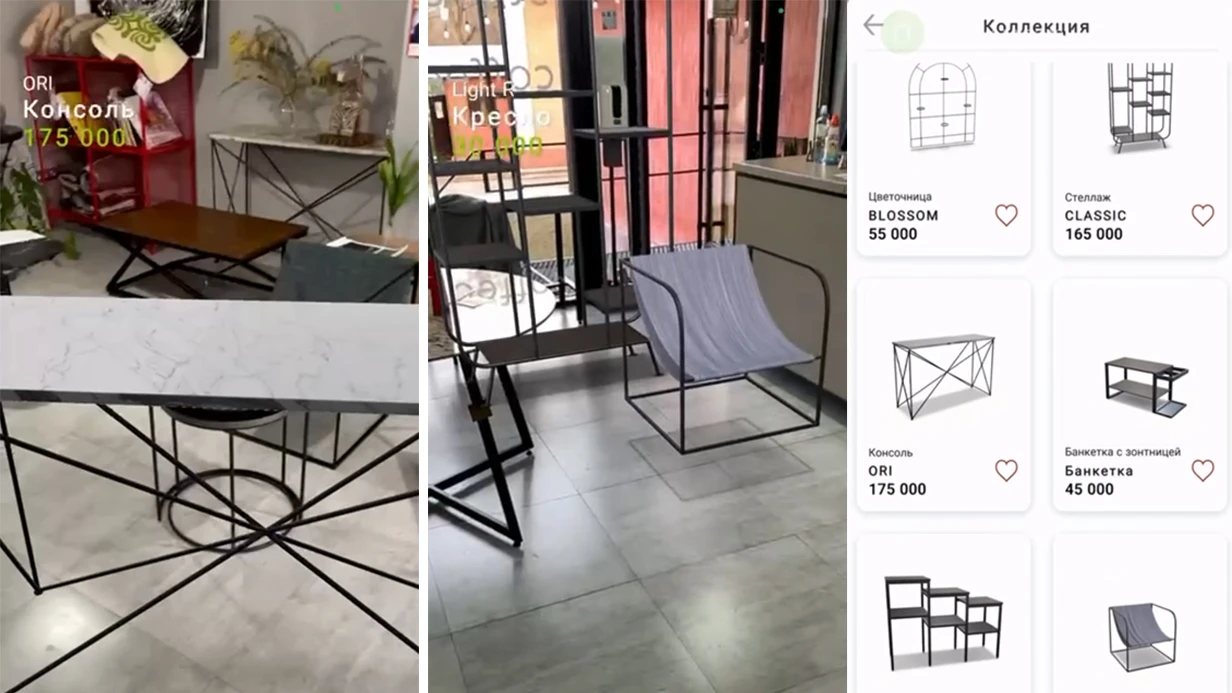
| 3D showroom | Exhibition projects, commercial venues | Detailed demonstration of objects, longer interaction time, sales support |
A cheat sheet for choosing: if the main task is to tell the broadest possible audience about the park-museum, a panoramic tour fits. If you need to hold attention and show the value of the exhibition — choose an interactive tour.
And when the park-museum becomes part of an event, a VR tour creates an emotion guests will remember. We'll match the format to your goals and help you launch the project without unnecessary costs.
How a Virtual Tour Project Goes from Brief to Launch
Any virtual tour project starts with questions: what to show, who needs it, and what task the tour solves. We've structured the process so that at every stage you understand what you're getting and can influence the outcome.
- Brief for the tour. We discuss the goals: attract new visitors, show the exhibition to those who can't come, or build a base for email campaigns. We record the key route points and the most important objects.
- Territory analysis and scenario. We study the museum, park, or exhibition space and choose the movement logic. We develop a scenario: where the tour begins, what we display, and where we place information markers and hints.
- Scenario approval. You receive a text description of the route and interaction logic. Edits are made before production begins — this saves time and makes the result predictable.
- Creating the virtual space. We assemble panoramas, process images, and add 3D elements and the interface. At this stage, you see intermediate versions and evaluate how the tour looks through a visitor's eyes.
- Tour launch. We place the tour on your website, connect the "Start" button, and set up data transfer. We verify it works on different devices — from smartphone to VR headset.
- Support and development. After the launch, we don't walk away: we update content, add new objects, and monitor stability. You can reach out for refinements at any time.
This approach delivers a clear result: you get not just a video, but an interactive tool that strengthens interest in the park-museum and brings in new guests.
What's Included in Delivery and Support
When you order a virtual tour, it's important to understand what you'll receive in the end.
Along with the finished interactive tour, we provide a complete set of documentation and training materials — everything your team needs to use the product independently, update it, and integrate it into your promotion channels. The scope of work is fixed in the contract, so you know exactly what's included in the delivery.
The final package includes:
- A ready-made virtual tour, adapted for the website, social media, and tablets — visitors can view it without installing apps.
- Detailed instructions for your team: how to open the tour, embed it on a page, change a description, or add a new point.
- Staff training in the form of a short hands-on workshop — administrators and guides will learn to work with the tour and assist visitors.
- Access to content editing through a simple admin panel, so you can change texts, photos, and videos on your own.
- An analytics system: view counter, depth of exploration, and guest geography — all statistics in a clear visual form.
- A project passport with source files and rights — your marketing department can hand the tour over to contractors or developers.
- Technical support for the maintenance period and a guarantee of stable service performance.
Staff training runs on a schedule convenient for your team. We send the session recording and a cheat sheet, so even a new employee gets up to speed quickly — no need to wait until they figure everything out on their own.
Analytics lets you evaluate the tour's real value even before the exhibition ends. You see which exhibits draw more attention and how much time guests spend in each zone — based on this data, you can easily refine the exhibition and boost interest in the exhibits. So you get not just a pretty picture, but a working tool for managing audience attention.
How a Virtual Tour Increased Guest Flow: An Example
We created a virtual tour for the park-museum "Zapovedny," which had previously relied only on traditional advertising. Its tours were high-quality, but few people knew about them outside the region.
The task was to show the park to those who hadn't yet decided to come and turn the website into a source of real guests.
We prepared an online overview of the grounds with key routes and an audio guide. A visitor can "walk" along the alleys, look into the exhibitions, and see the views from above — without ticket queues or booking. This isn't a replacement for a live visit; it's an invitation to one.
What Changed After the Launch
In the first three months, 25 thousand online visitors watched the tour, and half of them were in other cities. The number of real guests grew by 30% compared to the period before the launch.
The average time spent exploring the exhibition was 7 minutes, and one in four viewers returned to the tour before planning their trip.
Park staff note: people increasingly say they saw the grounds in advance and arrived with a clear purpose.
How This Affected Marketing
Analytics showed that a quarter of new guests learned about the park through the online tour. After that, the museum redirected part of its promotion to the virtual format — and got a fresh surge of bookings without conventional advertising. That's a direct indicator: digital experience drives live visitor flow.
The park uses the tour as a permanent tool and plans to develop this direction — it has already ordered an additional VR section for the closed exhibition. For us, such a repeat project is the best confirmation of the result.
That's why before the launch we record the current metrics, and afterward we show the growth of online visitors and the change in real bookings. You see not a "pretty picture," but the tour's contribution to your business.
How to Choose a Tour Format for Your Park-Museum's Goals
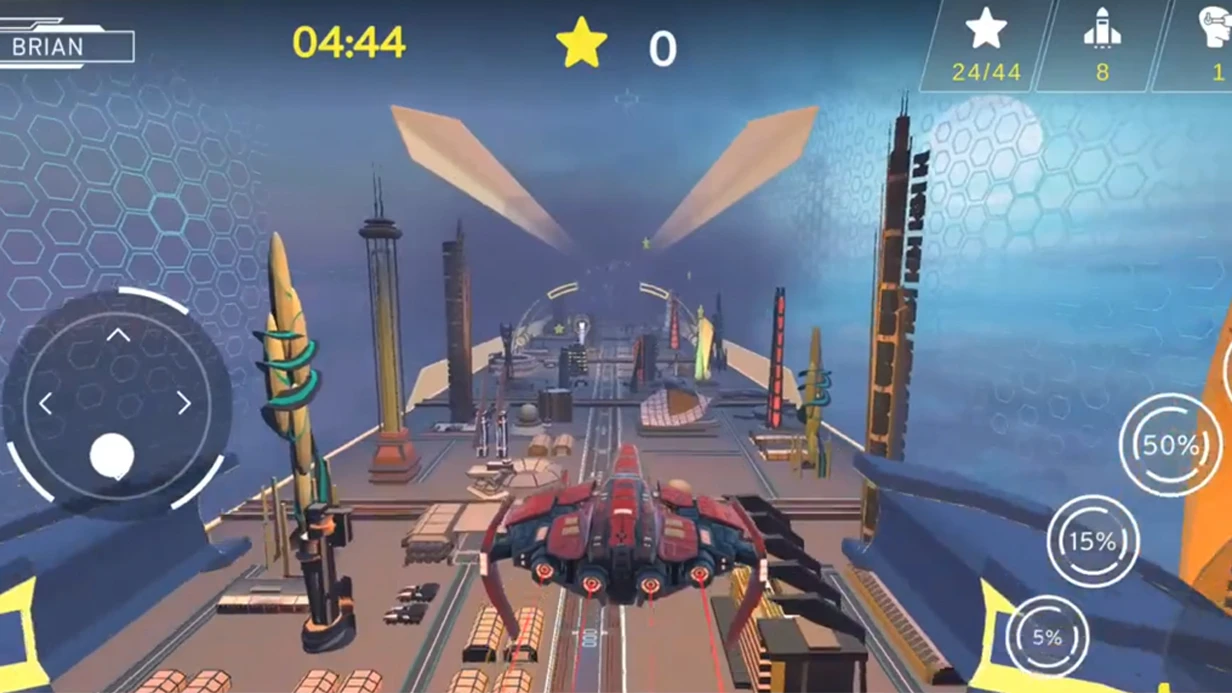
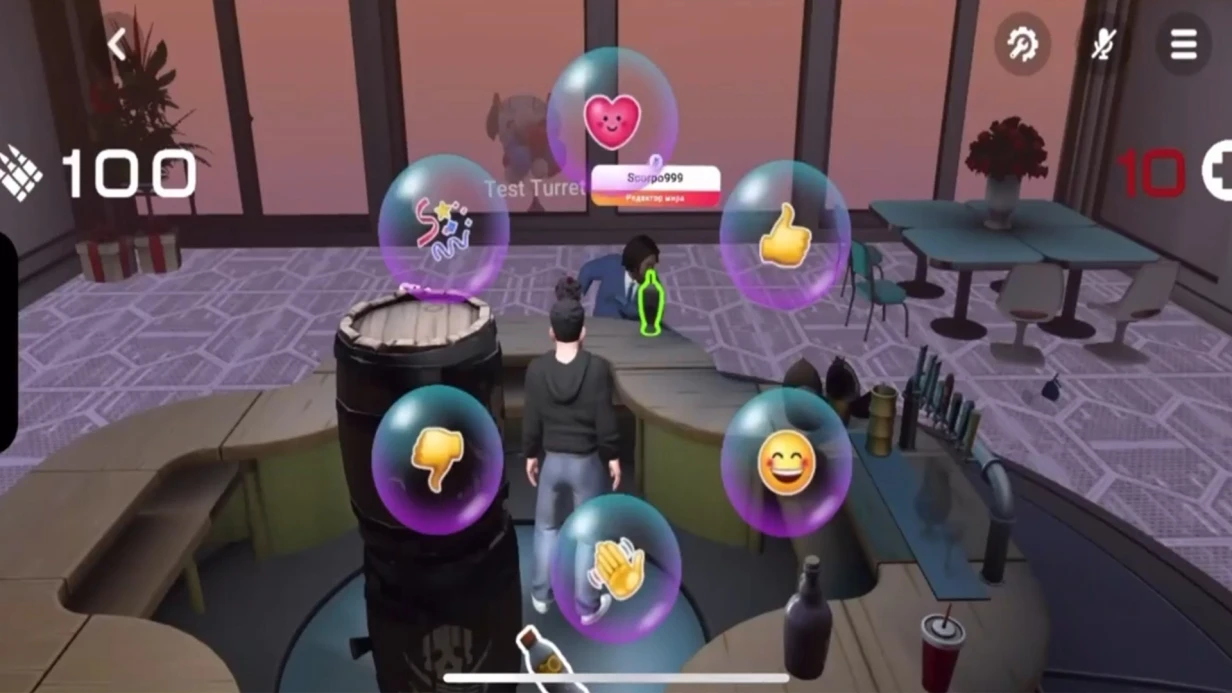
There's no universal format — the choice depends on the park-museum's goals. If the goal is to attract a young audience and boost recognition, an interactive VR tour with game elements is a good fit.
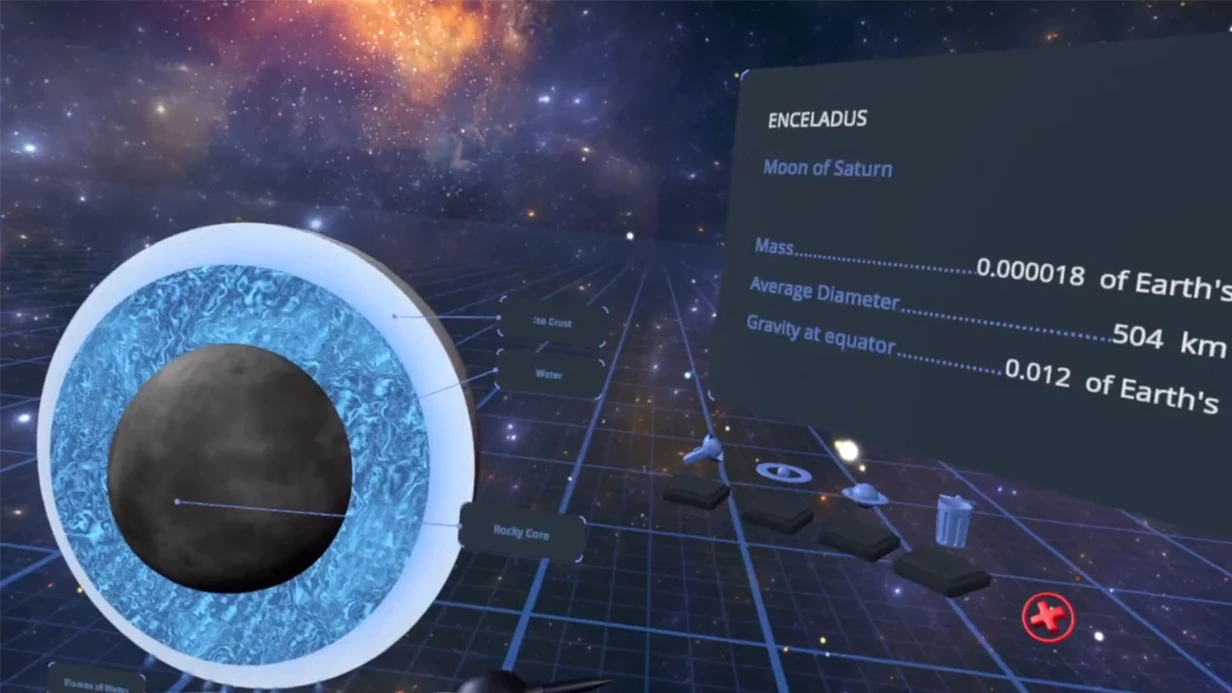
For educational programs, a classic 3D tour with an audio guide and reference points works better. And for an exhibition that needs to be shown to remote partners, a virtual showroom with live guide support is ideal.
Start by answering three questions: who your audience is, what emotion or knowledge a visitor should take away, and where the viewing will happen — in the museum hall, on the website, or on social media. The depth of immersion, duration, and method of interaction depend on this.
We help with the tour selection as early as the brief stage: we analyze your audience, goals, and platform constraints to offer a format that solves your problem rather than just looking impressive.
Timeline and budget also influence the choice. If you need to launch before the season opening or a major event, we choose a simpler format with fast implementation. If the goal is a long-term exhibition, we invest in detail and interactivity.
Either way, you get a clear plan and an accurate estimate before the work starts: no hidden stages or surprise surcharges.
To make a decision, simply book a free consultation — tell us about your goals, and we'll propose 2-3 suitable options with timelines and expected results. Over 10 years, we've delivered projects for various museums and know what worked well and what turned out to be unnecessary. We'll find a format that sparks visitor interest and pays off your investment.
Frequently Asked Questions About Virtual Tours
Before launching a virtual tour, clients raise the same concerns — from timelines to visitor safety. Below we answer the key questions the same way we answer our partners: to the point, with specifics, and without technical details that don't affect the result.
How long does developing a virtual tour take?
A typical project takes two to four weeks. The timeline depends on the size of the territory and the number of objects to show. The contract fixes stage dates so you know when you'll receive the finished tour and when you can plan the announcement.
What equipment do visitors need?
None — everything works in a regular browser on a computer, tablet, or smartphone. Visitors simply open a link and enter the exhibition.
If you want to enhance the effect, we can prepare VR zones with virtual reality headsets, but that's optional and you don't need to burden your audience.
Is it safe for visitors?
Yes. The virtual tour requires no physical contact and is suitable for children and adults. For the VR format, we use professional headsets with hygienic pads and disinfect them after every visitor — all procedures are coordinated with your team before launch.
Can the tour be updated after delivery?
It can and should be. We add new objects, change descriptions, and create seasonal versions for temporary exhibitions. Updates take days, not months — and cost significantly less than shooting from scratch. You get a living platform that grows along with the museum.
What does the client need to provide to get started?
Access to the territory so we can shoot, and approval of the key display points. Everything else — the route plan, stitching, interface, testing — we handle ourselves.
At the end, you receive a ready-made tour with a link that just needs to be published on the website and social media.
Found your answer? If you still have doubts, write to us — we'll guide you on timelines and the right format for your task within the day.Launch a Virtual Tour and Get New Visitors
Leave a request — and at the very next step we'll discuss the project, and within a few weeks the park-museum will have a ready virtual tour that works to attract visitors.
We take care of the entire technical side — shooting, processing, placement — you only need to accept the finished result.
A virtual tour for a park-museum is not just an online walk. It's a tool that introduces potential guests to the grounds and exhibition before the visit, removes barriers, and increases the number of real visits.
Right after the tour launches, you'll notice a rise in interest: people visit the museum more often when they've already seen its space in advance.
What you get after reaching out:
- Personal cost and timeline calculation for your park-museum — no template offers and no hidden conditions.
- A virtual tour plan that considers key points of attraction: the route, rest areas, signature exhibits, and views.
- Professional panoramic shooting and processing — the result looks cohesive and inspires trust.
- A ready link and embeddable module for the park-museum's website — the tour opens on any device.
- Recommendations for promoting the tour on social media and travel platforms, so your reach grows immediately.
- Support and updates: adding new exhibits and locations without a full reshoot.
The next step is a short project discussion. Tell us about your park-museum's goals, and we'll offer a solution that brings new visitors and pays off.
Fill out the request form or contact us in any way that's convenient for you — we'll respond within one business day and start work after the first conversation.