

University Loses Applicants—Show Your Campus Online
When applicants from other cities and countries decide where to enroll, they often cannot visit the university in person. Few can attend an open house: it is expensive, time-consuming, and there is simply not enough time for travel.
As a result, university choice is based on official data, photos, and reviews—not on personal impressions. And that is the main reason applicants choose universities they have actually seen with their own eyes.
A university that shows its campus online solves this problem radically. An online tour lets applicants walk through the corridors, look into lecture halls, and explore laboratories and dormitories—as if they were already students.
No need to travel anywhere; they can just open a link from any device. Distance no longer becomes an obstacle, and choosing a university becomes a considered, calm decision.
For the university itself, this is not only convenient for applicants but also practically beneficial. An online tour works around the clock, does not depend on event schedules, and reaches regions where the university does not physically present itself.
The admissions office can include a tour link in newsletters and in replies to inquiries—and every applicant immediately gets a full picture of the campus. This builds trust, reduces the number of withdrawals after enrollment, and strengthens the university’s brand.
We help universities create online tours tailored to their needs: from a compact overview of the main building to a detailed journey through all academic and residential buildings.
The tour is shot with professional equipment and configured so that the applicant feels like a welcome guest. Below, we explain how the project process works and what the university receives at the end.
What a virtual tour will give your university
More applications from prospective students
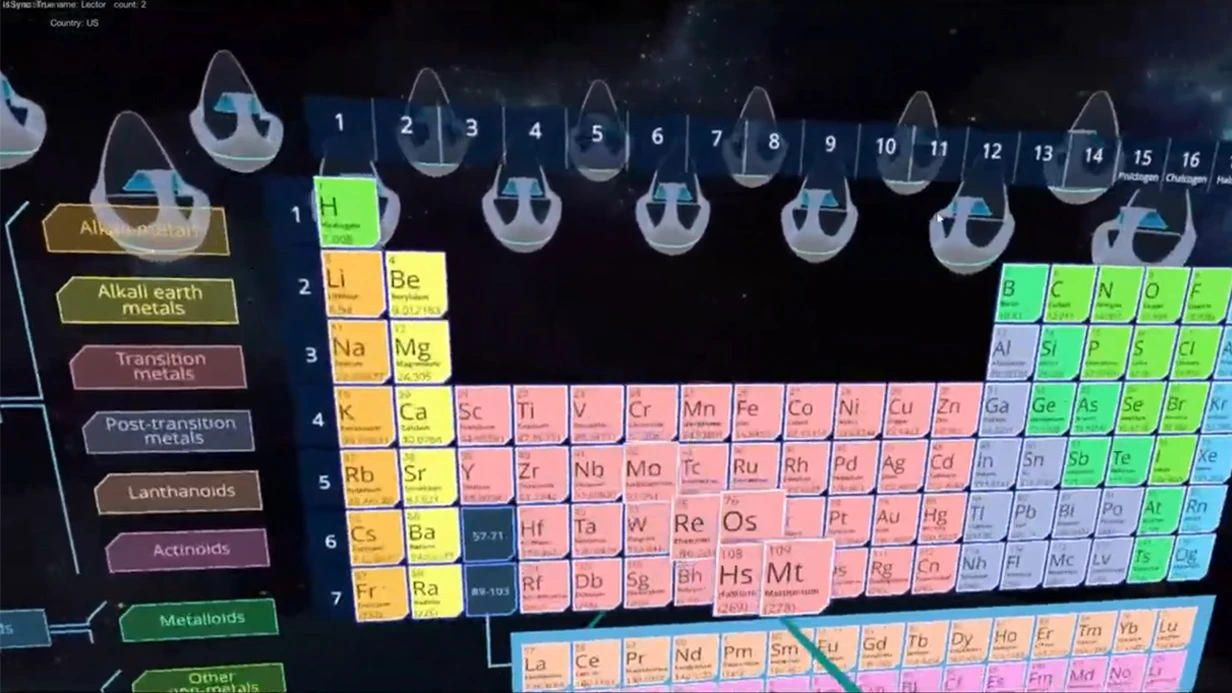
A virtual tour removes the main barrier—the applicant’s uncertainty before choosing. They see lecture halls, laboratories, and the campus in 3D without leaving home, and they submit their documents faster. In our experience, such projects give a university a noticeable increase in applications.
We integrate the tour into the applicant’s journey: immediately after viewing, an “Apply Now” button appears. This creates a warm contact that is easier to move toward enrollment.
Growth in university brand awareness
An interactive 3D tour on the website sets the university apart from competitors, clearly demonstrating its advantages. Applicants share the link on social media—reach grows without an advertising budget. For parents and partners, it is a sign that the university uses modern technologies in education.
Saving resources on open house days
A classic open house requires venue rental, volunteers, and staff time. A virtual tour works around the clock and accommodates many visitors at once. The freed-up staff time is redirected to handling applications and personal consultations.
Reaching applicants from other cities and abroad
Not every applicant can visit the campus in advance. A virtual tour shows the university to applicants from other cities, countries, and time zones. This expands the geographic reach of enrollment and strengthens the university brand long before students relocate.
Virtual tour formats for a university
Applicants decide about a university long before submitting their documents. The first introduction often happens through the website—and if the campus is represented only by photos, a competitor with an interactive tour looks far more convincing.
The task for a university is to show itself in a way that enables prospective students and their parents to feel the atmosphere, see lecture halls, laboratories, and dormitories—even from thousands of kilometers away.
We offer three basic formats that cover different scenarios: from quick publication of panoramas to a full-featured tour with navigation and reference information.
All options run in a standard browser, require no app installation, and work equally well on computers, tablets, and smartphones.
| Format | Who it is for | What it gives the university |
|---|---|---|
| 360° Panorama | Applicants who want to quickly explore the campus | Fast launch, coverage on any device, easy updating |
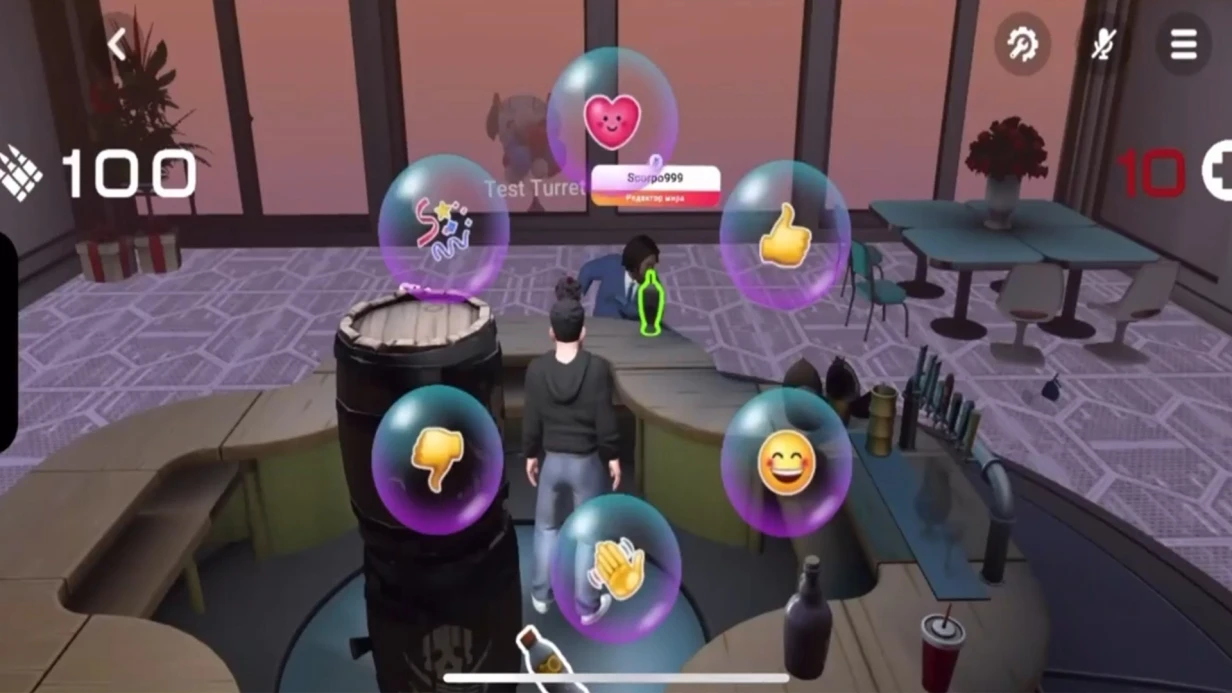
| VR Tour | School students in career guidance, international students | Immersion into the university environment, sense of presence, increased awareness |
| Interactive Tour | All applicants, parents, university partners | Complete introduction: routes, laboratory descriptions, faculty history |
How to choose a format? If the university needs to be shown “here and now”—panoramas are enough. If emotional engagement matters and you want to hold the applicant’s attention for several minutes—we choose a VR tour.
If the tour is meant to replace an in-person visit and serve the admissions campaign for several years—we build an interactive tour with a thoughtful scenario.
During a consultation, we analyze the university’s objectives, study the target audience, and propose a format that solves your specific problem—without overpaying for unnecessary options, and with the possibility of expansion in the future. You receive a clear plan: which format, in what timeframe, and with what result will be launched.
How we create a virtual tour step by step
A virtual tour for a university is a way to show the campus to applicants from any city without the cost of an open house. We have built a transparent seven-step process so you understand what happens at each stage and when you will receive the result.
-
Brief and goals. During a call, we define the tour’s objectives: which areas to show first, which audience matters most—school students, parents, or international applicants. We agree on the scope of work and timeline so you do not overpay for anything unnecessary.
-
Script and route. We develop the journey logic: from the main building to laboratories and dormitories. We determine where to add infographics and video messages from deans. You provide edits before 3D modeling begins—this saves time and budget.
-
Creation of 3D content. Based on drawings and photographs, we recreate key campus spaces with high detail. These are not panoramas but virtual rooms that can be explored freely—just like in reality.
-
Assembly and interactivity. We connect the model into a single scenario: navigation between buildings, pop-up hints, and an “Apply” button. We present a test version—you see the product before launch and make final edits.
-
Testing and optimization. We check how the tour works on computers, tablets, and smartphones, and how quickly pages load. We eliminate anything that could repel an applicant: slow loading, inconvenient navigation.
-
Launch and training. We place the tour on the university’s website, connect application forms and analytics to track inquiries. We conduct a short training session for the admissions office—how to change content and work with applications.
-
Support and development. After launch, we stay close: we update information for the new academic year, add new facilities, and refine the tour for advertising campaigns. Support is specified in the contract.
What is included in a virtual tour project
When we say “virtual tour,” the client often imagines a simple video. In reality, it is a comprehensive project consisting of several interconnected stages. Below is the typical scope of work that a university receives as part of the project.
- Tour brief and script — We collect requirements and define the key points to show: lecture halls, the library, laboratories, the campus. We create a route that presents the university in the right light and guides the applicant toward enrollment.
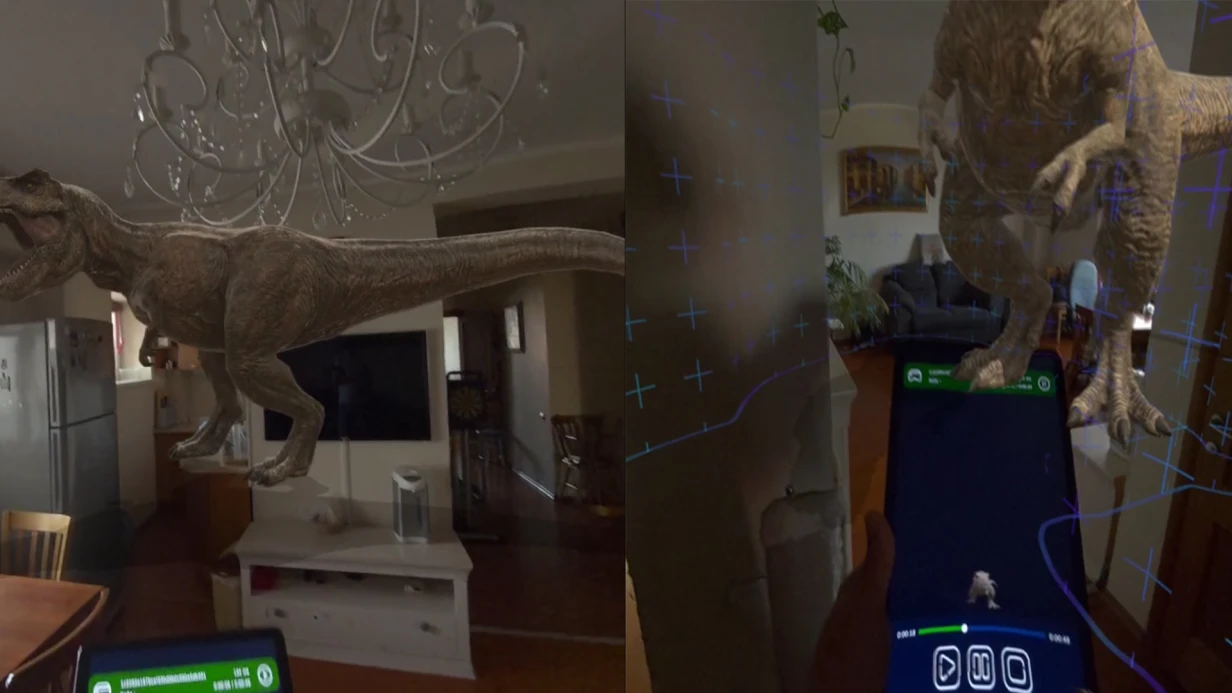
- Filming or creation of a 3D model — Depending on the facility, we conduct panoramic photography or build an accurate copy of buildings and interior spaces. The applicant “walks” around the campus without leaving home.
- Processing and editing — We stitch panoramas into a single space, configure transitions and interactive markers. The result is a smooth immersion without technical roughness that distracts from the content.
- Audio guide — We record professional voice-over or accept texts from teachers and students. The visitor chooses the format—read or listen—and the university communicates key facts without overloading.
- Integration into the university website — We place the tour on your domain, without third-party platforms or unnecessary redirects. We add an “Apply” button or an application form so the tour generates real inquiries.
- Testing and delivery — We check performance on computers, tablets, and smartphones. We provide access and a short instruction so university staff can update materials without involving developers.
This scope of work covers the main goal: the applicant gets a vivid experience, and the university gets a working tool for attracting attention and applications. The remaining details—hosting, domain, technical support—are discussed individually and handled by us.
Case study: how a university increased applications with a virtual tour
Every year, universities lose applicants who cannot attend an open house. It is especially difficult for international students: tickets, visas, time—all of this delays the introduction to the university, and strong candidates go to competitors. One of our partners—a university with several branches—faced this problem in full measure.
We proposed a solution that removes the barrier of distance. Our team developed a virtual tour of the main building, laboratories, library, and dormitories.
Applicants from anywhere in the world can “walk” around the campus, look into lecture halls, and feel the atmosphere of the university without leaving home. The tour was embedded in the admissions website and used in email campaigns for international applicants.
The results exceeded expectations. During the admissions campaign, the virtual tour was viewed by applicants from different countries, and the conversion to applications increased by 35% compared to the previous enrollment cycle.
Many wrote that they had already “visited” the university and now definitely plan to apply. They also noted that the tour helped them navigate the programs—it became easier to choose a direction.
For the university, this is not just a beautiful website but a tool that affects numbers. A virtual tour saves admissions staff time, reduces the number of routine questions, and increases the flow of applications from other regions and countries.
The investment pays off within one admissions cycle, and the university gains an advantage over institutions that still ask applicants to “come and see.”
How to choose the right tour format?
The main guide when choosing a format is not trends, but three simple questions: whom do you want to attract, on what devices will they view it, and what result do you consider success.
For a university, these are future applicants and their parents, and the measurable outcome is applications for admission and brand awareness. No format works everywhere: what impresses at an open house will not work for applicants from another city.
If the goal is mass reach and an introduction to the campus, choose an interactive 3D tour that opens in a browser on any phone and laptop. Applicants usually do not have VR headsets, and requiring special equipment means losing part of the audience.
Such a tour is easy to embed in the admissions website and social media, and the view counter will show the return.
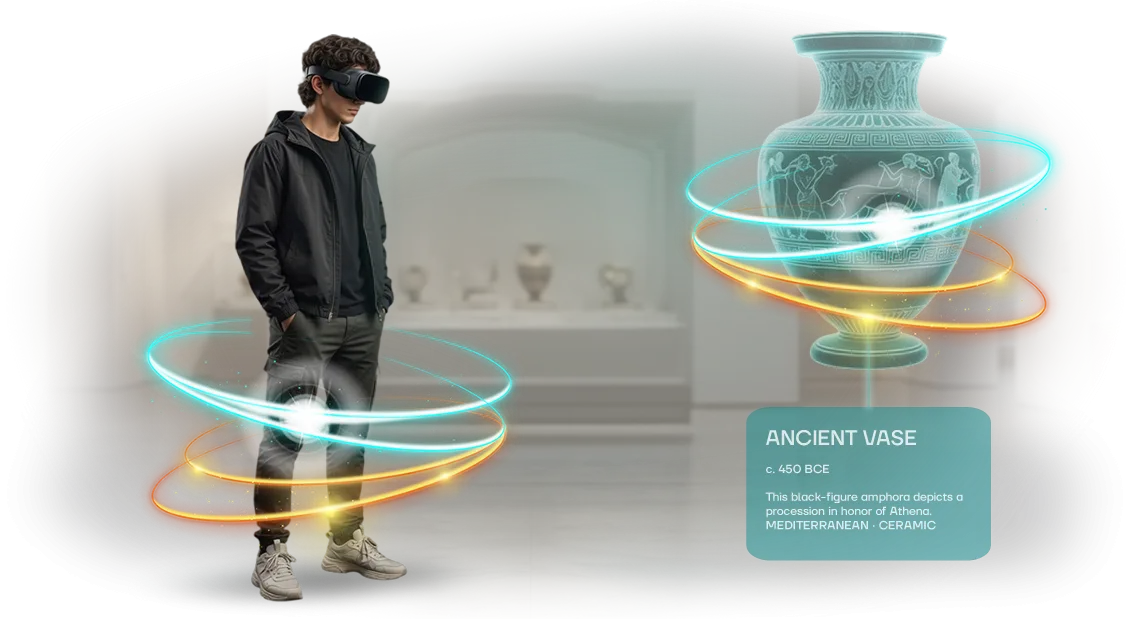
A VR tour with immersion provides a sense of presence and a wow reaction, but it requires a headset. This is a format for open house days and exhibitions, where you control the equipment and guests get an emotional impression they will talk about afterward.
We often create a hybrid: a 3D tour for the mass audience and a VR mode for offline venues—this way you cover both tasks without unnecessary costs.
The deciding factor is the target audience and project goals. If the priority is event guests and a strong university image, investing in headsets is justified. If the goal is to generate applications from across the country, the format must be accessible from any device.
We analyze the tasks, audience, and venues, and propose a format that solves your particular challenge—with a forecast of reach and launch timelines.
Frequently asked questions about virtual tours
A virtual tour is a working tool for the admissions campaign, not a one-time website decoration. Every tool has a practical side: what will happen in a year, who can make edits, and on what devices applicants will open it. We answer the main concerns.
We deliver every project together with a maintenance policy—so the tour remains relevant and does not become a “dead file.” Below are the answers to the questions most often raised at meetings.
Will the tour become outdated in a year?
We build it on a current technical base, but the key point is that we build in the ability for targeted updates. A university is alive: new laboratories appear, programs and teachers change.
All of this can be reflected in the tour without a complete redo: replacing descriptions, photos, and videos takes days, not months.
Is the tour difficult to update?
No. You just send a request—and our specialists make the changes. If you want to change part of the content yourself, we provide a simple control panel: it is clear how to replace text and media files. Support stays with you after launch, and all issues are resolved in the normal workflow.
On what devices does it open?
The tour works in a browser—on computers, laptops, tablets, and smartphones. Applicants do not need to download anything; they just open a link.
For the admissions campaign, we can additionally configure display in virtual reality headsets—then the visitor finds themselves “inside” the campus, which strengthens the impression of the university.
Order a virtual tour for your university
Applicants and their parents make their enrollment decisions online—first they look at the website, photos, videos, and only then do they visit the campus.
A virtual tour shortens this path: you show the university in the best light and answer questions like “what does the lecture hall, laboratory, or dormitory look like” without an in-person visit.
This increases coverage of applicants from other cities and strengthens the image of a modern educational institution.
Leave a request—we will provide a free consultation, calculate timelines for your task, and prepare a commercial proposal. At the meeting, we will show examples of virtual tours for universities and explain which formats work best for admissions campaigns.
What you receive when you order
- Expert consultation: we will recommend which locations to include in the tour and how to use it on the website, on social media, and at exhibitions.
- Calculation of timelines and scope of work immediately after the brief—without hidden stages or lengthy approvals.
- A commercial proposal with fixed terms and a clear scope of work.
- Demonstration of examples: we will show real projects for universities so you can see the level and style in advance.
- A turnkey product: filming, processing, tour assembly, publication, and instructions for your staff.
- The ability to add new facilities to the tour after launch—a university grows, and the tour can change with it.
A virtual tour will become a working tool for the admissions campaign, not just a pretty picture. Leave a request—already at the consultation stage you will understand how the tour fits into your communication with applicants and what results it will bring.