

How hotel virtual tour 3d helps a hotel sell rooms without discounts
When a guest chooses a hotel, they only see photos and a description. But static images don’t convey the atmosphere of the room, the view from the window, or the sense of space.
If the online impression doesn’t come together, the guest hesitates — and leaves for a competitor that presented itself more convincingly. As a result, the hotel loses bookings and is forced to lower prices to attract attention.
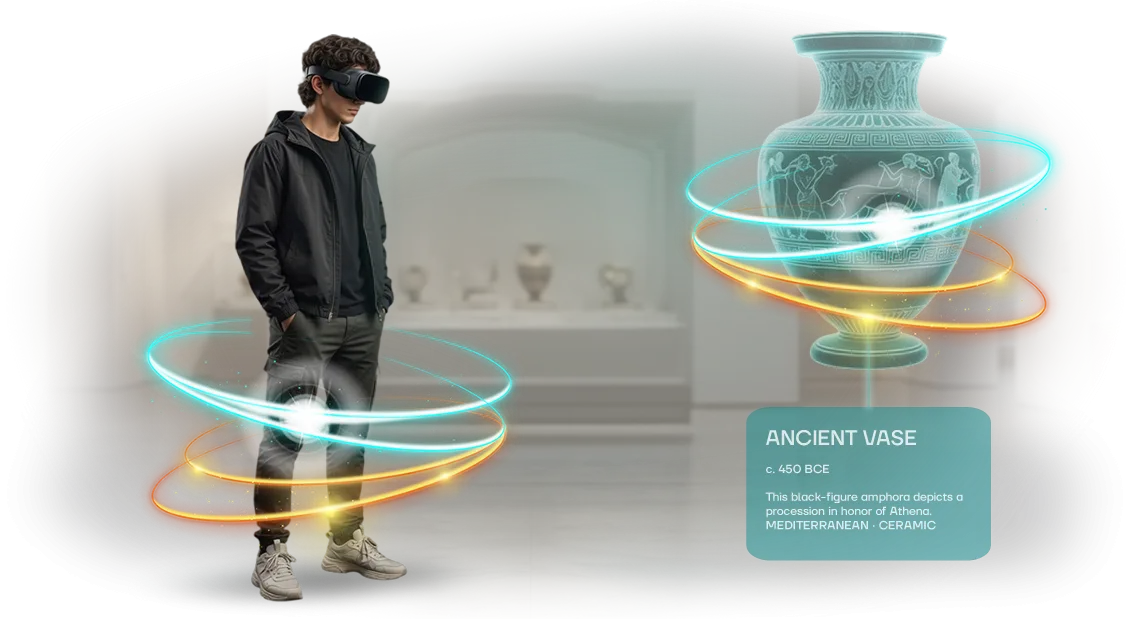
Hotel virtual tour 3d is a way to show the hotel so that the guest feels like they are already in the room before arrival. They can virtually walk through the lobby, step into a room, and check out the terrace and the view.
This immersion removes the main fear of the unknown: the person already knows where they are going and is more willing to book.
A virtual tour for a hotel works directly to increase bookings: guests spend more time on the page, remember details, and share the link with friends. Hotel sales grow not through discounts, but through the guest’s confidence in their choice. This sets the hotel apart from competitors that only have regular photos.
For us, hotel virtual tour 3d is not just a pretty picture but a sales tool. We present the hotel in its best light, yet honestly — without distortion, so the guest gets exactly what they expected. That is why both the share of direct bookings and guest return rates grow.
Of course, the goal is not just to “make 3D” but to get more paying guests. We handle that: we connect the virtual tour to the booking system, set up entry points, and analyze how the tour affects conversion. The hotel gets a measurable result, not just a nice video.
What a virtual tour gives a hotel: 5 measurable business benefits
A traveler chooses a hotel in a matter of minutes, scanning dozens of options. Photos often don’t convey the actual setting, and the guest wonders: what if the room is smaller, the view from the window is worse, and in reality everything looks different.
A virtual 3D tour removes these doubts — it lets the guest inspect the room, the lobby, and the grounds as if they were already standing inside.
The first measurable benefit is trust. A hotel that presents itself honestly earns more trust: the guest sees the exact geometry of the spaces, the layout, and the details, so expectations match reality. This reduces booking cancellations and negative reviews after check-in.
The second benefit is growth in direct bookings. When a guest can “walk through” the hotel before arriving, it becomes easier to make a positive decision.
Such visitors stay longer on the site, are more likely to reach the booking step, and less often leave to look for alternatives on aggregator sites.
The third is a competitive advantage. Most hotels limit themselves to photos and text, so a virtual tour sets your property apart from the neighbors. This is especially important for wedding banquets, conferences, and other event bookings where atmosphere decides.
The fourth benefit is saving staff time. The guest has already mentally visited the hotel, so they ask fewer repetitive questions about rooms and grounds. Reception employees spend time on meaningful tasks instead of describing what the guest has already seen.
The fifth is a long-term marketing asset. The tour can be placed on the hotel’s own website, social media, maps, and partner services.
It works around the clock, attracting guests from all over the world, and pays off through additional bookings that a simple photo gallery cannot generate.
Virtual tour formats for hotels: choose according to your task
A hotel sells guests not just a night but an impression: how cozy the room is, what the lobby atmosphere is like, what awaits on the grounds. So choosing a tour format means choosing a way to quickly remove doubts and push toward booking.
We divide virtual tours into typical scenarios so you don’t overpay for unnecessary features and get exactly the result your sales department needs.
Below are the basic formats that cover the main hotel goals: show the room, demonstrate the service, and stand out from competitors.
Virtual tour options: what to choose
| Format | Who it’s for | What it gives the client |
|---|---|---|
| 3D room tour | Guests choosing a room category | Shows real dimensions and layout. The guest quickly understands whether the room suits them and cancels less often after check-in |
| Lobby and common areas tour | Event organizers, business travelers | Demonstrates the level of service and the atmosphere of the place. Makes it easier to convince a client to choose the hotel for a meeting or conference |
| Property grounds virtual tour | Family guests, travelers with a car | Lets guests “walk around” the beach, pool, and parking before arrival. Increases the value of the stay and reduces the fear that “it won’t be like that” |
| Full hotel virtual tour | Marketing and booking departments | Combines all zones into one route. Strengthens positioning and increases conversion from social media and travel catalogs |
The main thing in choosing a format is not technology but the task and sales channel: for a booking website, a detailed room tour is enough; for advertising campaigns, a comprehensive solution is better.
We will help you put together a configuration for your hotel — from a single room to a full route through all zones.
How we create a virtual tour: project stages for the client
A virtual tour for a hotel is not just panoramas but a ready-made sales tool: it works around the clock and helps a guest choose a room without visiting in person.
To ensure the result fully matches expectations, we have built a transparent process: you participate in key decisions at every stage.
Work stages
-
Brief and objectives — we discuss the hotel’s goals and audience and determine which zones to show: rooms, lobby, grounds. Based on this, we create the tour scenario.
-
Shooting plan and preparation — we agree on a work schedule so as not to interfere with guest check-ins or staff duties. We choose a time with minimal load and prepare the space.
-
Shooting and 3D modeling — using professional equipment, we capture the space and create a detailed model: smooth transitions between floors, interactive markers, and panoramas.
-
Review of the interim result — you receive a link to a preliminary version of the tour and make edits: navigation logic, texts, accents. We make changes until full approval.
-
Final assembly and placement setup — we connect the tour to the website, social media, and maps, and optimize loading speed on any device — from a reception computer to a guest’s smartphone.
-
Launch and handover of materials — we publish the tour and provide the link, update instructions, and all source files. You get a working tool, not a “raw” layout.
-
Support and updates — when interiors, prices, or seasonal promotions change, we quickly supplement the tour with new information. That is why hotels often come back to us for updates and extensions.
What is included in the handover: a complete package for launching the tour
We deliver not just a “ready file” but a full-fledged tool that can be placed on the website on the day of handover and used for bookings right away. Below is everything included in the delivery package.
- Ready virtual tour — fully calculated 3D panoramas of rooms, lobby, and grounds, assembled into a single walk-through scenario. The tour loads quickly on any device: from a guest’s smartphone to a reception computer.
- Embed code for your website — one ready-made snippet that integrates the tour into the right section: a room page, a “Virtual Tour” block, or the main screen. No hassle: paste, check, done.
- Administrator instructions — a simple document explaining how to change room descriptions, prices, or photos in the tour. Updates are made without contacting developers and in minutes.
- Staff training — a short video lesson for your team: how to show the tour to a guest, send the link via messenger, or use it in a presentation at the check-in desk.
- Technical documentation — a description of all tour functions and options for connecting it to your booking system or website. This is your safety net, so you can work with the tour even after the project is completed.
- Launch support — we help place the tour on the website, check its performance on major devices, and make final edits before the link goes to the first guests.
- Post-production maintenance — we answer questions, advise on updates, and quickly fix any minor issues during the warranty period.
You receive all of this as a single package: one tour file, instructions for your team, and our support at launch. You don’t need to hire specialists or dive into technical details — just use it and show it to guests.
Case study: hotel virtual tour 3d for a hotel — a 38% increase in bookings
A country hotel with 55 rooms and separate cottages faced a problem typical for this segment: guests chose accommodation based on photos but were often disappointed. This led to a high rate of booking cancellations and endless calls to the reservation department.
At the time of the initial request, managers spent an average of 10 minutes on each such conversation, and up to 30% of orders fell through at the selection stage.
We proposed solving the problem with a virtual 3D tour. The shooting was done on professional Matterport equipment — the global leader in 3D space scanning.
One visit was enough for the engineer: four hours of work, and all key areas — rooms, restaurant, spa, pool, and grounds — became a single digital space where guests can freely “move around.”
What changed after the launch
Within the first month, the average time spent on the hotel page grew from 45 seconds to 3.5 minutes — guests were not just flipping through photos but studying the space in detail. This led to a 38% increase in direct bookings and a 22% reduction in cancellations.
According to our estimates, the hotel gained substantial additional monthly revenue without any advertising spend.
Beyond sales, the tour started building brand awareness: every third visitor shared the link with friends, and the hotel page reached the top of search results for regional queries.
Two months later, the client returned with a request to expand the tour — we added interactive markers with room and service prices, which increased conversion to inquiries by a further 12%.
Frequently asked questions about virtual tours for hotels
Most hotel owners worry that a virtual tour will require complex equipment, lengthy preparation, and large investments. In practice, we handle all the technical issues ourselves: we shoot, assemble, launch, and help with placement on your website and social media.
Below are answers to the most common concerns.
How long does it take to create a tour?
Usually 3–5 business days per property. During this time, we do the shooting, connect the panoramas into a single tour, and give you a ready link for publication.
Do we need to buy equipment?
No. The cost of the tour includes the use of a professional camera and software. All we need from you is access to the premises during shooting — usually 2–4 hours.
What if we need to update the tour or add new areas?
The tour can be extended at any time. Send us a list of new zones, and we will arrange additional shooting and add them to the existing tour — no rebuilding and no loss of relevance.
How will the tour affect bookings via the website?
Directly. Guests who see the room before check-in hesitate less and move to booking faster. We create tours “with goals”: we add “Book now” buttons, contacts, and messenger links so interest immediately turns into an inquiry.
Will the tour work on any device?
Yes. The tour runs in a browser — on computers, tablets, and smartphones. Guests don’t need to download an app; they just open the link and immediately explore the hotel. This removes barriers to booking.
Order a virtual tour for your hotel: get a cost estimate and a plan
A virtual tour is a tool that starts selling the hotel before the guest arrives.
Instead of dozens of scattered photos, the guest sees the room, the view from the window, and the entire property, so they make a faster decision and book directly with more confidence, without intermediaries.
To launch such a tour, you don’t need to understand technology. Just leave a request — we will study the property, suggest a suitable format, and prepare a cost estimate with a project plan. It’s free and carries no obligation.
What you will receive after your request
- A cost estimate in 2–3 options: from a basic overview tour to a detailed one with floor-by-floor navigation and key zones.
- A project plan with stages and timelines: when the film crew will arrive, how long assembly will take, and when you will receive the finished result.
- An assessment based on photos or floor plans if the property is still under construction or in another city.
- Examples of tours for hotels and country resorts — you can see the result before starting and choose the style you like.
- A personal manager who will answer questions and help you choose the optimal scope of work for your budget.
- A clear contract with a fixed price and a guarantee that the tour will be published within the agreed time.
- Access to a draft version: you can make edits before your audience sees the tour.
Leave a request to order a tour for your hotel: we will send the cost estimate and project plan within one business day. If you have any questions, contact us by any convenient method — we will find a solution for your property and budget.
How to choose a virtual tour format according to your hotel’s specifics?
Choosing a virtual tour format starts not with the question “which 3D” but with the hotel’s goal. If the key is to show guests the room layouts and window views, a detailed room tour is enough.
If the aim is to convey the atmosphere of the grounds, pool, or restaurant, a full tour of all public areas is better. And for a hotel chain or a congress center, a modular format works well: the guest chooses their own route, while the booking button leads to the website.
The second factor is the audience. A significant share of guests make their decision by comparing several hotels in 3–5 minutes. They need quick answers: where the reception is, whether there is an elevator, how spacious the room is.
A tour built from the entrance to the room removes these doubts and reduces calls to the booking department. Families with children and business travelers will have different navigation logic, so the scenario should be thought through in advance.
The third point is accommodation infrastructure. The tour should open equally easily on a smartphone, tablet, and computer, and integrate into the hotel website, social media, and aggregator listings.
The easier it is for a guest to open the tour without installing apps, the more often it is shared and revisited. We choose the format according to the specifics of each property: a compact version for quick viewing or an extended version for those already ready to book.
So at the start, we ask three questions: who is the hotel’s main audience, which zones should be shown first, and what next step we expect from the guest after viewing. Based on the answers, we determine the format, the number of shooting points, and the transition logic.
This approach prevents you from overpaying for unnecessary features — you get a tour that genuinely influences the guest’s choice and brings back direct bookings.