

Museum artifact 3d scan: your collection is losing visitors
Your exhibits are unique, but only those who can reach the hall actually see them. Schoolchildren from other regions, researchers, tourists, people with limited mobility — all of them remain outside the door.
Without a digital copy, the museum falls short of modern expectations: visitors are used to culture being available online, just like books, films, and music. If a collection is not on the internet, it is as if it does not exist for the new generation.
And this is a direct threat to both attendance and funding. Grant makers and sponsors increasingly evaluate museums by their digital footprint: having a virtual exhibition signals openness and a readiness to work with a modern audience.
Moreover, physical halls have limits: exhibits cannot be shown simultaneously in different cities, and fragile objects are damaged by unnecessary handling. Museum artifact 3d scan removes these limitations — a digitized collection is available to anyone with a screen.
3d scanning for museums turns individual objects into a universal digital fund that can be showcased on the website, in social media, on international platforms, and even in partner projects.
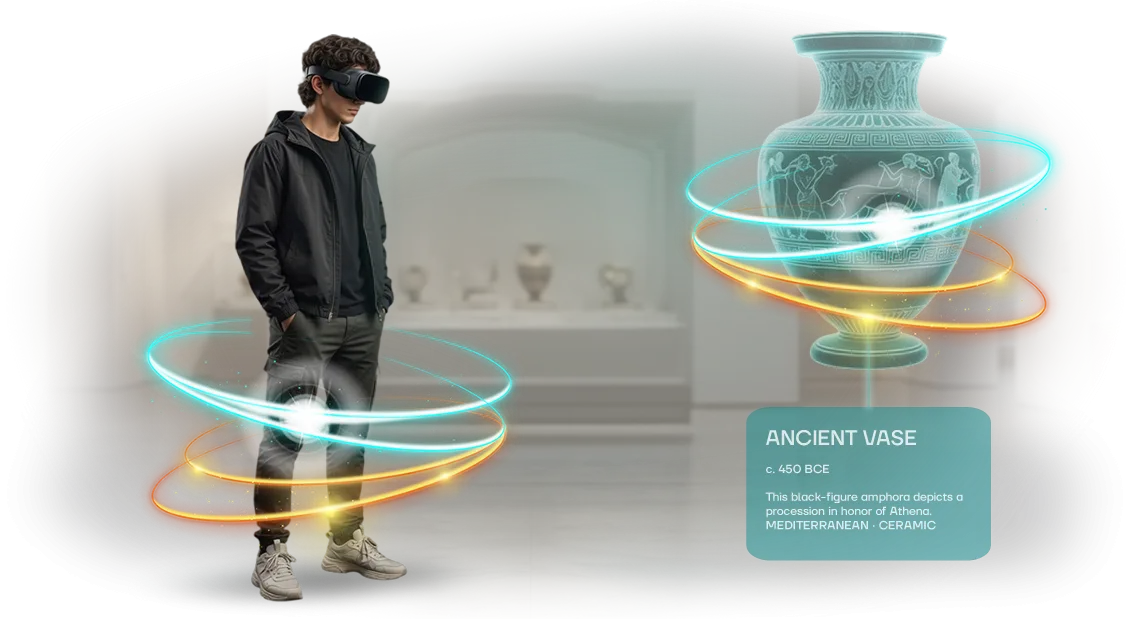
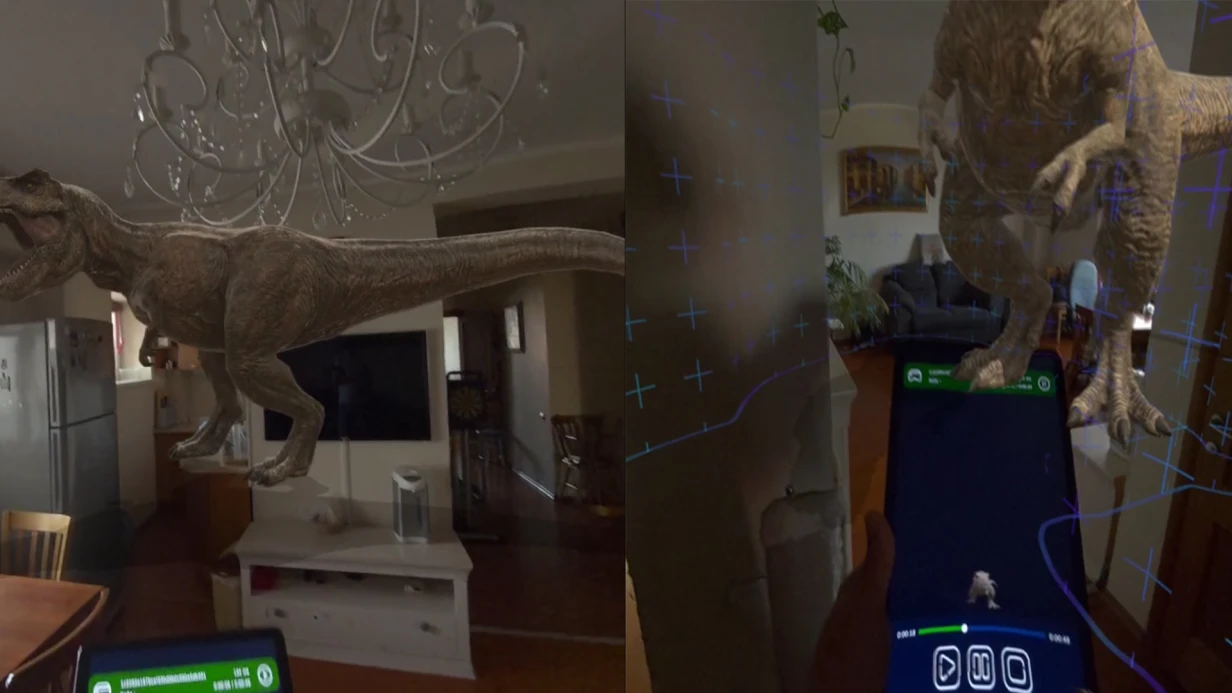
Digital museum collection does not replace the original — it serves as the basis for a virtual exhibition where visitors can examine details more closely than in person, and the museum gains endless display options without risking the artifacts.
We help museums make this step. Our team creates virtual exhibitions and 3D showrooms that preserve the atmosphere of the original and deliver a sense of personal presence.
Once launched, the collection works for the museum around the clock: it attracts tourists, opens online sales of tickets and souvenirs, and strengthens grant applications.
This is not just technology — it is a way to bring visitors back and prove the museum’s value in the digital world.
5 measurable benefits of 3D scanning museum artifacts
3D scanning of artifacts gives the museum five measurable results that become visible within the first few months.
The first benefit is growth in online attendance. Digital copies open up the collection to those who cannot visit: residents of other cities, students, visitors with limited mobility. Sites with 3D tours get 2–3 times more exhibit views than ordinary photos.
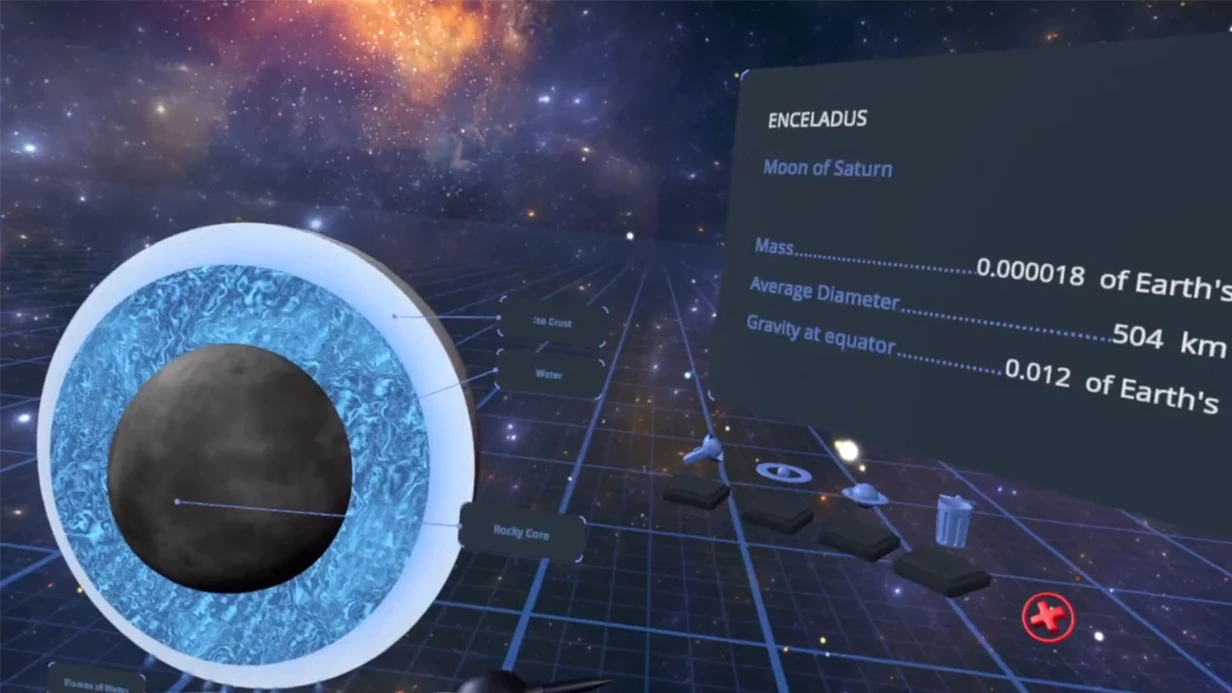
The second benefit is new interaction formats. The visitor rotates the model, zooms in on details hidden by the display case, and spends many times longer with the exhibit. This strengthens interest and the desire to tell friends about the museum.
The third benefit is preservation of the original. Scanning takes place without contact with the object, so it does not damage it. While an exhibit is being restored, the digital copy continues to serve exhibitions and research.
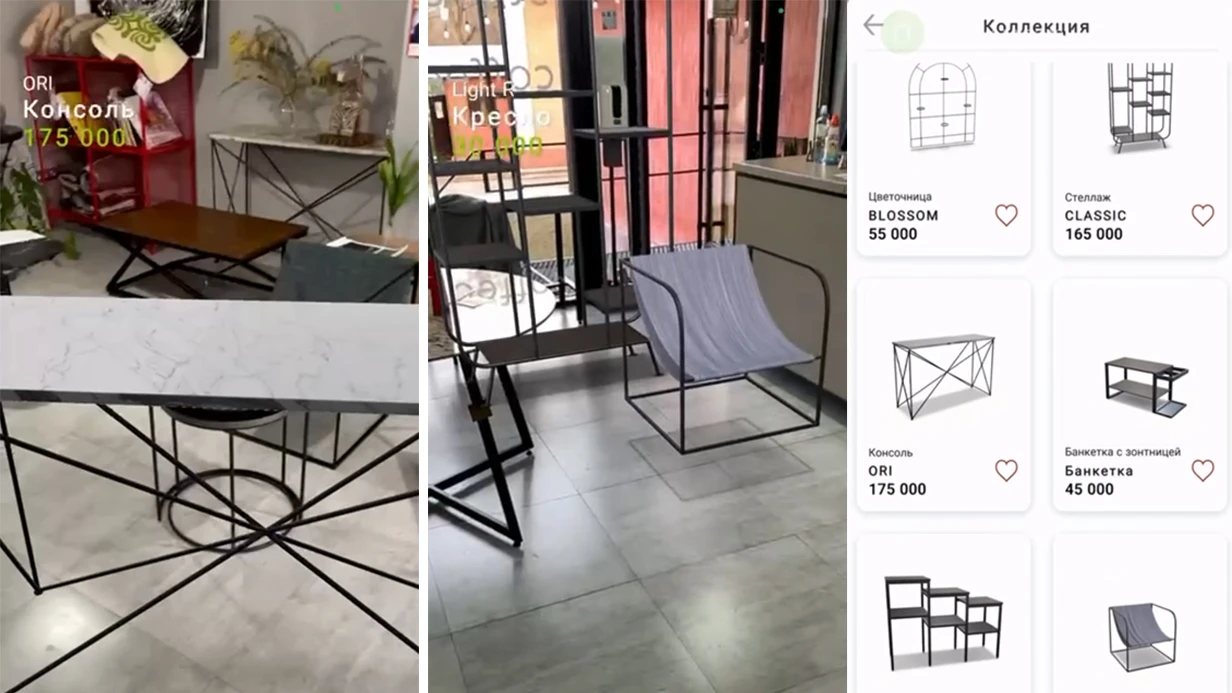
The fourth benefit is monetization of digital content. Based on 3D models, museums create souvenirs, augmented reality, paid tours, and materials for grant applications. This brings substantial additional revenue per year.
The fifth benefit is the status of a modern museum. A high-quality 3D collection attracts partners, festival organizers, and educational projects, and digitalization becomes an investment rather than an expense.
Every benefit is achieved without stopping the museum’s operations. Our engineers use professional equipment, and the result is integrated into your website. Send us a list of exhibits — we will calculate the attendance and revenue forecast.
Formats of museum artifact 3d scan: from model to virtual tour
Each museum exhibit requires its own presentation format: what works for a catalog may be inappropriate in a virtual tour. Museum artifact 3d scan turns a single shoot into different solutions — from an interactive model to a ready-made tour of the halls.
The right format choice determines whether an exhibit is seen by a wide audience or only by researchers.
We have identified four standard formats that cover most museum tasks.
Main formats for typical tasks
| Format | For whom | What it gives the client |
|---|---|---|
| Interactive 3D model | Websites, online catalogs, social media | The visitor rotates the exhibit, zooms in on details, examines the texture — time on page and memorability increase. |
| Virtual tour of the halls | Remote visitors, press materials | Creates a sense of presence and allows guided tours for viewers anywhere in the world. |
| Digital copy for catalog | Collections, restorers, researchers | Accurate capture of shape and palette — the basis for documentation, condition monitoring, and museum exchange. |
| Interactive showcase | Exhibitions, kiosks, tablets | Brings the exhibit to life, holds attention, and encourages exploration through changing angles and animation. |
We help you choose one format or a combination and create a museum artifact 3d scan for your goal. We deliver files in an agreed structure and integrate them into your website, kiosk, or exhibition if needed. Website integration and customization for your system are already included.
How museum 3D scanning works: 7 steps from brief to launch
We have structured the process so that the museum receives a digital copy without bureaucracy and with full control at every step. Below are the seven stages we go through from the first brief to publishing an exhibit in the virtual hall.
-
Brief. We discuss your goals, the list of exhibits, and the format of the future exhibition. We set clear deadlines so you understand the outcome from the very beginning.
-
Inspection and plan. A specialist visits the museum and assesses the size and fragility of the objects. We create a shooting schedule that does not disrupt the museum’s work.
-
Scanning. Using professional equipment, we make an accurate copy that captures shape, texture, and color. Most exhibits do not need to be moved.
-
Processing. We merge the data and bring the model to a consistent quality. You immediately see the copy from any angle and zoom level.
-
Approval. We give you a preview link and you leave your edits. We adjust the angle, detail, or color until the final version.
-
Quality control. We check geometry, textures, and display on different devices. The model will not lose its appearance when uploaded to a website or app.
-
Publication. We place the copy in the virtual hall or on your website and hand over the files. After launch, we support the project and make changes if necessary.
You approve the final result before publication — so the risk of getting something unintended is reduced to zero.
What is included in the delivery: a complete kit for digital display of your collection
You receive not a "cloud of files" but a complete kit for digitally displaying the collection. This delivery package already covers everything: from ready 3D models to instructions for staff who will work with the materials on day one.
The kit includes:
- Ready 3D models of exhibits — accurate digital copies that can be shown on the website, in the virtual hall, on a screen, or used for research.
- Renders for presentations and publications — high-quality images for catalogs, booklets, posters, and reports. No need to wait for a professional photo shoot.
- Digital materials for display — files ready to upload to a virtual exhibition or showroom. Everything is tuned to the format of your platform.
- Files in the required formats — we select universal formats that open in your programs and on your equipment. No more "why won't it open."
- Usage instructions — short guides for staff: how to open the model, how to show it to a visitor, how to upload it to the website or kiosk.
- Document package — a list of contents, transfer certificate, and terms of use for the materials. Everything for reporting and legal clarity.
- Launch support — we will place the materials on your platform or show you how to do it yourself in half an hour.
Such a kit covers the entire task of digital collection display: from the first moments of demonstration to regular use in the museum’s daily work.
You will not need to search for subcontractors, deal with formats, or explain technical details — you receive a ready-made solution that works immediately.
Case study: digitizing a collection and doubling attendance
A regional museum came to us with a typical problem: 15,000 objects in storage, but only a small fraction on permanent display. Attendance was falling, and educational programs were not attracting schoolchildren.
The director wanted to make the collection accessible without risking the exhibits and, at the same time, bring in new visitors.
We proposed digitizing the key exhibits with a professional 3D scanner Artec. The technology captures not only shape but also texture, color, and the finest damage — researchers and viewers get an accurate copy, while the original remains in storage.
In two months, we digitized more than 300 objects, from archaeological finds to rare books from the closed collection.
The finished models were assembled into virtual exhibitions with interactive viewing. Guests can rotate an exhibit, zoom in on details, and read the object’s history on a computer, tablet, or phone. Links to the tour were placed on the museum’s website and in social media.
The result exceeded expectations: attendance doubled in a year, largely due to virtual tours that brought people in person afterwards.
Out-of-town viewers gained access to the collection, and the number of educational programs for schools tripled — classes now take place directly on the website with detailed model exploration. Virtual exhibits are also used in academic publications and exhibition projects.
The client was pleased: digitization not only preserved the heritage but also made the museum visible to a new audience. A few months later, the museum ordered a second phase — scanning a newly restored collection. We continue the partnership.
How to choose the right scanning format for your exhibits?
It all depends on the task the museum needs to solve: attract a new visitor, preserve an exhibit for science, or show it to the world. Each goal has a suitable digitization format, and there is no universal solution — only the right one for your situation.
If the main goal is engaging educational interactivity, lightweight models that load quickly on any device are the best choice. The visitor gets to examine the exhibit from all sides without waiting, and the museum gains increased interest and repeat visits.
For scientific restoration or cataloging, on the other hand, maximum detail is needed to convey the finest features of the material. In that case, we prioritize geometric and texture accuracy so that a researcher can study the object with professional confidence.
For mass display in catalogs and social media, a mid-weight format is usually sufficient — it looks convincing without overloading servers. It is important that the model is easy to share: the easier it is to open an exhibit in a browser, the greater the reach.
So before we start, we work with you to set the priority — speed, detail, or versatility — and choose a format for your specific collection.
The good news is that you do not need to understand the technical details. Our engineers will analyze the types of exhibits, their complexity, and the museum’s goals — from educational programs to exhibitions with limited budgets — and propose a solution that delivers results.
We will also check how the model performs in real scenarios: on smartphones, tablets, and in website showcases.
In the end, choosing the right format saves budget and time, avoids rework, and delivers exactly the effect for which the digitization was started. Tell us about your exhibits and goals — we will recommend a format that solves the task the first time.
Frequently asked questions and concerns: answering about safety and deadlines
Digitizing a museum collection raises questions: will scanning damage the exhibit, how long will it take, and what do we get? We answer common concerns about safety and timelines.
Is scanning safe for fragile museum artifacts?
Yes, 3D scanning is safe for artifacts. We use non-contact equipment — it does not touch the exhibit, does not heat it, and does not apply pressure. The object remains in place, and we always coordinate the workflow with your curator.
How long does it take to digitize one exhibit?
On average, from 30 minutes to several hours, depending on complexity and the required level of detail. For museum collections, we scan exhibits in batches and always give an exact timeline before starting work.
What do we get in the end, and what is it compatible with?
A complete package: a 3D model, textures, and a catalog preview. The model can be used in interactive showcases, virtual tours, for printing copies, and for research. We deliver files in universal compatible formats and adapt them to your museum system if needed.
How much does digitization cost, and will there be hidden payments?
The cost depends on the number and complexity of the items. We prepare a transparent estimate before starting work and fix it in the contract — no additional costs arise. For museums and public institutions, we offer special conditions.
Order 3D scanning of exhibits: start with a free test
Starting a museum exhibit 3D scanning project is easier than it seems. Order a free test scan of one object — and see how your collection looks in digital form before you decide to allocate a budget. This is the shortest path from idea to real result.
We will travel to the exhibit or accept it at our studio — whichever is more convenient.
Fill out a short inquiry, and we will prepare a plan for your museum: we will advise which objects to start with, what format is needed for a catalog or virtual exhibition, and give you a clear estimate of timelines and cost. No abstract "projects in general" — only specifics for your task.
What is included in the free test and inquiry
- A free test scan of one exhibit — you evaluate the quality and detail before paying.
- Consultation with a collection digitization specialist: we will suggest priorities and the required formats.
- A cost and timeline estimate for your scope — we fix the figures before starting, with no hidden payments.
- Examples of completed projects for museums and private collections with clear metrics.
- Recommendations for using the finished 3D models: catalog, interactive zone, online showcase.
- Support throughout the entire process — from visiting the exhibit to handing over files and instructions.
We are accountable for the result and formalize our commitments. Order 3D scanning for your museum today: we will send a plan within two business days and answer all your questions by phone or email.