

Budget Exhibition Booth: Why It Doesn't Bring Leads?
For a small business, participating in an exhibition is always a risk. The budget is limited, and you need to cover rental, logistics, the booth, and staff.
Often, very little is left for the booth itself — and it ends up being just a “table with a tablecloth and brochures.” Visitors walk past, contacts are barely collected, and the participation is written off as a loss.
The reason for low lead conversion is not a modest budget, but the fact that the booth does not solve the main task: it does not stop the eye, does not engage in conversation, and does not stay in memory.
A budget exhibition booth can work effectively if it is built around a specific promise to the customer and smart use of space. But without a well-thought-out concept, the money goes into standard construction that looks the same for everyone.
A visitor passes hundreds of such booths in one day and remembers only a few. An exhibition for a small business stops paying off, and you get the feeling that this is not your sales channel. But in reality, the problem is not the channel, but how you are represented in it.
We specialize in making a budget exhibition booth bring measurable leads. We figure out who your audience is and what action should happen at the booth, and then build a scenario that makes that action natural.
You get not just a structure, but a sales tool: a visitor understands how you are useful within 30 seconds and leaves a contact without pressure. It is these booths that give companies with limited budgets up to 3–5 times more targeted meetings compared to typical construction.
What a Virtual Exhibition Will Give You: Key Benefits
Participating in an exhibition always comes down to budget: floor rental, booth installation, logistics, and on-site team work are costs that are often unaffordable for a small company.
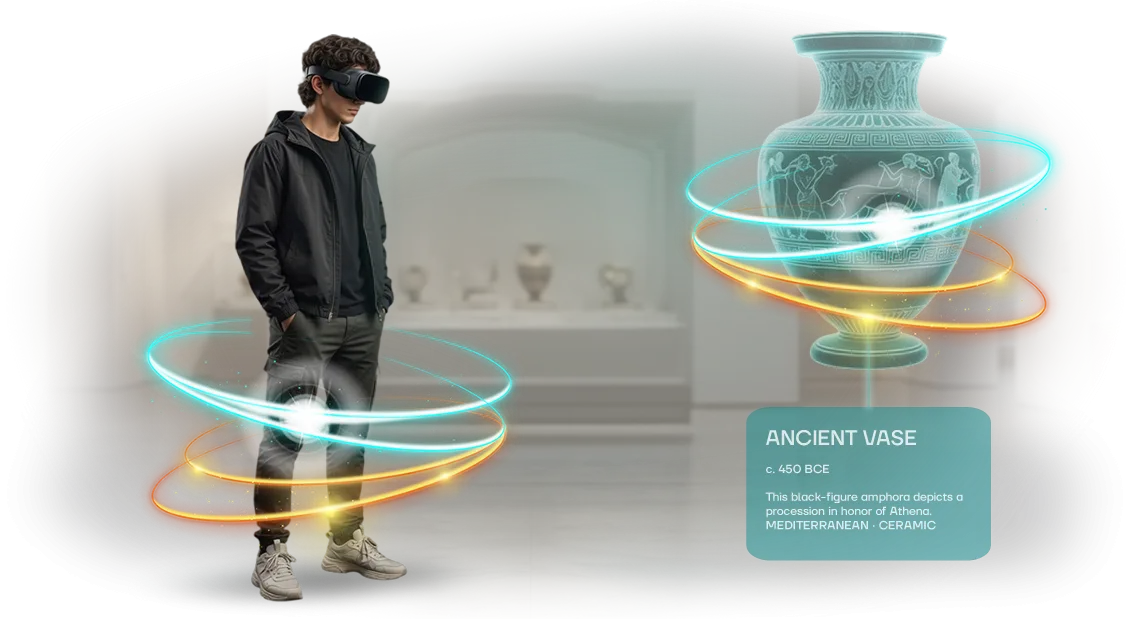
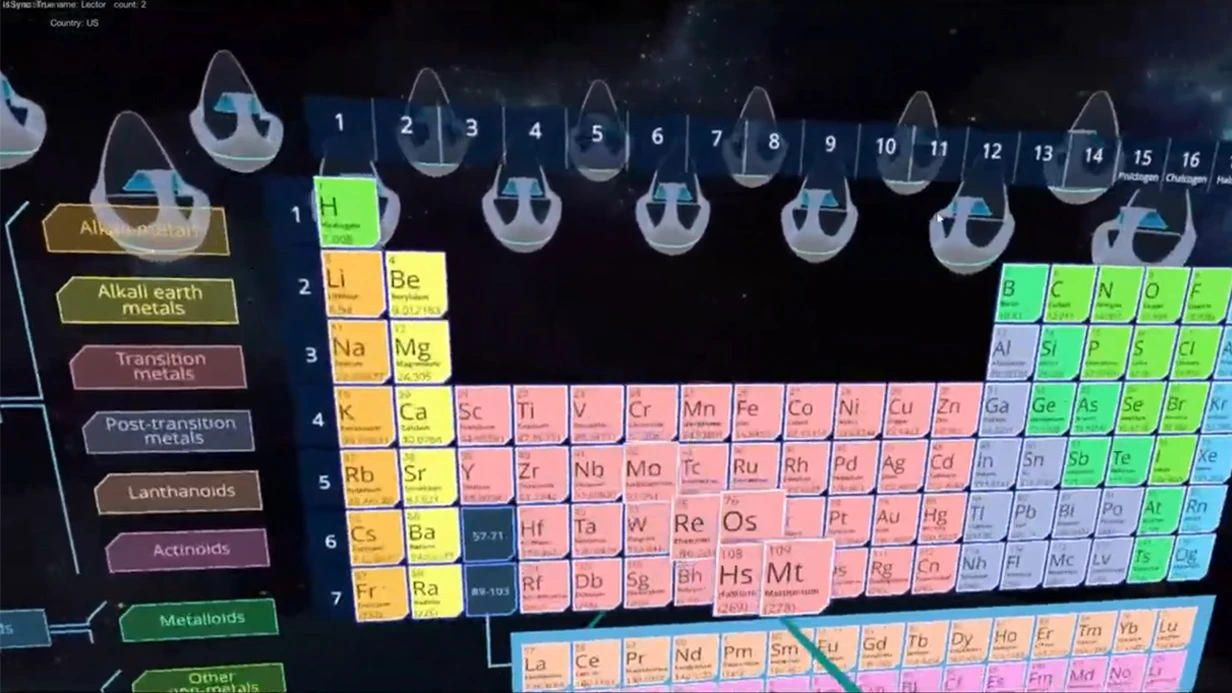
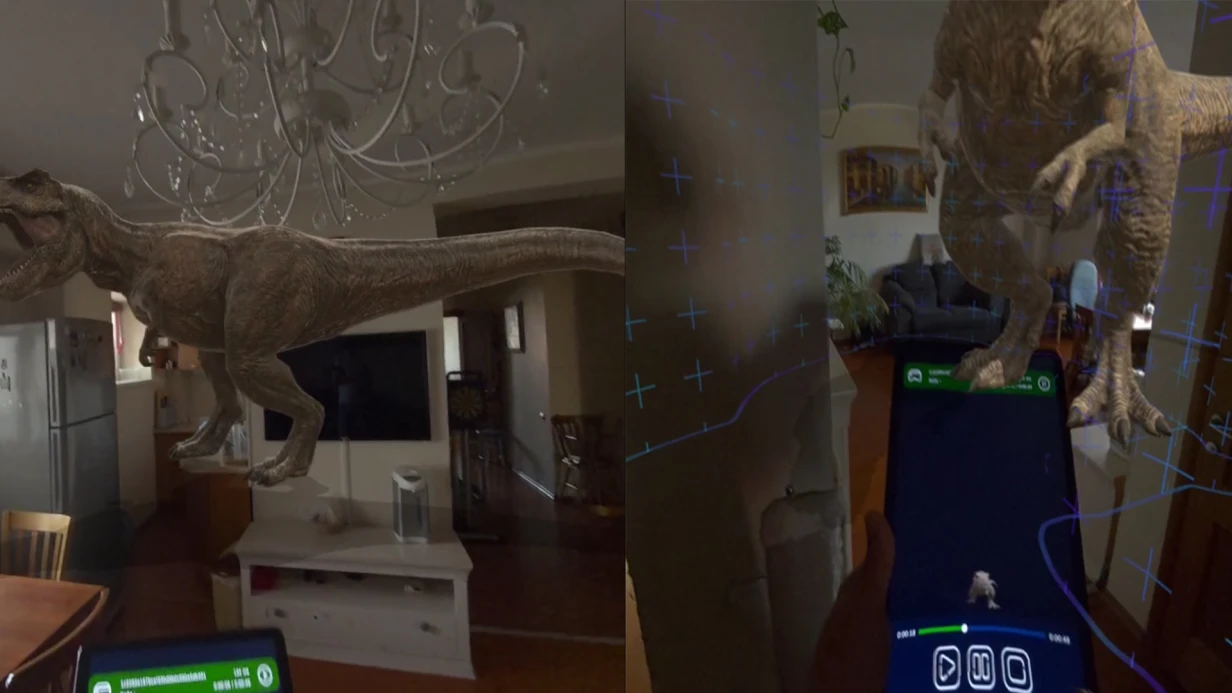
A virtual exhibition solves this without spending on physical construction: you get a full-fledged exposition, and we handle the development and launch.
Cost savings are the main advantage of this format. Instead of investing in every event, you invest once in a 3D showroom that works for years.
The exposition is easy to update: add a product, change prices, replace the design — without rebuilding the structure or incurring new costs.
Audience reach also reaches a new level. A physical booth will only be seen by event visitors over a few days, while a virtual exhibition is available around the clock from anywhere in the world.
Clients get acquainted with your booth before, during, and after the event — the number of brand touchpoints grows without additional investment.
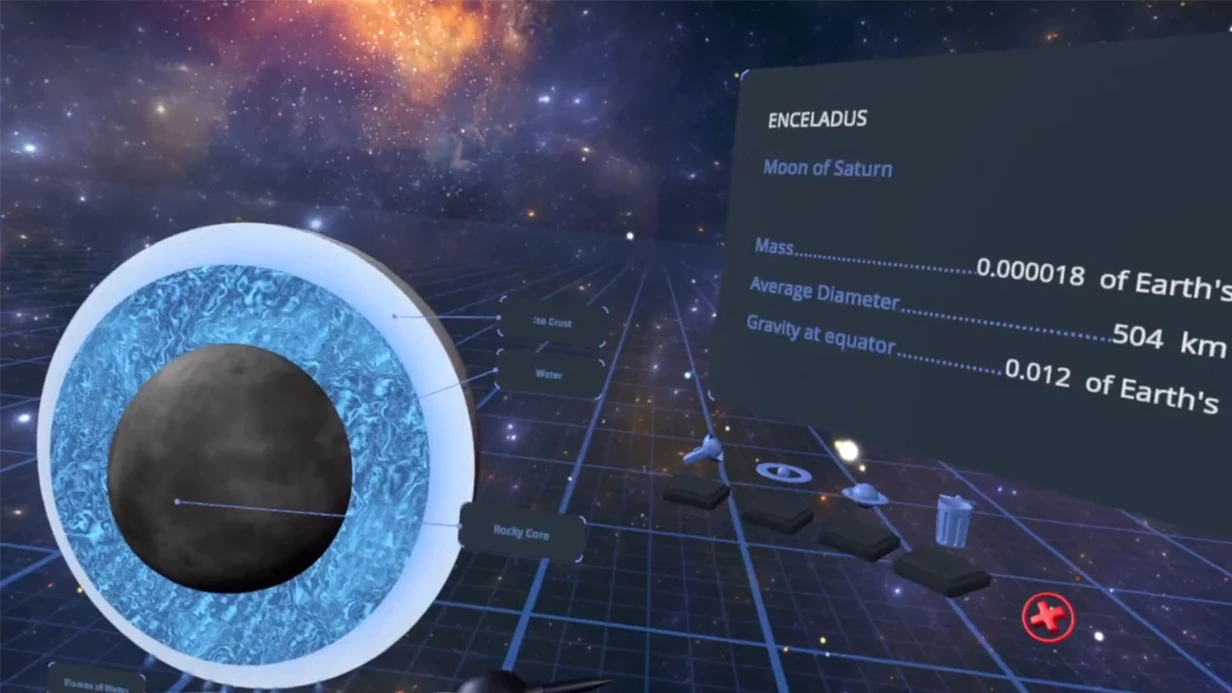
Engagement is where an interactive exposition differs favorably from static materials. The visitor controls the view themselves, zooms in on products, opens descriptions and videos, and explores details at their own pace.
Active participation is remembered better, trust in the product is higher, and thus there is a greater chance of getting contacts and bringing the guest to a purchase.
The result is measurable value for the business. We see who entered the booth, what they studied, and how long they spent, and this data helps sell with precision. Tell us about your task — we will build a virtual exhibition for your niche and show how it will pay off.
Virtual Exhibition Formats and 3D Showrooms
Different tasks require different formats: sometimes it is enough to show a product, and sometimes you need to engage the visitor in the brand story. We select a virtual exhibition format to match your goal and budget.
For businesses without the need to rent a large space, we develop a 3D showroom. For participants in offline events, we create a virtual booth tour. For organizers of their own events, we build an interactive virtual exhibition with lead collection right inside the space.
| Format | For Whom | What It Gives the Client |
|---|---|---|
| 3D showroom for business | Companies with a large product range and a modest budget | The buyer examines the product from all sides and chooses without a trip to the office — more leads with the same advertising spend |
| Virtual tour | Exhibition participants, owners of showrooms and production facilities | The visitor explores the facility from anywhere in the world, and you can showcase the booth even after the event ends |
| Interactive virtual exhibition | Organizers of industry meetings and brands | Guests click on exhibits, watch videos, and leave contacts inside the platform — instead of flyers, you get a database for your sales department |
We do not just make a “pretty picture”: each format is tailored to the visitor’s scenario. A person quickly understands where to click and what to look at — they stay longer with your product and are more willing to leave a request.
Engineers build the space using professional equipment and proven tools, so the result works consistently on both computers and phones.
How We Create a Virtual Exhibition: Project Stages
We have structured the virtual exhibition ordering process into clear stages — so you always know what is happening. The virtual exhibition development stages include a brief, concept, 3D showroom creation, content filling, and launch.
At each step, you see an intermediate result and can influence the solution without waiting for the final version.
- Brief and material audit. We discuss goals and audience, study your catalog, photos, and descriptions. This helps determine which products to show first.
- Concept and scenario. We design the structure of the space: halls, booths, visitor routes. You receive a visual layout and the visual style of the future exposition.
- Development of 3D models. We create digital copies of your products and exhibition structures. You see how the hall looks and make edits before the final version.
- Content filling. We add descriptions, photos, videos, and order links. We set up navigation so that visitors easily find what they need and stay in the exposition for a long time.
- Testing and optimization. We check how the showroom opens on different devices, speed up loading, and fix any issues. You get stable performance on opening day.
- Launch and support. We publish the project on your website or a separate page and train your staff. After launch, we stay in touch: we help update information and add new exhibits.
What Is Included in the Virtual Exhibition Delivery
When you order a virtual exhibition, it is important to understand in advance exactly what your business will receive as a result. We provide a turnkey virtual exhibition delivery package: from the 3D scene to instructions for your team.
Everything needed for launch and ongoing operation is included in the price, with no hidden fees or lengthy approvals at each step.
The project includes:
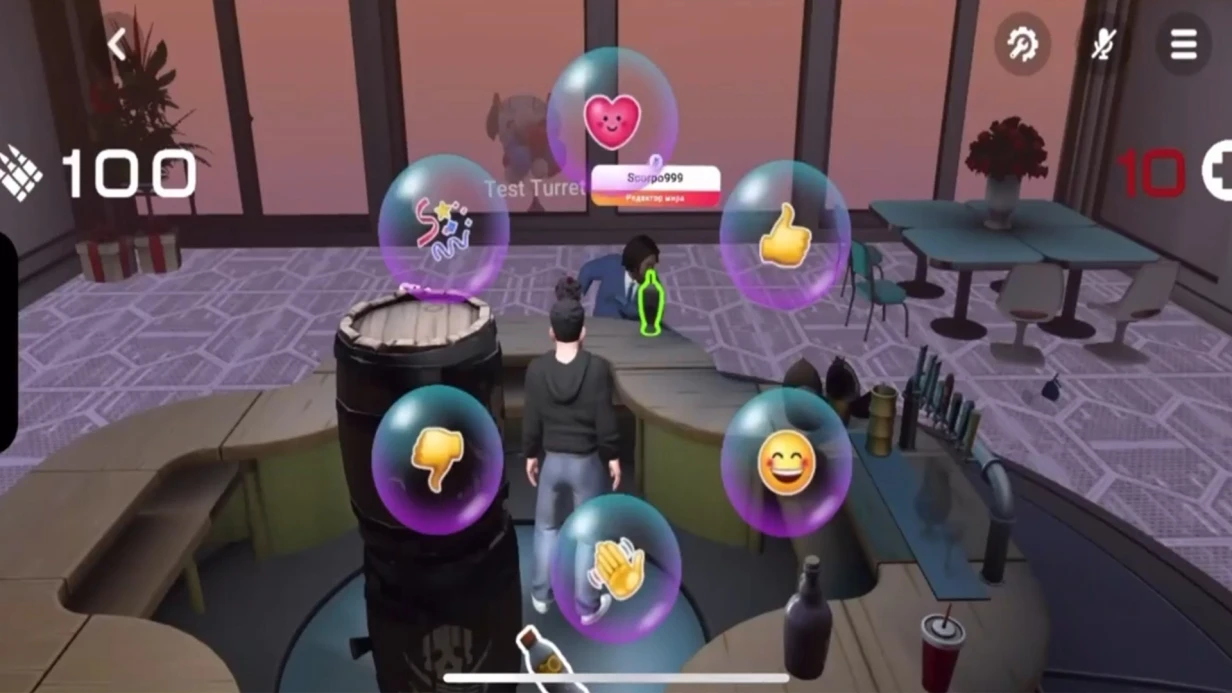
- Virtual exhibition hall. A space that follows the logic of a real booth: zones for exhibits, negotiations, and navigation. The visitor moves freely, just like at an offline exhibition — this preserves the familiar scenario of communicating with a client.
- 3D models of the booth and products. Each object is developed so that it can be examined from all sides. This replaces a physical mockup, which means saving on rental, logistics, and installation.
- Interactive elements. Clicking on an exhibit opens a description, video, or catalog; the “contact a manager” button launches a chat. It is these elements that turn a 3D showroom from a display window into a working sales tool.
- Navigation and search. A hall map, search by booths and categories, quick transitions — the visitor does not wander but immediately finds what they were looking for.
- Integration with website and social media. The exhibition opens via a link, embeds into a corporate website, and is easy to share. No installations or additional programs are required for users.
- Visit statistics. We record the number of guests, time spent at each booth, and actions with exhibits. This data shows which products generate real interest and helps adjust marketing.
- Support and training. We configure the system, record video instructions, and remain in touch after launch. You will be able to update content and add new exhibits on your own.
The entire package is delivered in one stage, with result approval at each step of the work. You get not just a pretty picture, but a ready-made tool for attracting clients and saving on exhibition costs.
Case Study: How a Virtual Showroom Increased Requests by 4 Times
It is hard for small businesses to compete at exhibitions with large booths: floor rental, structures, and logistics eat up the budget, and results are not guaranteed. We offer a different approach — a virtual showroom that works both before and after the event.
It is the idea of a budget booth: instead of tons of materials — a full-fledged 3D product display available to every visitor.
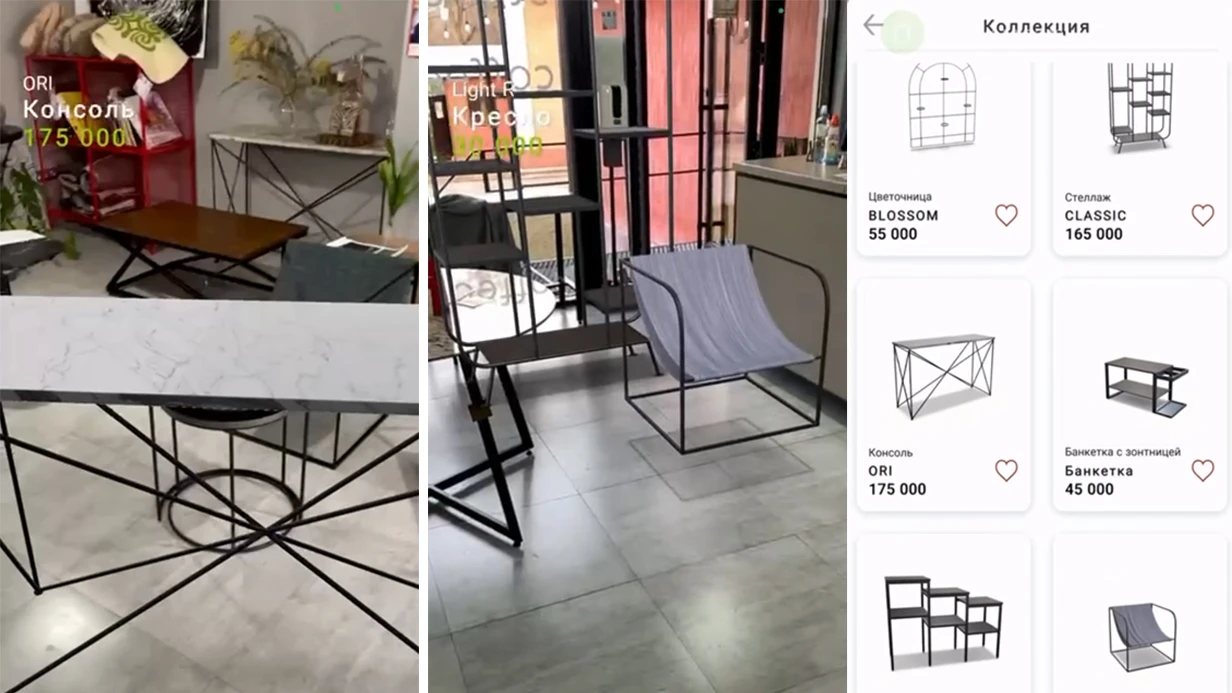
An office furniture manufacturer approached us. The company participated in an industry exhibition with a limited budget. We built an interactive virtual showroom based on Unreal Engine — a photorealistic copy of the new collections, opened directly from a tablet at the booth.
Visitors did not flip through a catalog; they “walked” through the halls themselves, opened drawers, changed colors, and immediately scanned a QR code to go to the catalog.
Virtual Showroom Results
Over two weeks of the exhibition, the virtual showroom was viewed more than 1,200 times, and most importantly, 70% of booth visitors confirmed that they had already studied the products online before the meeting.
The number of requests from the website grew 4 times within a month of launch, while the cost per contact dropped by a third — almost no marketing budget was needed for acquisition.
We did not just create a “pretty 3D picture.” The client received a working sales tool that continues to bring leads months after the exhibition.
Moreover, the company abandoned part of its expensive printed materials and heavy booth structures, shifting the focus to interactivity. The virtual showroom became their permanent trading platform for negotiations — managers open it during calls and commercial proposals.
Why This Works for a Small Budget
This format replaces several expensive booth elements at once: there is no need for dozens of samples, video screens, or additional staff. One employee with a tablet is enough, and the depth of presentation is like that of a high-end booth.
Development costs pay off after just one event, and the showroom itself is used for sales for years. Contact us to calculate how a virtual exhibition will fit into your budget and what lead growth metrics it will bring.
Frequently Asked Questions About Virtual Exhibitions
Before ordering a virtual exhibition, many have the same doubts: cost, timelines, and complexity for guests. We answer the main questions briefly and to the point — without technical details.
How much does virtual exhibition development cost?
The price depends on the format: a basic 3D tour is cheaper than a custom showroom with multiple halls and special effects. We provide the exact cost after a brief and fix it in the contract — with no hidden payments. If the budget is limited, we use ready-made modules and adapt them to your style.
How long does launch take?
A basic exhibition takes from two weeks; a full showroom takes four to six weeks. We specify the timeline in the contract so that you can plan the launch for the right event.
Will visitors find it difficult to understand?
The controls are intuitive: a guest gets the hang of it within half a minute, and nothing needs to be installed. Everything works in the browser, and we can add a hint at the entrance if desired.
What guarantees and update options are there?
We guarantee the timeline and the scope of work, and after launch we fix errors free of charge during the warranty period. The exhibition is easy to update: change exhibits, prices, and texts as the season progresses — we will provide simple instructions or do it for you.
Did not find an answer? Write to us — we will send a preliminary estimate for your project within one business day.Ready to Discuss Your Virtual Exhibition?
A virtual exhibition eliminates several expense items at once: venue rental, installation, logistics, and printing.
For small budgets, it is a way to make yourself known without compromising on quality — visitors see the product in 3D, from anywhere and at any time, and you pay only for development.
Even a modest estimate can become a strong booth idea if you choose the right format. We select a solution to fit your budget, not the other way around, and suggest where to save without losing effect.
Leave a request for a consultation — we will calculate the cost of a 3D showroom and offer options that fit your plan.
After contacting us, you will receive:
- a cost estimate for a virtual exhibition tailored to your scale and goals;
- advice on formats: from a compact display to a full exhibition hall;
- examples of solutions for budget booths that have already brought clients requests;
- a timeline assessment and a clear launch plan;
- recommendations on content: which materials will strengthen sales and which will not;
- post-launch support and the possibility of refinements.
You can order a virtual exhibition today — just write to us. In response, we will send preliminary options and guide you on budget and timelines. We will reply within one business day and propose a first action plan. This is free and non-binding: we will find a solution that works for your revenue.
How to Choose a Virtual Exhibition Format for Your Budget?
First, decide what matters more: fast reach or deep engagement. A virtual exhibition catalog with 3D elements is the most affordable option: it captures visitor attention, lets you show the product in detail, and requires less investment than a full showroom. If your goal is to test demand, this is the optimal start.
If you need to retain the client and stand out from competitors, look toward a 3D showroom with a walkthrough of the premises. This format gives a sense of personal presence, which increases trust and conversion to a request — while keeping the budget within reasonable limits. We help you choose the level of detail for your niche: from laconic spaces to rich zones.
The main rule is to start from the goal, not the price. An exhibition for brand awareness and an exhibition for selling a specific product are different projects.
That is why we first clarify the visitor scenario: how much time they spend, what they look at, and what action they should take. Based on that, we build an estimate where every unit of investment works toward the result.
The good news: even a limited budget can deliver a professional result. Thanks to thoughtful architecture and reusable models, we reduce costs without losing visual quality. You get exactly the format that pays off in your situation, not a “maximum for everything.”
Still in doubt — send us a description of your task, and we will offer 2–3 options with differences in cost and effect. You can compare and choose what suits your budget best.