

Why buyers don't see the benefits of your home appliances
Customers choose home appliances online, but flat photos don't show what matters most: real dimensions, proportions, quality of materials and finishes.
It's even harder to understand how a refrigerator will fit into a kitchen interior or how much space a washing machine will take up. As a result, people hesitate, postpone the purchase, and often switch to a competitor who managed to answer their questions.
Every doubt is a lost customer. While a visitor studies your page, other sellers are already showing products from different angles: clearly, in 3D, right on the website.
In this situation, the buyer chooses the one who created the right impression, and online sales flow to where the appliances look more attractive and easier to understand.
A regular showcase displays only the front side, while the important details are often hidden at the back and sides: how the door opens, what shelves are inside, where the hose connects.
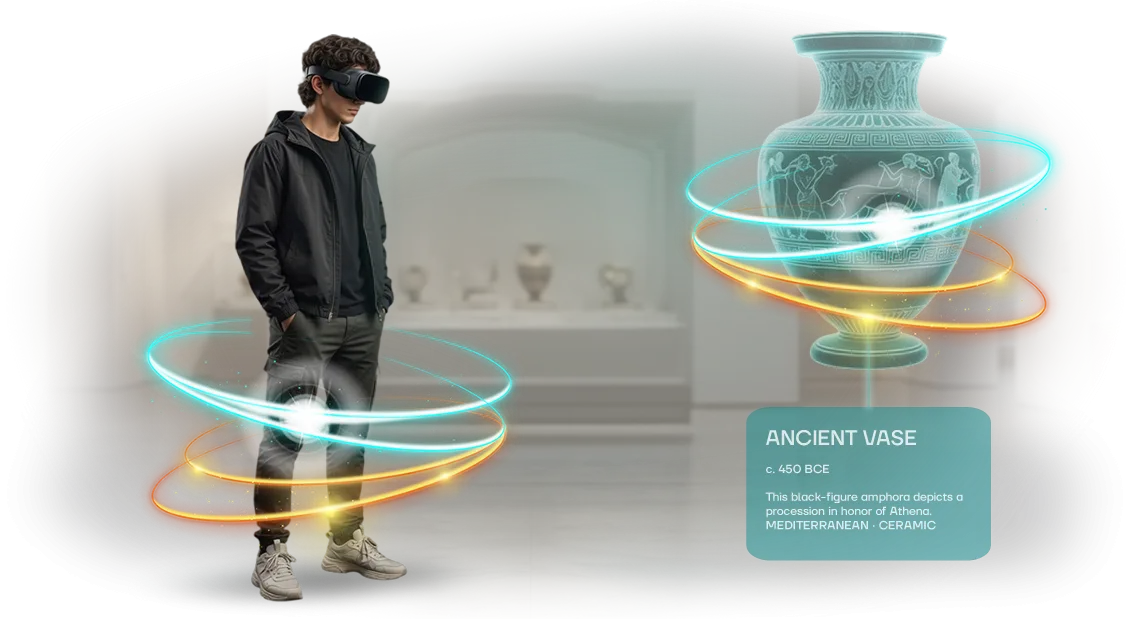
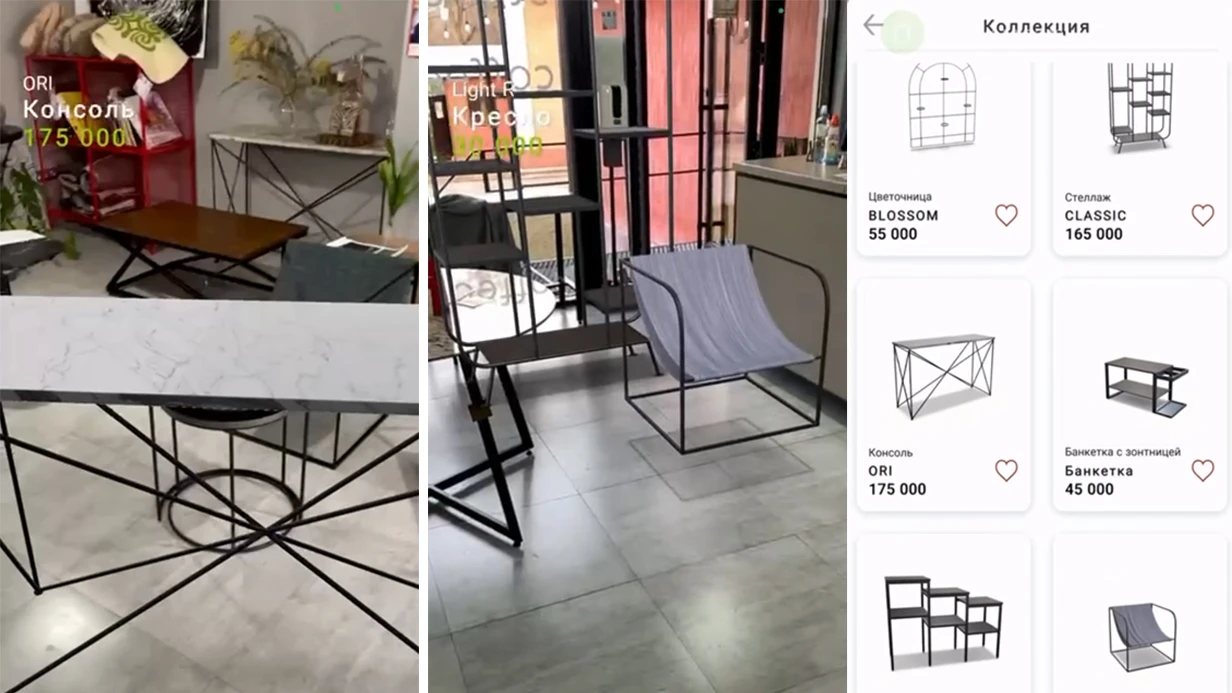
A virtual showcase eliminates these gaps — the visitor zooms in, rotates, and "places" the appliances in their own space. They no longer have to guess from fragmentary photos; they see the product whole and from every angle.
As a result, customers understand exactly what they'll get for their money and make a decision much faster. For the business, this means higher conversion, fewer returns, and a clear competitive advantage that sets your catalog apart from sites with just two or three photos. This approach wins back those who previously left due to a lack of information.
We help close this gap. We create virtual 3D showrooms and exhibitions for your home appliances: visitors can examine the device inside and out, "place" it in a virtual kitchen, and evaluate all its features. You get a visual showcase that sells the benefits even before the first contact with a manager.
What a virtual showroom gives your brand
A virtual showroom is not just a pretty 3D model — it's a working tool that solves specific business problems. Instead of static photos and long descriptions, you give customers the ability to interact with the product: view it from any angle, change the color or configuration.
This level of engagement holds attention much longer, and during that time, shoppers can examine details that would typically escape them during a regular viewing.
The interactive format instantly boosts brand recognition. Whether at an exhibition or online, a virtual showcase instead of a regular booth is memorable and gets talked about.
Customers perceive the company as progressive and customer-focused, which directly builds image and trust. Users gladly share links to such a showroom, expanding reach without additional advertising spend.
Most importantly, a virtual showroom drives sales growth. The ability to examine a product in detail removes the doubts that typically hinder purchase decisions. As a result, conversion from visitor to buyer increases and the sales cycle shortens.
Customers who have already "met" the product in 3D are more likely to return for repeat orders and recommend the brand to their friends.
This solution pays off both as a standalone channel and as a complement to offline events: exhibitions, presentations, showroom openings. You get a tool available to customers 24/7 from any device, and one that is easy to update for new collections.
That's why we recommend viewing a virtual showroom as part of your promotion strategy, not an expensive toy.
We've helped create such projects for brands across various industries, so we're not talking about benefits in theory. Below, we've collected answers to the most common questions — about timelines, formats, and how the launch works.
If you still have doubts, just ask us — we'll walk you through the details using your product as an example.
Virtual exhibition formats for different tasks
A virtual exhibition is not a single template but several formats that solve different tasks.
A 3D tour immerses the visitor in the atmosphere of the space and allows them to examine appliances in detail; a virtual hall brings dozens of exhibits together in a single entry point; and an interactive catalog helps customers quickly find the right model and compare it with alternatives.
The choice of format determines how easily a client gets acquainted with the product and how quickly they make a decision.
We select the format based on the specific business task and audience: for short advertising campaigns, a compact catalog is enough; for a dealer network, a virtual hall with booth navigation; for a premium brand, a full 3D tour with interiors and activation scenarios.
The key is not just to render graphics, but to create a tool that guides the visitor from the first glance to a price inquiry or contact request.
| Format | Who it's for | What it gives the customer |
|---|---|---|
| 3D tour | Manufacturers, dealers, showrooms | Sense of personal presence, detailed examination of models from all sides, ability to show appliances in an interior — higher trust and conversion |
| Virtual hall | Exhibition organizers, marketing departments | A single platform for many exhibits, convenient navigation, visit statistics — easy to scale and analyze |
| Interactive catalog | Wholesale buyers, sales managers | Quick search, comparison of features and configurations, minimal time to find the needed information — faster sales cycle |
How showroom development works: stages and timelines
Developing a virtual showroom for home appliances is a project we manage using a proven process. From the very start, you know what stage the work is at, what needs to be approved, and when the result will be ready. No black boxes: just clear steps, fixed deadlines, and full control on your end.
-
Briefing and diving into the task. We gather the requirements: which appliance categories to showcase, which viewing scenarios matter, and what business task the showroom should solve. The result is a technical specification that you approve.
-
Concept and plan. We propose the space structure, navigation logic, and visual style. We set deadlines for each stage so you can plan the launch and communication with customers.
-
Layout approval. We present an interactive prototype: how visitors will move around, open product cards, and examine details. You make edits before the main work begins — this saves time and budget.
-
Showroom assembly. We fill the space with 3D models of your appliances and set up lighting and materials. Shoppers get the impression they're standing in a real store and can examine the product from every side.
-
Testing and launch. We test performance on different devices and browsers and fix any issues. Then we place the showroom on your website or a dedicated page — and hand your team the instructions for using it.
-
Post-launch support. We continue to support the project: we update models, add new items, and adapt the functionality to changing business needs. You're never left alone with the finished product.
What is included in the virtual exhibition delivery
A virtual home appliance exhibition should work as a standalone sales channel: show the product, answer questions, and collect contacts. We package the project into a set that your marketing and sales team can launch without developers or contractors. Here's what you get when the work is done.
- A ready-to-use virtual showroom. Halls, showcases, and interactive 3D models of your appliances — from refrigerators to washing machines. Visitors examine the product from every angle, open the door, study the control panel — just like in a regular store, but without the rental overhead.
- An easy-to-use control panel. You add new products, update prices, promotions, and descriptions yourself. No need to wait for a programmer to update the showcase: an employee can do it in 5–10 minutes.
- Project source files. All graphic and software files are transferred to you — they're your property. At any point, you can hand the project to another contractor or develop it further with your own team.
- Employee instructions. Step-by-step materials on launching the exhibition, setting up halls, and working with inquiries. Written in plain language, suitable for people without technical training.
- Staff training. We conduct an online walkthrough after which managers can give tours themselves, answer visitor questions, and collect contacts into the tracking system.
- Post-launch support. Throughout the agreed period, we help with technical issues and updates to keep the exhibition running smoothly on its busiest days.
In the end, you get not a demo page but a ready-made sales tool: with trained staff, clear procedures, and all source files in your hands. This lets you launch in a few days and quickly recoup your investment through more inquiries and repeat visits.
Case study: boosting interest in home appliances after a showroom launch
Visitors rarely spend more than a minute on a product page: photos and specifications don't show how a refrigerator will fit into a kitchen. For a home appliance retailer, this means lost leads — the customer switches to a competitor without making a decision.
We suggested moving part of the display into a virtual showroom. Here, shoppers examine the appliances from all sides, open the doors, and "place" models in their own apartment. A short session replaces a trip to the store and increases confidence in their choice.
Business results
A pilot for the TechnoLine store chain delivered quick results. In the first month, average time on appliance pages more than doubled — from one minute to two and a half.
The number of inquiries via the website increased by a third, and repeat visits to the catalog accounted for 20% of customers.
The growth in interest happened without active advertising. Those who explored the appliances in the showroom are three times more likely to leave contact details and submit an inquiry.
Managers note that these customers arrive with prepared questions, so consultations are shorter and purchases happen more often.
After the pilot, the solution was scaled to the entire product range — refrigerators, washing machines, and dishwashers.
The client returned a year later to expand it for a new product line: for them, the virtual showroom had become a working sales channel, not a one-off promotion.
How to choose the right format for a virtual exhibition?
Choosing a virtual exhibition format starts not with technology but with answering two questions: what task the display should solve and what budget is allocated for its launch.
This is especially important for home appliances — the customer can't touch the product, so the format must compensate for the absence of tactile contact: show scale, details, materials, and how the features work.
If the main goal is broad reach and a quick launch, a lightweight 3D showroom that opens in the browser and requires no app installation is sufficient.
This option suits promotions, new product line presentations, and temporary campaigns — it comes together quickly, scales easily, and doesn't strain the budget.
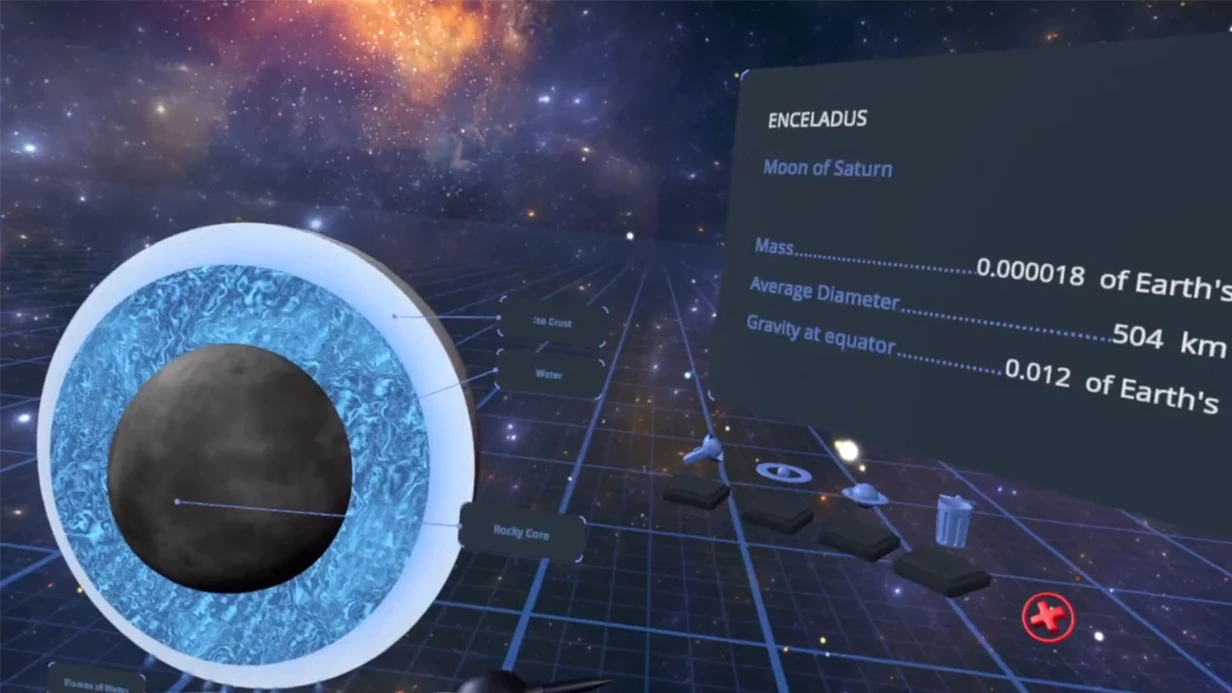
When deep engagement matters — for example, keeping a visitor on the page, letting them "build" a kitchen to their liking, or examining an oven in cross-section — it's worth considering a full VR presentation with interactive scenarios.
Here, the budget determines not only the complexity of the graphics but also the depth of scenario development. You can start with a minimal set: an overview hall, a few 3D models, and basic transitions between zones.
Later, you expand it — adding configurators, video reviews, cart integration, or test-drive booking. This staged launch allows you to get results from the start and strengthen the display as sales grow, rather than waiting for a big release.
We help you choose the right format for your specific task: we analyze the audience, usage scenarios, and conversion expectations. For one company, this might be a showcase of 10 models with quick feature viewing; for another, a full showroom with three purchasing scenarios.
The key is that you get a solution that fits your goals and budget — not the most expensive option just for the sake of technology. After launch, you can see how visitors interact with the display and adjust it without stopping the project.
Common doubts when ordering a virtual showroom
Ordering a virtual showroom for home appliances almost always comes down to the same concerns: what if the technology fails at the worst moment, visitors can't figure it out, deadlines slip.
We've been through dozens of such projects over 10 years and know where these fears usually come from. Below, we address them head-on.
What if there's a technical failure at the opening?
We work with reliable professional equipment and a secure server architecture. Before launch, we run load testing to check how the showroom behaves under peak visitor numbers.
On the day of the event, an on-call engineer is available: if anything goes wrong, we'll fix it in minutes, not hours.
What if visitors can't figure out the controls?
We design the interface to be intuitive: one-click entry into the showroom, and navigation guides the next step. We create different modes for various visitor categories — from an auto-walkthrough to free exploration of the appliances.
We add short tooltips so every visitor can start exploring without instructions or extra questions to staff.
Will we make the project deadline for the event date?
We start with a clear plan and set milestone checkpoints. During the briefing stage, we agree on timelines; afterward, you see intermediate results: concept, working prototype, final version. If we need to speed things up, we have reserves — but not at the expense of quality.
Delays are usually linked to late content delivery, so we assign someone responsible for providing materials in advance.
What about data and security?
We host the project on secure servers and configure role-based access: only you decide who sees analytics and manages content. After the project is complete, you get access to the system and can update it yourself or leave the support to us. This is documented in the contract — no hidden terms.
Who is responsible if something goes wrong?
A dedicated account manager is responsible for each project. At every stage — from briefing to launch — you always know who's handling the task and when. After launch, a support channel remains: we answer questions, make edits, and help with updates. The warranty and scope of support are documented in the contract in advance.
Order your virtual showroom and get a finished product
Submit a request, and we'll turn your home appliance catalog into an interactive 3D showroom that drives sales. Within minutes of your inquiry, a manager will contact you, clarify the task, and select a format that fits your budget and timeline.
Next comes a transparent cost estimate and a clear work plan, and you receive a finished product you can immediately show customers on your website, in a presentation, or at an exhibition.
What you'll receive after submitting a request:
- A personal consultation: we'll analyze which display scenarios best suit your appliance line — from refrigerators to food processors.
- A cost and timeline estimate within one business day: you understand the budget and stages before the project starts.
- A prototype and showroom structure: we'll agree on product placement, interaction zones, and navigation methods.
- A finished virtual showroom: customers will be able to view the appliances from every angle, open the door, change the color, and see the product in an interior.
- An option for offline events: a demo mode for large screens, tablets, or a VR zone — attracts attention and keeps visitors engaged.
- Technical support after launch: we update content promptly, add new products, and adapt the showroom to your needs.
Each item is a step toward making your products look their best and sell themselves. You get not an abstract 3D solution but a tool that increases engagement and cuts the time managers spend explaining product features.
Fill out the request now — within a day, you'll have a plan, a cost estimate, and a clear understanding of how we'll build your home appliance showroom.