


The Challenges of Selling Decor and Interior Items Without a Virtual Exhibition
Customers choose decor and interior items with their eyes: they need to understand the scale, the texture of materials, and how the piece will fit into their space. A flat photo doesn't convey this — in an image, a vase can look small, and an armchair can seem to lack volume.
As a result, the client hesitates, postpones the decision, and often goes to a competitor who presented the product more clearly.
For interior marketing, this turns into direct losses: leads are abandoned at the comparison stage, managers spend hours on clarifying questions, and some purchases are returned because "I expected a different size." Selling decor without a compelling presentation becomes a series of guesses — and the client prefers to choose what they have already seen in volume.
A virtual exhibition removes these objections even before contact with a manager.
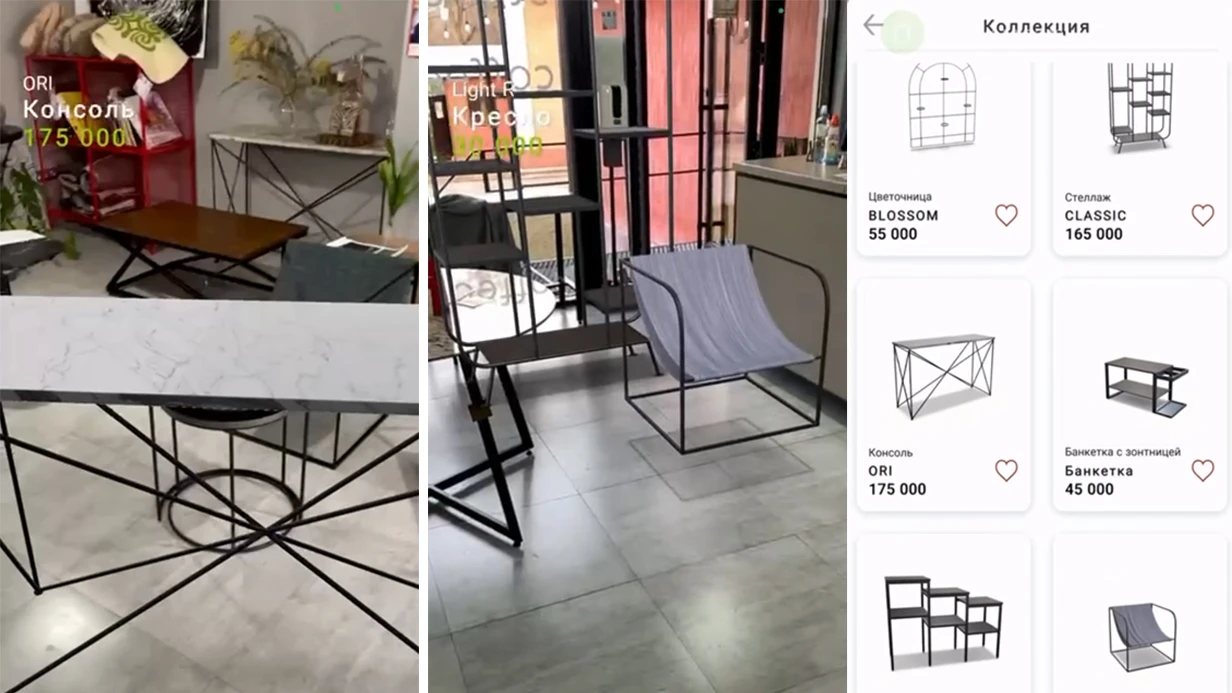
The buyer examines the item from all sides, assesses its dimensions relative to the surroundings, and sees the honest texture of the material — without trips to the showroom and without the risk of disappointment after delivery.
They can zoom in on details, examine the texture, and estimate how several items work together in a single setting. This format shortens the decision-making cycle and increases trust in the brand.
We cover this: we develop virtual exhibitions and 3D showrooms tailored to the needs of interior businesses and support the project from shooting to launch. All you have to do is present the product in a way that makes people want to buy it.
What a Virtual Exhibition Gives Your Business
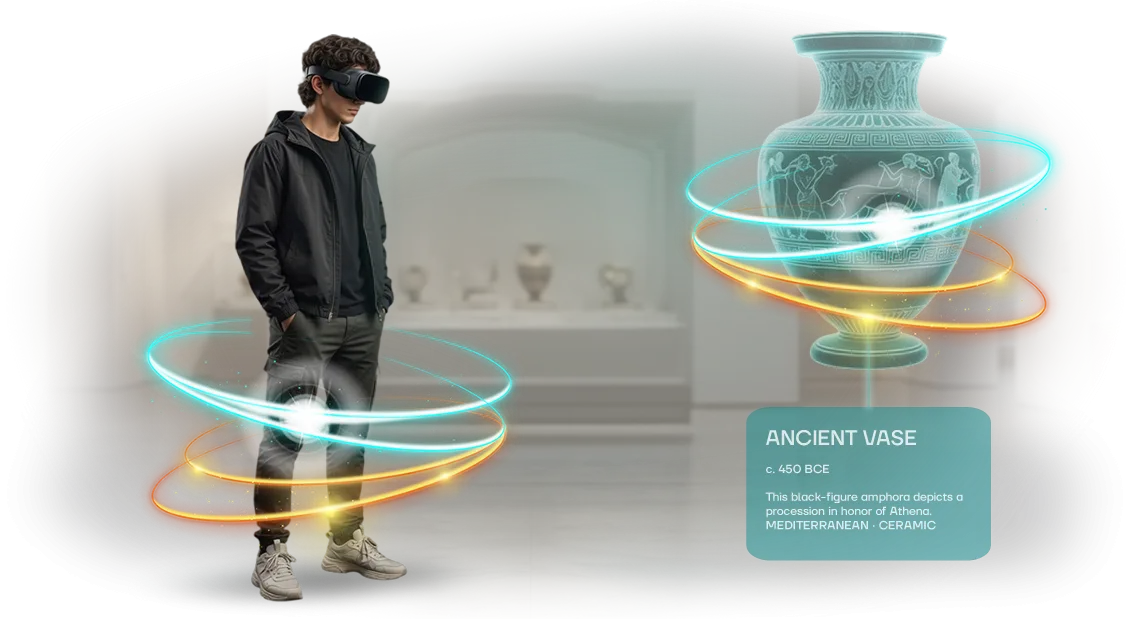
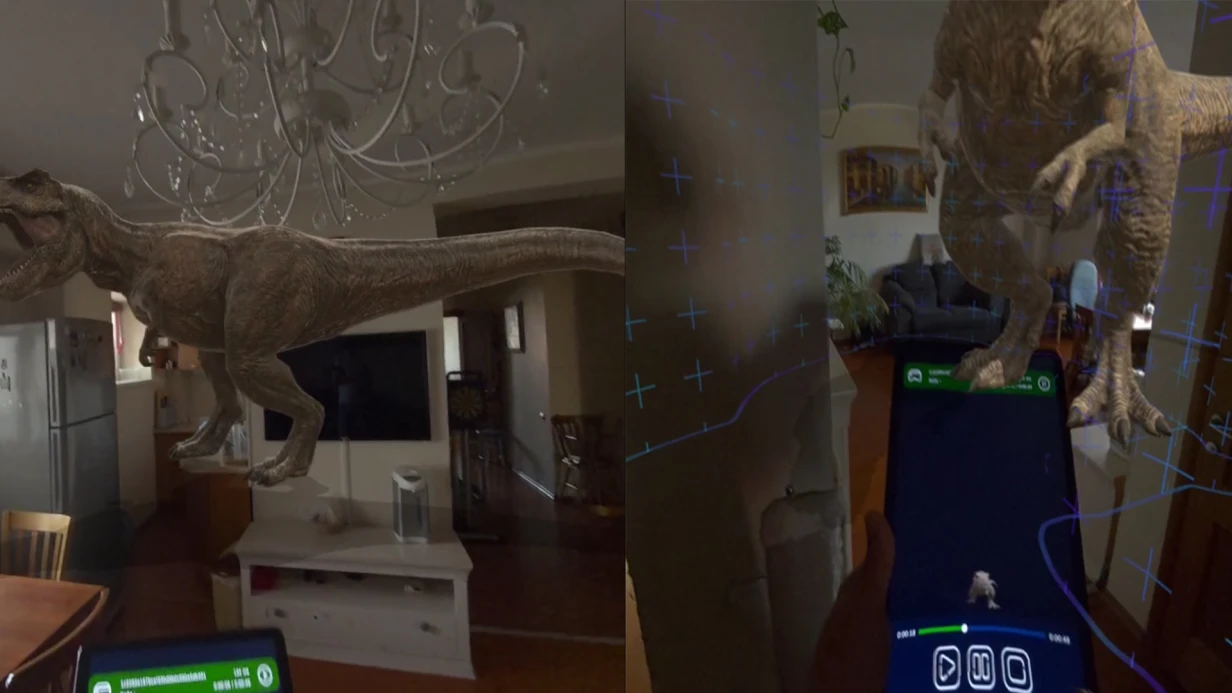
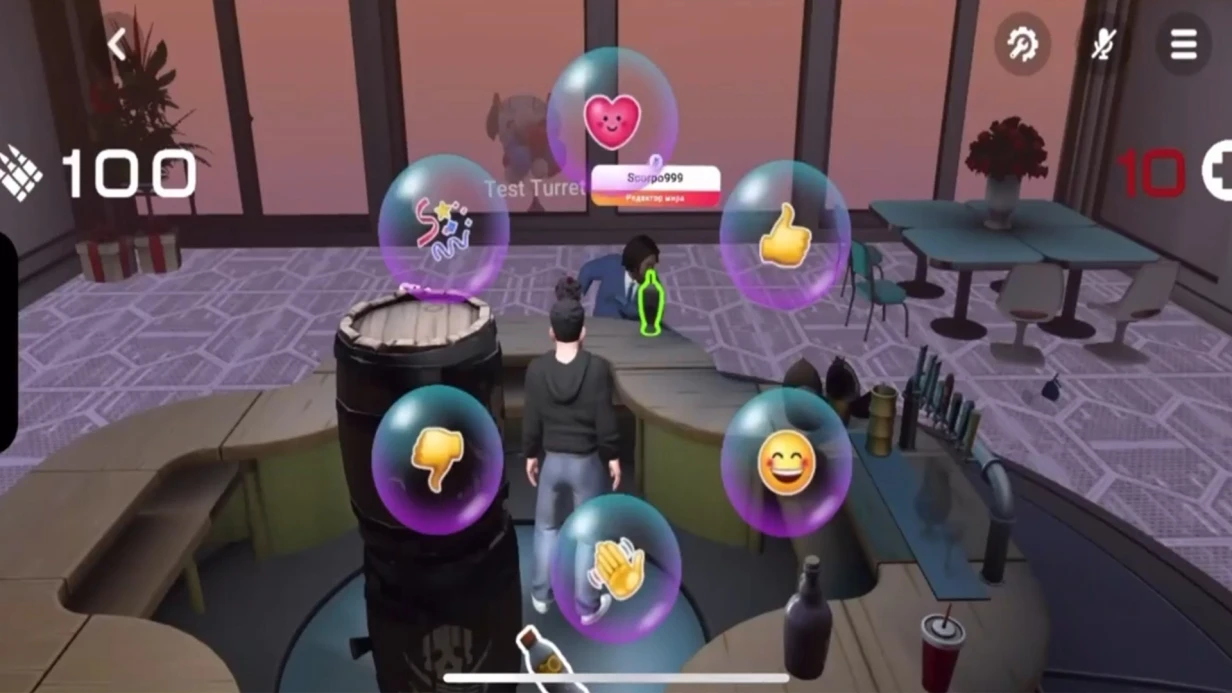
A virtual exhibition is not an electronic catalog but a full-fledged brand space where visitors interact with decor and interior items. They can inspect a product from all sides, move it around the room, and imagine it in their own interior.
This format engages the guest in the purchase scenario even before the first conversation with a manager, which means every visit brings them closer to an order.
Audience Engagement and Increased Brand Awareness
When guests control the setting themselves and see an item from different angles, their interest in it multiplies. Time spent on the platform increases, and the emotions from "trying on" an item make them return and share links.
Each such visit strengthens your brand's presence in social media and search without an additional advertising budget.
The virtual platform collects statistics on every visitor: which objects attracted more attention, which combinations were chosen more often.
This data helps you understand demand more precisely and prepare personalized offers — the number of inquiries grows, and the time spent qualifying a client decreases.
New Inquiries and Savings on Exhibition Space
A virtual exhibition welcomes guests around the clock from any city — there is no need to rent a hall or transport fragile decor. You reduce costs for logistics, installation, and security, while inquiries continue to arrive for several weeks after the event closes. For a company, this is both a sales tool and an ongoing marketing asset.
We create virtual showrooms for decor and interior items: from presenting a single collection to a permanent catalog with automated inquiries. You get a working business tool, not just a pretty picture.
Formats of Virtual Exhibitions for Your Task
A collection of decor and interior items requires a special approach to online display: texture, scale, and atmosphere matter here. Ordinary photographs do not convey how an item will fit into an interior, and a video tour limits the viewer's freedom.
A virtual exhibition solves this problem — the visitor moves through the space themselves, examines details, and activates the desired scenarios.
We offer three formats — from a light express tour to a full-fledged 3D showroom. They differ in the depth of detail and the size of the investment, so you can choose the level your business needs right now.
Format Comparison
| Format | For Whom | What It Gives the Client |
|---|---|---|
| Express Tour | Quick launch of an online showcase for new arrivals or a temporary promotion | Coverage without app installation, launch in a few days, focus on key exhibits |
| Interactive Exhibition | Regular catalog operation for a collection, training, and selection | Visitors explore items in detail, open descriptions, and move on to inquiries — higher engagement and more requests |
| Full 3D Showroom | Presentation of a flagship series, decor, or an entire salon | Complete immersion in a thoughtfully designed interior, a memorable "journey" scenario, increased loyalty and repeat visits |
Whichever format you choose, it will work for brand awareness and sales. At every stage, you receive clear statistics on visits and guest actions, and we adapt the solution to your corporate style.
How the Development of a Virtual Exhibition Works
Developing a virtual exhibition is a transparent, stage-by-stage process where you always know what is happening and what the outcome will be. We have refined the algorithm across dozens of projects for decor and interior brands — from the first brief to post-launch support.
No "gray areas" or surprises in timelines: each stage has a concrete result and the opportunity to make changes.
-
Brief and immersion in the task. We study your collection and assortment, and identify the goals — showing products in a natural interior, engaging designers, or increasing sales through the website. We record your requirements and propose a format that fits your budget and objectives.
-
Design concept and space planning. We work out the structure of the virtual exhibition: how the visitor will move between halls, what accents to set, and how to present each item. We agree on the scenario and visual style before development begins.
-
Creating 3D models and spaces. Based on your photos, drawings, and catalogs, we build realistic models of items and interiors. Attention to materials, textures, and lighting — so the decor looks natural and sells itself.
-
Assembly and setup of the virtual showroom. We combine the models into a single interactive environment: navigation, product descriptions, information points, and buttons for placing an order. We verify that everything works correctly on computers, tablets, and smartphones.
-
Testing and launch. We show the finished project, make final adjustments, and place the exhibition on your website or connect it to the required platform. We train you — you will be able to update prices, add new items, and change descriptions yourself.
-
Post-launch support. The exhibition is not static: you add new items, change seasonal collections, and we keep the space up to date. We answer questions, make refinements, and help the project work for you for many months.
What Is Included in the Delivery of a Virtual Exhibition
You receive a service ready for launch, not a set of files. We build the virtual exhibition turnkey: from digital models and descriptions to the interface, staff training, and post-launch support. All you need to do is share the link with your customers.
The delivery package includes:
- Digital copies of your interior items — the buyer can view a product from any side, zoom in on details, and assess the scale even before visiting the showroom.
- Virtual rooms and interior scenarios — we show products in a finished setting so visitors see them "in action" and decide to purchase faster.
- A convenient catalog with navigation — search by style, material, or SKU, filters by collection, and a path to ordering without extra steps.
- A control panel for your manager — the collection composition, prices, and descriptions are updated independently, without a programmer.
- Training for your team — a short practical session after which employees confidently work with the system.
- Technical support and maintenance — we stay in touch after launch, monitor stability, and promptly make changes per your requests.
- Website and social media integration — the exhibition opens on any device and is easy to share via link, bringing new customers to your business.
Case Study: Virtual Showroom for a Decor Salon
A decor and interior items salon came to us with a challenge: clients saw the products in the display window but did not understand how they would look in their own living room or bedroom.
Ordinary photos and catalogs did not convey the scale and compatibility of the items, so the purchase decision was postponed.
We created a virtual showroom — a space where you can "walk through" the rooms, view the decor from different angles, and try it in your own interior. For the DecorLife salon, we divided the collections into themed zones: living room, bedroom, study. The visitor can change colors and materials — this removes the main doubts before ordering.
The virtual exhibition case delivered measurable results. In the first three months, conversion from viewing to inquiry grew 2.5 times, and the average time in the showroom amounted to 7–8 minutes, compared to one minute on catalog pages. Clients began to return more often to selected items before purchasing.
The showroom paid for itself after the first sales. The number of returns decreased — the virtual fitting demonstrated how an item would fit into the interior. The client received not a pretty 3D picture but a working sales tool that attracts buyers around the clock.
This experience confirms: a properly made decor showroom turns catalog browsing into a clear path to purchase. Let's discuss your project — we'll show you what your own display window could look like.
How to Choose a Virtual Exhibition Format for Your Task?
It all depends on what you want to get from the virtual exhibition. If the main goal is to show a product in a natural setting and give the buyer a sense of presence, choose a 3D tour of the showroom.
It works as a digital copy of your exhibition space: the visitor "walks" through the halls, views items from different angles, and understands how they combine with one another. This format is best suited for decor and furniture collections where atmosphere matters.
When you need to present dozens of items but the buyer has little time, an interactive catalog is more effective. It is a display window with large photos, filters by style, material, price, and a quick path to ordering.
The focus here is on speed and ease of selection, not visual immersion. The catalog is easy to update — you can add new items without reshooting the entire showroom.
A full VR showroom deserves special attention. It is needed if you work with the premium segment or with real estate at the renovation and planning stage.
The client puts on a headset and finds themselves in your space, can "approach" an item, change its color, or rearrange it. This greatly increases engagement and shortens the deal cycle — a person makes a decision faster because they see the result before purchasing.
In practice, we most often combine formats: a basic 3D tour as a display window and an interactive catalog as a working sales tool. VR mode is connected for key items or individual presentations. We'll advise which option will deliver maximum results for your budget and product category.
Frequently Asked Questions About Virtual Exhibitions
A virtual exhibition is not "just a 3D model" but a full-fledged sales tool. When we show a decor and interior items project in this format, clients finally see how an item looks in real space and scale. This removes most doubts before purchase and shortens the deal cycle.
Let's look at the most common questions business owners ask when considering a virtual exhibition. The answers will help you understand how it works in practice and what you get as a result.
How long does it take to create a virtual exhibition?
It all depends on the scale: a typical showroom with a dozen items takes about two to three weeks from brief to launch. If you need a large exhibition with dozens of stands or complex interaction scenarios, the timeline grows to a month and a half.In any case, you receive a schedule with milestones in advance — what is ready at each stage and exactly when the exhibition will go live. Importantly, we work iteratively: you see intermediate versions, not just the final result.This eliminates the situation where a project turns out to be "not to your liking" only after completion. How much does it cost? Will it fit our budget?The budget depends on the volume of content and the complexity of the interactives. We select a format for the task: for some clients, a detailed 3D showroom with several interior items is enough; others need a full exhibition space with navigation and multimedia.Before we start, we provide an estimate based on the brief — you receive a transparent budget breakdown with no hidden fees.And since this format replaces part of the physical costs for rent, stands, and logistics, the investment quickly pays off through increased reach and orders. How do we integrate it with our website and social media?The virtual exhibition is hosted on your domain or subdomain — it is a full-fledged web page that requires no software installation.We embed it into your existing site so that a visitor reaches the showroom in one click, and from the catalog goes straight to the cart or to an inquiry for viewing.For social media and newsletters, we add direct links to a specific exhibit or hall: the subscriber opens the material and instantly finds themselves inside the space, without redirects or extra steps.If desired, we connect analytics so you can see how many people visited the exhibition, what they viewed longer, and which products drew interest. What if something breaks in six months? Do you support the project?A virtual exhibition is code that runs on modern browsers, so the risk of it "breaking" is minimal.We use professional server infrastructure and proven development tools that ensure stable operation even under peak loads, when hundreds of visitors are viewing the exhibition at the same time.After launch, the project is not left unattended: we provide warranty maintenance, and afterward you always have the option to extend support or order an exhibition update.If a question arises, a personal manager is available — they help promptly, not "after the holidays." Order a Virtual Exhibition That Sells A virtual exhibition is not just a 3D model but a sales tool that works around the clock without renting a venue or installation.While a visitor browses your showroom, they already see the product in the right light, compare options, and make a purchase decision.We create 3D showrooms for decor and interior items so that every exhibit looks its best. Lighting, angles, presentation scenarios — everything is tuned for customer attention and ease of selection. That is why this format pays off within the first weeks of operation.
- Inquiry on the website and a free consultation — we'll discuss your task and select the right showroom format.
- Cost estimation and concept within 2 days — you receive a quote with no prepayment for the project.
- A personalized presentation scenario — hall structure, accents on collections, and viewing logic for your audience.
- Turnkey launch — shooting, 3D models, setup, and publication on your domain or a separate page.
- Post-launch support — we'll make edits, add new exhibits, and update the catalog when needed.
- Built-in inquiries and contacts — visitors can leave a request or proceed to payment without leaving the showroom.
Leave an inquiry through the form on the website — within 2 days you'll receive a ready concept and an estimate. After that, we'll bring the project to a result that generates inquiries and increases your brand's visibility. Order a virtual exhibition today and show your collection to those who are already ready to buy.