

Why a VR Showroom for Climate Control Equipment Boosts Sales
A buyer of climate control equipment is always a person with a lot of questions. They cannot touch a split system, see how it will fit into an interior, or compare models in real scale.
As a result, the decision drags on, and the manager has to spend hours on correspondence and explanations — while some customers leave for competitors where the choice is simpler.
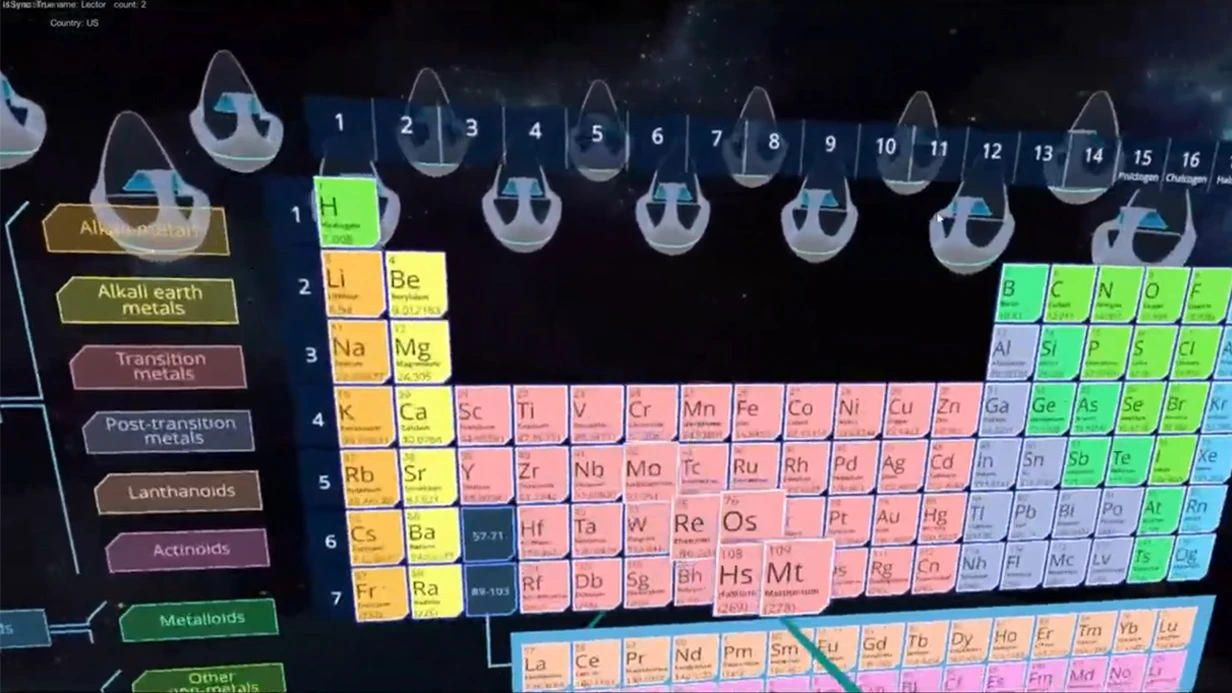
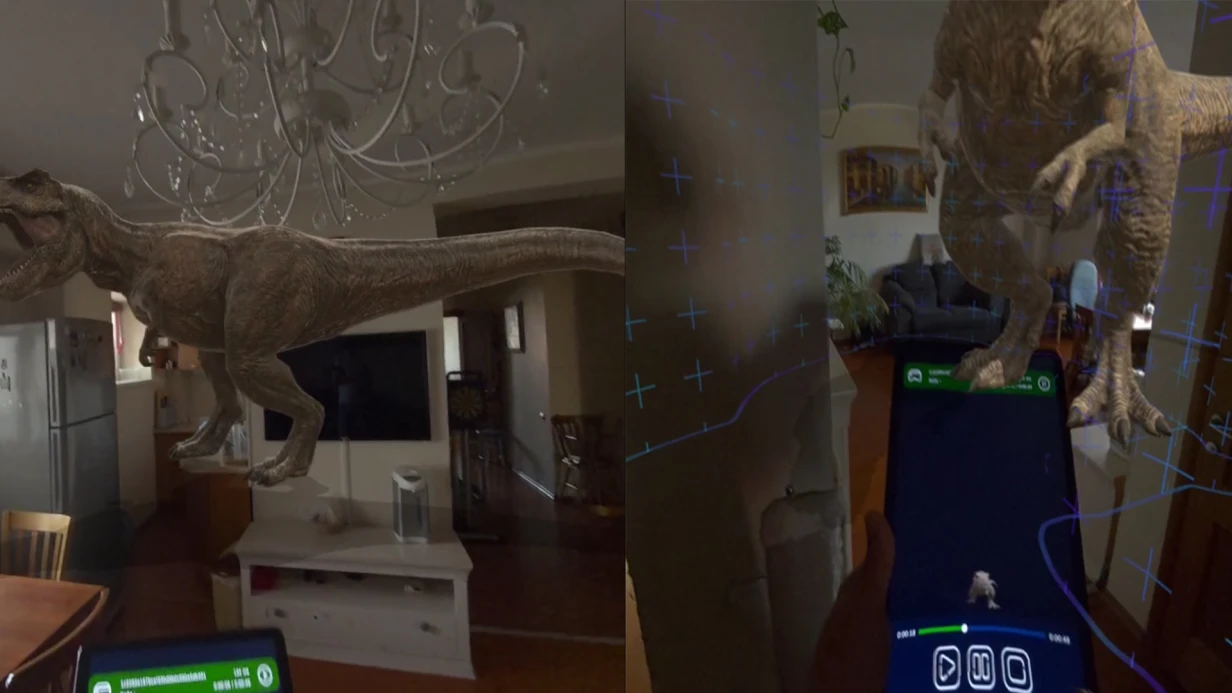
A virtual showroom for climate control equipment solves this pain point. Instead of flat photos and spec tables — a realistic 3D showroom where the buyer can inspect the equipment themselves, open panels, change colors, and immediately see how the model fits into a room.
It is an interactive catalog that works like a personal consultant — with no schedule and no days off.
This approach removes the main objections: “I can’t tell how it looks in real life” and “does the picture match reality.” While competitors show a static website, you give the client a sense of presence.
They stay on the page longer, explore details, return again, and are more likely to leave a request for a quote. Sales of climate control equipment grow not because you “pushed” a discount, but because the buyer made the decision themselves — confidently and without doubt.
For businesses, this also means lower costs for a demonstration hall: all equipment can be shown digitally without renting large spaces. And an exclusive 3D showroom sets the company apart from distributors who only offer catalogs.
The client remembers this experience and returns for the next order — a level of trust that cannot be achieved through an ordinary online store.
That is why we build virtual showrooms, not just a “pretty picture.” It is a tool that helps managers sell every day, and helps marketing measure interest in each model. As a result, you get not just a website, but a working sales channel.
What a Virtual Showroom Gives Your Business
A virtual showroom for climate control equipment is not just a 3D model, but a working sales tool. Your clients see the product in detail, from any angle, as if they were holding it in their hands — even when it comes to an industrial air conditioner or ventilation unit.
This format is available around the clock from any device, so the buyer gets acquainted with the product at a convenient time.
This kind of product experience directly affects sales growth. When a buyer can independently examine all the details, they have fewer doubts before ordering, which means a higher conversion from inquiry to deal.
Each such view is a potential lead that arrives without additional advertising. Even if the client does not buy immediately, they stay in the funnel and return later.
Another benefit is saving on exhibition space. You don’t need to rent a huge booth and transport heavy equipment: the entire product line fits into a compact digital space. You can show an assortment that would be physically impossible to place in a regular demonstration hall. Savings on logistics and rent increase the margin on every client.
In addition, a virtual showroom strengthens brand awareness. Clients remember the unusual format, gladly share the link with colleagues — this is free reach and additional leads.
And attention to detail and interface convenience build loyalty: the buyer understands that the company is keeping up with the times and values their time.
All these advantages of a virtual showroom come together into a single system that works toward results: higher conversion, lower demonstration costs, a stronger brand. It is an investment that pays off through more orders and repeat inquiries.
VR Showroom Formats for Sales Goals
Selling climate control equipment is difficult: you can’t bring the equipment to a meeting room, and the buyer wants to see how it will fit into an interior and how it will work.
A VR showroom removes this limitation — you show the equipment in scale, from different angles, and in action. But businesses have different goals: one is needed for an exhibition, another for a website, a third for training installers. We choose the format for a specific sales goal.
| Format | For whom | What it gives the client |
|---|---|---|
| Virtual exhibition | Booths at industry events | Attracts visitors, allows showing the entire product line without physically having the equipment. Increases time at the booth and the number of contacts collected. |
| 3D configurator | Marketing and sales department on the website | The client selects a model according to their own parameters, sees it in an interior, and immediately sends an inquiry. Increases conversion and shortens the sales cycle. |
| Panoramic tour | Installers, dealers, and the service department | A visual guide to installation and maintenance. Reduces the number of errors, speeds up commissioning, and lowers training costs. |
Whichever format you choose, we deliver a turnkey solution: we fill the scene with your equipment, configure the interaction logic, and embed it into your website or exhibition booth.
As a result, you get a tool that works for sales — it evokes emotions, removes objections, and helps the client make a decision.
How We Create a Virtual Showroom: Stages of Work
We have divided development into clear stages: you always know what stage the project is at and what you get as an output. No “black boxes” — after each step, you see an intermediate result and can make edits while it is still cheap and fast.
-
Brief and goal setting. We discuss which equipment models to show, which characteristics to emphasize, and who the target audience will be. You receive a clear technical specification that removes all contentious issues.
-
Plan and estimate. We agree on the structure of the virtual space, timelines, and cost. You know the scope of work in advance — with no hidden payments or surprises.
-
Creation of 3D models and virtual space. We develop digital copies of your products: air conditioners, heat pumps, ventilation units. The level of detail is sufficient to show engineering solutions and sales advantages.
-
Interim approval. We demonstrate a draft version: navigation, model appearance, texts. You make edits before final assembly begins — this saves time and budget.
-
Final assembly, testing, and launch. We configure lighting, materials, and animations, then test performance on different devices: computer, tablet, virtual reality headsets. Then we place the showroom on your website or a separate domain and connect traffic counters.
-
Post-launch support. We train your team, answer questions, help update the catalog, and refine navigation based on visitor feedback.
This process gives you control at every stage, and as a result — a virtual showroom that increases reach, reduces consultation time, and builds trust in your equipment.
What Is Included in the Virtual Showroom Delivery
Immediately after handover, you receive a complete package — not just a “finished website,” but a working sales tool where everything is thought through: from the appearance of your equipment to visitor convenience.
No hidden stages, no additional “finishing touches,” and no need to look for other contractors — everything is already assembled and tested.
The delivery includes:
- Realistic 3D models of your climate control equipment and space. The buyer examines the product from all sides, zooms into details, and assesses dimensions — so they make a purchase decision faster.
- A ready-made interface that is clear to your clients. The visitor moves around the showroom, opens product cards, compares characteristics and models — without training or hints, it works like an ordinary website.
- Interactive demonstration scenarios. Showing operating modes, seasonal settings, turning on and off — this makes the product tangible and removes the objection “I want to see it in person.”
- An admin panel for independent updates. You change prices, add or hide models, edit descriptions — without a developer, waiting, or extra costs.
- Complete documentation. A launch guide, administrator manual, and a description of the operating logic — any employee can figure out how to use the system.
- Source project files. They remain with you, so you are not tied to a specific contractor and can develop the showroom with any team in the future.
All of this is delivered within one fixed stage. After acceptance, you have a ready-made tool that can be used immediately in sales, negotiations, and advertising campaigns.
Case Study: VR Showroom for Climate Control Equipment
For a distributor of climate control equipment, we created a virtual showroom where engineers and installers could “assemble” their own configuration from the real catalog — with ventilation, air conditioning, and power selection directly in a 3D scene.
Previously, a visitor left after 40 seconds: photos and PDF descriptions did not convey the scale of the equipment or how it would fit into a space.
Results Confirmed by the Client
The showroom was integrated into the product page and a separate catalog section. In the first months, the average time on site grew from 1.5 to 7 minutes — visitors began studying the products instead of closing the tab.
The number of inquiries from these sections increased 3 times, with half of the leads coming from non-standard configurations that previously required a mandatory call to a manager.
The project paid back in less than 3 months — mainly due to reduced time spent qualifying inquiries.
Managers could immediately see the model, configuration, and installation scheme selected by the client, so instead of clarifying questions, they discussed delivery timelines and terms.
Repeat Order and Project Development
The client noted that the VR showroom became part of their commercial proposals: dealers use the link to the 3D configurator in correspondence with end customers.
After six months, we expanded the project — adding a comparison mode for two models in the same room and the ability to export specifications to PDF. This once again confirmed the value of the format for business.
The client is now planning to use the showroom at industry exhibitions: the VR booth connects to a widescreen display, and the buyer selects equipment while the manager virtually “walks” them through the facility.
The history of this project shows: an interactive catalog does not just demonstrate a product — it manages the sales scenario, from the first touch to a ready inquiry with technical parameters.
How to Choose the Format of a Virtual Showroom for Your Business?
Choosing a virtual showroom format starts not with technology, but with the goal. For climate control equipment, this could be demonstrating the internal structure, training installers, or presenting to a dealer network.
Based on this goal, we help decide which VR showroom to choose: a full immersive format, a web version, or an interactive catalog. Each option has its own role in sales.
If the client literally needs to “feel” the equipment, choose a full immersion format. In virtual reality, it is easy to look inside the unit, break it down into components, and see the air flow paths. This removes objections faster than any presentation.
When reach and speed matter more, use a web showroom via link. It is convenient for consultations, email campaigns, and the website: a manager shows the model during a call, and the client returns to it at any time.
We help you decide before development begins: we analyze your sales channel, show examples, and create a short prototype. This way, you get a tool that is embedded in your sales funnel and delivers measurable results.
In short: if the deal is complex and requires proof — go with a full VR showroom. If you need wide reach and fast launch — go with a web version. In any case, start with a consultation where we will choose the format for your goals.
Frequently Asked Questions About Virtual Showroom Development
We have collected answers to the questions we hear most often from manufacturers and distributors of climate control equipment. Short and to the point — about timelines, budget, source data, and technical requirements.
How long does it take to develop a virtual showroom?
A typical project takes three to five weeks. At the start, you receive a schedule with milestones: structure approval, model upload, testing, launch. If you need a presentation for a specific date (exhibition, conference), we can speed up — this is negotiable.
How much does such a project cost?
The budget depends on complexity: the number of items, the format (3D models, panoramas, interactive scenarios), and whether integration with your website or CRM is needed. During a free consultation, we assess the scope and lock in an estimate. You pay the fixed amount specified in the contract — with no changes in the middle of the work.
What source data do we need to provide?
Usually, a catalog with photos and specifications is enough. If you have drawings or 3D models — great, but this is not a requirement: we will propose a format that looks presentable with any set of source materials. We help collect the materials.
What are the technical requirements for visitors?
Minimal. Your client opens the link in a browser — no installations or settings required. It works on computers and tablets; for virtual reality, a headset can be connected if you want full immersion. We handle all the technical details.
Can the showroom be integrated with our website?
Yes, we embed the virtual showroom on your page or in a separate window. We can also set up inquiry buttons so visitors can leave a request immediately. This is convenient for the sales department and increases conversion.
If you still have questions — message us on messenger or by email. We reply within one business day and help you with timelines.Get a Cost Estimate for a VR Showroom for Your Catalog
Climate control equipment is hard to sell from a catalog: buyers need to understand the dimensions of the unit, how it looks in an interior, and how easy it will be to maintain.
A VR showroom removes these questions — you show the equipment in volume, with accurate proportions and realistic materials. The client makes a decision faster, and you shorten the sales cycle and reduce the risk of returns.
We have already helped manufacturers and distributors of climate control systems, so we know how to make a project useful for business.
Fill out the form — during a free consultation, we will review your catalog, recommend the optimal format, and prepare a cost estimate for a VR showroom. This takes half an hour, and you get a clear plan and an idea of the budget.
Here is what you get after contacting us:
- A cost estimate for your catalog — taking into account the number of models, level of detail, and required features.
- A clear implementation plan: stages, timelines, and who is responsible for what.
- Format recommendations: virtual tour, 3D showroom, or interactive catalog — we don’t push anything unnecessary.
- Integration options: how to embed the showroom on your website, use it in presentations and email campaigns.
- Examples of projects for similar equipment — see real work before you start.
- A free expert consultation — we will answer questions and help you prepare for internal approval.
To order a VR showroom or simply clarify details, leave a request for an estimate. We will call you back within one business day, discuss your goals, and prepare a proposal.
Start with a free consultation — it is not binding, but you will know exactly how much your project costs and where to begin.
Translate the Markdown above into English. Preserve structure exactly.