

Lost Sales of Chandeliers and Lamps: Why Ordinary Photos Don't Work
A buyer of a chandelier or lamp almost never makes a decision based on a single photo. Light is not just an object; it is the atmosphere of a room, the play of shadows, scale, and coziness.
A flat image makes it impossible to understand how the product will look in the evening, what kind of light it will cast, and whether it will fit the interior.
As a result, the client hesitates, postpones the purchase, or goes to those who know how to showcase the product more convincingly.
Every such lost visitor is lost revenue. And if a purchase does happen "blind," there is a high risk of expectations not matching reality: returns, negative reviews, and repeat sales become questionable.
Lighting sales directly depend on how fully the buyer sees the product before paying. The fewer doubts at this stage, the higher the conversion and average order value.
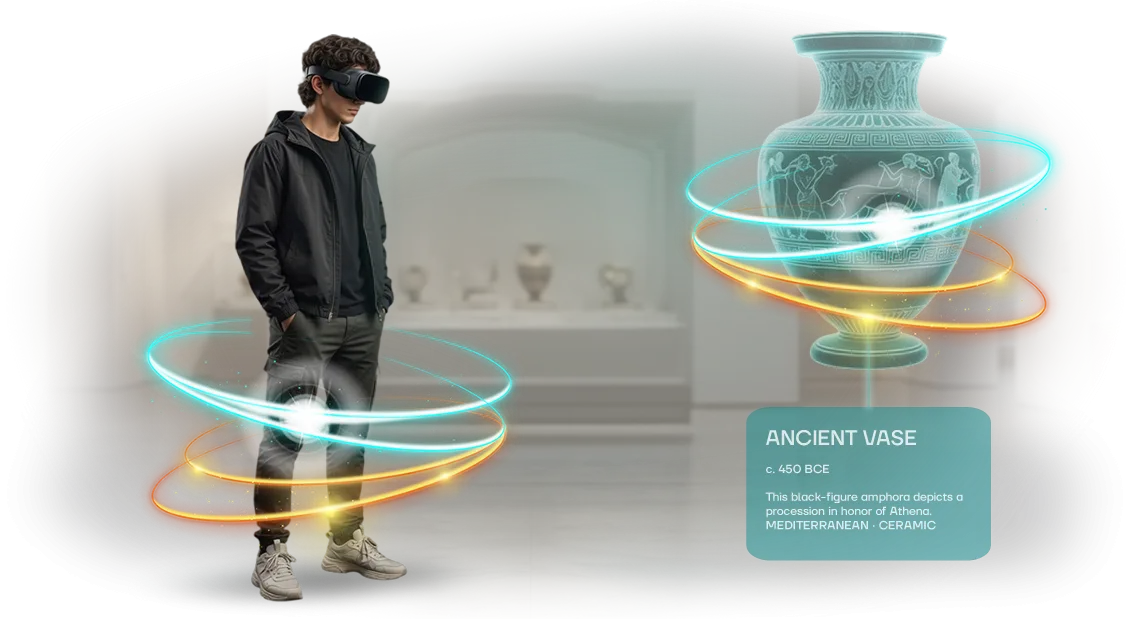
The solution is a virtual showroom for lighting. Instead of static photos, we create a space where a chandelier can be examined from all sides, its size, materials, and even how it would look in your interior can be assessed.
A 3D lighting exhibition works like an in-person presence: the buyer controls the view, zooms in on details, and makes decisions confidently. Such an online chandelier presentation removes the main objection — "I don't understand what that will look like at my place."
This is exactly what we do at our team. We help lighting manufacturers and stores turn their catalog into a virtual format that sells on its own. The result is higher conversion, fewer returns, and more satisfied customers who come back again.
What a Virtual 3D Showroom Brings to Your Business
For a buyer, a chandelier is not just a product but light, atmosphere, and the scale of a room. Ordinary photos do not convey how a model looks from different corners of the room.
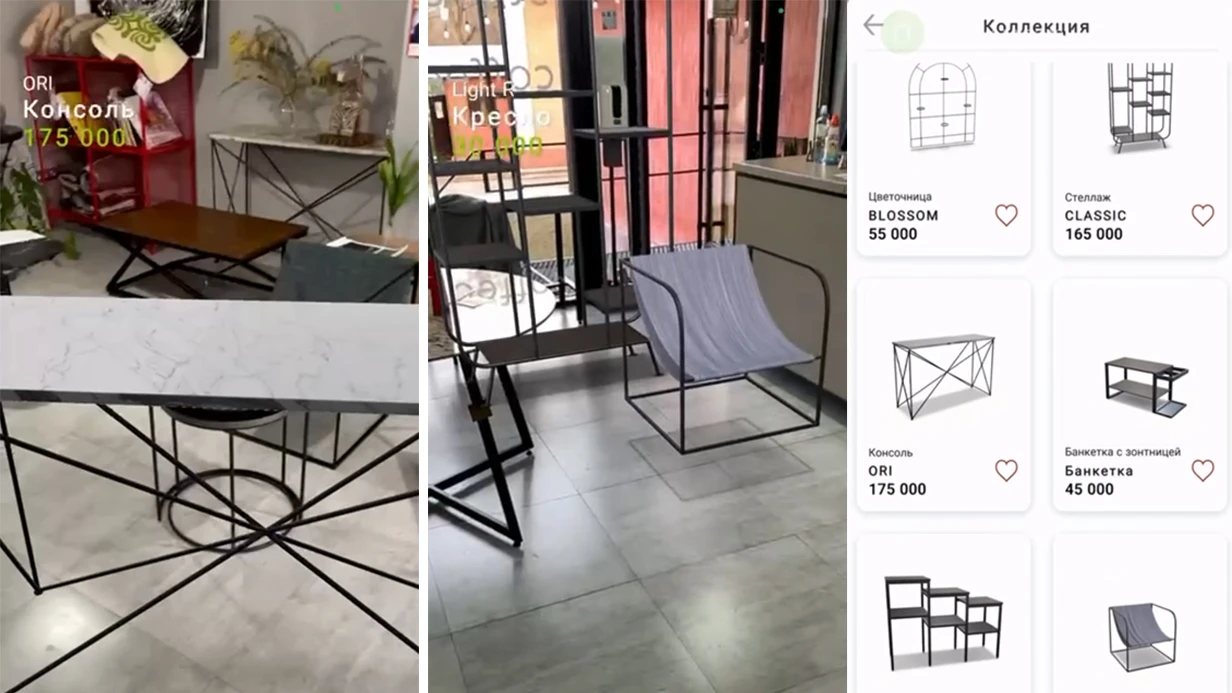
A virtual 3D showroom removes this limitation: the client inspects the lamp from all sides, zooms in on details, and immediately understands whether the model suits them.
This kind of interaction holds attention several times longer than a picture catalog. A visitor explores the collection, returns to favorite models, and readily shares the link with an interior designer.
Increased engagement directly boosts conversion: the more time a buyer spends with the product, the higher the chance of an order.
A 3D lamp catalog expands your reach without the cost of shipping samples. There is no need to assemble a large showroom or take a collection to an exhibition — the assortment is available online from anywhere in the world. You show the entire product line to customers who cannot physically visit.
Faster deal closure is another advantage of a virtual showroom. The client sees the model in the context of a room in advance, makes decisions faster, and returns the product less often.
The conversation shifts from "we'll bring a sample" to "let's order this model."
Finally, a 3D showroom strengthens the brand image. A company that presents its product at a modern level is perceived as a reliable premium manufacturer. This boosts brand recognition and sets you apart from competitors who rely solely on flat photos.
We are already developing such solutions for lighting manufacturers and know how to turn a virtual showcase into a sales tool. Tell us about your collection — we'll show you what it will look like in 3D.
Formats of Virtual Showrooms for Chandeliers and Lamps
Every lighting manufacturer and seller has different goals: some need to quickly show the entire assortment to dealers, others need to impress exhibition visitors, and some want to let customers try a chandelier in an interior.
Therefore, we offer various types of virtual showrooms — from simple 3D catalogs to full VR immersion. The format is chosen based on your goal, budget, and audience.
| Format | For whom | What it gives to the client |
|---|---|---|
| 3D catalog on the website | Wholesale buyers, interior designers | Quick viewing of all models, comparison of sizes and finishes, convenient selection for a project without calling a manager |
| Online lighting exhibition | Marketing, participation in events | Attracts attention, collects visitor contacts, works as an interactive booth 24/7 |
| Virtual showroom tour | Retail clients | Feeling of being in a real showroom, can view the chandelier from all sides and within an interior setting |
| Full VR showroom for lamps | Presentations, negotiations with large clients | Maximum immersion, "wow" effect, the client remembers the brand and comes back to buy |
3D exhibition formats can be combined: for example, launch a VR showroom for premium models and keep the rest of the catalog in simple 3D viewing. This is flexible — you pay only for the level of interactivity that actually brings orders.
We will help determine which format suits your specific assortment and implement it turnkey. Tell us about your tasks — we'll propose a solution that will pay for itself within the very first month of use.
How Virtual Showroom Development Works
Transparent Stages of Virtual Showroom Creation
We don't put you in a "black box" of development. The entire journey — from brief to launch — is divided into clear stages, so you always know where your project stands, what the deadlines are, and what you'll get at the end.
-
Brief and immersion into the task. We discuss the range of chandeliers and lamps, your client profile, and the showroom's goals. Within a couple of days after the call, you receive a work plan and preliminary deadlines.
-
Creation of a 3D mockup and approval. We develop a draft version of the space: the layout of lamps, styling, and navigation. You see the future showroom before the main work begins and can make edits at no extra cost — this is the key mockup approval point.
-
Detailed modeling of products and atmosphere. We create realistic models of each chandelier and lamp: material textures, reflections, light. This is where the effect of a "premium" product that buyers trust is born.
-
Assembly of the interactive space. We fill the showroom with logic: switching between models, filters by style and price, product descriptions. The scenario guides the visitor from viewing to inquiry — which is what affects conversion.
-
Testing and polishing. We check loading speed and ease of control on different devices. We eliminate any issues before your client sees the showroom — so that the first impression is perfect.
-
Launch and support. We hand over the link, integrate the project with your website or catalog, and train your team. After launch, we stay in touch: add new products, update models, and develop the space together with you.
This is what turnkey 3D exhibition development looks like: you control every step, know the project timeline in advance, and get a result that works for sales rather than just looking good. No surprises along the way — only a clear roadmap and fixed agreements from the start.
What a Completed Virtual Showroom Project Includes
When you order a virtual showroom, it's important to understand what exactly you get at the end. We put together the project as a ready-made sales tool — it's not just 3D models, but a working system that helps customers choose and buy lamps. Below is the full scope of the project and how each element benefits your business.
- 3D models of chandeliers and lamps — highly detailed, replicating the shape, texture, and lighting characteristics of real products. The buyer examines the item from all sides, zooms in on details, and evaluates how the lamp will fit into an interior.
- Virtual showroom space — a thoughtfully designed interior: from a classic gallery to a simulated living room. Visitors move freely around the hall, compare models in a realistic environment, and feel as if they are in a real store.
- Catalog interface and navigation — convenient filters by category, collection, style, and characteristics. The client quickly finds the right product instead of getting lost in the space — this shortens the path from interest to inquiry.
- Integration with your product catalog — we connect the showroom to your database. When prices or availability change, or new items are added, content updates automatically, without separate rebuilding or additional costs.
- Analytics for you — you see which models are viewed most often, how much time visitors spend in each zone, and what generates the most interest. This data helps you adjust the assortment, layout, and advertising focus.
- Employee training — we provide a short briefing for managers: how to open the showroom, guide a client through it, and answer technical questions. You are never left alone with the tool.
- Post-launch support — we stay in touch to resolve issues promptly, update content, and refine functionality for new tasks. The project lives and grows alongside your business.
This is a complete delivery package, not just a "finished 3D picture." You get a working sales channel that can be embedded in your website, used at exhibitions, and in email campaigns. Everything you need is already included; you just need to show the showroom to your customers.
A Real Example: How We Doubled Catalog Conversion
A chandelier manufacturer, SvetLux, approached us with a problem typical of the lighting market: the catalog on their website displayed static photos, and buyers hesitated to choose a chandelier because they couldn't understand how it would look in their room.
Managers spent hours on correspondence and presentations, yet orders still fell through at the stage of "we need to think it over."
We proposed a virtual showroom: instead of a dozen photos, each model received a "live" 3D mockup that could be placed in a typical interior, rotated, and inspected for light and scale.
The client's staff received a simple tool — a link to an individual project with the selected chandelier, which could be sent to the customer directly in a messenger.
Wholesale buyers were given access to a catalog with the ability to compare several models side by side in the same space.
Two months after launch, the client summed up the results: catalog-to-inquiry conversion doubled, the average order value increased by a third, and the rate of rejections after viewing dropped by 40%. "Previously, clients chose 'by eye' and then returned the product.
Now they see the lamp in their interior and make a decision right away," noted the head of sales.
The showroom also shortened the deal cycle: managers no longer need to bring samples to meetings or explain characteristics at length. They can simply send a link, and the buyer explores the model in a realistic setting on their own. As a result, the sales team was able to handle a third more inquiries with the same headcount.
The result is simple to explain: a virtual showroom removes the buyer's main fear — "what if it doesn't fit." When a person can already picture the chandelier in their living room, they come to the site not to "look" but to "buy." For the company, this means higher revenue without additional spending on advertising.
How to Choose a Virtual Showroom Format for Your Task?
Choosing a virtual showroom format depends on who you work with: wholesale buyers or end retail customers. These are different tasks, and a solution that works perfectly for one will be inconvenient for the other. Therefore, it is important to understand in advance how buyers will use your lighting catalog.
For wholesale, speed and information density are key. A wholesaler needs to quickly find models, compare specifications, and see the entire assortment. A virtual showroom for wholesale is a structured catalog with search, filters, and technical parameters. This format reduces time spent processing requests and helps purchasing decisions be made faster.
Retail is about emotions and context. The end customer wants to imagine how a lamp will look in their interior. A 3D showroom with detailed rooms, lighting scenes, and time-of-day changes provides that feeling.
This is not just a catalog but a virtual storefront that increases brand trust and conversion to order.
Often the best option is to combine both approaches. For example, in one showroom, create a wholesale section with a full catalog and separate scenes for retail, featuring bestsellers in realistic interiors. This gives you a universal tool that appeals both to cold logic and to emotions.
So, when choosing a virtual showroom format for your task, start by answering a simple question: who is your target visitor — a wholesaler or a private buyer? For wholesale — structure and data; for retail — atmosphere and visualization. We will help you select and implement exactly the option that will drive sales in your segment.
FAQ: Cost, Timelines, and Technical Details
Before ordering a virtual showroom for chandeliers and lamps, clients ask the same questions: how much it costs, whether we'll make it in time for an exhibition, how to update the catalog, and who ultimately owns the source files. We answer directly — no "fine print" or hidden conditions.
We work with a transparent budget and contract, so every stage is clear before we start. Below are answers to the main concerns most often voiced by business owners and marketing directors.
How much does a virtual showroom for chandeliers and lamps cost?
The cost depends on the number of models, level of detail, and options — for example, an online consultant or a price display. We fix the budget before we start, and it does not change during the process.
A virtual showroom often pays for itself: you don't need to transport samples to exhibitions or rent a hall to present your collection.
What is the development timeline?
A typical project takes 2-4 weeks: from brief to a ready link you can share with clients. If you need it urgently — for an industry exhibition — we assign a dedicated team and launch a basic version faster, then fill in the catalog in stages.
How are 3D models updated when the assortment changes?
You send photos and dimensions of the new lamp, and we add its model to the showroom within a few days. With regular cooperation, you get priority queue status, and your specialists don't need to deal with technical details.
Who owns the rights to the project and source files?
All rights to the completed showroom, source files, and administrative access are transferred to you. We work under a contract with closing documents — you are legally protected.
Order a Virtual Showroom and Start Selling Without a Physical Showroom
A physical showroom for chandeliers and lamps means rent, logistics, and limited geography. Customers from other cities see only photos on the website, doubt the scale and lighting, and leave for competitors.
A virtual showroom solves this: the catalog comes to life, the client "enters" the hall, evaluates the size and atmosphere, and you sell without being tied to a physical location.
How to Order a Virtual Showroom for Your Catalog
We take care of everything — from shooting and 3D modeling to publishing and training your team. The process looks like this:
- Project request — you submit a request on the website, and we get back to you within one business day.
- 3D exhibition consultation — we clarify your goals: online sales, dealer demonstrations, or presenting the collection at an exhibition.
- Catalog audit — we determine which chandelier and lamp models to include in the showroom first.
- Turnkey development — we create the virtual hall, configure lighting, scale, and viewing scenarios.
- Integration and launch — we place the showroom on your website and test it on various devices.
- Handover and support — we train managers, provide instructions, and stay in touch for updates.
What You Get After Launch
A virtual showroom works like a 24/7 sales department: at any moment, a buyer "enters" the hall, examines the chandelier from all sides, and makes a decision faster.
For you, this means higher conversion and less load on managers — they talk to already "warmed-up" clients.
- Expanding sales geography without opening new locations.
- Shortened deal cycle — the client sees the product in detail before calling.
- Keeping visitors on the site 2-3 times longer than usual.
- Savings on printed catalogs and transport samples.
- A ready-made tool for negotiations with dealers and wholesale buyers.
Submit a request for a virtual showroom — we'll prepare a proposal with the scope of work and the cost for your chandelier and lamp catalog. If needed, we'll first hold a 3D exhibition consultation and show examples from our practice.