

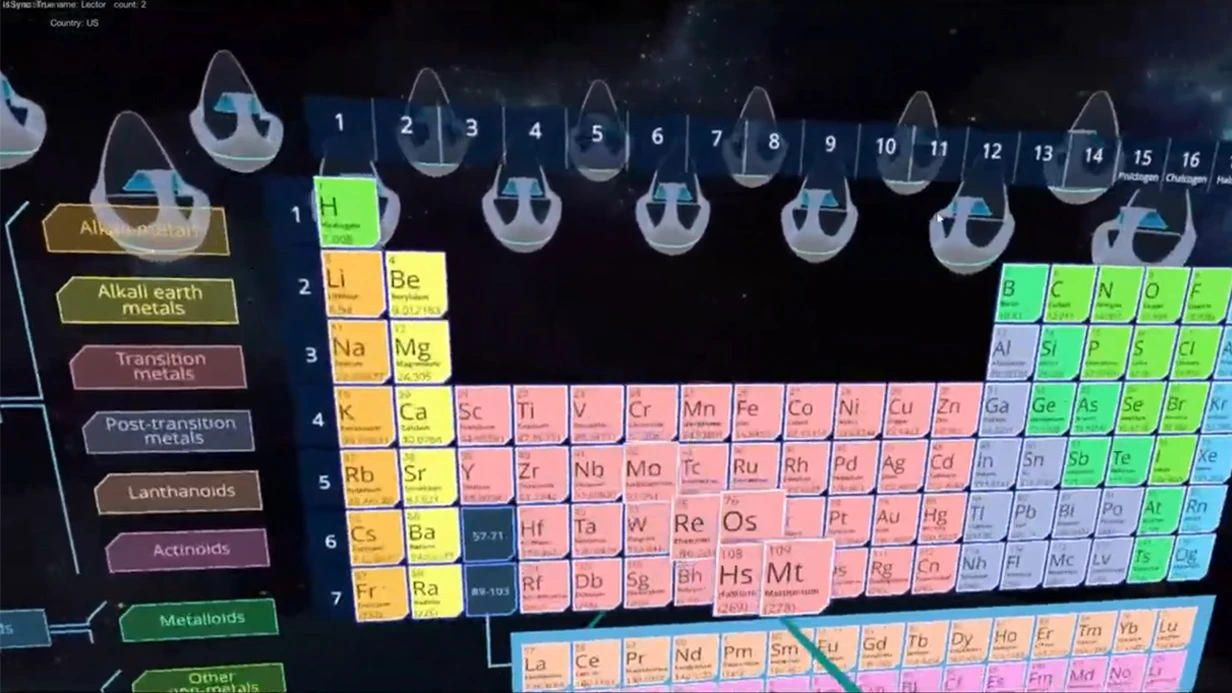
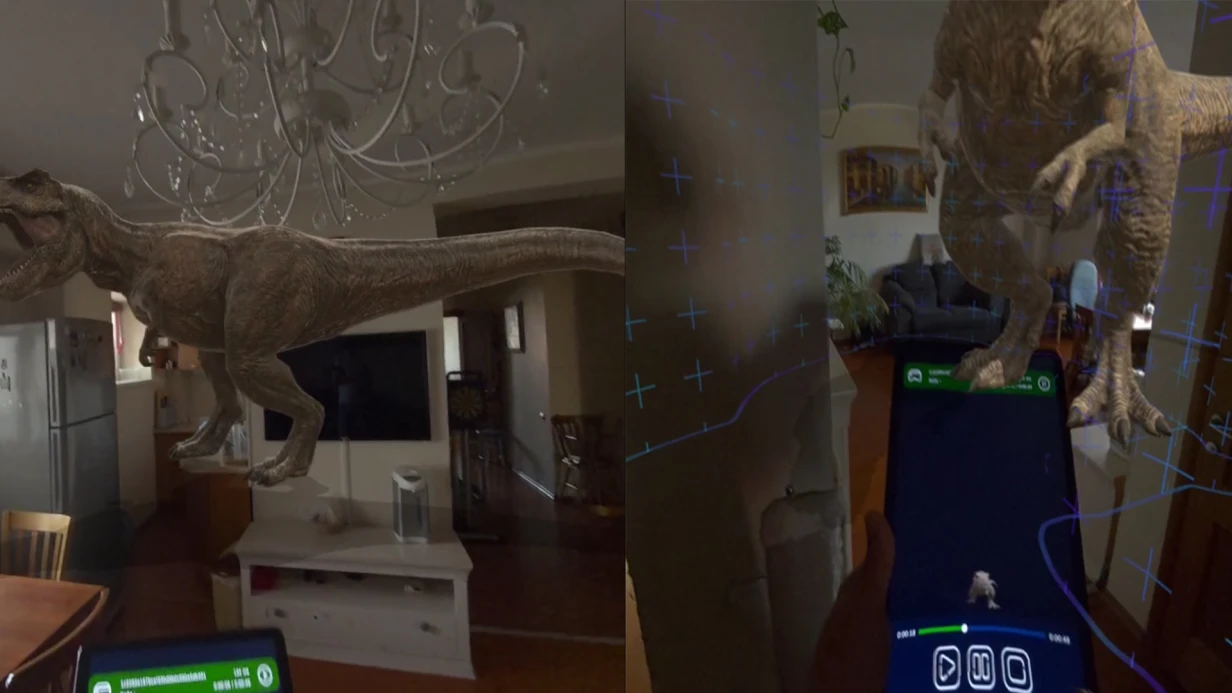
Video Surveillance and Security Systems: How to Show Them
At traditional exhibitions, video surveillance and security systems are usually shown statically: cameras in display cases, monitors with demo footage.
But how do you convey the main thing — the system’s ability to instantly respond to an intrusion, detect a threat, and coordinate security actions? The visitor sees hardware, not the solution in action.
As a result, the customer has to rely on the manager’s words and a brochure, and trust in the product remains low.
Complex equipment looks the same from every vendor, so it is hard to stand out among competitors and justify a higher price. The answer is a virtual exhibition or 3D showroom.
This is not just a three-dimensional image, but an interactive presentation in which every element of the system works within a simulated scenario.
You can clearly demonstrate how the alarm triggers upon intrusion, how cameras track an object, how access is controlled, and how all security components interact.
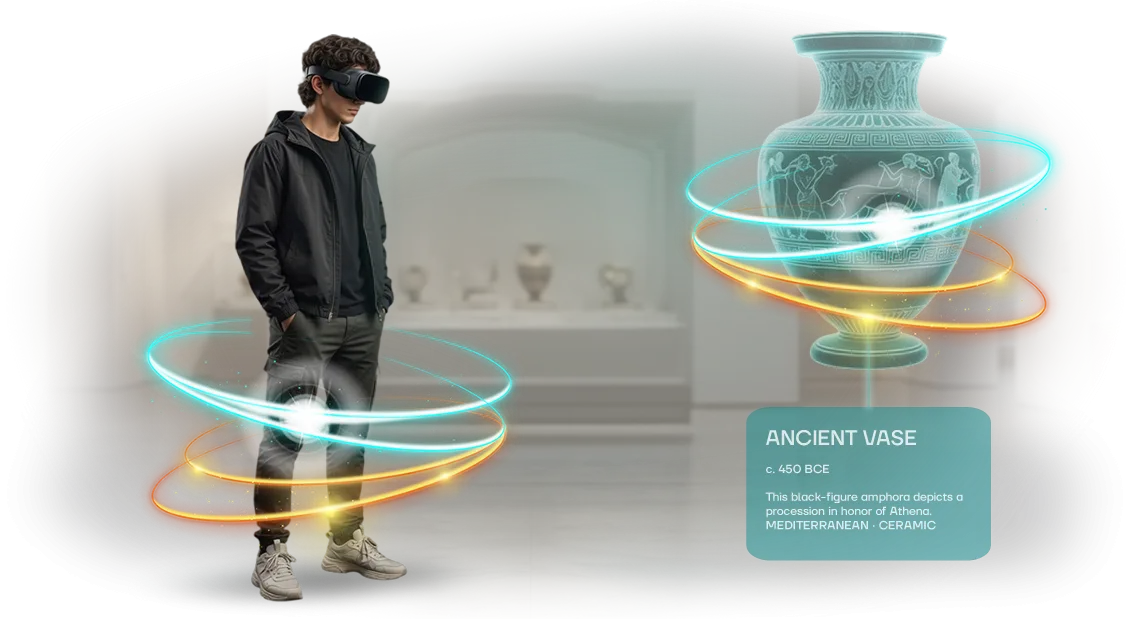
VR for security delivers even more: the customer is immersed in the situation and sees the solution through the eyes of an operator or a security director. They do not read specifications — they experience the scenario, which is memorable and builds trust. A traditional equipment demo cannot achieve this effect.
From a business perspective, a 3D showroom is a working sales tool. Clients understand the product faster, there are fewer objections, and deals close more easily.
In addition, the virtual exhibition is available around the clock: you can present it remotely without spending budget on travel and booth rental, while reaching more customers in different cities at the same time.
We develop virtual exhibitions and 3D showrooms specifically for the video surveillance and security market. With more than ten years of experience, we know how to turn complex equipment into a clear, visual, and memorable product that sells itself.
What a Virtual 3D Showroom Brings to Your Business
Buyers of video surveillance and security systems often make decisions based on flat images and specification lists. They find it hard to imagine how a camera works in a real corridor or parking lot — and this slows down the deal.
A virtual 3D showroom solves this: you show the product in action without waiting for an offline meeting.
Visual demonstration accelerates sales. The client “walks through” the facility, sees coverage zones, viewing angle, and image quality. They quickly recognize the value of the offer and make a decision, because objections are removed visually.
Broad reach without logistics. You do not need to transport equipment to exhibitions or offices — the showroom is available 24/7 from anywhere in the world.
This is especially important when working with regional and international customers: the product is demonstrated immediately, with no losses from shipping.
A modern format strengthens the brand. The buyer remembers a technology-driven supplier that is not afraid of innovation. A virtual showroom sets you apart from competitors and builds an image of a security expert.
The showroom generates leads. Inside, there are request forms, quote inquiries, and virtual business cards. Every visit leaves a digital trace: you get the contacts of interested people, understand which products are viewed most often, and use this data for follow-ups.
We create virtual showrooms using professional equipment and proven technologies — so the project runs reliably and looks polished. In the end, you get a clear product presentation, increased brand awareness, and a steady stream of inquiries.
Virtual Exhibition Formats for Different Tasks
Virtual exhibition formats differ not by “the visuals” but by the goal: one thing is to show a camera catalog, another is to let a dealer study the product in detail, and a third is to conduct negotiations at an online exhibition.
For video surveillance and security systems, it is especially important to show equipment in operation: viewing angle, image quality, and analytics scenarios.
That is why we choose the format according to your specific business task — from a simple showcase to a full-fledged booth with a live manager.
| Format | Who it is for | What it gives the client |
|---|---|---|
| Interactive showcase | For website visitors who need to quickly compare models | Shows 3–5 key products in detail: housing, mount, and field of view. Works 24/7 without a manager’s involvement, increases time spent on the site and the number of quote requests |
| 3D tour of a virtual showroom | For dealers and partners choosing a product line for their region | Lets them “walk through” the showroom, inspect cameras from different angles, open specifications, and download materials. Replaces a personal visit and shortens the sales cycle |
| Virtual booth with a manager | For exhibitions, conferences, and open days | Recreates a booth with exhibits, while a live consultant answers questions, demonstrates video surveillance scenarios, and collects contacts. Provides a measurable ROI for the event |
| VR tour | For presentations to large clients and tenders | Full immersion in a protected facility: camera placement, control zones, and alarm scenarios. Helps the decision-maker actually see the future security system |
Typically, a client comes with one task — to show the product. But with video surveillance systems, it is also important to show the result: how the camera reacts to motion, how analytics works, how it integrates with access control.
Therefore, after the brief we propose the format that covers exactly your funnel: introduce, train, sell, or work through a tender. All formats work on any device and require no installation — which is convenient both for your clients and for your managers.
Stages of Virtual Showroom Development
Developing a virtual showroom for video surveillance systems is not magic but a predictable process.
We have taken the best practices from dozens of projects and broken the work down into clear stages: you always know what is happening and what result you will get at each step.
- Brief and task immersion. You tell us about your products, target audience, and exhibition goals. We clarify details, study your equipment, and ask questions so the showroom solves exactly your business task.
- Plan and estimate. We set deadlines, scope of work, and the final result. You receive a transparent plan with no hidden stages — you understand what you are paying for and when you will see the finished exhibition.
- Concept approval. We present the structure of the future showroom and the visitor’s interaction scenario with the products. You make edits, we adjust — before the main implementation begins.
- 3D showroom implementation. We build the virtual space and fill it with your cameras, systems, and descriptions. We also set up convenient navigation so the client can easily find the necessary equipment.
- Testing and launch. We check operation on different devices, fix any issues, and publish the exhibition. You receive a ready link and access for your team and clients.
- Support and development. We help with assortment updates, add new models, refine functionality, and train your employees to work with the showroom.
This approach eliminates surprises: you control every stage, and we guarantee results on time.
What Is Included in the Virtual Exhibition Delivery
A virtual exhibition for video surveillance and security systems is a ready-made sales tool, not just a link. Development includes all stages: from location shooting and panorama processing to assembling the interactive showroom and publishing it on your website or social media.
The delivery package includes:
- Ready virtual tour. A fully assembled 3D showroom with navigation and points of interest. A visitor opens it via a link without installing any software and immediately sees cameras, controllers, and security systems in operation.
- Staff training. A short practical session for your team: how to open the tour, update materials, add descriptions and videos. Then you work independently.
- Clear instructions. A step-by-step guide for the administrator and a quick reference card for the visitor. Everything is written in plain language, without technical details — any employee will quickly get the hang of it.
- Source files. The project structure and materials remain your property. If necessary, you can hand them over to your own contractor or internal specialist for further development.
- Updates and support. During an agreed period, we make edits: change prices, add new equipment items, and update contact details. Your exhibition is always current.
This package removes the main dependency on the vendor. You get a clear tool that your marketing or sales team can easily manage.
The tour can be placed on your website, in a client email, or used as an interactive booth at an exhibition — and it works to boost recognition and sales.
Case Study: How We Increased Security Product Sales at an Exhibition
What We Did
A common pain for security system manufacturers at exhibitions is how to show a product that cannot be touched. A live booth with cameras takes up space, requires special conditions, and does not give visitors a sense of scale. A showcase with hardware does not answer the key question: “How will this work at my facility?”
We solved this with an interactive VR showroom for a video surveillance systems manufacturer. Instead of static displays, the client received a virtual facility with camera placement, coverage zones, and an intrusion response scenario.
Visitors themselves “walk around” the perimeter, change the viewing angle, and see how the system behaves in real conditions. Managers no longer need to explain with gestures — just put on a headset or open a tablet.
Results
Over two days of the booth’s operation, more than 300 visitors came by, and 80 of them fully immersed themselves in the virtual showroom — an average of 7 minutes per person. Conversion into inquiries doubled, and the number of contracts after the exhibition tripled. A month later, the client returned with a repeat order for an interactive dealer catalog.
| Metric | Regular booth | With VR showroom |
|---|---|---|
| Average time at the booth | 2 minutes | 7 minutes |
| Visitors who left contacts | 15% | 32% |
| Contracts after the exhibition | 4 | 12 |
Importantly, this same showroom continued to work after the event: we sent the link to tender participants and dealers who could not attend. Thus, the exhibition became a source of sales for the next month.
If you have an upcoming exhibition or negotiations with major clients — ask us how to adapt this case study to your task.
How to Choose the Right Virtual Exhibition Format?
There is no single universal virtual exhibition format — it is determined by your task, audience, and budget.
Some companies only need a lightweight 3D showroom for a quick product introduction, while others need a full exhibition hall with negotiation zones and live demonstrations. Therefore, choosing a format is not a technical question but a strategic one.
The choice starts with simple questions: who is your target audience, what should visitors see, and what action should they take after the visit? If the goal is to show a video surveillance system in a real scenario, an interactive space with key working scenarios is enough.
If you need to hold negotiations with distributors or train partners, you will need more zones and downloadable materials.
We help you choose a solution for your specific task and budget. During a consultation, we analyze how you plan to use the exhibition — for equipment presentations, integration demonstrations, or for managers to handle objections.
Based on that, we propose a suitable format: from a compact showroom to a large-scale virtual exposition with several halls.
At the same time, the chosen format does not limit you at the start. We design the platform so that it can be scaled: adding new booths, changing scenarios, and connecting visitor analytics. You get a solution that works toward your result, not just a pretty picture.
If you are unsure which option suits you best — start with a consultation. We will review your situation, show you examples of projects in your industry, and propose a format that solves the task without wasting time and budget.
Frequently Asked Questions About Virtual Exhibitions
Customers ordering VR showrooms for video surveillance and security systems usually ask the same questions: is it too complex, how long will development take, and is our data handling reliable.
Below we have collected answers to the most common concerns so you can make a decision without unnecessary risk.
How long does it take to create a virtual showroom?
A typical project takes from two to four weeks — the exact timeline depends on the number of facilities and the level of detail in the 3D scenes.
Deadlines are fixed in the contract, and the schedule is agreed upon before the work begins, so you can plan your exhibition or presentation launch.
What guarantees do you provide?
We take responsibility for the result at every stage: before the start, we show you a mockup of the future showroom, and after launch we fix any issues free of charge during the first few weeks. All work is covered by an official warranty, so you get a stable product with no hidden problems.
Who is responsible for data security?
All materials are stored on secure servers, and only your team has access to the project. We sign a non-disclosure agreement and do not use your data in other projects without your permission — confidentiality is stipulated in the contract.
What does technical support include after launch?
After project delivery, we support the showroom: we help update content, answer employee questions, and promptly resolve any technical issues. You can choose a convenient support period — from one month to a year — and be confident of uninterrupted operation.
Order a Virtual Showroom for Video Surveillance
A virtual showroom for video surveillance is a working tool that presents a systems integrator more convincingly than any catalog.
Security system customers do not need to travel to a warehouse or facility — they see cameras, controllers, and software in 3D, with simulated operating modes. This shortens the sales cycle and removes objections even before an in-person meeting.
We handle the design, development, and launch. All you need to do is provide product data and accept the finished result. To order a virtual showroom, just follow a few simple steps — we handle all technical implementation questions ourselves.
- Submit a request on the website — provide your name, company, and phone number.
- We will contact you within one business day, clarify your objectives, and show examples of similar solutions.
- We will calculate the cost and prepare a commercial proposal with fixed deadlines.
- We will agree on the scenario: which cameras and systems to include, how to set up navigation, and what to make the focal point.
- We will launch the virtual showroom, train your team, and support the project after delivery.
Submit your request right now — and get a cost estimate for a virtual showroom tailored to your product catalog. We respond within one business day and do not charge an advance for the estimate.
If the project is a good fit, we will send you a contract and start work within the agreed timeframe.