

In VR clubs, guests lose interest due to monotonous content
Guests come to a VR club for new emotions, but after a few visits their interest fades: the same games, the same scenarios, predictable mechanics. As a result, the club loses repeat visitors, and revenue depends only on the flow of newcomers.
This is a familiar situation for many owners — the content is outdated, and guests see no reason to return.
The problem is not the equipment or the number of headsets. It is about the content: if the game catalog is not updated, the perception of the "wow effect" wears off, and the club turns into a one-time attraction.
Guest retention directly depends on how diverse and fresh the offering looks. That is why regularly updating scenarios and new formats becomes more important than purchasing additional devices.
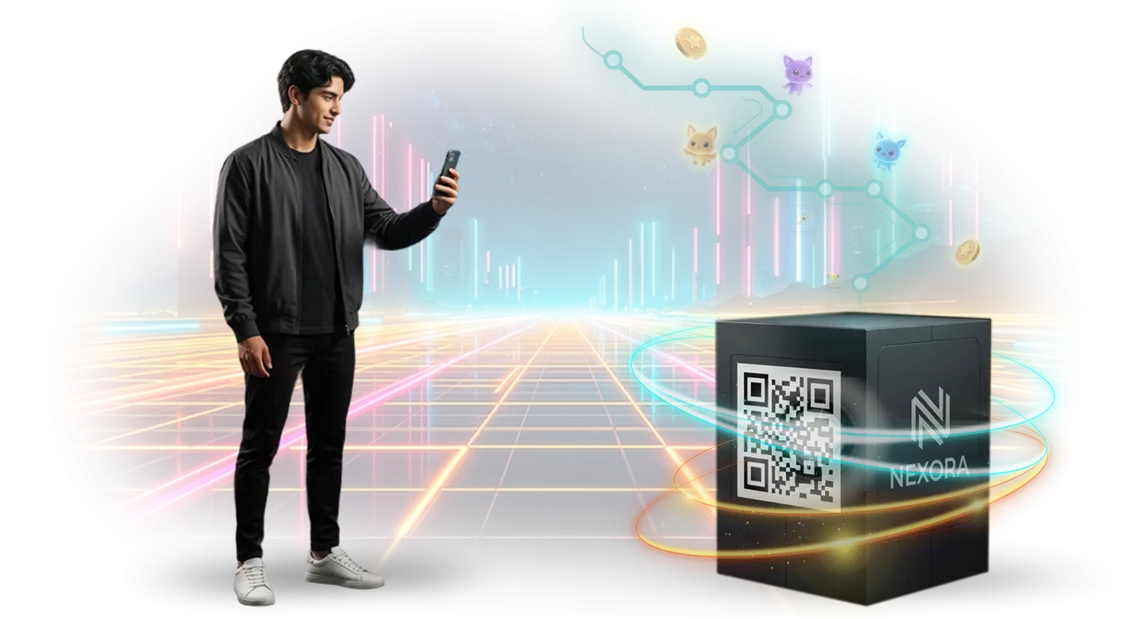
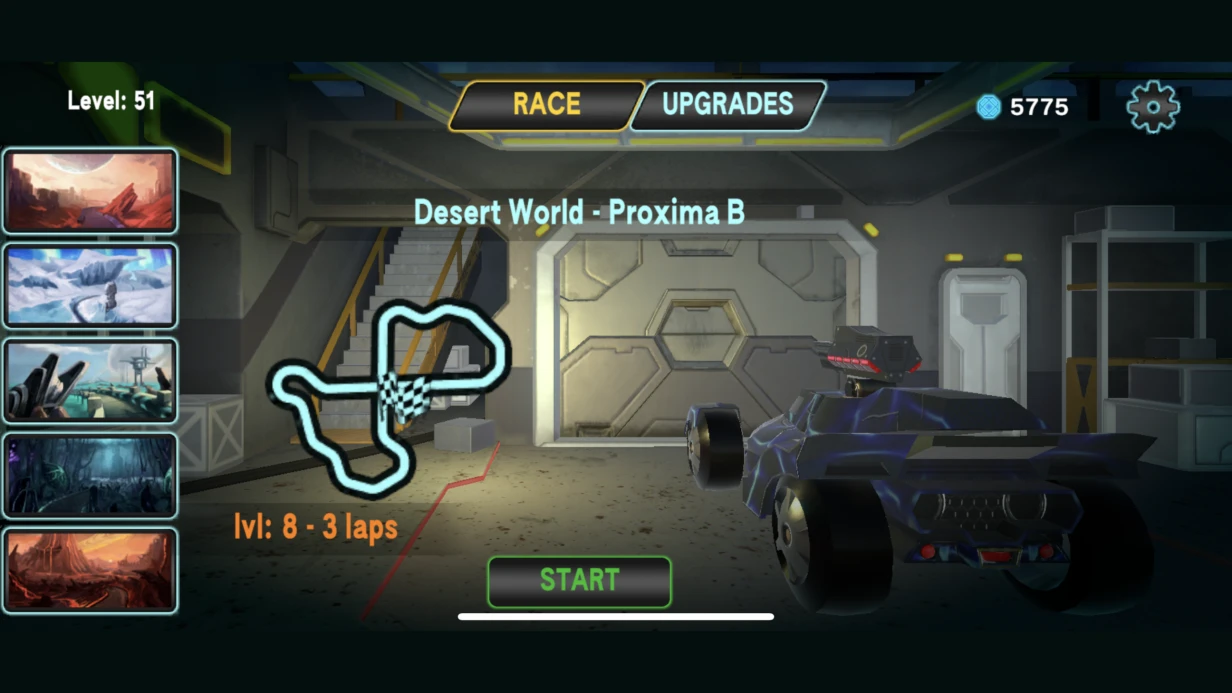
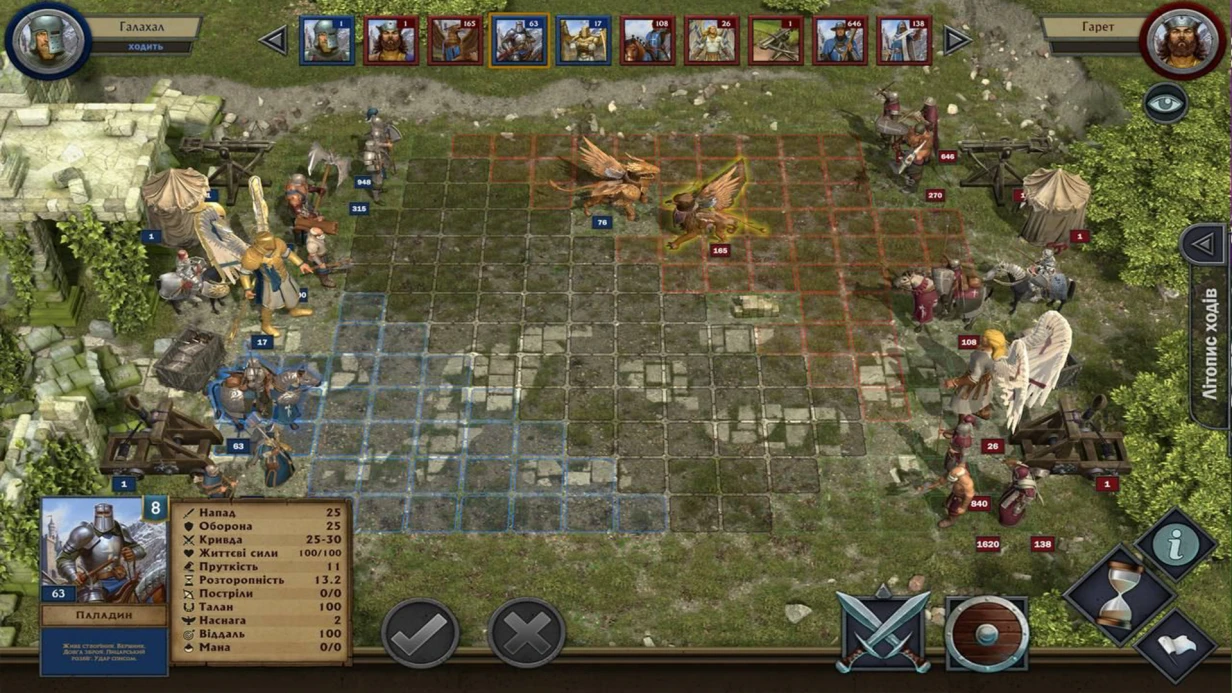
We address this need by developing content for the specific goals of your club: unique game scenarios that guests will not find anywhere else.
Instead of standard catalogs, you get games created for your space, your audience, and your business objectives — from short sessions for beginners to complex team scenarios for experienced players.
This approach changes the club's economics: regular guests get a reason to come back, discuss new experiences, and bring friends. Game variety becomes your competitive advantage, not an expense item.
With each new scenario, the club increases the average check and the share of repeat visits — exactly what builds stable revenue without a constant influx of new advertising budgets.
To keep guests interested, it is important to update content regularly, not once every few years. We do this both as a one-off project — developing a game to your request — and as a content subscription format, where new scenarios appear at the club several times a year. You get not just a game, but an audience retention tool that works toward your ROI every month.
What game development for events and corporate gatherings gives your business
Every event is an investment in relationships with guests and partners. People remember not slides and speeches, but the moments when they themselves became part of the action.
Game development for events turns an ordinary event into a point of contact with the brand that keeps working even after the final applause.
Here is what businesses get when they order corporate games from our team:
- Audience engagement. Interactivity holds guests' attention during waiting time, between blocks, and after the official part. People stop looking at their phones and start participating.
- Guest emotions. Positive experiences are the main factor in memorability. The game creates a shared experience that guests later tell colleagues about and post on social media.
- Brand recognition. The mechanics, style, and meaning of the game are built around your company. The logo and slogan are not on a banner but in action, so they are absorbed naturally.
- Leads from events. After sessions, we collect participants' contacts. You get a base of warm audience for future mailings and invitations to new projects.
- Repeat sales. Guests of such events return more often — to conferences, celebrations, and closed formats. The organizer gains a reputation that brings people back.
This works both for internal corporate events, where the goal is team building through light competition, and for external events, where reach and interest in the product matter.
We match the format to the task: from intimate team trivia to large-scale VR competitions for several hundred guests.
Each game is a tool, not entertainment for a pause. You get emotions, reach, and measurable business value — all in one package.
Current content formats in VR clubs for different tasks
VR game formats for a club must cover different scenarios: a guest comes just to play, a company celebrates an event, a brand rents the venue for promo.
One and the same game cannot handle all tasks — you need solutions that differ in duration, number of participants, and spectacle.
We have identified four main formats that have been proven across dozens of VR venues and combine easily with each other. The table will help you quickly choose the right fit for your task and venue type.
| Format | For whom | What it gives the client |
|---|---|---|
| Individual scenarios | First-time guests and solo visitors | Quick immersion without long rule explanations, high throughput for the floor, predictable session duration |
| Team competitions | Corporate events, birthdays, groups of friends | Keeps the group on the venue longer, creates excitement and emotions — guests return with their friends |
| Show games with screen broadcasting | Large events, open formats | The spectacle attracts spectators and works as live advertising for the club: the line forms by itself |
| VR zone at an event | Celebrations, conferences, exhibitions | Guests get entertainment anywhere, the organizer gets additional reach and photos for social media |
These formats scale easily to your venue: from a single attraction to a full zone across multiple locations. We will advise which combinations will give maximum occupancy for a specific day of the week and event type, and help adapt content to your audience.
How the project goes: from brief to launch at the venue
Transparency is a key principle of our work. We break the project into clear game development stages and hide no details: you always know what stage the game is at and what you will get in the end. Below is the path from brief to launching the VR game at your venue.
- Game brief. We learn the event goals, audience, and game objectives. Together we define what experience guests should get and how the game fits into the overall event scenario.
- Concept and scenario. We offer 2–3 story and game mechanic options. You choose the direction that best solves your tasks — for example, entertaining guests or immersing them in the brand.
- Scenario approval. We finalize the story, rules, and timing. We make edits until everything matches your vision, so there are no surprises at the venue.
- Implementation and testing. We build a demo version, show it to you, and you try it in action. Based on your feedback, we refine details — from the interface to level logic.
- Venue preparation. We arrive on site ahead of time, set up equipment, and check the VR zone. We make sure everything is ready for guests: from lighting to free space for the queue.
- Launch and support. On the event day, our team is nearby: helping participants, managing the queue, and quickly resolving technical issues. You deal with guests, not technology.
- Support and results. We collect game data: how many people participated, how much time they spent in VR, which moments generated the most emotion. We share the results and recommendations for the future.
This workflow makes cooperation calm and predictable. You get a working game and satisfied guests, and we get clear feedback and a reason for a repeat project.
What is included in delivery: a complete event package
When ordering game development, it is important to understand what you get in the end — and how to use it. We put together a complete package that can be launched immediately after handover: from scenario and equipment settings to branding and staff training. You do not need to figure anything out or buy anything extra.
Here is what is included in the delivery:
- Scenario and gameplay for your task. Ready game logic: from short 3–5 minute sessions to tournament formats. You get the story, rules, and difficulty balance — just launch it and gather guests.
- Custom branding in your style. Logo, colors, splash screens, and interface — everything is aligned with your brand. Guests see the game as part of your event, not a third-party attraction.
- Staff instructions. A clear guide: how to start, restart, help a guest, and handle common issues. Your employee will figure it out in 15 minutes, with no VR experience.
- Event-day support. On the event day, our specialists are available, and if needed we help remotely — diagnostics, setup, quick problem resolution, so the game never stops.
- Launch and navigation materials. Signs, mode selection screens, guest hints — everything that helps a person understand the game and jump in right away, without queues or staff questions.
- Updates and refinements based on results. After the first launches, we collect feedback from guests and staff and make adjustments to balance or interface — the game becomes more convenient and livelier.
By assembling a turnkey package, we spare you from surprises: you know in advance what you will get, how to use it, and what help will be available on the event day. It works like a finished product, not "raw development."
Case study: growth in repeat visits after updating games
The owner of the «Cyberspace» VR club came to us with a typical pain point: on weekdays the halls were half empty, and guests who had already tried the attractions did not return.
We analyzed which scenarios were completed fastest and updated the game library to match the club's audience — we added team scenarios, short rounds, and story chains.
A month after the launch, not only attendance changed. Repeat bookings became a steady stream, and the average session grew.
| Metric | Before update | After one month |
|---|---|---|
| Repeat visits | 12% of guests | 34% of guests |
| Average check | baseline | +25% |
| Session length | 40 minutes | 1 hour 20 minutes |
| Weekday bookings | rare | steady |
What matters to the owner is that these numbers were not achieved through discounts. Guests return on their own because they want to complete new levels and bring friends. The average check grew thanks to add-on sales of extra rounds and hall rental for teams.
The club manager commented on the result:
"We expected an update, and we got a new product. Guests started booking halls in advance, on weekdays, and are more actively buying extra minutes. It feels like word of mouth: each new guest brings two more."
The club is continuing the partnership — once a quarter we deliver a new game package and adapt scenarios for seasonal events.
If you want the same result for your VR club, we'll start with an audit: let's look at why guests leave and put together an update plan for your audience.
How to choose a game format for the specifics of your event?
Choosing a game format starts not with technical details but with answering three questions: what the event is, what goal you are setting, and what budget and timeline you have.
This determines whether it will be a short 10-minute activity for 50 guests or a full tournament lasting several hours within a large forum. We always start with a brief to offer a format that solves your specific task, not just "looks interesting."
The type of event dictates the mechanics. For a business dinner or an exhibition opening, short scenarios with a low entry threshold work well — guests join without preparation and get to try it in a couple of minutes.
For a team-building corporate event or a celebration, on the other hand, team competitions work, where participants unite, interact, and remember the emotions for a long time.
If the event spans several hours, the format can be turned into a step-by-step quest or tournament bracket — this holds attention and creates a reason to return to the game zone.
The client's goals determine the focus. If you need to surprise and create a wow effect, we choose spectacular scenarios with vivid graphics and a dynamic story.
If the task is to strengthen brand recognition or collect contacts, we embed logos, branded elements, and prize integrations.
And if the main goal is to engage all guests, including those skeptical of technology, we create simple, intuitively understandable mechanics with short onboarding right before the start.
Budget and timeline set the framework but do not limit the result. A prepared format can be adapted to your stage and number of participants, and if you need a unique solution, we will develop it from scratch, keeping your timeline in mind.
At the consultation stage, you get two or three options varying in complexity, duration, and cost — from a compact activity to a large-scale production.
In the end, the right format is the one guests talk about after the event and the client sees in reach and feedback. We help you choose it before the start, so you do not have to guess but get a predictable result. Tell us about your event — we'll recommend a format that will work for you.
Frequently asked questions about developing content for VR attractions
When signing a contract for VR content development, you want to understand what happens after launch and what risks we take on ourselves. We answer the questions that VR club owners and event organizers most often care about: guarantees, adaptation, support, and updates.
What guarantees do you provide for the game?
We are responsible for the game running stably on your equipment. Before handover, we test all scenarios, and after launch a warranty period applies — during that time we fix bugs and defects free of charge.
This way you get a predictable result for your event rather than surprises at the most critical moment.
Can the scenario be adapted to our format?
The scenario is the foundation of your event. We adapt the game to the theme of a celebration, corporate gathering, or club opening: we change the story, characters, tasks, and session duration.
The scenario is approved at the brief stage, so the final content exactly matches your expectations.
What happens in an emergency situation?
Any equipment can fail, but we minimize the consequences. We plan backup options for running sessions, and during the event we stay in touch and help staff resolve issues quickly — remotely or through clear instructions.
Will the content be updated?
A game should not get boring. At your request, we add new levels, tasks, seasonal decorations, or special effects — so you can change the attraction's content for different events and keep visitor interest alive.
What technical support is provided after launch?
After launch, we do not disappear. We answer your staff's questions, help with settings, and provide operational consultation. If needed, we train your team to start and finish sessions on their own.
Order game development for your event
For most clients, a game for an event is a new format. It is understandable that you want to order a game calmly and get a predictable result.
At our team we have completed hundreds of projects and built a process with no surprises: you always understand what is happening and what comes next.
The workflow is a simple six-step plan:
- Request — you leave an inquiry "order a game," and we schedule a short consultation call.
- Consultation and work examples — we discuss the event, audience, and goals — corporate event, exhibition, or VR club. We show cases from your industry.
- Project estimate — a detailed cost calculation, timeline, and two or three implementation options for your budget.
- Contract — we fix the scope, stages, checkpoints, and responsibilities.
- Development and approval — you receive a prototype, make edits, and approve the final version.
- Launch and support — we bring equipment, set it up, test, train your staff, and stay in touch on the event day.
What you get after reaching out:
- a commercial proposal with an estimate and timeline;
- a contract with guarantees and a fixed price;
- a selection of work examples relevant to your theme;
- a personal manager — responds within two hours;
- a game that you own — usable at future events;
- support for a month after launch.
You can calculate the project cost or order development through the request form on the website — we will call you back within one business day.