

VR Attractions for Events: How to Retain Guests and Increase Revenue
Event organizers often face the same problem: guests arrive but quickly lose interest. Standard entertainment fails to hold attention, people leave early, and revenue from additional services remains low.
As a result, the event gets fewer reviews, fewer reasons for repeat visits, and less audience loyalty.
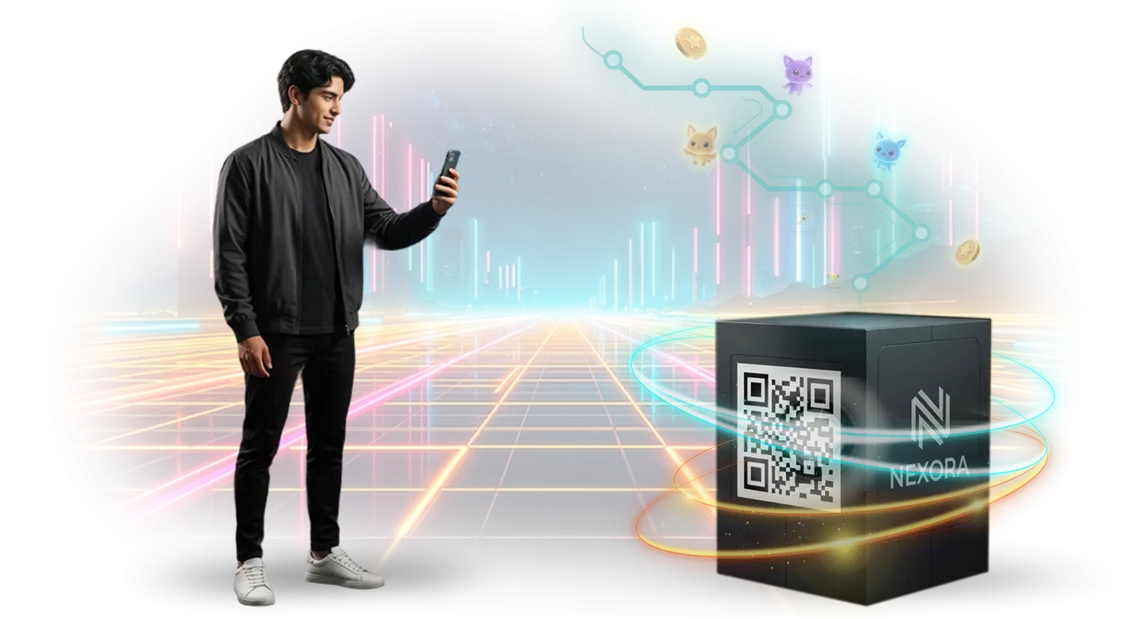
VR attractions are a format that breaks the usual scenario. The guest steps into another reality, experiences vivid emotions, and becomes the hero of the event themselves.
This kind of engagement is remembered for a long time: after a session, people discuss it, share photos and videos, and recommend it to others. That's what sets a strong event apart from “just another checkmark on the calendar.”
From a business perspective, the effect is measurable. Participants stay at the venue longer, spend more willingly on additional services, and every guest becomes a channel for attracting new visitors. The average check and repeat visit frequency increase — and with them, the event's overall revenue.
It doesn't matter what kind of event you have: a conference, exhibition, corporate party, or city festival. VR attractions adapt to the audience and objectives — from short entertainment sessions for a flow of guests to team competitions for team building. This is a flexible tool that strengthens the main program rather than competing with it.
We have been creating VR attractions for events for over 10 years and know how to turn technology into a business tool. We handle the entire process: we select equipment and scenarios to match the venue format, set up, launch, and support everything to the finish.
You don't need to worry about the technical side — you get a turnkey solution that boosts guest engagement and increases your event's revenue.
What a Modern VR Format Offers Guests and Venue Owners
A modern VR format turns an ordinary corporate party into an event people talk about for a long time. Guests don't just watch — they immerse themselves in the story, experience vivid emotions, and share them on social media.
For the venue owner, this means increased brand recognition and organic reach without an additional advertising budget.
Our team has been creating VR attractions for events for 10 years. We use professional equipment and refined software, so every launch runs without failures even during peak hours.
For guests, this means full immersion in the game without technical pauses or long waits, and for you, a reputation as a venue where everything runs like clockwork.
What specifically does a business get from the VR format? First of all, loyalty: guests who experience something vivid come back again and bring friends.
This directly increases repeat visits and the average check — a line forms at the attraction, and nearby, drinks and snacks sell actively. Competitive games add excitement and engage even those who usually stay on the sidelines.
The return on investment for such a solution is also obvious. A single VR attraction serves dozens of guests per hour, requires no long preparation pauses, and attracts new audiences who weren't previously interested in gaming zones.
If you add game branding tailored to your company, you get a tool that entertains, informs, and promotes simultaneously — working for brand recognition even after the event ends.
Thus, the VR format is not a trendy gimmick but a working mechanism for growing revenue and loyalty. Guests leave with vivid impressions, photos, and a desire to return, while the venue gains a steady flow of visitors and a reputation as a place worth hosting events at.
VR Attractions: Formats for Parks, Malls, Clubs, and Children's Zones
Every visitor to a park, shopping mall, or VR club is looking for an experience that's hard to get at home. VR attractions deliver it while also solving venue business tasks: they attract foot traffic, fill waiting hours, and encourage repeat visits.
The same format can work differently — what matters is matching it to the venue type and your goals.
| Format | Suitable for | What it delivers to the client |
|---|---|---|
| Carousel with short scenarios | Amusement park, mall food court | Fast flow handling: 10–15 minute sessions, maximum throughput per hour |
| Spatial zone with team scenarios | VR club, large park area | Sessions for up to 4 players, high average check, advance bookings |
| Stationary point at the entrance | Mall, cinema, café area | Compactness, minimum staff, earnings from transit traffic |
| Mobile show attraction | Exhibitions, city festivals, promos | We deliver, set up, and generate event reach — activity without construction |
The difference between formats lies primarily in the business model.
The carousel format earns through turnover: while one group completes a short scenario, the next guests get drawn into the action and create a “line of interest.” For a mall, such a zone becomes a free route that guides visitors from the entrance to anchor tenants and increases the complex's total revenue.
Where the target audience is adult groups, spatial zones with team scenarios are the choice.
Completing a scenario together triggers emotions people want to share, so guests bring friends on their own, and the average check at such a location is 30–40% higher than at a classic carousel.
Children's zones need short, safe scenarios without a complex story: the child is absorbed in the game for 10–15 minutes, and parents get to spend some calm time nearby. That's a reliable reason to keep coming back to the entertainment center.
We'll choose a format for your venue, calculate the space and traffic flows, and build a scenario lineup for your audience. Send us a few words about your location — we'll get back to you with a solution and throughput estimate.
How a VR Experience Launch Works in Your Space
Launching a VR experience isn't just installing equipment — it's a turnkey project, from the first idea to the moment the first guests put on the headset. We handle coordination, installation, and staff training so you don't have to dive into technical details. You get a finished zone that starts delivering results from day one.
-
Brief and objective. We study your space, audience, and event goal. We help you choose a VR entertainment format that will be convenient for guests and fit the venue.
-
Design and approval. We prepare the layout, placement scheme, and room requirements. We coordinate the details with you and, if needed, with the venue administration.
-
Installation and testing. We bring the equipment, set it up, and configure the scenarios. We run full technical testing — making sure everything works stably.
-
Staff training. We teach your employees how to start VR sessions, welcome guests, and resolve common issues. They'll be able to run the attraction on their own without our help.
-
Opening and VR launch. Final check, trial run, and zone handover. After that, you operate independently, and we stay in touch for consultations and support.
All that's required from you is making the key decisions on concept and placement — we'll handle everything else to a turnkey result.
What's Included in a VR Solution Delivery for an Event
When you order VR attractions for an event, you get a complete turnkey solution: from hardware to content scenarios and support.
The package is assembled so you don't have to buy anything extra, configure anything, or look for subcontractors at the last moment — just name the date and venue.
- Attraction equipment. Professional headsets, controllers, and server infrastructure — everything is configured, calibrated, and tested before arriving on site. A backup set is provided for each scenario to prevent line downtime.
- Content tailored to the event format. A ready-made scenario library: short sessions for quickly engaging guests, team competitions, exclusive worlds matching the event's theme. If necessary, content is adapted to corporate style or brand objectives.
- Installation, dismantling, and logistics. We deliver the equipment ourselves, set up the zones, connect, and verify everything works. After the event, we quickly pack up the hardware — the venue is cleared within the agreed timeframe.
- Training for your team. We conduct instruction: how to launch sessions, change accessories, interact with guests, and follow safety procedures. Your employees will be able to manage the zone even without our constant presence.
- On-site technical support. An engineer is present on the event day: they monitor equipment operation, handle queue issues, and controller replacements. Plus remote monitoring — if a problem occurs, we find out about it before the guest does.
- Guarantees and insurance. We work under a contract with clearly defined deadlines and responsibilities. The equipment and content are covered by a warranty, so financial risks are reduced to zero.
Such a package lets you focus on guests, the program, and the overall atmosphere instead of technical routine. The delivery scope can be flexibly adjusted to the number of visitors, venue size, and event duration — we'll find the optimum for your task.
Case Study: How We Helped a Venue Double Repeat Visits
A family amusement park chain called "Planet of Emotions" reached out to us: their classic attractions worked well, but guests mostly came for promotions.
Discounts attracted newcomers but didn't create a reason to return — after the second or third visit, interest dropped, and the average check stayed at the level of a single ticket.
We proposed introducing a VR attraction as a dedicated game zone with weekly scenario rotation. Instead of a one-off "photo zone," we built a full-fledged experience: 10–15 minute sessions, team modes, and a shared leaderboard on screen.
A visitor sees their result, compares it with others, and wants to improve it — a natural reason to come back in a week. No other attraction at the venue had this kind of mechanic.
Three months later, the owner got numbers he had only planned for by the end of the year: repeat visits doubled, and the average check grew by a third.
The VR zone takes up only 20 square meters, paid for itself in five months, and became the busiest spot on weekdays when other zones sat idle. Guests started coming in groups, booking birthdays and corporate events — scenarios where the check is several times higher.
The key takeaway from the case: a VR attraction works not as a standalone "checkbox attraction," but as a tool for audience retention.
Return on investment is measured not only by the zone's own revenue but also by the growth in visit frequency across the entire venue — which is why the client has already ordered a second zone for their branch.
How to Choose a VR Format for Your Task?
Choosing a VR format isn't a technical question but a practical one: what exactly should your team achieve. Do you need to give guests a 10-minute entertainment or incorporate the game into the business program?
The "mini-attraction" and "team scenario" formats solve different tasks and fit into the schedule differently.
Start with two constraints: space and budget. For a small hall, a single zone with a solo scenario is enough — it reduces staff load and simplifies the guest flow.
For a spacious venue, it makes more sense to take several stations or a competitive format: it holds attention longer and creates a lively line.
Here, the budget works not as a "price for equipment" but as reach and memorability. A properly selected configuration either solves the task with minimal investment or strengthens the impression without unnecessary spending.
Also decide in advance who will be playing: if these are guests with varying experience, you need short scenarios that require no training — they're more reliable in practice.
The good news: we don't sell a "box with VR." At the start, we calculate the format for your task, space, and budget, and then we offer only the options that will actually work with your audience. This way, you get a predictable result without overpaying or needing to dig into technical details.
Frequently Asked Questions Before Ordering a VR Solution
Before ordering VR attractions, clients ask the same questions: how difficult is everything to install, what happens to the equipment at the height of the event, and what are the requirements for the space.
That's normal — you're responsible for the event's success and don't want surprises. Let's address the typical concerns so you can make your decision with confidence.
Is it difficult to install VR attractions and how long will it take?
Installation takes 2 to 4 hours depending on the number of zones — we bring the equipment, set it up, and test everything before the first guests arrive. You don't need to prepare anything: just provide access to the space and power outlets. We also handle dismantling after the event.
What if the equipment breaks down during the event?
The risk of breakdowns is minimized: we use professional equipment that is checked before every dispatch. Our technician is present on site at all times — they monitor the zones and resolve any issues on the spot. In all our years of work, there has never been a case where an event stopped because of equipment.
What are the requirements for the space and square footage?
The minimum zone for a single VR point is from 4 square meters, but we adapt to your space. Standard ceiling height and regular lighting work fine — no special darkness or dimming is required. We'll come for a preliminary inspection, measure the venue, and propose the optimal layout scheme.
Will our staff need special training?
No. We accompany guests ourselves throughout the entire event: we help put on the headset, explain the controls, and manage the line. If you'd like your staff to be involved in the process, we'll give a short 15–20 minute briefing — they'll quickly master the basic scenarios.
We've been organizing VR zones for corporate events for over 10 years and know how to take the load off your team. No hassle with hardware and instructions — just a ready-to-use attraction that works from the first minute to the very end. If you still have a question, ask us directly — we'll share the details for your format.Leave a Request — We'll Build a VR Solution for Your Venue
Leave a VR request, and we'll put together the right solution before you even start digging into the details. Tell us about your event: format, number of guests, expectations. The rest is our job: we'll select the equipment, scenario, and logistics for your venue.
After your inquiry, you'll receive:
- A short consultation: we'll discuss the event's goals, number of guests, and desired effect.
- A cost estimate tailored to your budget — no hidden fees or fine print.
- A site visit: we'll assess the space, lighting, and placement options.
- Selection of VR formats and scenarios for your specific audience and goals.
- A commercial proposal with the exact equipment list, timelines, and responsible parties.
- Support at every stage — from preparation to event completion.
We work with event organizers, brands, and corporate clients across the country. We usually call back within one business day after a request, and if necessary, we visit the site to address all questions.
You receive a ready plan in the form of a clear proposal — all that's left is to agree on the details.
We have over 10 years of experience in the events industry and know how attractions work across different venues — from business forums to large celebrations.
That's why in our proposal you'll find not abstract bullet points but a ready-made scheme: how much equipment you need, how to arrange the zones logically, and what to do to keep the line from becoming a problem. Leave a request — and within a few hours, you'll have a clear plan for your VR space in hand.