

Why do art products and gifts without AR packaging go unnoticed?
The shelf with art products and gifts today resembles a showcase without a display window: dozens of beautiful boxes, notebooks, postcards, and figurines stand side by side, all shouting equally loudly.
The buyer makes a choice in seconds — and if the packaging doesn't evoke emotion, the product stays on the shelf, even if there's a truly valuable item inside. Static print no longer holds attention: people have seen it, they don't read it.
Augmented reality solves this problem because it turns a box into a living carrier of a story.
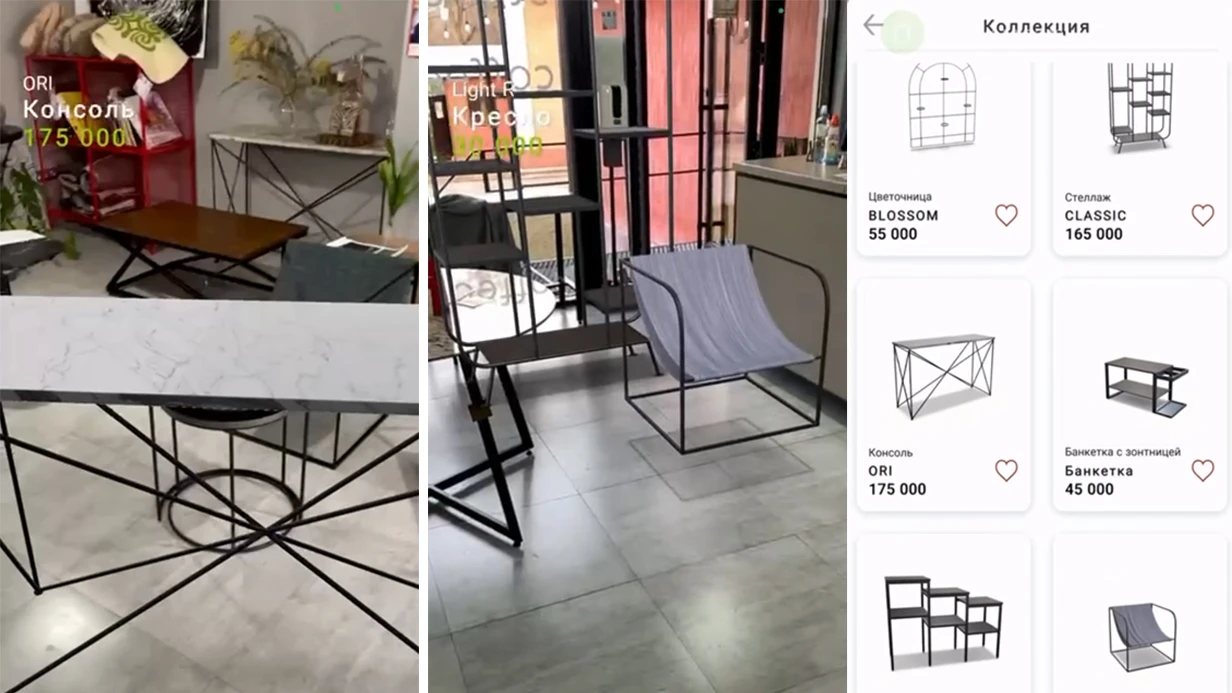
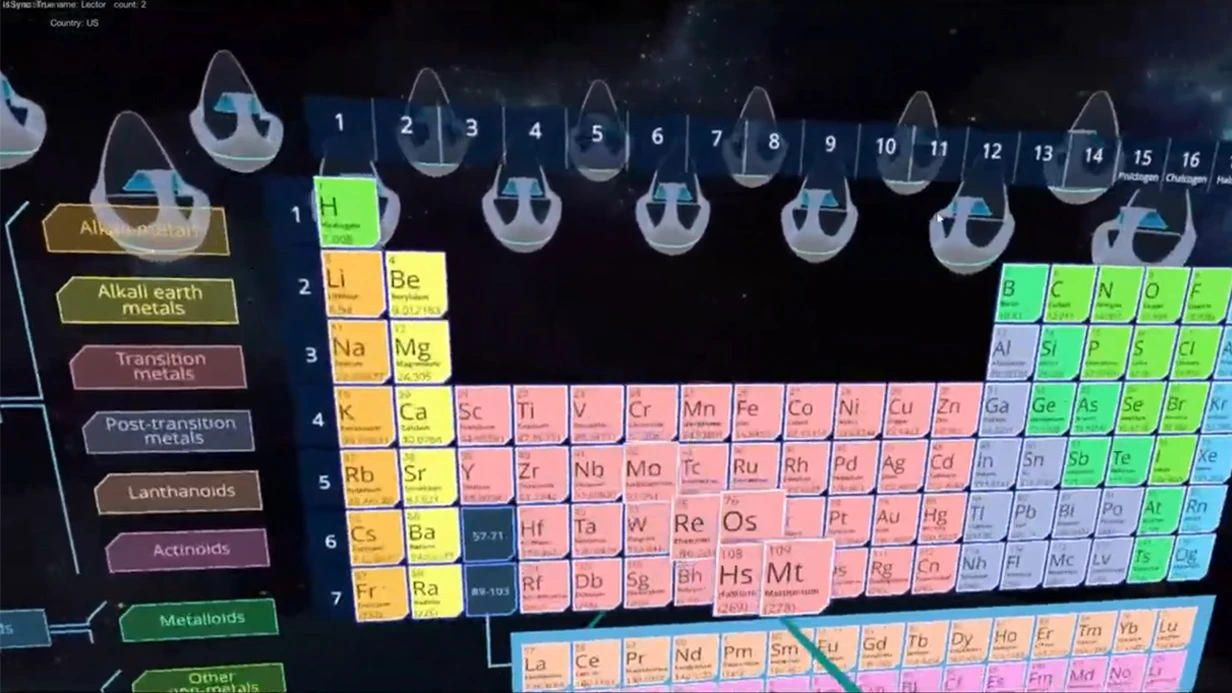
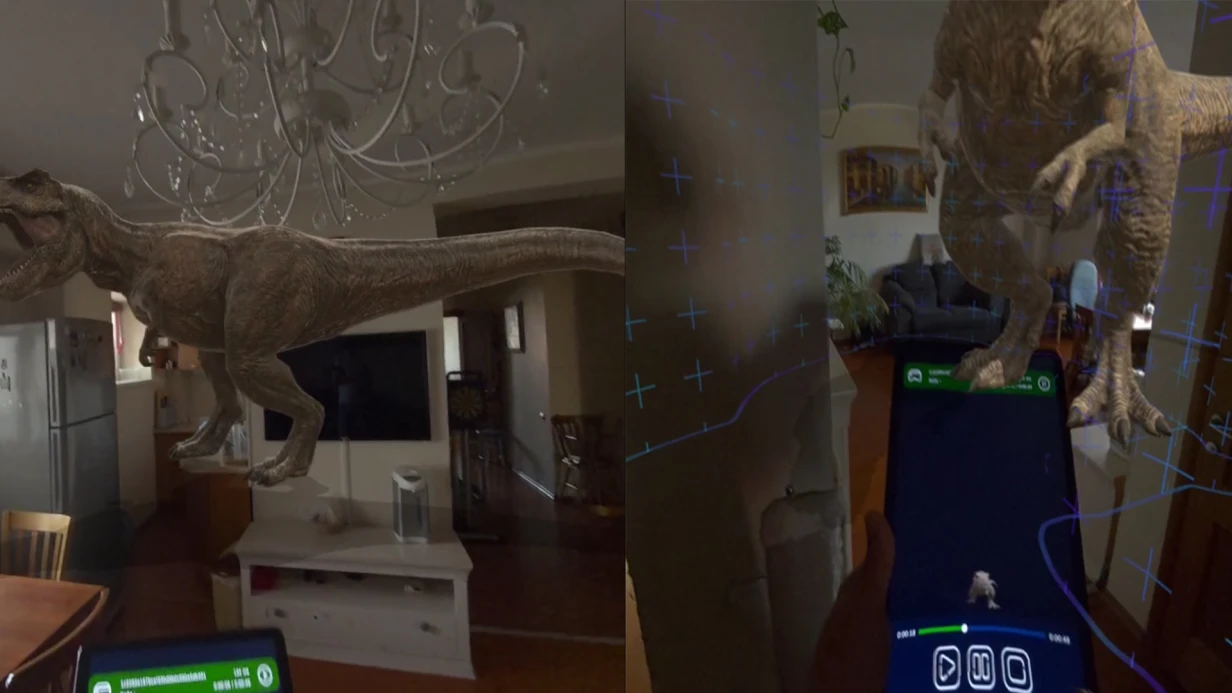
Point your smartphone camera at the packaging of an art product — and the illustration comes to life: the character moves, hidden details appear, colors change, a personal message for the recipient shows up.
This isn't a photo filter for entertainment; it's a way to pack meaning into the product: in ten to fifteen seconds of interaction, the brand manages to tell what previously would have required leaflets, videos, or a sales consultant.
For gifts and art products, this experience is especially important: their value lies in emotion and care.
A box with augmented reality triggers a "wow" moment before it's even opened, and the recipient experiences it twice — at the moment of receiving and during the interaction itself.
Such items don't get thrown away; people show them to friends, post them in Stories, and examine them at leisure. One successful AR layer turns a one-time purchase into a reason to return to the brand or order another gift for a loved one.
We develop AR packaging turnkey — from concept and design to ready-made scenarios for production runs. No complicated setup required from the buyer's side: just a regular smartphone, a camera, a second of waiting — and augmented reality does its job.
You get art products and gifts that don't get lost on the shelf but get picked up, opened, photographed, and remembered.
How AR packaging sets art products apart from competitors
Art products and gifts are chosen with the eyes: the buyer looks at the packaging before opening it. Ordinary cardboard gets lost among dozens of similar items — AR packaging brings the product to life and makes it noticeable.
Point your smartphone at a postcard — and the author starts speaking or the picture comes to life. This turns packaging into a point of contact that works for sales. Here's what you get:
- Brand recognition. The AR scene sets the product apart on the shelf, in the catalog, and on social media — it's impossible to miss.
- Customer experience. Unboxing becomes a small event that people tell their friends about.
- Differentiation from competitors. You're selling emotion and play, not just "a postcard" — this justifies a premium price.
- Gift value. The giver wants to surprise: interactivity makes the gift personal and memorable.
- Free advertising. Buyers record unboxing themselves and share it on social media — that's reach without a promotional budget.
- Returns for new releases. Collectible AR series turn a one-time purchase into a lasting habit of coming back.
We create such solutions on professional equipment and refined tools — you get consistent results and a working tool for standing out in an overcrowded market.
AR packaging formats for different goals
Choosing an AR packaging format is easier when you start from the goal: whether you need to surprise the recipient, tell the author's story, or encourage repeat orders. Each option enhances the gift experience in its own way but works toward different business outcomes.
| Format | Who it's for | What it gives the customer |
|---|---|---|
| AR postcard with a video greeting | Gift sets, corporate souvenirs | A personal message inside the gift — the recipient sees emotion, not just a box |
| AR sticker on packaging | Mass-market art products, retail souvenirs | Increased engagement at the shelf: the buyer scans the sticker and gets an interactive experience |
| AR label with the artist's story | Original works, limited editions | Adds value through context: who created it, what inspired them |
| AR insert with a 3D gift or game | Children's gifts, interactive sets | An additional usage scenario — the gift stays "alive" longer |
| AR postcard with a reorder button | Gift boxes, subscription boxes | A direct path to repeat purchase — the recipient orders a new set with one click |
With this table, the client can see which format suits their audience and marketing goal. Our team takes on the selection, design, and testing of the scenario — the art product or gift works with AR from day one, without a lengthy setup.
If you're unsure between formats, we'll suggest the option that's easiest to integrate into your current packaging production and that will start delivering measurable results fastest: reach, repeat orders, or brand awareness growth.
We help compare the cost of implementation and the expected effect before launch — without unnecessary experiments on your budget.
How we create AR packaging: from brief to launch
-
Brief and packaging audit — we discuss your art products or gifts, examine the box construction, and analyze the target audience. The outcome is an understanding of the AR format and mechanics that will enhance the product's value rather than add unnecessary complexity.
-
AR scenario prototype — we create an interactive mockup that can be tested on real packaging before final development begins. You see how the product comes to life and can adjust the brand story before significant budgets are committed.
-
Marker and packaging design — we develop an AR marker that applies easily to the production run and doesn't conflict with the existing design. A customer with a smartphone can read it without installing apps — this is a key requirement for mass adoption.
-
AR experience development — we build a scene that works reliably on most modern smartphones. The focus is on recognition speed and an intuitive interface, so the buyer never thinks "this is too complicated for me."
-
Testing on real devices — we verify correct operation across different operating systems and screen resolutions, fix bugs, and ensure fast response under any lighting conditions.
-
Launch and instructions — we deliver QR codes, short video guides, and a reference card for your team and retail partners. Any salesperson or courier can show the recipient how to "bring the gift to life."
-
Support and analytics — after launch, we track how many people activated the AR, which scenes engage the most, and when interest peaks. If needed, we update content without stopping the project — this is included in the standard support package.
The entire process takes from two weeks, depending on scenario complexity and production volume. You communicate with a single manager rather than a chain of contractors — edits are made quickly, and the result matches expectations.
Start with a free brief: show us the packaging, and we'll suggest two or three mechanics that easily fit into your production and budget.
What's included in AR packaging development
Every item in the package is not an "optional extra" but a working tool that increases customer conversion and turns a one-time purchase into a reason to return to the brand. Below is the full list of what you receive upon project completion.
- Target audience analytics. We study who exactly buys art products and gifts, how they make decisions, and what motivates repeat purchases. This is the foundation for a scenario that resonates with your customer's expectations.
- Interactive scenario tailored to your product. We define the core emotion at box opening: delight, surprise, a sense of connection to art. Each product type — from a postcard to a serialized figurine — gets its own interaction format.
- Graphic content for augmented reality. We create 2D and 3D objects that come to life when the smartphone camera is pointed at them. This isn't a "tick-the-box image" — it's an element people want to save and revisit.
- Technical implementation of the AR marker. We integrate the code into your packaging or the product itself. The buyer doesn't need to install anything: scanning, viewing, and sharing all work with one click.
- Staff training and buyer instructions. We prepare a clear reference guide for your team and simple instructions on the box. The buyer understands what to do without prompts, and your staff can quickly explain the process at the point of sale.
- Exclusive license to created content. All objects, scenarios, and graphic materials become your property. You can use them in any advertising campaign, relaunch promotions, and scale the mechanics across the entire product line without additional fees or restrictions.
The full scope is fixed in the contract before work begins. Timelines and usage rights are agreed upon in advance — you know what you'll receive, when, and how you can use it after the pilot launch.
Case study: packaging with augmented reality increased repeat orders
One of our clients — a manufacturer of art products and gift items — faced a typical problem: packaging performed only a protective function and did nothing for the brand.
Buyers remembered the gift itself but not the manufacturer, and repeat orders came only from a small portion of the audience. Our task was to make packaging that surprises and engages without changing the production cycle.
We proposed adding augmented reality to an ordinary box: when customers pointed their smartphones at the packaging, the design "came to life" — an animation appeared, along with a greeting from the artist or an interactive thank-you postcard.
The solution required no changes to the container or printing — just applying a marker and a link to instructions. We launched a pilot on two SKUs to gauge reaction without major investment.
The results exceeded expectations. In the first two months, the share of repeat orders grew by 18%, and the average order value increased by 12% — customers began choosing gift sets with "living" packaging more often.
Social media reach also grew: buyers recorded the "coming to life" process themselves and tagged the brand, providing additional free promotion.
We recorded the exact conversion figures in the report — within six months, the project was scaled across the entire product line.
The client's company head commented on the collaboration: "We thought AR was expensive and complicated. Our team proposed a clear pilot, implemented it quickly, and demonstrated measurable sales growth.
Now it's part of our packaging strategy." Importantly, we didn't just provide technology — we tied it to business metrics: repeat purchases, average order value, and brand awareness. This is what sets our projects apart from "AR for the sake of effect."
Want the same result for your art products or gifts? We'll show you how packaging with augmented reality can increase repeat orders in your niche and offer a pilot launch with clear evaluation criteria. Leave a request — we'll show examples and calculate the economics for your product range.
Frequently asked questions about AR packaging development
Art product and gift clients haven't often encountered AR before, so the same questions come up before launching packaging: how much does activation cost, which phones will it work on, and how quickly can it be ready for the print run. We've gathered answers to these concerns so you can assess the result before the brief.
Below are typical doubts and our honest answers. If you don't find your question here, just write to us — we'll calculate your specific case.
How much does AR packaging development cost?
The price depends on scenario complexity and the number of animated objects. A simple activation — point your smartphone at the packaging, see a greeting or the author's story — costs significantly less than a multi-layered interactive story with video and 3D.
We offer two or three options for different budgets and lock in the estimate before work begins, so there are no surprises.
Which smartphones does AR packaging work on?
Activation runs correctly on most modern devices with a camera. The buyer doesn't need to download anything: AR opens in a regular browser via a link or QR code printed on the packaging.
This makes the barrier for the customer nearly zero, which means more people will see the activation.
How long does development take?
The typical timeline is from two weeks: brief, scenario, approval of the mockup and the AR layer itself. Along the way, we advise on how to properly integrate activation into the production process so the print run isn't delayed. We provide the exact timeline after the brief and confirm it in the contract.
You can get your project evaluated for free: send us a photo of the packaging mockup — we'll show how the AR layer will look and what's needed for it.How to choose an AR packaging format for your budget and audience?
The direct answer to this question starts with two criteria: who your audience is and what exactly you're packaging. AR packaging isn't just a "living picture" — it's a communication tool that must match the expectations of guests, buyers, or exhibition visitors.
If the scenario involves quick interaction and a social media photo, you need one format; if it involves extended exploration of the product or brand story, you need another.
For mass audiences at events, instant launch and a one-touch, intuitive scenario are key. Your guests won't read instructions: they point the camera and get an emotion within a second.
If you sell gift sets or art products, the interactivity should surprise before the box is even opened — that's what increases the gift's value and triggers brand mentions on social media. For these tasks, we use augmented reality markers that work even through packaging film.
The third criterion is the implementation budget and production scale. For a one-off art object, a smartphone camera and original AR masking are enough; for a batch of gift boxes, serial printing of uniquely designed markers works better.
We offer tiered solutions: from a minimal version that tests demand and reaction to a full-scale installation with animation and sound. This allows you to start with a small budget and scale the project once you see real conversion and interest.
The bottom line is simple: there's no universal solution, but there are precise selection criteria. We help you choose the format for your specific scenario — with error protection and performance headroom.
You save time on testing and get a ready-made tool for growing awareness and repeat sales that works for your benefit, not just "impresses" in a report.
Ready to discuss your project? Leave a request
Every AR packaging project starts with a conversation about your task: what experience you want to give the buyer, what emotion should remain after unboxing, how augmented reality will help you stand out on the shelf.
We'll find the format that enhances your specific product — from a simple animated message to an interactive scene with a character.
What you get after reaching out:
- A consultation on the AR packaging format — we'll explore how to bring a postcard, box, or souvenir to life and make it a conversation starter.
- A cost calculation for your production run and budget — without hidden fees or unnecessary options.
- Tool selection matched to your timeline and the buyer's device — so augmented reality works for most customers without extra steps.
- Examples of completed projects for art products and gifts — we'll show how the AR layer boosts recognition and adds a "wow" effect.
- A clear implementation plan: from sketch to publication in a web version or app, with defined dates and a responsible person at every stage.
- Post-launch support — we'll help update content, fix issues, and adapt the scenario for a new season or collection.
To order AR packaging for art products and gifts, leave a request on the contacts page or message us in any messenger.
We'll respond within one business day, provide a free consultation, and prepare a transparent cost estimate — you'll get a clear action plan without diving into technical details.