

Why does your AR packaging get lost among video games and game consoles?
The shelf with video games and consoles today looks like a solid wall of identical boxes. The buyer's eye glides over dozens of bright covers, and your product flashes among them for no more than a couple of seconds.
At that moment, the decision is made whether the game gets picked up or passed by — and more often than not, people walk past because nothing grabs their attention.
Competition in games has long shifted from the mechanics themselves to packaging. People don't choose based on the description on the back — they look for an emotion they can see and feel before the purchase.
But a static box can't convey the game's dynamics, its atmosphere, or its main selling point. As a result, even a strong product gets lost among competitors who promote themselves louder.
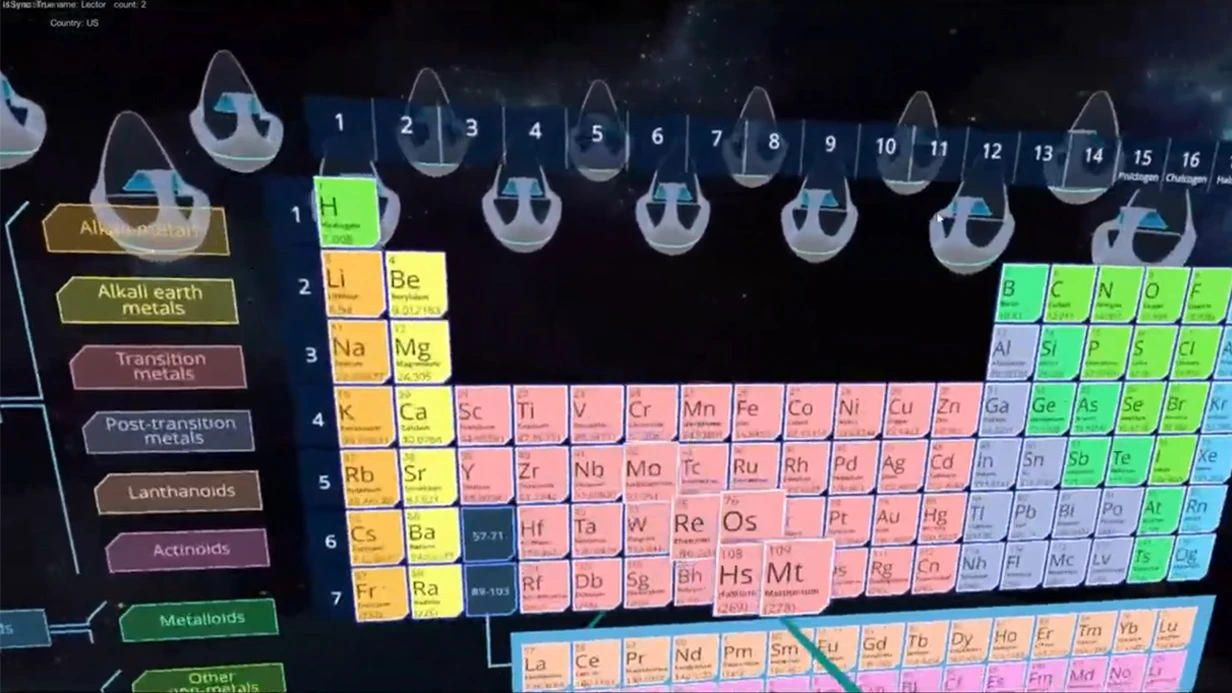
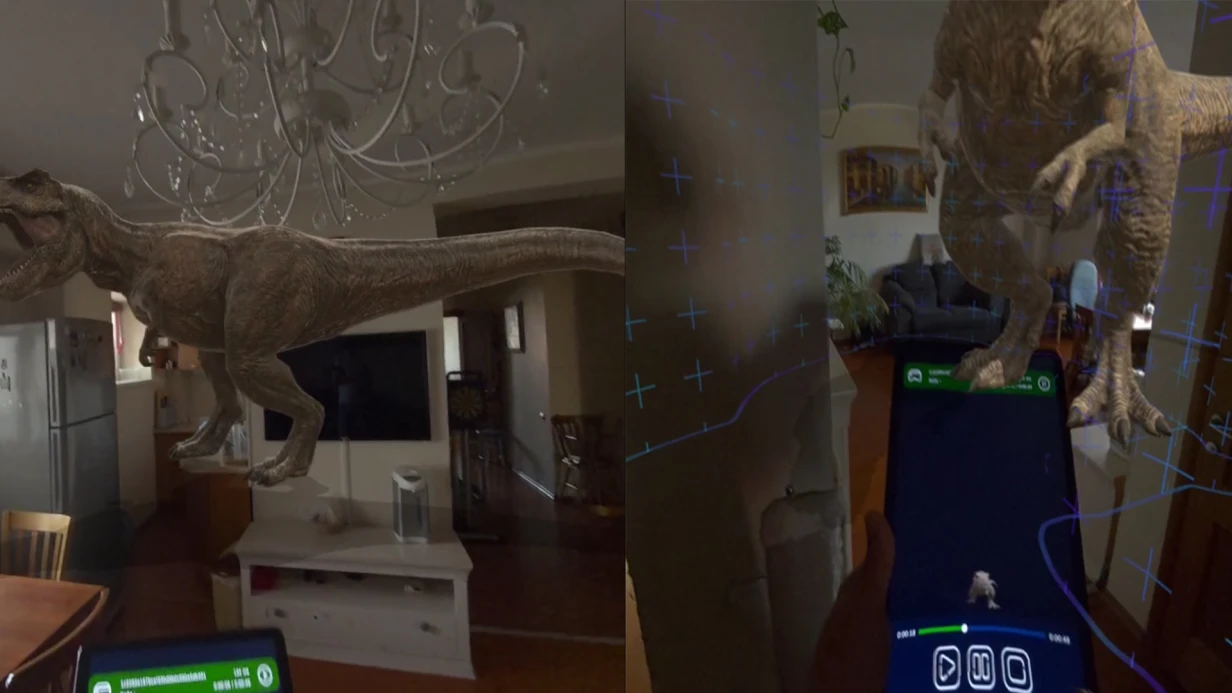
Augmented reality solves this problem. All it takes is pointing a smartphone camera at the box — and the character "comes to life," showcases key gameplay, invites the player to try a demo, or offers a promo code for bonuses.
The buyer stops being an observer: they interact with the product right in the store. This is exactly the moment that makes a game stand out on the shelf and makes people pick it up.
For a brand, AR packaging means not only higher conversion at the point of sale but also a free media effect. Every customer films such an interactive experience on their phone and shares it on social media — so your product gets additional reach without an advertising budget.
Plus, augmented reality builds the right image: the brand looks modern and tech-forward, and that directly affects customer trust and loyalty.
We work with video game manufacturers and console accessory producers and know how to turn packaging into a point of sale rather than just a box.
We'll advise which augmented reality scenario will work specifically for your product and deliver it turnkey — from idea to final print run. Leave a request, and your product will stop getting lost on the shelf.
What you get from AR packaging for your product
AR packaging turns an ordinary game box into an interactive experience before the purchase. The buyer points their smartphone at the packaging — and a character comes to life on the screen, a short demo opens, or a hidden teaser appears.
This isn't just decoration; it's a full-fledged AR marketing tool that increases product recognition and directly influences the purchase decision.
Such engagement works where ordinary packaging fails. Instead of reading specs on the back of the box, the buyer immerses themselves in the game's atmosphere and interacts with it. Attention is held many times longer, and the emotional connection with the product becomes deeper.
This noticeably boosts conversion — people buy not just a disc but the impression they've already experienced.
A memorable AR experience also produces a second effect — virality. An unusual interaction begs to be shown to friends and followers, so buyers record videos themselves and share them on social media.
Each such post is free advertising for your product that reaches a new audience without extra investment.
AR packaging keeps working after the purchase too. Through augmented reality, buyers can unlock bonus levels, exclusive content, or characters available only to box owners.
This motivates them to return to the product, deepens loyalty, and turns the buyer into a devoted fan who awaits your new releases and recommends them to others.
The bottom line is sales growth. AR packaging combines engagement, recognition, and loyalty into a single tool that sets your product apart on the shelf and in the digital space.
We take on the development of such an experience for your game — from idea to finished packaging that sells even before the first launch.
AR packaging formats for video games
Packaging for video games and consoles is the gamer's first offline contact with a brand. The buyer holds the box, reads the description, opens it — at that moment, the purchase can be turned into an experience.
Augmented reality brings packaging to life: a character appears, a teaser opens, an interactive scene emerges that begs to be shared.
We've prepared several AR packaging formats that work individually and in combination. All options launch from an ordinary smartphone — the player doesn't need to download an app. The entry barrier is minimal, the reach is higher.
| Format | Who it's for | What it gives the client |
|---|---|---|
| Augmented reality sticker | Promo campaigns, special editions | Brings a print run to life without redesigning the box, boosts shelf appeal, triggers viral posts |
| AR postcard | Pre-orders, gifts, festivals | Becomes a collectible item, drives social media engagement, attracts new audiences |
| Interactive box | Collector's and limited editions | Turns packaging into an object of desire, increases loyalty, and encourages repeat purchases |
| Interactive insert | Add-ons and in-game bonuses | Strengthens the purchase value, increases bonus activation conversion |
Each format solves its own task: from visibility on the shelf to the depth of immersion in the game world. If you're unsure, we'll produce a test batch and measure engagement. You'll get a clear result and scale what works.
How we create AR packaging: 6 steps
At first glance, AR packaging is a "living" game box. For us, it's a well-structured process where every development stage moves toward a measurable result: higher recognition, interest at the shelf, and repeat purchases. Over years of work, we've refined six steps that all projects go through.
-
Development brief. We start with your goals: whether you need to increase reach, build a player base, or stand out in retail. We lock in timelines, formats, and desired metrics — so there's something to evaluate at the end.
-
Creating the AR concept. We think through the scenario: what the player will see when pointing the camera, what mechanics will hold their attention, and how this will strengthen the desire to buy. We align the concept with you and with retailers so the packaging doesn't get lost on the shelf.
-
Prototype and testing. We build a working version and test it on different devices and under different lighting conditions. The goal is simple — the activation should launch quickly and without glitches, and the user shouldn't abandon the scenario midway.
-
Design and development. We draw the AR elements, integrate them into the packaging layout, and prepare the app itself or a web version. At this stage, you get a finished product you can show to partners and stores.
-
Launching the AR campaign. We publish the activation, prepare instructions for retail staff, and provide technical support on day one. We monitor the load so everything runs stably during peak hours — without lags or freezes.
-
Support and analytics. We collect launch statistics: how many activations, how long users interact, and where they "drop off." Based on this data, we refine the scenario and suggest how to use AR in future print runs.
The entire process takes from two to six weeks — depending on the complexity of the mechanics. You get not just a pretty picture but a working sales tool with clear results after launch.
What's included in the project delivery
You receive a complete package: from approved layouts to production-ready files. You won't need to figure out the technical side — everything required to launch and manage is packed into a clear structure.
Delivery contents:
- Source and working layouts — all packaging images and elements in up-to-date versions, ready to send to the printer or production.
- Ready-to-use AR project archive — you upload the files, we provide a quick setup guide, and the effect starts working on boxes and consoles.
- Application instructions — a simple step-by-step document: how to point the camera, what lighting works best, how to avoid losing the scan.
- Staff training — a short session for your team: how to demonstrate the AR effect to a customer and what to say if something goes wrong.
- Branding and styling — you receive final logos and elements in formats for any medium.
- Backup launch option — in case of technical failures at the venue.
- Technical support — after project handover, we stay in touch and help resolve any launch issues quickly.
The entire delivery is, in essence, a "key-in-hand" solution: you get not just an image but a working tool. Inside is a clear structure so any employee — even without a technical background — can figure it out and demonstrate the effect to a customer within 10 minutes.
Case study: how AR packaging boosted game recognition
A game franchise publisher — let's call it GameStudio — faced a typical problem: disc boxes were getting lost among competitors. Buyers couldn't see a difference between products, and the marketing team was spending budget on banners that nobody clicked.
They needed a way to bring packaging to life and turn it from a simple container into a point of contact with the audience.
What we did
We developed an AR scenario that launches when a smartphone camera is pointed at the box. The game character "jumped out" of the packaging, greeted the owner, and offered an exclusive bonus — a promo code or a hidden level.
For the buyer, this turned the purchase into a mini-event: they wanted to share the magical moment on social media, and the brand got free reach without an advertising budget.
Implementation metrics
In the first month after the release, boxes with the AR marker were scanned three times more often than we predicted in the baseline scenario. Most importantly, the conversion to the store page visit turned out to be 23% higher than with a regular QR code.
Disc owners spent an average of 4 minutes with the app — enough time to fall in love with the character and form an emotional attachment to the franchise.
The repeat-action mechanic also worked especially well: 18% of buyers returned to scanning after the first launch — to show the packaging to friends or check for new bonuses.
Sales of that print run outpaced the previous year's release without the AR layer, and some retail shelves were dedicated to "living boxes" separately from competitors.
For us, this became a successful project and the foundation for a standard solution: we now offer AR packaging as a standalone product. The client wasn't just satisfied — they initiated a second phase for the collector's edition of the next game in the series.
How to choose the right AR packaging format for your task?
Choosing an AR packaging format for video games and game consoles is not a technical task but a marketing one. First, ask yourself: what should the packaging do to the buyer?
Create buzz before the release, engage them with the game before the purchase, drive repeat sales of add-ons, or simply deliver an emotion worth sharing.
The answer determines what the medium will be: a sticker on the box, an inner insert, a postcard, or even an AR mask for the cover.
If the goal is broad reach and virality, choose the simplest format that doesn't require installing an app. The buyer points the camera at the box and immediately gets a short teaser, a character appearing, or a mini-game. This scenario suits mass releases and works to generate interest.
When depth of interaction matters — for example, an extra level, an easter egg, or a story prologue — it's better to use a format with the brand's app, but then you need to provide clear instructions and motivation to spend two minutes on installation.
Budget and print run also determine the format. For a small collector's batch, individual printing with unique AR markers for each series is cost-effective.
For a large print run, a unified template that changes only in the digital part is more efficient — this saves on production and lets you update content without reprinting.
If your packaging is already ordered in a large print run, AR can be added even without changing the design — for example, with a sticker on the shrink wrap, and that becomes a separate touchpoint.
Don't forget the console audience: gamers are used to fast action and react negatively to friction.
That's why we test the scenario on a focus group before launch: we check that the user understands where to point the camera, how long to wait for loading, and how to share the result.
Sometimes just changing the call to action is enough — and the conversion from packaging increases several times over.
The bottom line is simple: the right format is the one that solves your marketing task and reaches the buyer's mind without barriers. We help you choose such a format, create a prototype, and validate it with real users.
Come with a task — we'll propose two or three options with different budgets so you can pick what fits your launch pace.
Frequently asked questions about implementing AR packaging
When it comes to AR packaging, clients tend to ask the same questions: how much does it cost, how fast can it be implemented, will it work on buyers' phones. Below, we've broken down the most common ones so you can make a decision without hesitation.
The key point: AR packaging is not an experiment but a working tool that increases engagement and charges the product with a "wow effect." Our team's experience allows us to forecast timelines, results, and cost as early as the briefing stage.
Why does a brand need AR packaging?
It turns ordinary packaging into an interactive experience: the buyer points their smartphone camera and sees a 3D model of the product, animation, or game mechanics.
This increases the time spent in contact with the brand, creates a reason to share on social media, and makes the product stand out on the shelf. Essentially, you get another communication channel with the customer — without spending on an additional medium.
How long does implementing AR packaging take?
The timeline depends on the complexity of the scenario and the number of platforms the experience needs to run on. A simple mechanic takes two to three weeks; a full-scale project with 3D animation and games takes one to two months.
After the brief, we create a precise schedule and show intermediate results stage by stage so you can control the process.
What affects the cost of AR packaging?
The price is made up of the volume of 3D content, interactive elements, and the number of devices that need to support the experience. We prepare a transparent estimate after analyzing your task: you'll know in advance what you're paying for and what result you'll get. If you need to fit a budget, we'll choose a solution with the optimal balance of price and effect.
Will it work on buyers' devices?
Compatibility is one of the key stages of development. We test the AR scenario on major mobile platforms and popular phone models so the customer gets a stable experience without installing extra apps.
The user instructions will explain how to activate AR, and if needed, we'll add hints right inside the scenario.
If your question isn't on the list — write to us. We'll explain how the technology works in your niche and propose an option for your tasks and budget.Ready to enhance your game's packaging with augmented reality?
Game packaging has stopped being just a box. When a buyer points their smartphone camera at the cover, they expect to see a hero, a trailer, or a hidden bonus — and if that's missing, interest is lost even before installation.
Augmented reality turns the box into an interactive channel: it holds attention, increases purchase conversion, and gives a reason to share the experience on social media.
We've already helped gaming brands with AR packaging and see measurable results: interactive covers hold attention 2-3 times longer than regular ones, and every third buyer records a video of the effect and posts it. That's additional reach without an advertising budget.
What you'll get after placing an order:
- Analysis of your cover and an AR effect scenario: from a 3D character to a hidden promo code.
- Design and technical implementation for your packaging — for print runs of any size.
- A solution that works on most modern smartphones, including budget models.
- Marketing integration: a marker on the box, buyer instructions, and an app download link.
- Testing on different devices and bug fixes before release.
- Printer support during printing and production implementation.
- Post-launch support: updates, interaction analytics, and scenario refinements.
To calculate the cost of AR for your game, send us the packaging layout and a description of the mechanics — we'll prepare a proposal with precise timelines within two business days.
You can order AR through the form on the website or via messenger: we'll give you a price estimate and show examples of similar projects.