

Customers flip through booklets and brochures — conversion is dropping
Print materials are still important, but customers are flipping through booklets and brochures faster and faster.
Advertising that brought in leads yesterday is getting lost in today's information flow: attention scatters, conversion drops, and the print-run budget doesn't pay off.
Customers are used to dynamic content — they want to see a product in action, not read about it. Static images and text don't provide the level of engagement that shapes a purchase decision.
That is exactly why traditional print has stopped grabbing attention and is increasingly left unopened.
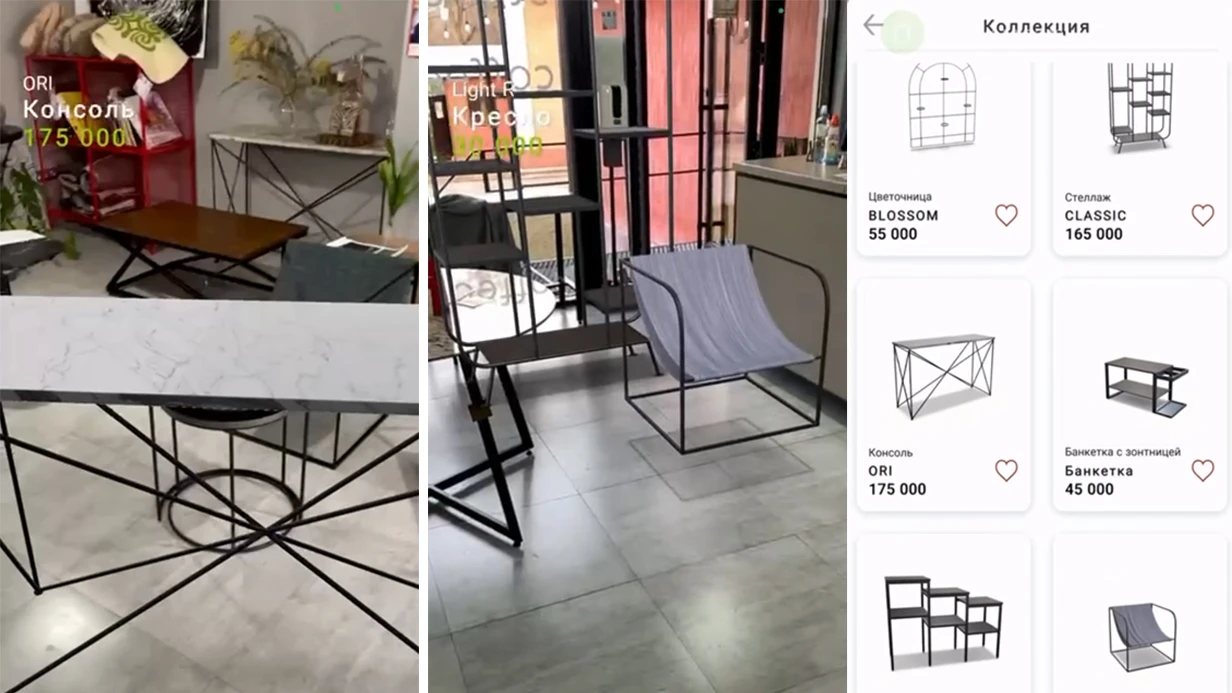
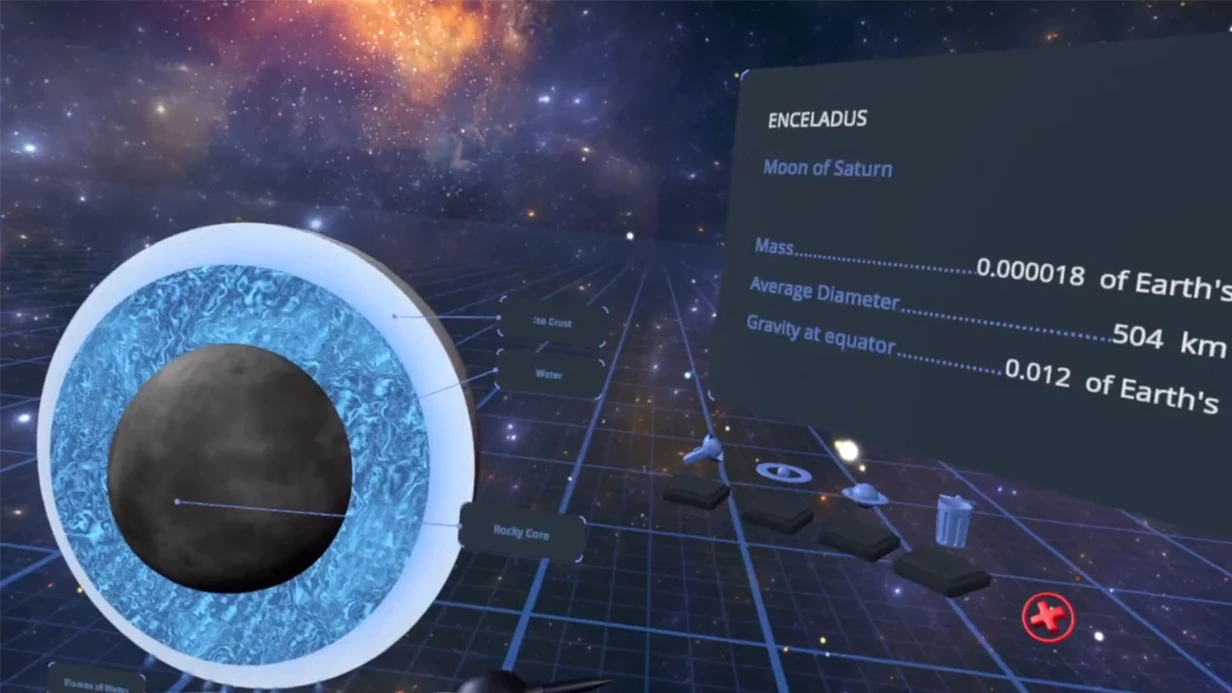
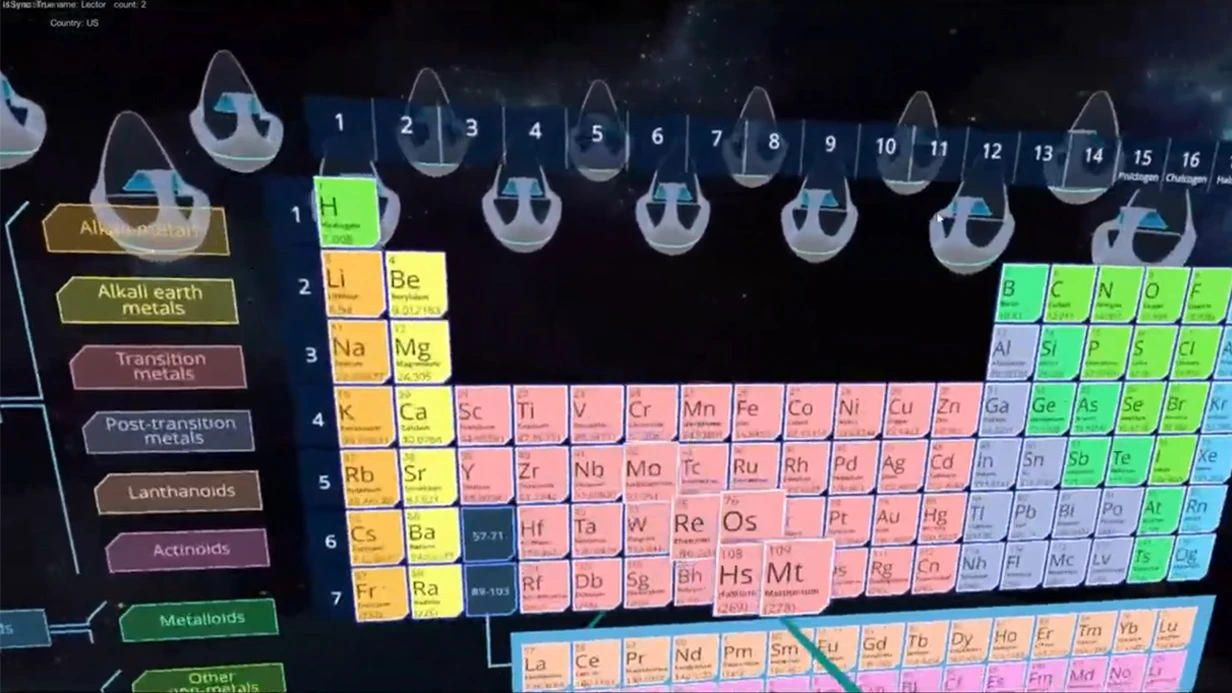
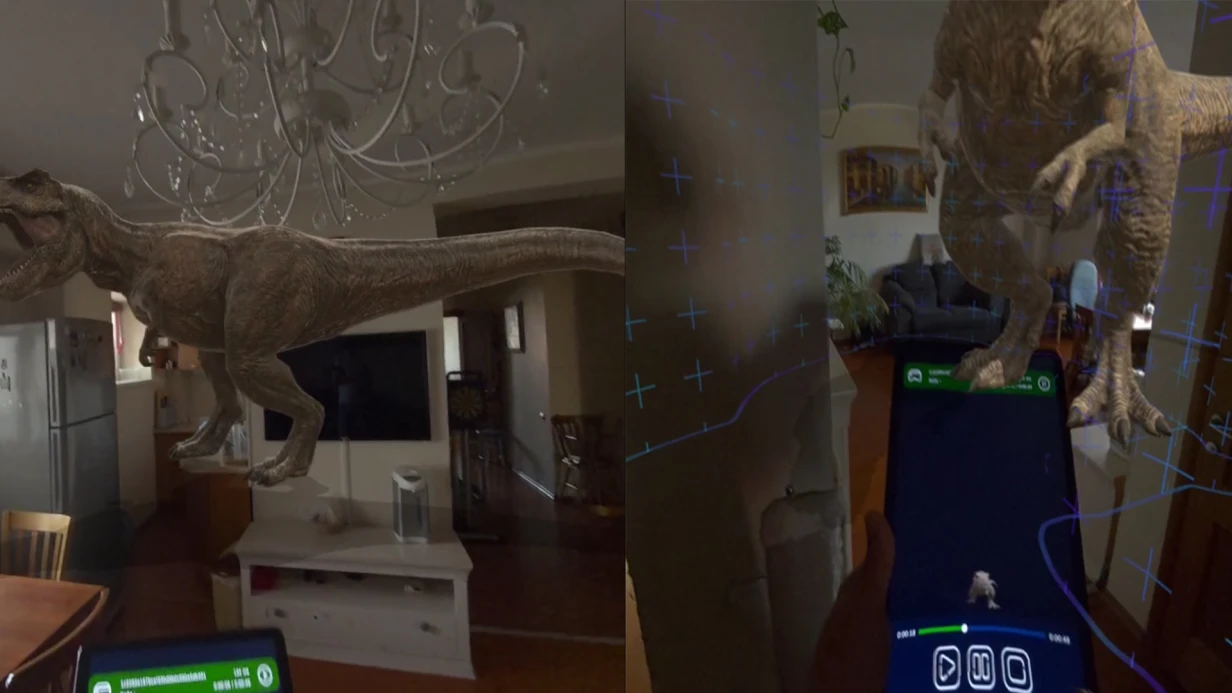
AR for print brings back interest. Point your smartphone camera at a page — and the booklet comes to life: a 3D product model, a short product demonstration, a promo video, or an interactive diagram appears.
This isn't just a "gimmick"; it's a working engagement tool that turns passive reading into active interaction.
Interactive brochures hold attention several times longer than regular ones. The customer doesn't flip past — they study your product, return to the page, and show it to colleagues.
More time with the brand means stronger recall and a higher likelihood that the viewing ends in an inquiry or an order.
We create AR scenarios for your print materials so that every page works toward a result. Bringing booklets to life restores customer interest — and gives you conversion and a measurable return on your print investment.
What AR printing gives your business: 5 measurable benefits
Regular print competes with the smartphone — and loses: the booklet gets a couple of seconds and ends up in the trash. AR printing brings pages to life: a video, a 3D model, or a catalog appears right in the reader's hands, and the visitor stays for several minutes. For business, this isn't a "wow effect" — it's measurable metrics.
Five benefits you can see in the numbers:
- Higher engagement. On average, 60-70% of recipients scan the marker. Instead of a single glance — minutes of studying the product.
- Brand recall. Interactivity creates an emotional anchor: after an AR experience, the brand is remembered 2-3 times more often than after regular print.
- Leads from events. Each brochure has a built-in counter of requests and contacts. You pass on to sales not "random visitors" but warm leads with a specific interest.
- Extended print-run life. The same booklet keeps bringing in inquiries for weeks — without a reprint or new investment.
- Reach and ROI. The analytics dashboard shows which pages are viewed most often, where scans come from, and what the conversion to the target action is. This data helps plan the next campaign and justify the budget.
We deliver turnkey AR printing: from the marker and design to analytics. We'll send you an estimate for your print run — just write to us.
AR solution formats for booklets and brochures
A paper booklet today is not just a piece of printed information; it's a touchpoint that can work like a mini-site. With AR layers, print comes to life: a product video, a 3D model, an order link, or an event program appears right on the page.
This format holds attention longer than static text and provides analytics: who scanned, what they viewed, and how often they came back.
We'll advise which format fits your task best — from attracting attention to collecting inquiries.
| AR Format | When to use | What it delivers to the client |
|---|---|---|
| QR activation on the cover | Catalogs, brochures, event programs | Quick transition to a video presentation, website, or online registration — higher conversion from an offline medium |
| AR layer on pages | Product and service booklets, hotels, exhibitions | Living 3D models, photo galleries, extra discounts on scan — deeper exploration of the material |
| Interactive mask or character | Children's booklets, special offers, holiday brochures | A character or object appears on the page — emotional engagement and viral photos on social media |
| Brochure scanner | Multi-page catalogs, scientific and museum publications | Additional materials, audio guide, hidden content — sustained attention and statistics gathering |
Each option can be used on its own or to enhance a print run. We handle the setup, user instructions, and testing on different devices. You get a measurable communication channel that converts attention into inquiries and sales.
How an AR installation is created: 7 turnkey stages
Developing AR print materials is a process that only seems complicated until you see it from the inside. We've structured the work so you understand what happens at every step and can control the outcome.
Below are the 7 stages a project goes through: from the initial brief to launch and ongoing support.
-
Briefing and understanding the task. You tell us about the campaign goals, audience, and expectations. We clarify how the booklet will be used and propose an AR scenario that strengthens your message.
-
Concept and scenario development. We determine what exactly comes to life when the camera is pointed at the page: a 3D object, a video, or an interactive element. We align the narrative and visual style with you so the AR fits harmoniously into the design.
-
Layout and technical specification preparation. We adapt your booklet for AR markers and check how printing affects recognition. You receive a finished layout that's ready to send to the print house.
-
AR content creation and programming. Our specialists build the app or online version and configure recognition and animation. At this stage, you see the first working prototypes.
-
Testing on real devices. We check how AR works on different smartphones and in different lighting conditions. We fix any flaws so everything runs smoothly at the event.
-
Project launch and publication. You receive a link or QR code for printing, user instructions, and access to statistics. We help deploy the AR layer so that it's accessible from any device.
-
Support and development. After launch, we stay in touch: we update content, add new pages, and analyze engagement. If you decide to scale the project, it will be fast and painless.
This approach helps avoid typical problems: missed deadlines, device incompatibility, or unexpected rework. You get a predictable result and a working tool that increases interest in your brand.
What's included in the delivery: a complete launch package
You get more than just an interactive link — you get a ready-to-use package with everything thought through: from source files to usage scenarios. This means you're not dependent on the developer: you can launch the project at any time and make changes quickly when needed.
Delivery follows a clear schedule: brief and task sign-off, artifact development and testing, acceptance check on your equipment, handover of source files and documentation, team training, and post-launch support. At every stage, you see intermediate results and confirm your approval.
The delivery package includes:
- Ready AR print materials: links, QR codes, and markers that already work on your booklets and brochures.
- Project source files — you get all the materials needed to update content or produce the next print run.
- Setup and installation instructions: step-by-step and clear for employees without a technical background.
- A training package for your team: video tutorials, checklists, and templates for independent work.
- Guidelines: how to use AR in different scenarios — at an exhibition, in a presentation, or in a mailing.
- A testing report: which devices were tested and how the interactive content behaves.
This package answers the question, "What do we do after the project is delivered?" You get not just artifacts but also the confidence that your team will be able to use them — and that the product itself can be developed further without a major new development fee.
Case study: an AR booklet brought in twice as many inquiries
When a regular booklet stops generating inquiries, the problem isn't the printing — it's the presentation format. A printed catalog is looked at once and set aside: there's no emotion and no reason to return to the brand.
For the furniture manufacturer Mebel-Pro, this was a familiar story: bright catalogs were snapped up by the thousands at exhibitions, but managers were getting at best a couple of calls a day from "hot" leads.
We proposed bringing the printed booklet to life: we added an AR marker that visitors point their smartphone camera at — and the page "turns on." Instead of a flat photo, a 3D model of the sofa appears on the screen; it can be rotated, the fabric texture examined, and even mentally placed in the customer's own room.
No app downloads are needed — everything works in a regular browser, so the entry barrier for the customer is zero.
A month after launch, the statistics spoke for themselves: the number of inquiries from the booklet grew from 200 to 450 per month — more than double. Customers began submitting requests much more often after "touching" the product in augmented reality.
At the same time, the booklet itself remained just as inexpensive to print, and managers didn't need retraining — request handling worked as usual.
Why it worked
People remember not eloquent text about furniture but their own hands-on experience. An AR booklet turns "I read it" into "I saw it and wanted to buy it": the visitor controls the model themselves, so they feel more confident at the selection stage.
For marketing, this means a measurable result — a specific number of inquiries that's easy to tie to the investment in the interactive version.
The Mebel-Pro project became a benchmark for us: after the successful launch, the client ordered AR versions for three other catalogs and uses them at regular exhibitions.
This confirms the key point — a technology that works pays off and comes back to you as a repeat order, not a one-off experiment.
Frequently asked questions about implementing AR
Before adding AR to booklets and brochures, clients often have the same doubts: "Is it quick to implement?", "Will it work for all visitors?", "Are we throwing money away?" We hear these questions on nearly every other project, so we've gathered honest answers — no complicated jargon, just what affects your result.
How long does it take to implement AR in printed materials?
Usually 5–7 business days from the moment the layout is ready. You send the design — we configure the interactive content, test it on different phones, and hand over the finished scenario for the print run. If you need it urgently, there's an expedited option in 2–3 days.
What if guests have old or low-end phones?
Our technology works through the standard camera of any modern smartphone — no app installation required. We verify compatibility with major models, including mid-range devices. Activation takes a couple of seconds: point the camera at the page — and the content comes to life.
How do I know that AR pays off?
We embed analytics: you can see how many people scanned each spread, how long they studied the content, and where they went afterward. This lets you measure engagement on a per-booklet basis and adjust subsequent print runs in time.
Is it safe for users and for business?
The scenario requires no registration or personal data — only camera permission. No file downloads to the phone and no hidden data collection. There are no risks for business: content is stored in a secure infrastructure, and access can be revoked at any time.
That covers the basics, but every project has its own specifics. Tell us about your booklets — and we'll recommend a solution that fits your timeline, audience, and budget.Ready to bring your print materials to life? Start your project now
Booklets and brochures stop being just paper when an AR layer is built into them. Living print holds attention three times longer, increases brand recognition, and turns every copy into an interactive sales tool — without additional advertising spend.
You don't need to understand technology to get print like this. Just submit a request — we take on the entire implementation: from scenario and design to on-site technical support. After you get in touch, you'll receive:
- a cost and timeline estimate for your print run and format;
- an individual proposal — tailored to your task, industry, and budget;
- examples of AR booklets and brochures in your field;
- design and printing recommendations so the AR works on the first scan;
- a free test demo on your layout.
Why do we guarantee results? For over 10 years, we've brought hundreds of booklets to life for museums, exhibitions, and retail chains.
For example, for the City History Museum, we created an AR guide that doubled the time visitors spent exploring the exhibition and brought a repeat order for the next season.
We work with professional equipment and proven tools, so every project launches on time and without a hitch.
Ordering an AR booklet is simple — submit a request for a cost estimate. It's free and non-binding. We'll discuss your task, show live examples, and offer a solution that will pay off through reach and engagement. Start right now — in a few days, your print materials will be working for you.
How to choose the optimal format for your task?
The short answer: no universal format exists, but the choice comes down to four guideposts — project budget, distribution geography, audience profile, and the channels through which the booklet reaches the reader. We help you choose a solution for your task — we don't "sell the most expensive option."
The project budget determines the scale: from a compact AR marker to a multi-page interactive catalog. If the goal is to quickly test a hypothesis, a single marked spread is enough.
If the booklet works at an exhibition or all year round as a sales tool, investing in several scenarios pays off through reach.
Geography and audience profile matter just as much. For offline events, a scenario that requires no app installation and works immediately upon scanning is a good fit.
For mailings to regions and corporate clients, an adaptive solution that's equally stable across different devices is better.
Distribution channels suggest the depth of the scenario: a short teaser format for business cards and flyers, and a full-fledged format for catalogs and brochures — with video, a 3D model, and order links.
The rule is simple: the longer a person holds the material in their hands, the more interactivity they're ready to absorb without losing attention.
If you're unsure which option to choose, start with a test on one print run: it will take a few days and give you engagement numbers. Based on this data, we'll propose a format that delivers maximum results without overpaying for unnecessary options.