

AR Printing for Information Stands: How to Bring Your Exposition to Life
Information stands are the face of any exhibition, but in their static form, they lose the battle for visitor attention. Guests skim the text, snap one photo, and walk away — the valuable information you spent months preparing goes unnoticed. For the organizer, this means lost audience contact and a poor return on event participation.
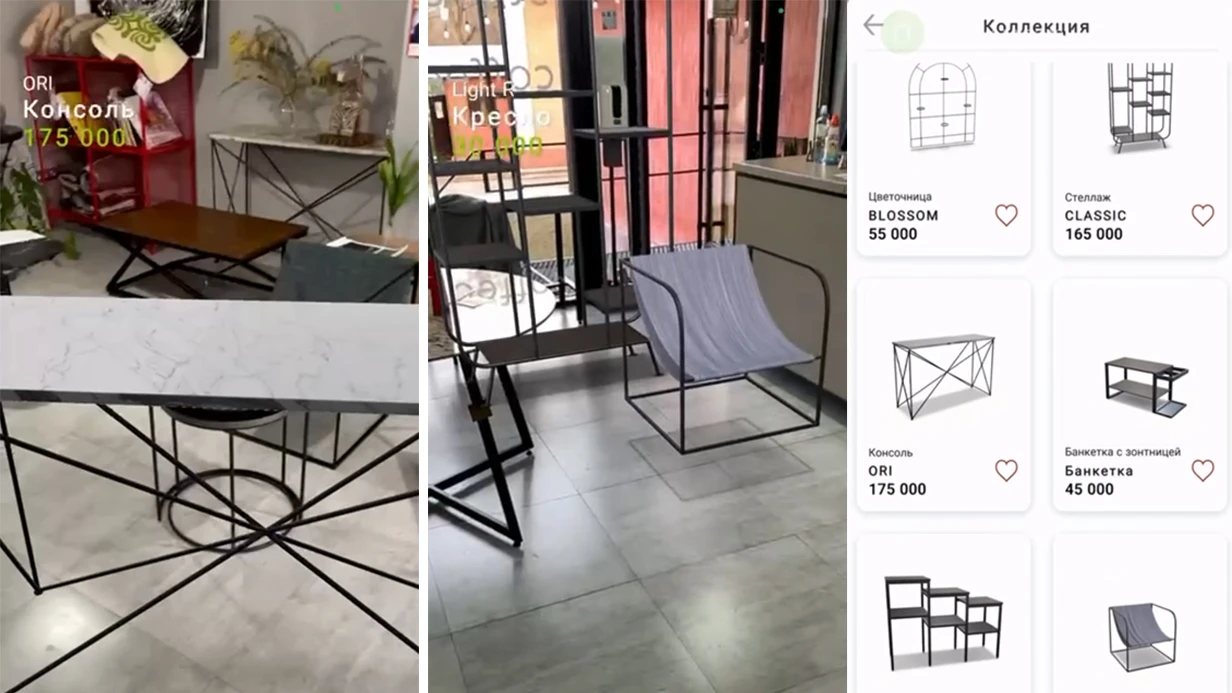
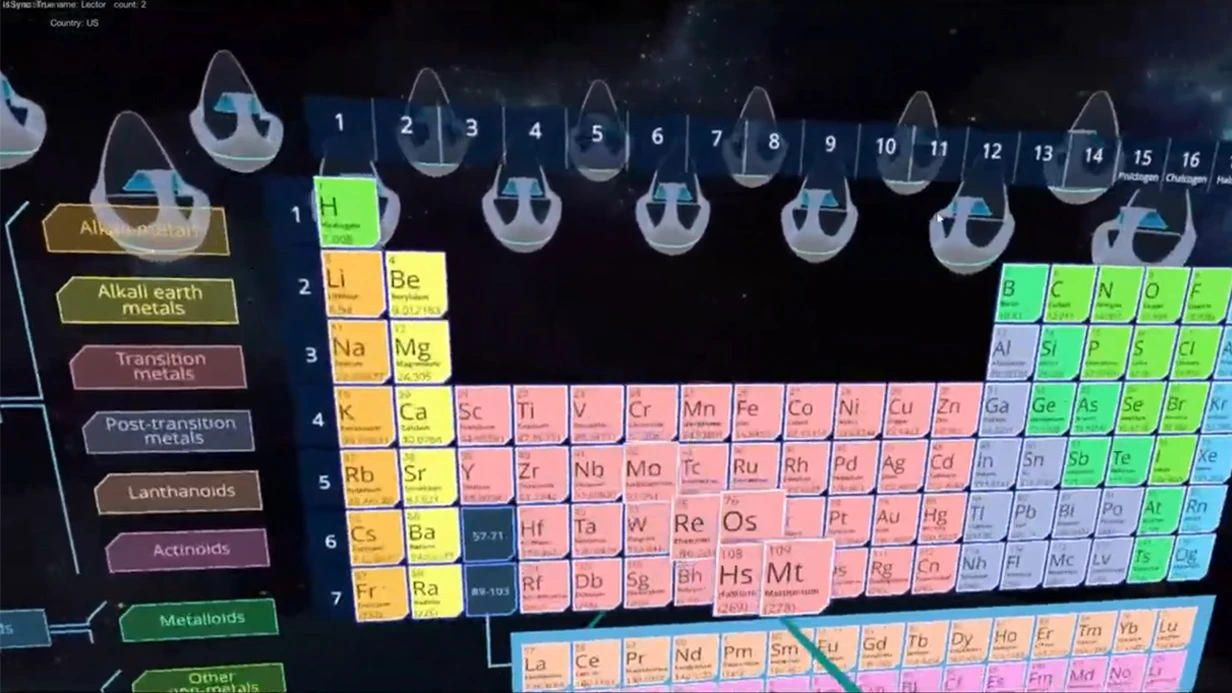
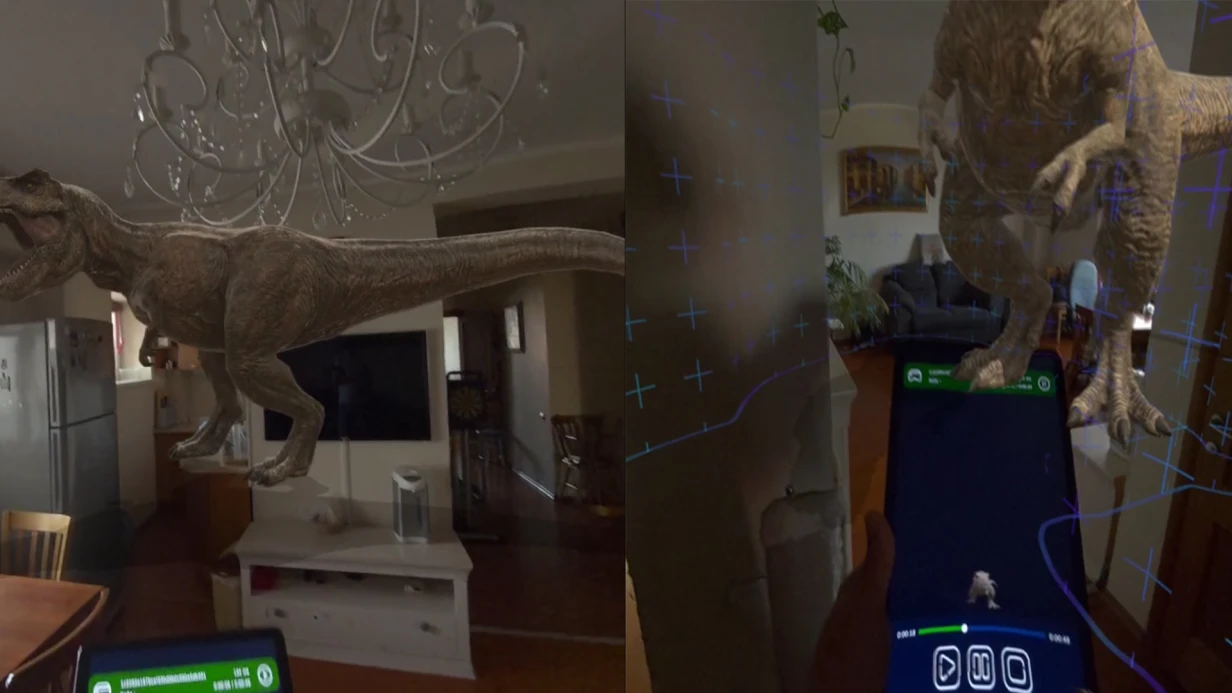
AR printing solves this: a printed poster or information stand becomes an interactive touchpoint. A visitor points their smartphone camera at a QR code or a special marker — and sees a 3D model, a short video clip, or animation layered on top of the printed material. A boring static image becomes an experience worth exploring.
This works for any venue: exhibitions, conferences, museum displays, brand zones in shopping malls.
Interactive stands keep guests two to three times longer than regular ones, and the emotion of "living" material naturally makes people want to share the experience on social media. The brand gains extra reach and a reason to return to the stand again.
We have specialized in AR printing for information stands for over 10 years.
We work with professional equipment and proven tools, so the result is consistent: visitors can always scan the marker without delays, and content displays correctly across different smartphone models.
We handle the entire cycle — from idea and design to technical implementation and on-site support on the day of the event.
What AR Technology Adoption Brings to Museum and Exhibition Projects
A regular information stand rarely holds attention: visitors glance at it and move on. AR printing turns a static poster into a living story — point a smartphone camera at it, and 3D exhibits, animation, or a narrative appear before the viewer.
Implementing this technology in museum and exhibition projects solves three business objectives at once: increased engagement, data collection, and a stronger brand image.
The first and most visible effect is visitor engagement. Instead of passively reading, people begin to interact: they explore details, launch scenarios, and take photos.
This multiplies the time spent at the stand, and the vivid impression makes guests share the project on social media and return for more. For the client, this means natural organic reach and additional marketing opportunities.
The second major advantage is data collection. An AR solution records which zones drew the most attention, how many people activated the content, and how long they engaged with it.
This data becomes a clear report: you see what works and what needs improvement, and you make decisions based on numbers rather than guesswork. This kind of analytics is especially useful for museum loyalty programs and for preparing reports to partners.
Finally, AR printing strengthens the brand image. A project where interactivity complements the physical display looks modern and tech-forward.
It raises the status of the museum or exhibition in the eyes of visitors and partners, creates news hooks for press releases, and sets you apart from competitors.
The effect is amplified when the interactive element is integrated into the stand's architecture and requires no bulky equipment.
We help implement AR printing turnkey: we design scenarios, connect printed materials with a mobile interface, and support the launch.
As a result, the client gets not a "gadget for the sake of a gadget" but a working tool that measurably boosts engagement, delivers data, and strengthens the brand.
AR Printing Formats for Information Stands: A Decision Table
Printed materials on information stands work several times better when they "come alive" under a smartphone camera. A visitor scans a poster, booklet, or sticker and receives additional content: video, 3D model, interactive diagram, or product presentation.
This holds attention, answers the questions visitors would otherwise ask staff, and turns a static structure into a full digital communication channel.
Below is a table of the main AR printing formats so you can choose the medium for your task. All formats work equally reliably, and we help adapt the content to your specific stand and audience.
| Format | Best for | What it gives the client |
|---|---|---|
| AR posters | Stands at exhibitions, conferences, lobbies | End-to-end scenario: from first glance to client–manager contact or inquiry |
| AR booklets | Handout materials, presentation kits | Every copy becomes a mini-presentation: video, catalog, testimonials — no extra print run needed |
| AR stickers | Signage, display windows, navigation zones, promo points | Fast entry into AR: the visitor scans the sticker and immediately gets the key offer |
| AR postcards | Invitations, merchandise, mailings | Personalized greeting or interactive invitation that boosts response and loyalty |
| AR plaques | Museum exhibits, historical sites, art installations | Deep content immersion: the visitor chooses how much material to explore |
We match the format to your goals: if you need to grab attention quickly — stickers and posters; if you need to convey a large volume of information — booklets; if you want to make the experience memorable — postcards and plaques. In every case, you get a unified system: printed medium + configured recognition + scan analytics.
This kind of AR printing pays off not only through guest attention but also through practical value. You can measure which zones are scanned most often, how long content is viewed, and what leads to inquiries. This is data for improving future campaigns and a reason to come back to us.
Development Stages of an AR Installation for Your Project
Even the most impressive AR installation on an information stand will do nothing for your business if the project is unpredictable in timeline and budget.
That is why we have structured the development process so that at every stage you understand what is happening, what is already ready, and what it costs.
Below is the project journey from the first brief to launch. You control the process; we handle all the technical work and production.
- Brief and objectives. We discuss what exactly the AR layer should do on your stand: attract attention, educate, entertain, or collect contacts. We pin down the target audience, expected visitor numbers, and key message.
- Concept and scenario. We propose 2–3 interaction mechanics for the poster or stand: from a simple "point your phone — get a 3D model" to a full-fledged game or quiz. You choose; we calculate the implementation.
- Design mockup and technical specification. We show how the installation will look and what the user will see. We align the visuals, texts, and logic — development starts only after your "OK."
- Assembly and programming. We build the AR scene, bind it to the physical stand layout, and configure image recognition. We test on different smartphone models to ensure everything works reliably.
- Test run. We give you a test link and a promo mockup. You check the scenario on your own devices, and we make edits based on your feedback.
- Launch and installation. We hand over the final files, help with marker printing if needed, and set up the installation at your stand or museum.
- Support and analytics. We monitor everything on the day of the event and help with technical questions. On request, we provide statistics: how many people pointed their camera and how many reached the target action.
The entire process takes 1 to 3 weeks depending on the complexity of the scenario. Every stage has clear approval checkpoints, so you always know where the project stands and when the result will be ready.
What's Included in the Delivery of an AR Solution for Stands and Exhibitions
When choosing a contractor for AR printing development, it is important to understand what will remain in your hands after project delivery.
A demo video at a presentation is not the result; the result is a practical package your team can use at information stands without constant back-and-forth with us. That is why we hand over the entire project — source files, instructions, and support — not just an app link.
The standard delivery package for an AR solution for stands and exhibitions includes:
- Ready-to-use AR markers for the stand layout — prepared to match your design and tested on different paper types and lighting conditions. You receive print-ready files and can simply send them to any print shop.
- A working app or web page with augmented reality — we choose the format for your task: bring a diagram to life, show a product in 3D, or run a quiz. Visitors don't need to download anything if you choose the web version.
- Project source materials — scenario, graphic elements, settings, and access credentials. The solution remains your asset, and your own specialists can make edits.
- Staff instruction manual — a cheat sheet for startup, setup, and common situations. A stand employee gets up to speed in 15–20 minutes without our involvement.
- Technical support for the AR solution for the entire working period — we provide prompt help: phone or chat consultations, content updates, and fixes if any issues arise.
- Analytics for each stand — how many people pointed their camera, at what times, and from which devices. This data makes it easy to see which stand performs better and to report to management.
With this package, you get not a one-time activation but a manageable tool for information stands. We stay in touch but don't tie you to us: all materials and knowledge remain in your company, and technical issues are resolved within a couple of hours.
Case Study: How AR Printing Brought a Historical Exhibition to Life
Visitors to historical exhibitions often spend no more than a couple of seconds at information stands: they skim the headline, glance at the illustration, and move on to the next object.
The museum invests in its display design but gets neither emotional response, memorable impressions, nor lasting contact with the exhibition. This is exactly the problem this AR printing case study solves.
For the Heritage museum, we prepared stands with augmented reality: special markers were applied to the familiar printed media, and when visitors pointed their smartphones at them, historical characters came to life, animated maps appeared, and audio commentary played.
The stands themselves remained lightweight and cost-effective to produce but became an interactive guide.
Implementation Results
The key metric — time spent at the stand — grew from a few seconds to four minutes. People didn't just look at the picture; they studied the materials, returned to other objects, and discussed what they saw.
The share of visitors who used the AR feature at least once exceeded the curators' expectations — one in three guests.
The number of return visits to the stands nearly tripled: guests came back to "revive" the exhibition again and show it to friends.
Guides found it easier to work with groups — the installation itself answered basic questions, freeing staff time for individual conversations.
In reviews, visitors wrote that the museum was no longer a "check-the-box" destination but a place where they wanted to spend a whole hour. Positive social media mentions increased, and the administration extended the stands into the next exhibition season.
This AR implementation showed that inexpensive printing delivers measurable engagement growth and builds lasting interest in the exhibition content.
How to Choose the AR Printing Format for Your Information Stand?
To figure out how to choose AR printing for an information stand, start not with technology but with a question: what should the visitor do? If the goal is to quickly grasp the key message and leave a contact, a single AR marker with a short video is enough.
If you need to show a product in action or pack a large amount of information, choose a scenario with multiple augmented reality layers that unfold as the user interacts.
Next, estimate how much time a person is willing to spend at the stand. In a high-traffic zone, that is 20–30 seconds, so AR must launch instantly and without installing an app.
For themed exhibitions and museums, where the audience is already interested, longer scenarios work well: a 3D model, a step-by-step guide, a virtual try-on, or a mini-game.
The next criterion is print design. A simple, high-contrast marker is recognized reliably across different smartphones but shouldn't clash with your brand identity.
It is better to build the AR marker into the layout at the design stage so the stand looks cohesive both before and after the camera is pointed at it. We'll recommend the shape and size of the recognition zone for your print run and stand placement.
The main tip for choosing AR — test the scenario before printing. You need to check lighting, visitor distance, and recognition quality on real devices. We build a demo version before the print run: you see how the element comes alive and can adjust the layout in time. This way the information stand becomes a clear communication tool that genuinely boosts engagement.
Addressing Doubts: What If AR Printing Isn't Right for My Project?
Clients most often doubt that AR printing fits their specific task and worry about implementation complexity, budget, and payback. We have been creating such projects for over ten years and know that most fears are resolved at the planning stage.
The technology itself requires no special equipment or new infrastructure — just a smartphone camera in the visitor's hand.
Is it difficult to integrate AR printing into existing information stands?
No. You simply replace the posters or add AR markers to the current layout. We design the augmented reality scenario around your content and integrate it into the stand's operation without rebuilding its structure. Setup takes days, not months.
Isn't this solution too expensive?
AR printing costs less than interactive panels and terminals but delivers a stronger "wow" effect. You pay once for development and printing, then reuse the same materials at any number of events. The cost can be easily planned before launch — we lock in the estimate at the contract stage.
Does AR printing pay off quickly?
In most cases — within the event itself. Visitors stay longer at the stand, explore the materials more actively, and remember the brand: this increases conversion to inquiries and repeat visits. For permanent exhibitions, the effect grows through content that can be updated without reprinting.
What if visitors don't understand how to use it?
We build a short instruction right into the poster: "point your camera — get the effect." The interaction itself takes a single tap, so even an unprepared visitor figures it out in a few seconds. You can also place a QR code nearby for quick access to the camera or app.
These are just some of the questions we hear from clients. If you still have doubts about your project — send us a description of your task, and we'll show examples of similar solutions and a detailed benefit calculation specific to your case.Let's Discuss Your Project? Book a Consultation
Leave a request — and within one business day you'll receive a cost and timeline estimate for your information stand.
We'll clarify the details ourselves: structure format, number of scenarios, placement location, and the AR mechanics you need — so the proposal is precise rather than "average for the market."
During the AR consultation, we'll walk through exactly how animated print will work in your space: where the visitor points the camera, how many interactive layers to use, and what content will strengthen your stand's message. You'll understand what results you'll get before launch — without unnecessary technical details.
How AR printing orders work:
- Short brief — you describe the stand, audience, and goal: navigation, education, product presentation.
- AR consultation — we suggest the right scenario and interaction formats.
- Cost and timeline estimate — we pin down the scope of work and completion date.
- Layout approval — you receive a visual prototype of the overlay before production.
- Production and setup — printing, content binding, and testing on the actual stand.
- Delivery and support — staff instructions and launch assistance.
We select the technology based on the task: sometimes a lightweight web solution is enough, sometimes an offline mode is needed for large exhibitions. In either case, you receive a ready installation that works from day one and requires no app installation from visitors.
Ordering AR printing now means getting a completed estimate by the end of the week and exact integration timelines for your event plan. Leave your contacts in the form — we'll call you back within one business day, answer your questions, and prepare a commercial proposal.