

Guests bored? The solution — interactive engagement activities
A boring event is when guests watch a presentation instead of participating. They are formally present, but the brand isn't remembered, contacts aren't collected, and photos spread without mentioning the company. The audience came but didn't engage — and the budget is wasted.
Interactive engagement activities solve this problem: they turn a guest from a passive viewer into an active participant. They try, touch, and play — and it's precisely these moments that stay in memory.
According to an Eventbrite survey, 9 out of 10 participants find an interactive format more memorable than a classic presentation. An engaged guest mentions the brand on social media themselves and brings friends along.
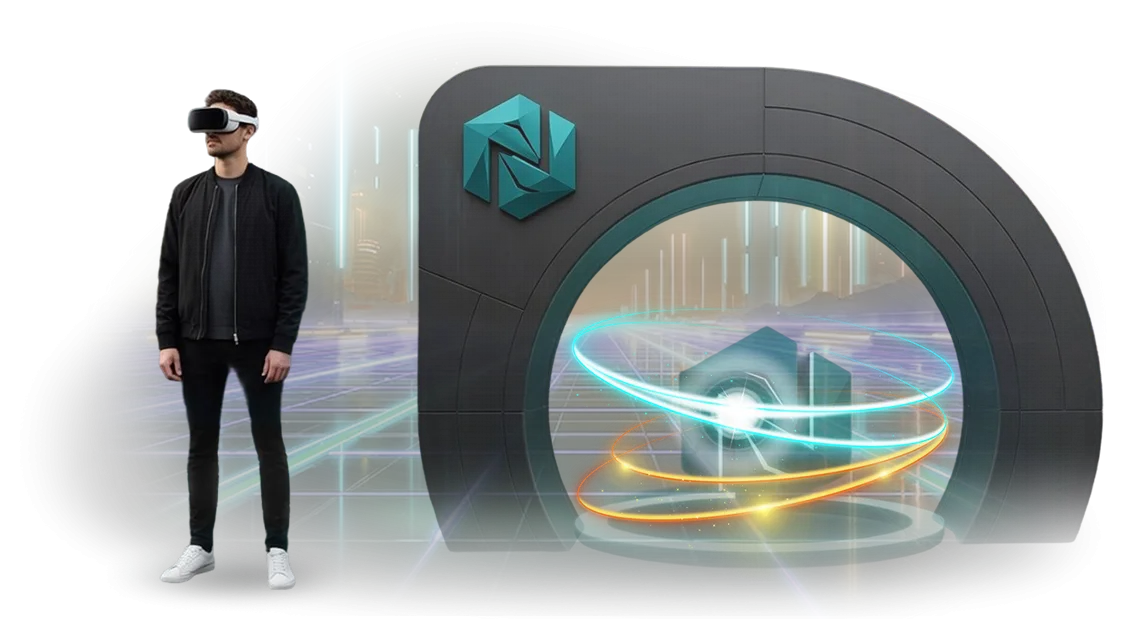
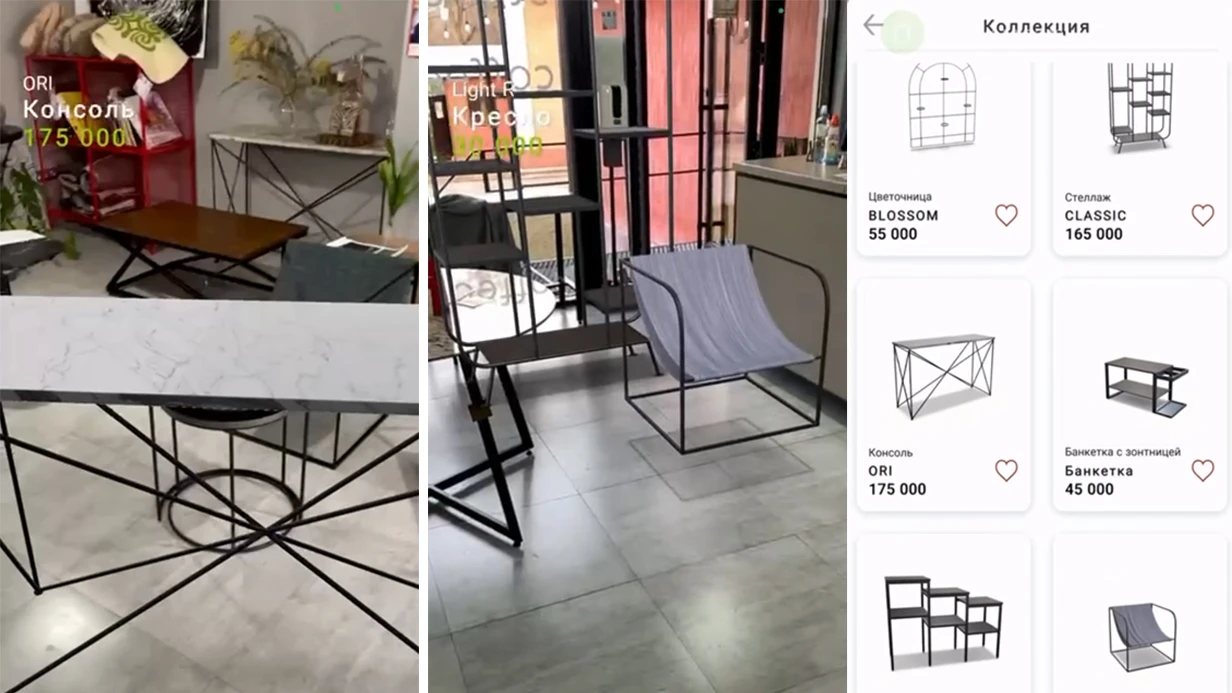
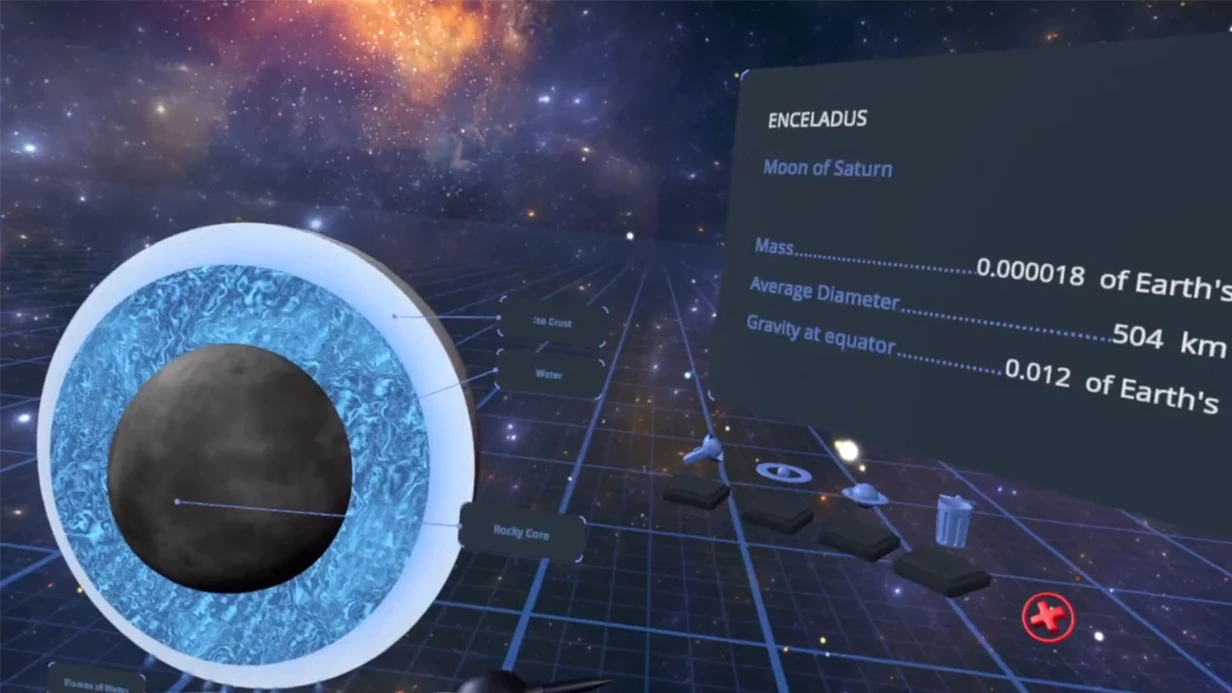
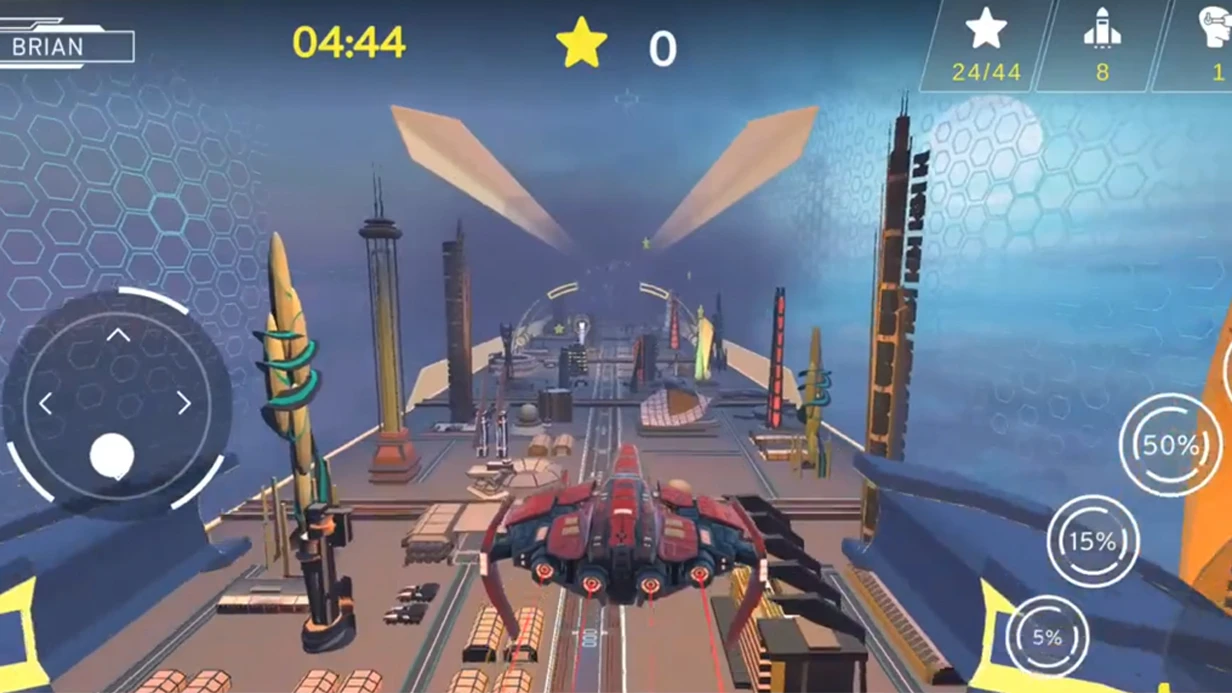
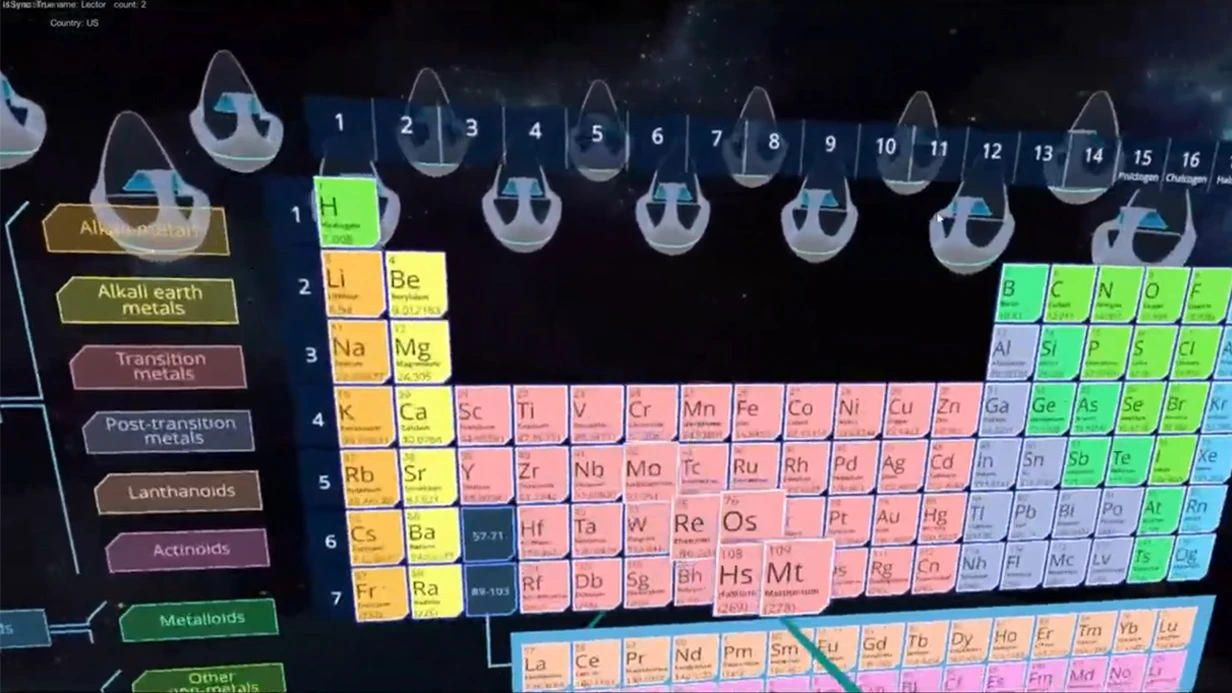
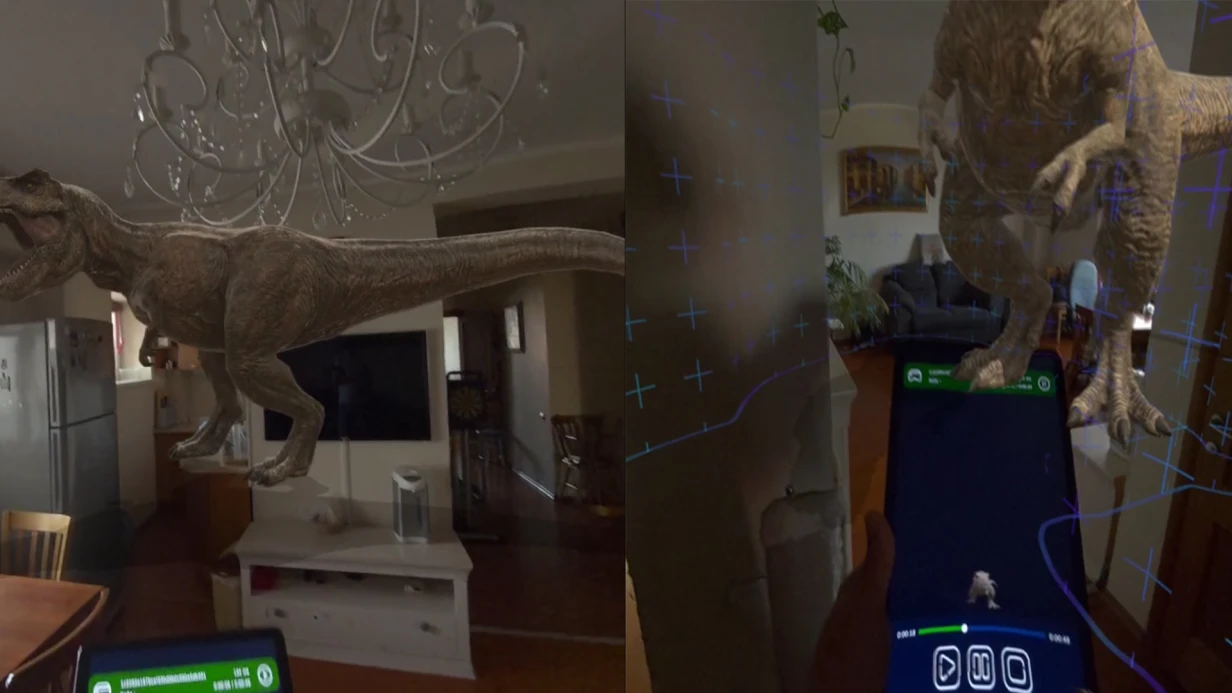
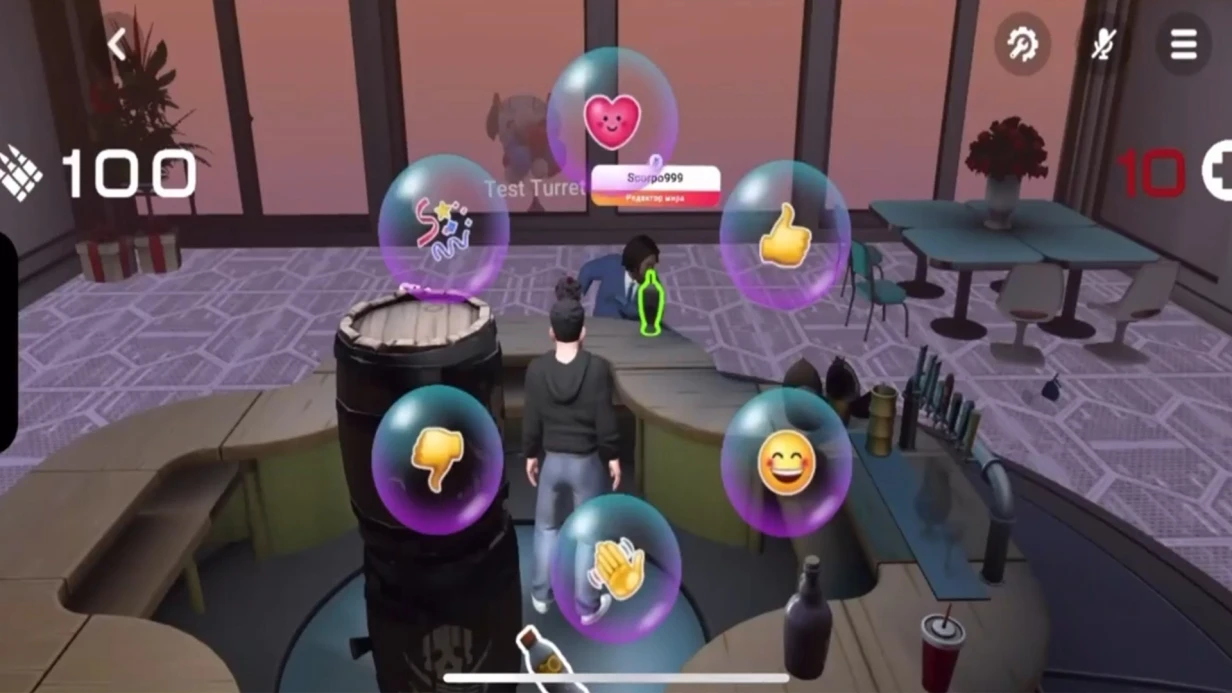
Interactive experiences for a brand can take many forms: gaming zones, VR attractions, AR filters, "live" stands. They are placed in the lobby, near the stage, in the lounge area — anywhere guests are free.
The key is to choose mechanics for the task: introduce the product, collect contacts, hold attention, or create a reason for photos.
We design such activities turnkey: analyze the venue, choose a scenario, handle production and launch. You get not just "something pretty," but measurable reach, genuine guest emotions, and growing brand interest after the event.
What You Get from Interactive Activities
Interactive activities drive business metrics — they don't just entertain guests. When a person controls the scenario themselves — tries on the product, explores a virtual space, creates content — they experience an emotion that connects them to the brand.
Such an experience is remembered better than any presentation: the visitor leaves not with a brochure, but with an impression and a desire to return.
The first benefit is growing brand interest. Instead of passive viewing, the guest engages for several minutes: interacts, is amazed, tells others. This increases time at the booth and the likelihood that they'll remember you when choosing a product after the event.
The second is social media reach. Interactive zones are designed so guests want to film and share. Photos and videos from the booth spread through feeds with brand mentions — reach grows without an advertising budget. Every guest becomes a promotion channel that brings in new people.
The third is lead generation. During the interaction, you naturally collect contacts from interested visitors: they leave their data to get a result or continue the conversation.
This isn't a cold list gathered at the entrance, but a warm list of people who have already shown interest and are ready for dialogue.
Interactive activities reinforce each other: they attract attention, create social media content, and collect quality leads. We take on scenario development and implementation — from idea to launch — so you get a measurable result at your event.
Interactive Engagement Formats for Event Objectives
When the task is to amaze guests or draw visitors into a brand story, it's easy to get lost in the variety of formats. Some installations work well at a noisy exhibition, others in a museum display, still others at a new product presentation.
To choose the right option, you just need to understand what impression you want to leave and how long the guest will interact with the activity.
We've put the most frequently ordered VR and AR installation formats for events, museums, and brands into a table. This is a reference for the first conversation: review the options, mark the ones that fit, and we'll discuss the details.
| Format | For whom | What it gives the client |
|---|---|---|
| VR quests and journeys | Events, exhibitions, corporate events | Full immersion for 5-10 minutes, a line of guests, striking photos and videos for social media |
| AR masks and filters | Brands, advertising campaigns | Viral reach: guests try on the product and share the result on social media |
| Interactive VR exhibitions | Museums, galleries, showrooms | In-depth exploration of exhibits, engagement of a young audience, a fresh look at the permanent collection |
| AR navigation and augmented reality on site | Museums, parks, festivals | A simple, clear route; independent exploration of the area without a guide |
| VR product presentation | Showrooms, booths, dealership centers | Visual demonstration of the product in action, higher purchase conversion through the "presence effect" |
Formats are easy to combine: for example, a VR journey at the pavilion entrance creates a line and buzz, while an AR mask after the entertainment zone carries the brand into the guest's social media. One installation thus works for both impression and reach.
We'll advise which format will deliver maximum value for your scenario, budget, and venue. Describe the task — we'll get back to you with a concrete proposal and cost estimate within two business days.
How Work on an Interactive Installation Is Organized
We structure work on interactive installations as a clear process: you're aware of every stage and can influence the outcome. No "black box" — you see how an idea turns into a finished guest zone and can adjust details at any time.
- Brief and immersion in the task. We discuss goals, audience, venue, and budget. We pin down what matters to you: reach, time at the installation, social media photos, or contact collection.
- Concept and scenario. We propose the installation idea and interaction logic: what the guest sees, what actions they take, how it serves your brand. You approve the scenario before development begins.
- Design and prototype. We create the visual style, screens, and a sketch of the zone. You'll know in advance how the installation will look and can make changes without rework.
- Development and assembly. Our engineers build the solution, configure the equipment, and check compatibility with the venue. The result is a test version you can try out.
- Testing and refinement. We run the scenario with real people and remove bottlenecks: queues, freezes, unclear prompts. By launch, the installation runs without failures.
- Launch and support. We deliver, install, and configure everything on site before the event. On the event day, our specialists are on call and quickly resolve any issues. Afterward, we help with disassembly and removal.
What's Included in Delivery: the Client Package
You're ordering not an abstract development, but a ready-made solution for your event, museum, or brand. We assemble a package for your task and check it before launch — you get a working tool, not a set of promises. It includes everything needed for stable installation performance.
- A well-thought-out interactive scenario: how guests will engage, what they'll see, what actions they'll take, and how it serves your goal — entertainment, education, or brand awareness.
- Professional VR/AR equipment, configured and tested by our engineers. It's ready to work — you don't need to buy anything extra or sort out technical details.
- A content package: visual scenes, 3D objects, audio track, and interactive mechanics. Everything is done in a unified style — for your brand, event theme, or exhibition.
- Clear instructions for staff: startup, shutdown, standard actions in unusual situations. Your employees will quickly learn to work with the installation without special training.
- Hands-on training for your team: we conduct a short briefing and answer questions. You get confident operators, not dependence on our specialists.
- Technical support throughout the operation period: we consult, resolve issues remotely, and come to the site if needed. The installation works — you stay calm.
- The ability to update content for new events: the package includes flexibility to adapt the scenario and graphics for the next project without a full new development cycle.
As a result, you get a predictable outcome: the installation works, guests are engaged, staff is confident. You don't need to hire separate contractors for scenario, content, and maintenance — everything is covered by one package, and we stay in touch.
Case Study: How an Interactive Installation Doubled Attendance
The client was a city history museum with a classic exhibition. The main pain point was familiar to every cultural institution: guests walked through the halls in 20-30 minutes, didn't linger, and rarely returned.
We proposed adding a VR installation that immerses visitors in the era: you can stroll along a historic street, see how the city changed, and examine details hidden from view in a regular display case.
We launched the installation in one of the halls and analyzed the results after a month. Attendance doubled compared to the previous month, and the average time spent grew from 40 minutes to an hour and a half.
Some visitors came specifically for the new format and brought friends — the museum gained free reach through word of mouth.
What Clients Say
"We expected interest, but not such a flow. On weekends there's a line at the installation, people wait 15-20 minutes and stay the whole day.
After a month it became clear: without this zone, the museum doesn't work as effectively, and attendance holds at a new level" — museum director.
Project Results
- Attendance doubled in the first month of operation.
- Average time spent increased from 40 minutes to 1.5 hours.
- Repeat visits and word of mouth provide traffic without advertising costs.
- The installation works as a standalone attraction and doesn't require constant staff presence.
- The museum received a ready-made tool for updating exhibitions and working with different audiences.
After the first launch, the museum ordered scenario updates for new exhibitions and a second VR zone from us.
We apply the same approach to brands and events: an interactive activity becomes a point of attraction that increases traffic and keeps guests longer — and therefore delivers measurable results within the first weeks.
How to Choose the Right Installation Format?
There's no single correct answer — there's the correct answer for your situation. Choosing a VR/AR installation format comes down to three questions: what task we're solving, who our audience is, and what budget is allocated.
The task determines the genre: AR zones with striking transformations work for capturing attention at an event and creating a vivid news hook, while virtual tours work for conveying complex information or demonstrating a product. If maximum engagement matters, choose an interactive VR scenario with active actions.
The audience sets the entry threshold: children quickly master new interfaces, while older generations are better served by intuitive solutions without headsets, such as AR projections onto screens.
Also, assess the flows: a single headset handles dozens of people per hour, while a large-format installation handles hundreds.
Budget affects scale, but not the "wow effect." With limited funds, you can create an intimate VR zone with one headset that becomes an exclusive highlight of the event.
With a larger budget, we deploy a full-fledged AR maze or multimedia hall — the main point of attraction. Any format pays off through guest attention and their desire to share impressions.
We don't sell a one-size-fits-all format — we analyze your task, audience, and budget, then recommend the installation that delivers the maximum result. The engineers will select professional equipment and proven tools so you get reliable performance at the crucial moment. Tell us about the event — we'll offer options with reach and cost projections.
Frequently Asked Questions About Interactive Installation Development
We've gathered answers to the questions most often asked before launching interactive installations. In short: we provide the equipment, timelines start from two weeks, and we're contractually responsible for stable operation.
Do I need to buy the equipment myself?
No. We bring all the hardware — projectors, sensors, screens, servers. You don't invest in purchasing and don't worry about storage after the event. We assemble the installation on site and take the equipment back after the event.
What if the equipment breaks down during the event?
We run full testing before launch. A duty engineer stays for the event and fixes issues on the spot. We cover replacement costs — your budget isn't at risk.
How quickly can you prepare the installation?
A standard project takes 2-4 weeks from the brief. There's also an expedited format: for example, for the Gorod festival, we deployed an interactive zone in two days. Exact timelines are fixed in the contract.
What guarantees and support are provided?
We guarantee the installation works for the entire event. If a failure can't be fixed on site — we'll refund the rental cost. A dedicated engineer is on duty at the venue: they arrive with the equipment and stay until the event ends.
Order an Interactive Installation for Your Event
Leaving a request is not a commitment, but an opportunity to understand in half an hour how much the project costs and how to integrate it into your event. We'll call you ourselves, ask a few questions about goals and audience, and send a cost estimate the very next day.
What you'll get after contacting us:
- A free consultation with a producer — we'll discuss which installation fits your task, location, and budget.
- A preliminary cost estimate — we'll give you a price range before the detailed brief, so you understand your planning horizon.
- A project brief — we'll record all requirements: scenario, number of guests, technical constraints of the venue.
- A detailed work plan with timelines — you'll see what stage the project is at and when installation begins.
- Transparent budget reporting — no hidden payments; all expenses are approved before work starts.
- On-site support — our specialists arrive, set everything up, and stay until the end of the event so everything runs without failures.
Then the creative part begins: we create the scenario, write out the guest interaction, assemble the installation, and test it on real users. Thanks to this approach, you get not "raw" technology, but a ready-made solution that enhances the event experience.
We record all agreements in the contract: timelines, cost, responsibilities, and support format. You don't waste time searching for contractors and don't risk missed deadlines — we take on all coordination.
Leave a request — and tomorrow you'll have a launch plan for your interactive zone in hand. ---