

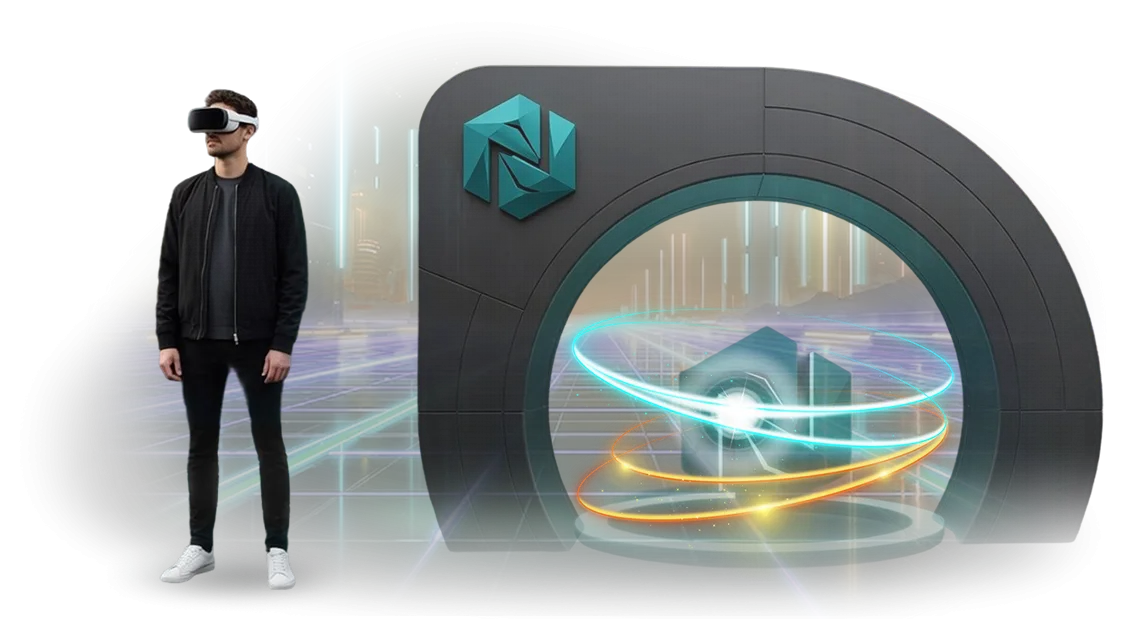
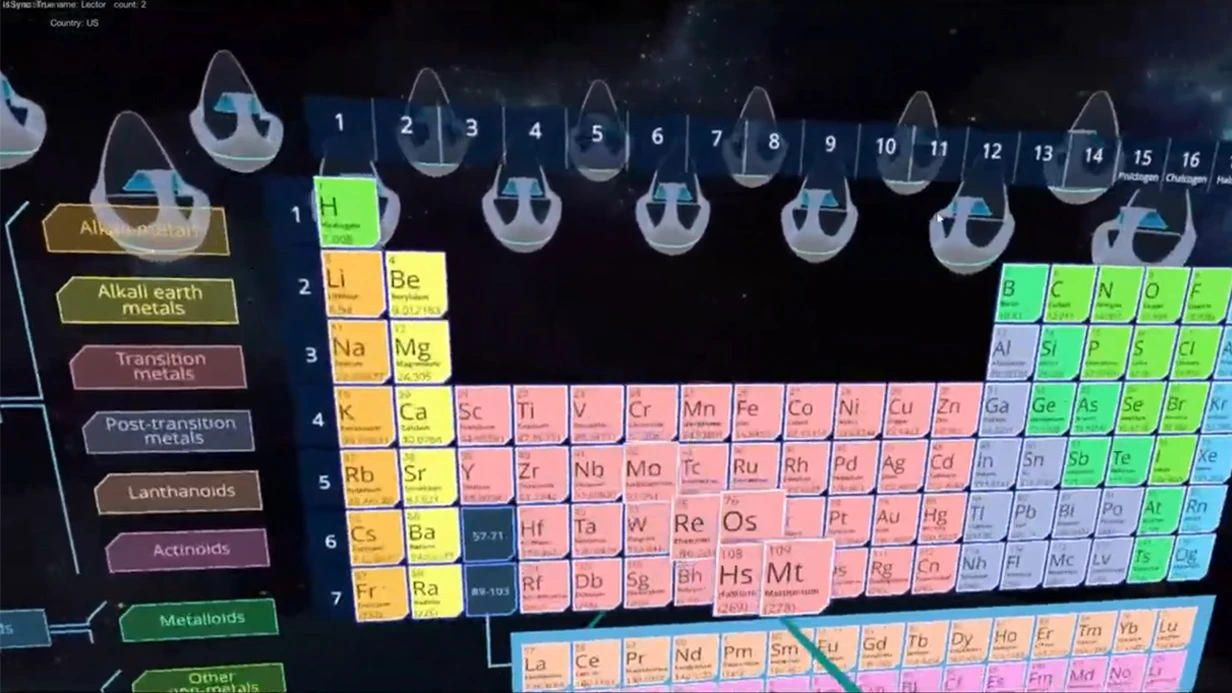
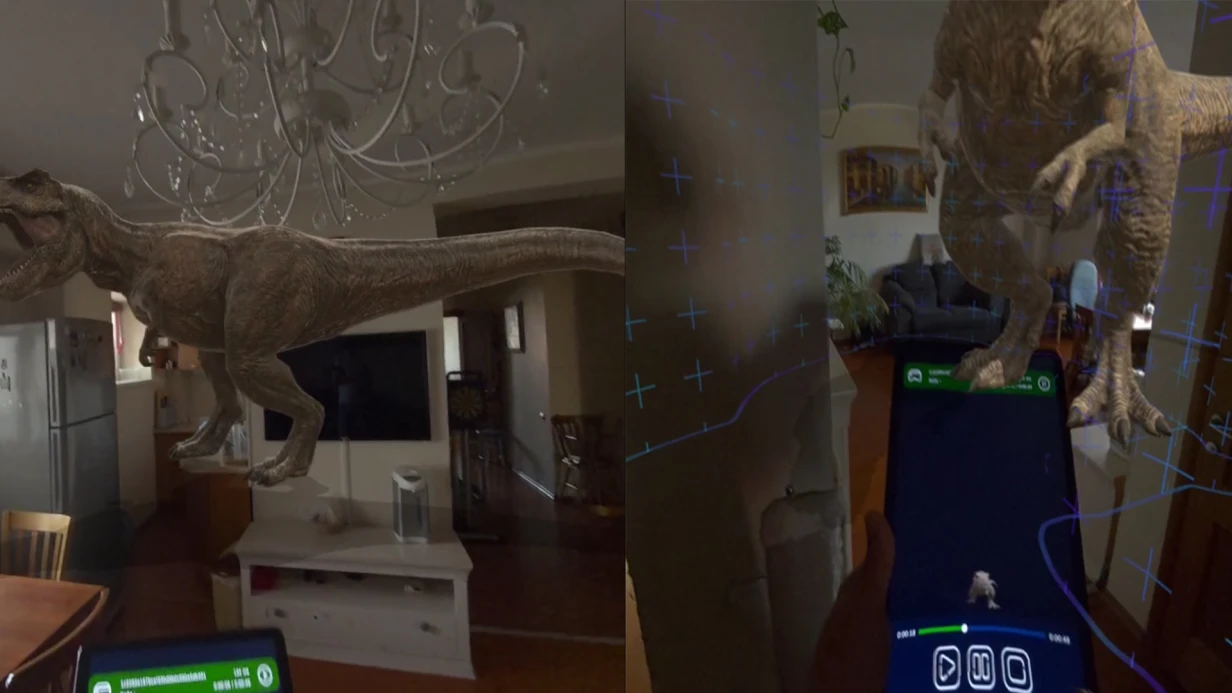
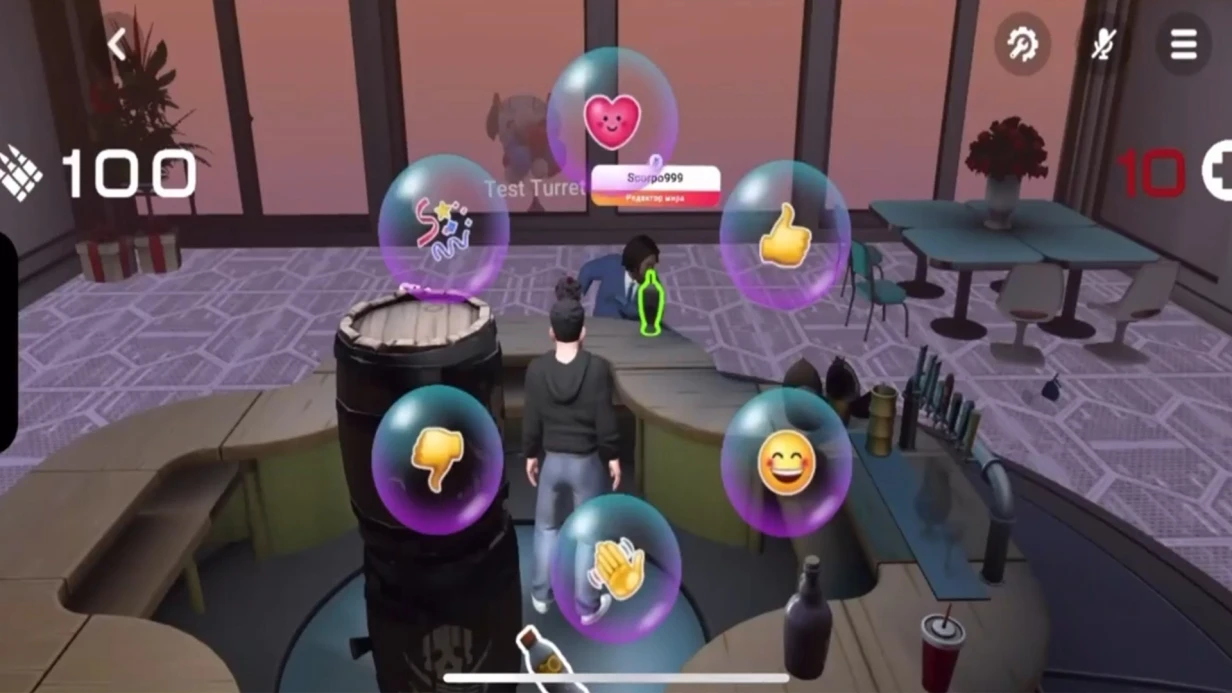
Why your event won't be remembered without interactive event activities
Guests come to an event for emotions, but the standard program — a welcome buffet, stage speeches, a couple of photo zones — holds attention for only the first half hour.
Then come phones, short conversations, and a quiet exit: the event ends, and all that remains in memory is a vague "yeah, we went." Competitors in the same niche offer similar formats, so standing out with just a catchy name or banner is nearly impossible.
In this noisy environment, interactive event activities work differently: they turn a guest from a passive observer into an active participant. A person doesn't just look at a stand or screen but takes action — chooses, influences the outcome, competes with others.
Engagement is exactly what triggers emotional memory: what is personally experienced is remembered far more strongly than what is merely watched from the sidelines.
When a guest tells colleagues about the event afterward or posts photos on social media, the brand keeps working without any ad spend. That's the reach organizers usually get by accident — and here it's predictable, at every touchpoint.
Interactive activities turn a one-time visit into a long trail of mentions, which increases the return on the event investment.
We design such formats around the goals of a specific event: a museum gains new visitors through an unusual experience, a corporate event gets a team that remembers company values, a brand gets live dialogues with its audience.
Our engineers have already delivered more than a hundred launches, from intimate exhibitions to city festivals, so they know how to hit the expectations of both the audience and the budget.
Without an interactive component, an event remains just a gathering. With it, it becomes a story people want to retell and repeat. Below we show what elements make up such a story and how to build it into your format without unnecessary risks.
How interactive formats increase reach and sales
An interactive format turns a visitor from a viewer into a participant. Engagement grows many times over: the person controls the scenario themselves, so they remember the brand and the emotion rather than just walking by.
This drives brand awareness and, as a result, revenue — guests are more willing to share their experience and come back.
The key effect is collecting contacts without the feeling of "they're fishing for my data." In game mechanics, lead generation happens naturally: a participant leaves a contact to get a result, a promo code, or a photo.
Our team sets up a simple interface so guests complete the scenario in 2–3 minutes and submit a request without friction.
Each such interactive works for reach. Guests film the process on their phones and post stories — the brand gets free mentions.
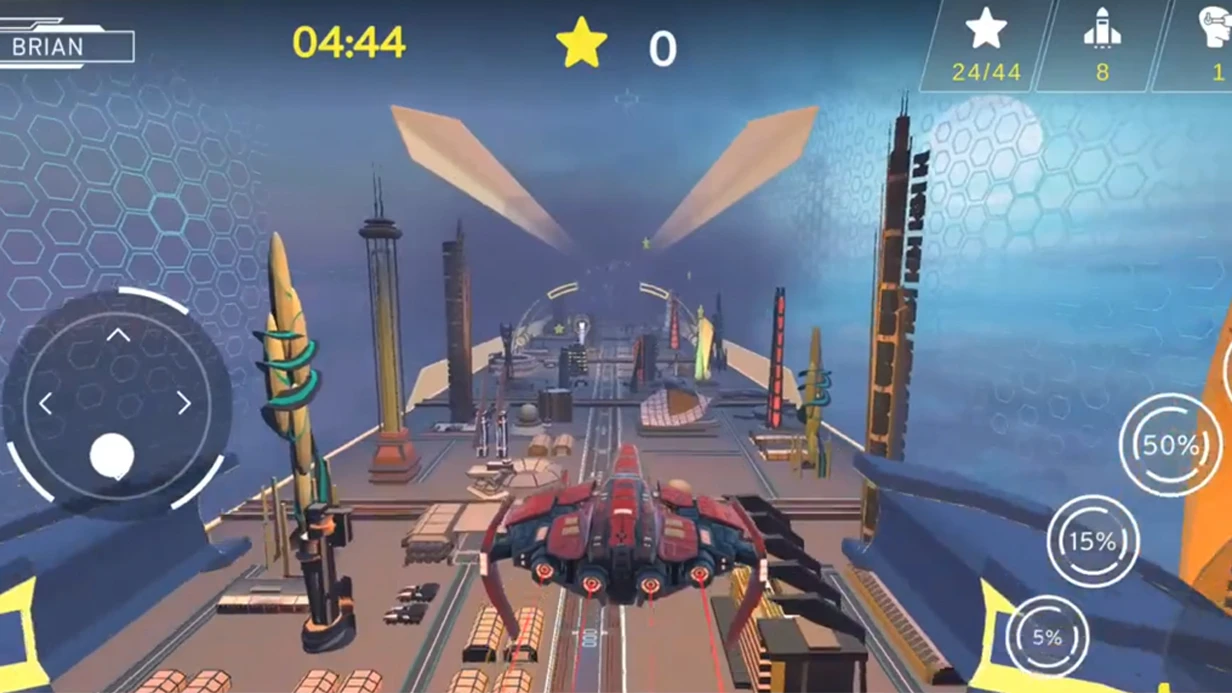
We built an activity for Dodo Pizza: in two days, more than 8,000 guests completed it, and participants' posts gathered reach comparable to paid advertising. This is an example of how a well-designed mechanic amplifies a marketing budget.
We work with professional equipment and our own scenarios, so the result is stable in any venue conditions — from a noisy exhibition to a museum hall. The team's experience allows us to launch an activity turnkey in 2–4 weeks, with technical support on the day of the event. You get a measurable result: guest engagement, lead flow, and growing brand awareness.
VR and AR installation formats for events
The format should serve the event's goal, not just be trendy. Some need to hold attention at a booth, others need to collect contacts, and some want guests to remember the brand for another week.
We match the installation type to the venue, audience, and budget — from compact mobile solutions to full virtual reality zones.
| Format | For whom | What it gives the client |
|---|---|---|
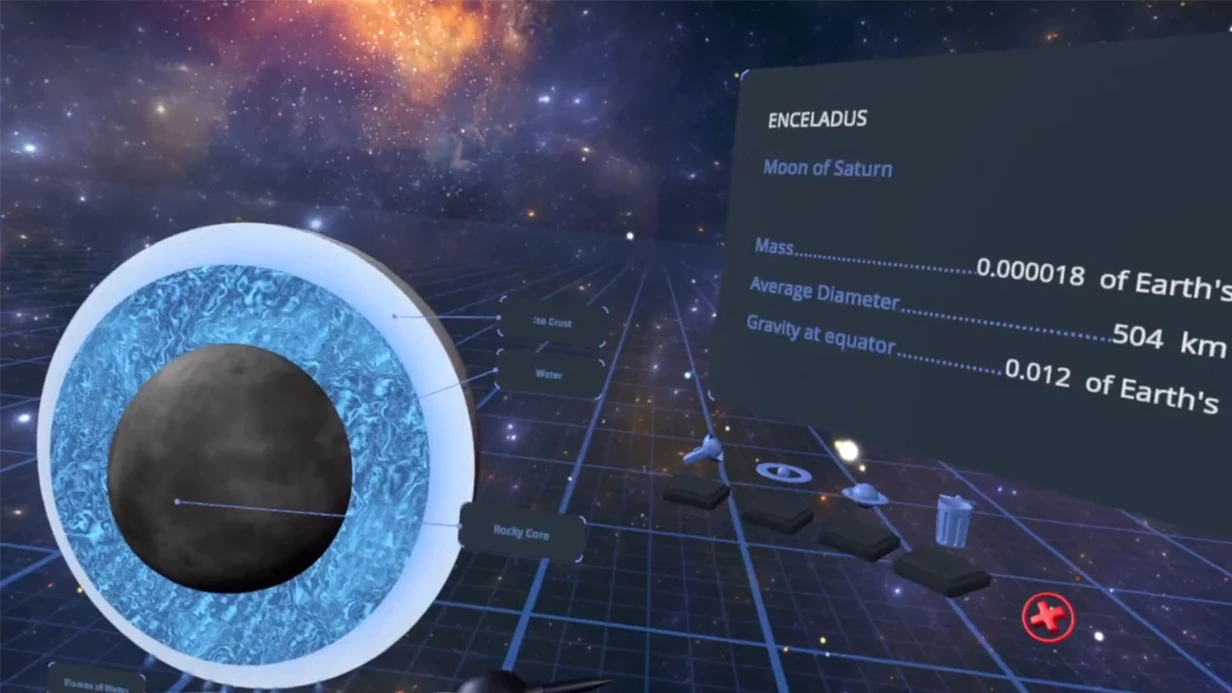
| VR installation | Exhibitions, conferences, awards | Immersion in the brand for 5–7 minutes, a queue and buzz, vivid photos and videos for social media |
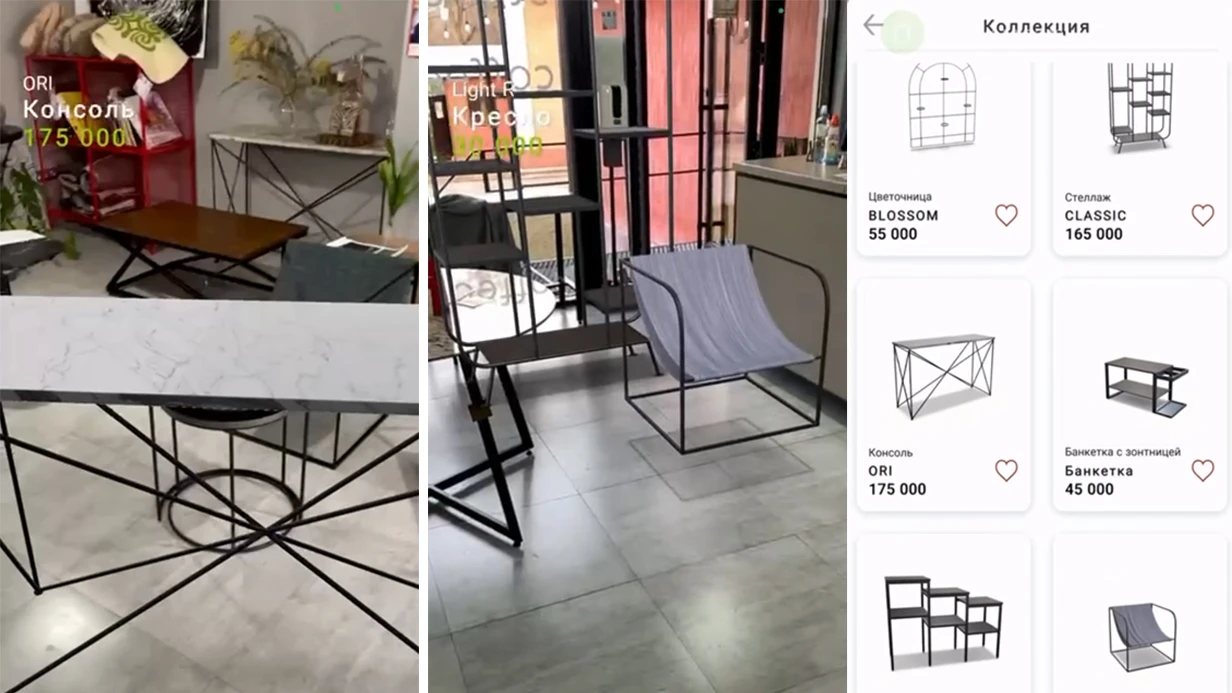
| AR installation | Presentations, showrooms, shopping malls | Brings a product to life without complex equipment, guests interact via smartphone, viral effect |
| Interactive projection | Museums, exhibition booths, corporate events | Engages groups of guests, doesn't require headsets, works even with high visitor flow |
| Photo zone with effects | Weddings, PR campaigns, open-air | Brand recognition, guests share photos, post-event reach |
The table is a first reference point — in practice we always adapt the scenario to a specific brand and location. For example, at an exhibition the VR zone can use a quest scenario, while in a museum it can tell a story about the exhibits.
The key is that a guest gets a clear experience in 2–3 minutes: played, seen, surprised, and wanted to tell others.
After the brief, we prepare a prototype using your content and show how the installation will look at the real venue. This way you know in advance what the guest will experience and you don't risk the budget.
Every format can be made more complex and combined — adding competition, prizes, social media integration.
How an installation is created: from brief to launch
A transparent process is what lets you sleep easy right up to the event. We break the work into clear stages and lock in deadlines and areas of responsibility: you always see where the project stands and what happens next.
Each stage ends with a concrete result for approval — this rules out sudden revisions and hidden costs.
- Brief and immersion — we discuss your goal, audience, venue, and budget. We help articulate what the installation should deliver: attract visitors, engage them with the brand, or collect contacts.
- Concept and estimate — we propose 2–3 format and scenario ideas, show sketches, and confirm the exact cost, timeline, and scope of work. You choose an option and refine it before production starts.
- Design and prototype — we create a visual mockup and, if needed, a demonstration sample. You see in advance how the installation will look and work.
- Production and assembly — our designers and engineers implement the project. You receive regular photo and video reports, and at key moments — an invitation to a control inspection.
- On-site testing — we arrive a day or two before the event, check everything in real conditions, and adjust lighting, sound, and the interaction scenario.
- Launch and support — on the event day, our specialist is nearby: monitoring the installation and resolving any issues promptly. After the event, we hand over a report and, if needed, help adapt the project for other venues.
In the end, you get not just a ready-made "stand with a screen" but a managed process: brief, approval, production, launch. At every stage you receive exactly what you need to make a decision and you always know who is responsible for what.
What's included in an installation project
The full package is not a set of hardware but a working turnkey activity. You get everything needed for the event: from equipment and content to an engineer on site. No coordinating multiple contractors — we are responsible for the result as a whole.
The project includes:
- Equipment — interactive screens, projections, sensors, and sound tailored to your venue's needs. We select hardware so it runs reliably for the entire event period.
- Original content — graphics, animation, scenario, and interface created around the brand and the activity's goal. No template solutions — guests remember your specific experience.
- Assembly and setup — we arrive early, put the structure together, test every scenario, and fix any issues before the first guests arrive.
- Staff training — we give your employees a short briefing: powering on, restarting, typical guest questions. We also provide a clear checklist for emergency situations.
- On-site support — our engineer stays nearby for the entire activity. They monitor the system and resolve problems without your involvement.
- Dismantling and removal — after the event, we carefully take everything apart, pack it, and remove it. The venue is cleared immediately; you don't have to arrange anything.
The main value of this approach is predictability. You know the budget, timeline, and area of responsibility in advance; on the day of the event, all that's left is to welcome guests and get the expected result.
Case study: how a VR installation paid for itself in 3 months
For the Living History museum, we developed a VR journey back to a merchant fair. Standard stands hold a guest for 30–40 seconds; our installation — 7 minutes on average. In the first month, more than 4,200 people completed it — a third of the museum's entire seasonal audience.
What matters to the client is not the "wow" but a measurable result. After each session, one in six guests left a contact for a themed tour, a lead conversion of 18%.
Three months later, additional revenue from ticket sales, tours, and souvenirs reached a figure confirmed after audit and fully covered the investment in development and equipment.
The project's ROI was 340%, and that excludes repeat visits and word of mouth. We integrated the installation into the existing visitor route, trained the administrators, and launched a promotion for tour operators.
Guests share their impressions on social media on their own, so reach kept growing even after the promotion ended.
The real secret is that we design not a ride but a part of the customer journey. The scenario requires the guest to act and choose, so by the end of the session they are already ready to talk with a tour guide.
This generates leads without aggressive selling and raises the average check. Six months later, the museum ordered a second scenario, and a neighboring venue ordered an adaptation of the solution for its own collection.
Want a similar case? Tell us about your task — we'll prepare a payback calculation and offer a format that fits your budget and timeline.
How to choose the right format for your task
There is no single "best" format: the right option is always defined by three coordinates — the event's goal, audience, and budget. Understanding these parameters removes 90% of doubt before you even get to technical details.
Start with the goal. Do you want to collect more contacts at the booth, hold visitors at the exhibit, clearly demonstrate a complex product, or create a reason for social media photos?
Each scenario dictates its own format: bright AR masks work best for reach and virality, VR journeys for deep immersion, interactive tablet zones for quick consultations. Once the goal is formulated, the choice narrows to 2–3 real alternatives.
The next step is the audience. A calm family crowd at a museum and business guests at a conference perceive technology differently: some are comfortable putting on a headset and "leaving" for another world; others want quick, barrier-free contact.
It's also important to consider time at the installation: five free minutes allow one format, half an hour — a completely different one. We choose a solution that naturally fits the guest's route rather than forcing them to change plans.
Budget determines scale, not value. Sometimes a single QR activity with augmented reality generates more contacts than an expensive VR zone placed in the wrong spot.
Experience shows that results matter more than cost: a well-planned activity pays for itself through repeat participation, photos, and social media mentions. We help allocate the budget so every invested amount works toward your goal.
That's why at the start we always discuss objectives, the guest profile, and budget guidelines — and only then propose a specific format. You get not a "catalog package" but a solution that addresses your event's goal.
If you're unsure, just describe your situation to us, and we'll advise which option is closest to your goal.
Answering common questions about VR and AR installations
Like any unfamiliar equipment, VR and AR installations raise questions: what if the tech fails in the middle of the event, guests don't understand how to interact with the zone, or the project turns out more complex than it seemed at the approval stage.
These are normal doubts — especially when the brand's reputation and the mood of hundreds of guests are at stake. We hear them at every brief, so we've prepared honest answers to the main fears — from breakdowns to budget.
Below we break down how working with interactive zones actually works in practice: who is responsible for the equipment, what happens after launch, and why "expensive" doesn't always mean "complicated." Spoiler: 90% of questions are resolved at the concept stage.
What if the equipment breaks during the event?
Breakdowns are organizers' biggest fear, so we structure the process so the equipment works like clockwork. Before every event, the installation goes through a full testing cycle, and during the event our engineer is on site, monitoring everything in real time.
If force majeure does happen, we have backup sets of key equipment. This means a faulty component is replaced within minutes and the activity keeps running without a noticeable glitch — guests never even learn about the problem.
What if guests can't figure out how to use the installation?
We design the interaction scenario so it's intuitive for a person of any age — from a child to a retiree. Prompts appear on the screen, and the logic itself is built on natural gestures: look, take, touch.
For more complex activities, a helper is on hand to assist guests at the start. On average, it takes a person 20–30 seconds to get oriented, and then they dive into the experience and enjoy it on their own.
How hard is it to adapt the installation to my scenario and venue?
Every project is not a "boxed solution" but a construction kit assembled around your task. We adapt the story, visual style, scenario, and even the physical size of the zone to the specific venue and audience.
All we need from you is a description of the idea and a look at the space. From there, we handle the technical side: whether the lighting is sufficient, what internet is needed, where to place the equipment. You don't need to understand technology — you just approve the finished solution.
Can the activity be scaled to different numbers of guests?
Yes, that's one of the strengths of our solutions. The same installation works easily both for an intimate event of 30 people and for a city festival with a flow of several thousand guests a day.
We calculate throughput at the design stage and choose equipment with headroom. For large events, we add several synchronized points — this keeps guests engaged even at the heaviest traffic.
What's included in the final price and why is it set that way?
A transparent estimate is part of our job. The final cost includes scenario development, equipment rental or creation, delivery, assembly, technical support during the event, and dismantling. You pay once and get a fully finished turnkey activity.
The price is formed by scenario complexity, event duration, and the required equipment.
But unlike standard solutions, you're not paying for the hardware — you're paying for the emotion and impression that stays with guests and keeps working for your brand long after the event ends.
We hope we've cleared up the main doubts. If you still have questions about your specific project — write to us, and we'll prepare a preliminary solution with a cost estimate within one business day.Let's discuss your project? Get an estimate within 48 hours
Getting an estimate within 48 hours is easier than it seems. Just leave a request — the next business day we'll contact you, clarify the goals, and send an estimate with implementation options.
No abstract promises: the estimate will show exactly what you're paying for and what result you'll get.
We are our team with ten years of experience creating interactive activities for events, museums, and brands. Over that time, we've delivered hundreds of projects — from small exhibitions to city festivals. So a consultation and estimate are not a template reply but expert work on your specific task.
What you get by contacting us now:
- A personal consultation: we'll examine the format, audience, and goals — before any money is spent on development.
- A preliminary estimate within 48 hours — with a budget range and launch timeline.
- A clear technical brief before the start: you understand which scenario will be used and how it will work.
- A date reserved in the production calendar: no need to chase competitors in the high season.
- A fixed cost after approval: no surprise surcharges at the handover stage.
- A warranty on equipment and support on the event day: the installation will perform exactly when you need it.
The average time from request to launch is 3–6 weeks, depending on complexity. If your event is less than a month away, we'll discuss an accelerated format. The key is to start with a consultation: it will make clear which solutions will deliver maximum reach and brand recall.
Leave a request now — within two days you'll have a plan and an estimate in hand. It's free and non-binding: you can compare, ask for advice, and make a decision without rush.