

Customers Are Leaving for Competitors: How location based ar js Solves the Problem
Visitors leave for competitors not because their exhibits or program are worse, but because the experience is the same everywhere. An ordinary stand or hall is remembered for a couple of minutes, while a place where you can interact is remembered for weeks.
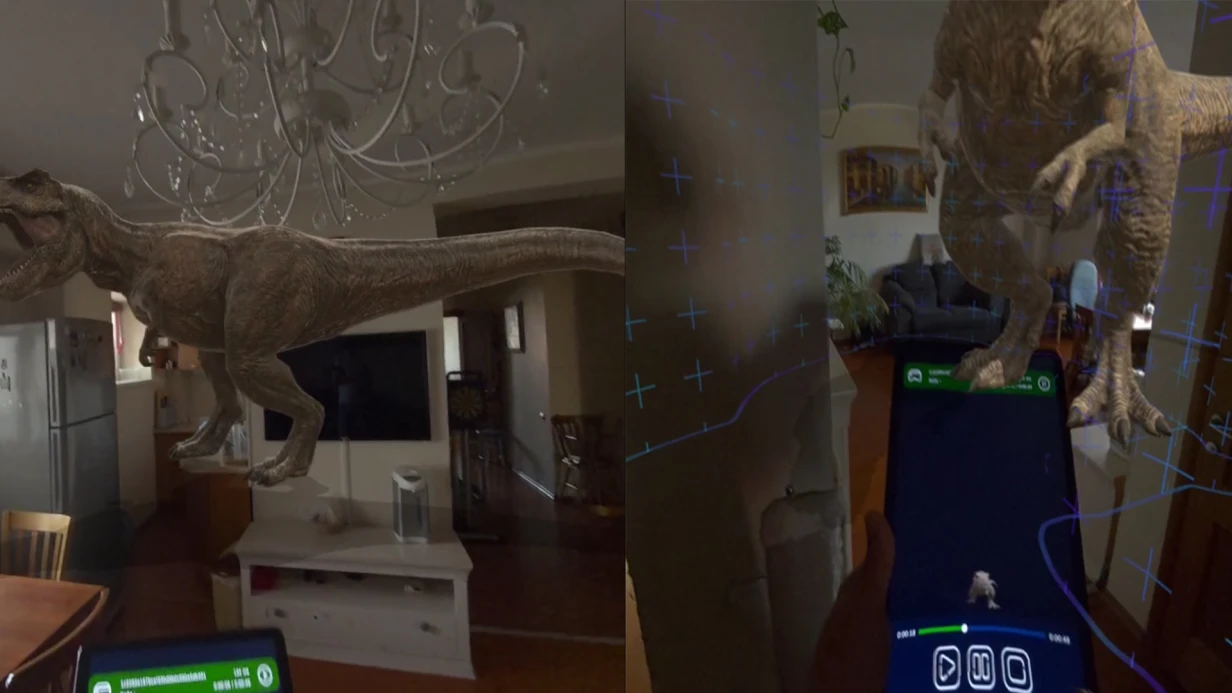
location based ar js technology lets you create interactive content tied to a specific point in space: the guest points their camera and sees the exhibit come to life, with hints, characters, or game mechanics appearing. This turns a visit into an event people talk about.
For an event or museum, this means growth in repeat visits and audience retention. When a person senses that a new discovery awaits, they return on their own and bring friends.
For a brand, location based ar js is a way to stand out from competitors and collect more contacts: each participant spends many times longer in the zone than at an ordinary stand.
We help close this need without a lengthy implementation. Our engineers select a solution for the task: from a mobile quest across the territory to an AR guide in museum halls.
Guests use their own smartphones, and you don't need to purchase expensive equipment or change the exposition.
As a result, you get interactive content that works for customer retention: more time at the venue, more emotions, more reasons to return. And this is visible in the metrics — growth in repeat visits and positive reviews.
While competitors offer a static picture, you deliver an experience that is remembered for a long time.
What Business Results Do Interactive Installations Deliver
Interactive installations have stopped being an event "decoration" — today they are a tool that delivers measurable results.
Attendance growth, a flow of inquiries, and brand recognition are achieved not by chance, but through a carefully designed guest engagement scenario.
The main effect is increased attendance (physical and virtual). When an installation rewards completing a scenario or turns a brand into a quest, guests bring friends and the space fills with lively activity.
The average time a guest spends on site rises, which directly converts into sales, participation in activities, and positive reviews. We design it so the visitor becomes a content creator and "brings" traffic themselves.
The second result is leads. Interactive content lets you collect contacts gently, without aggressive surveys: the guest leaves data in exchange for a result — an AR mask, a personal certificate, or access to a closed mechanic.
This mechanic delivers up to 30-40% contacts from all participants, while being perceived as a gift, not data collection. These leads are already warmed up — they interacted with the brand, not just left a business card "just in case."
The third result is recognition. A quality installation becomes an event people talk about on social media and in the press. Guests come for the experience and stay with the brand in their feed and in their thoughts.
Reach grows organically; repeat visits and the association "this brand does cool things" are cemented without extra advertising budgets. The brand is remembered through action, not through a slogan.
Our team designs installations around a specific business goal: for a high-traffic visitor, for a VIP audience, or for a viral effect. We take on the concept, implementation, and technical support — from idea to launch.
We guarantee the installation works reliably and requires no deep tech support: the client gets a result at the start, not a "raw" technical demo.
Interactive Installation Formats for Your Tasks
The format of an interactive solution determines how guests will interact with the brand or exposition. We develop geolocation AR scenarios (location-based AR) and other formats for a specific task: increase reach, hold attention, or engage the audience in a game.
We start from the business goal, not from technological limitations. Through augmented reality, visitors become participants in the scenario, not just spectators.
The table below shows typical formats that deliver measurable results at events, museums, and promo zones. We choose based on the scenario: for a short contact — promo, for deep immersion — a quest, for a viral effect — a photo zone. We adapt the solution to your venue and audience.
| Format | For whom | What it gives the client |
|---|---|---|
| Geolocation quest | Festivals, parks, tourist routes | Increases dwell time, boosts repeat visits |
| Interactive exhibition | Museums, galleries | Attracts a new audience, holds attention |
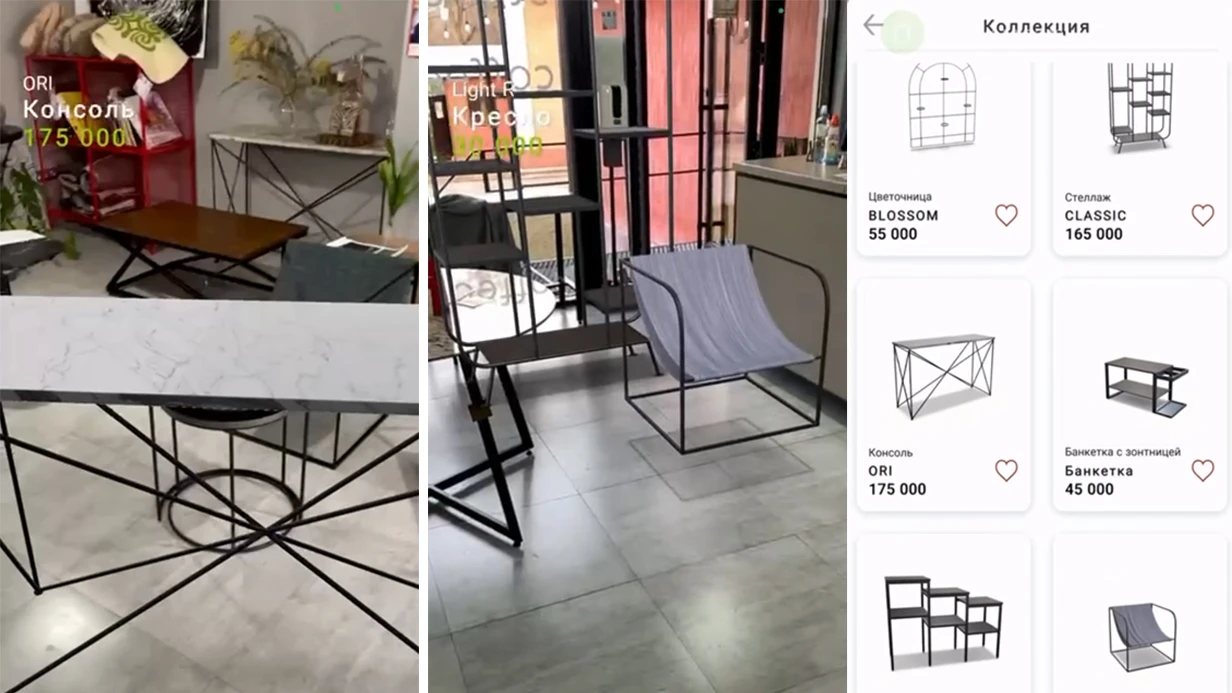
| AR promo | Brands, retail, showrooms | Showcases the product, increases purchase conversion |
| Augmented reality photo zone | Corporate events, weddings, presentations | Creates viral content, expands reach |
| Virtual navigation | Shopping malls, stadiums, conferences | Helps find objects quickly, reduces staff workload |
Guests use their own smartphones — no need to buy expensive equipment or think about logistics. The interactive zone can be deployed quickly and, if needed, scaled across several locations.
How Geolocation AR Is Created: Project Stages
Geolocation AR (location based ar js) turns an event or museum territory into an interactive map: the guest points their camera at a location and sees digital characters, hints, or historical facts.
This format holds attention, increases dwell time, and collects data about which zones interest visitors.
Development proceeds through clear stages — you always see what's ready and what's left. We agree on each step and don't start the next until you've confirmed the previous one.
- Brief and goal. We discuss why AR is needed: navigation, entertainment, education. We define the points where objects appear.
- Scenario approval. We describe in plain language what the guest will see, what actions they will take, and how it fits into the overall route.
- Visual prototype. We show the map, character style, and the logic of their appearance. You make edits before development begins.
- Installation build. We set up a web solution that opens quickly from a phone and works across different device models.
- On-site test. We go to the venue, check location anchoring, lighting, and viewing angles. We fix nuances in advance.
- Launch and integration. We connect the installation to the event, train your team, add QR codes and signage for guests.
- Support and analytics. After launch, you receive a report on attendance and engagement. We stay in touch and update content per your requests.
What Is Included in the Installation Delivery
We deliver each project as a turnkey solution — you don't need to hunt for subcontractors or dig into technical details. The delivery includes the full cycle: from idea to staff training, and below is the exact scope.
- Scenario. We design the logic and storyline of the installation for your audience and venue, so visitors engage from the first seconds.
- Graphic content. We create 3D objects, animation, and interfaces. All visuals are delivered in source files.
- Equipment. We select and supply reliable components — from wearable devices to the server side. You don't need to buy anything extra.
- Installation and setup. Engineers travel to the venue, install everything, run configuration, and perform a test launch.
- Training. We conduct a briefing for your staff: how to operate the system, change content, and resolve common issues.
- Instructions and regulations. We hand over documentation: checklists, operating rules, and failure response procedures.
- Technical support. We stay in touch during the event and quickly resolve any unusual situations.
As a result, you receive not a set of components, but a full-fledged working attraction. You can earn from it and scale it for new events.
Case Study: How We Increased Attendance by 40%
A Story for a Museum: +40% Attendance in a Season
For a regional museum, we developed a geolocation quest through the city's historical center. Visitors used their phones to find hidden AR objects, listen to audio stories, and collect virtual exhibits.
The result for one season — a 40% increase in attendance, the average walk time doubled, and the share of repeat visits grew nearly threefold.
Every third guest posted a photo with the museum's geo-tag on social media after the quest — this delivered additional reach without advertising costs.
What We Did and How
- Developed a scenario adapted to the city's locations and the audience's age.
- Built a route of 12 points with AR hints and historical facts.
- Ensured it works on any modern smartphone — with no app installation or additional equipment required.
- Set up analytics: the museum could see the number of participants, popular points, and completion time in real time.
City History Museum extended the quest for the next season and ordered a similar installation for its branch from us. We are now preparing an augmented reality version for their children's program.
Frequently Asked Questions About Installation Development
Every VR/AR installation project starts with questions: how long will it take, how much does it cost, what happens if something goes wrong. We answer the most common concerns briefly and to the point — so you understand how we work before trusting us with your project.
How long does it take to develop a geolocation AR installation?
Usually 3-6 weeks: we put together the scenario, prepare content, and test the launch. If your event date is already set, we'll fit it through parallel team work, but it's better to leave some buffer for approvals.
What happens if the equipment fails?
We are responsible for the installation working on the event day: we arrive for setup, run all tests in advance, and stay in touch. For long-running exhibitions, we provide backup equipment and replace it promptly without halting the exposition.
Can the price change after the start?
We fix the estimate in the contract: development, equipment, installation, and support are included upfront. The cost does not grow because of our mistakes or delays — only if you decide to add new scenarios or venues yourself, and we'll agree on that separately.
Is the installation hard to manage?
We set up one launch button and automatic status monitoring. Your staff goes through a short training session — usually a couple of hours is enough, and the entire instruction fits on one page. You don't need a technical team.
Order Your Installation Development Today
Leave a request — we'll send you a cost estimate and timeline for your task in response. At the first consultation, we'll help you decide on the installation format so you get the maximum effect from your budget and meet your event date without a hitch.
What you get after ordering:
- An individual estimate for your budget, audience, and venue — with no hidden surcharges.
- Format selection for a specific goal: engage guests, train employees, present a new product.
- Turnkey development and implementation: from concept and design to final setup on the eve of launch.
- Engineer support on the event day — all equipment works without failures; you deal with guests, not settings.
- A clear report after the event: how many people used the installation and how long they interacted with it.
- Easy scaling: the solution can be adapted for other cities, exhibitions, or future campaigns.
Leave a request today — tomorrow you'll receive a ready proposal with a clear budget and timeline. We'll take care of everything else: we'll come up with it, build it, deliver it, launch it, and ensure uninterrupted operation.
How to Choose an Installation Format for Your Task
Choosing an installation format is not a matter of taste, but a decision with clear inputs. There is no universal "best" option: what works for an exhibition with a flow of thousands won't suit an intimate event with 30 guests.
That's why we start not with a catalog, but with your tasks — this lets us select a format that achieves the goal on the first try.
The specifics of a format determine which task you're solving. For example, an AR zone with augmented reality is ideal for events where reach and quick engagement matter: guests use their own smartphones and share the result on social media.
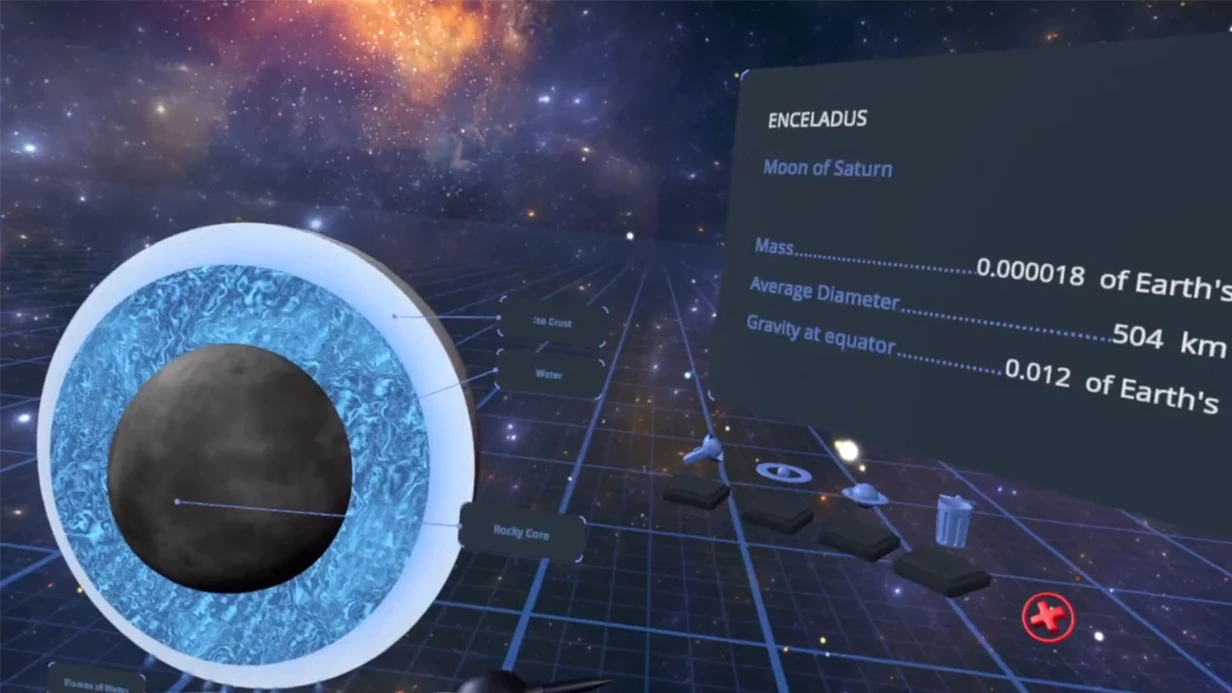
A VR space, on the contrary, creates deep immersion — it's the choice for museums and image presentations where the visitor has time to live through the story.
The key criteria are the goal, event duration, number of guests, and floor area. A mobile installation lives for one day but easily reconfigures for different tasks, while a stationary one is built for months of operation.
So you don't overpay for unnecessary complexity, we clarify every parameter down to the details: who the visitor is, what should stay with them after the experience, and how to measure success.
Our role is to resolve your doubts. Many think an interactive installation is long and expensive, but with the right scenario it pays off through guest attention and additional activity.
We take on format selection, production, and launch — you get a ready turnkey solution without the risk of mistakes.
If you're unsure which format suits your task, just describe the situation — we'll offer two or three options with an estimate for your budget. It's free and non-binding, but it helps you make the right decision.