

Why Static Exhibits Fall Short: Location-Based AR App Restores Engagement
Static exhibits today are losing the battle for visitor attention: a person walks through the hall in 10–15 minutes, takes a couple of photos, and leaves. An interactive exhibition is a different matter: it holds the visitor, pulls them into the game, and makes them stay longer.
A location-based AR app turns an ordinary space into a living scenario where every guest has a personal story and a goal.
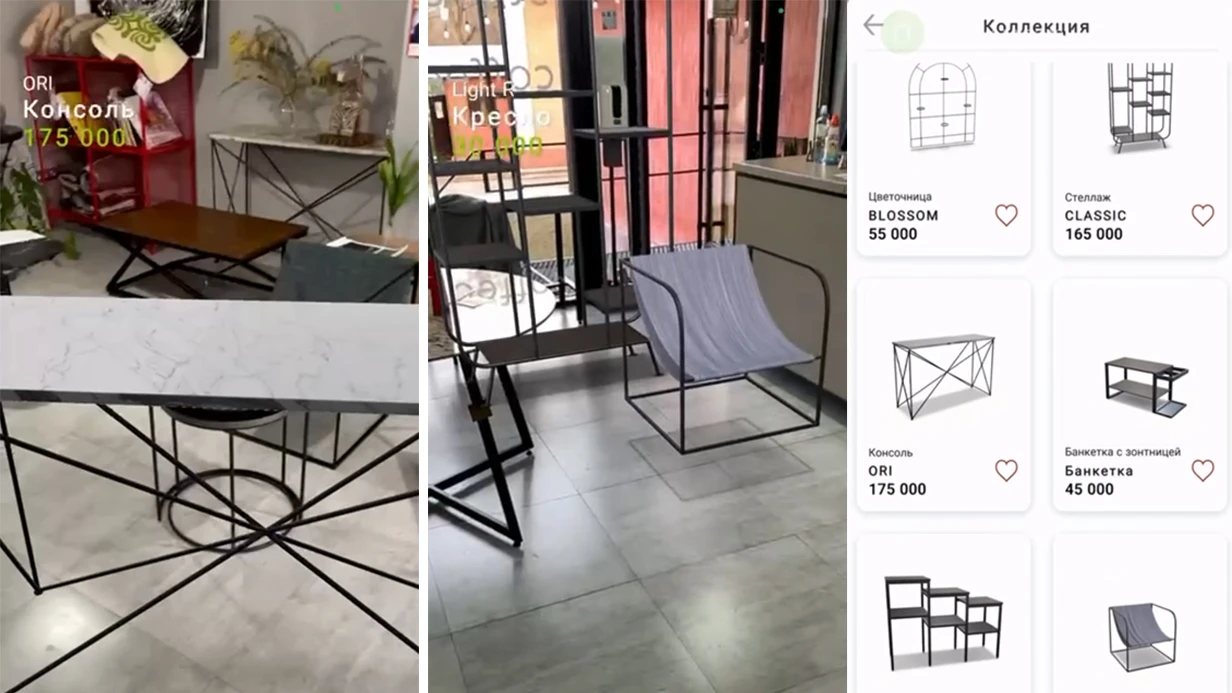
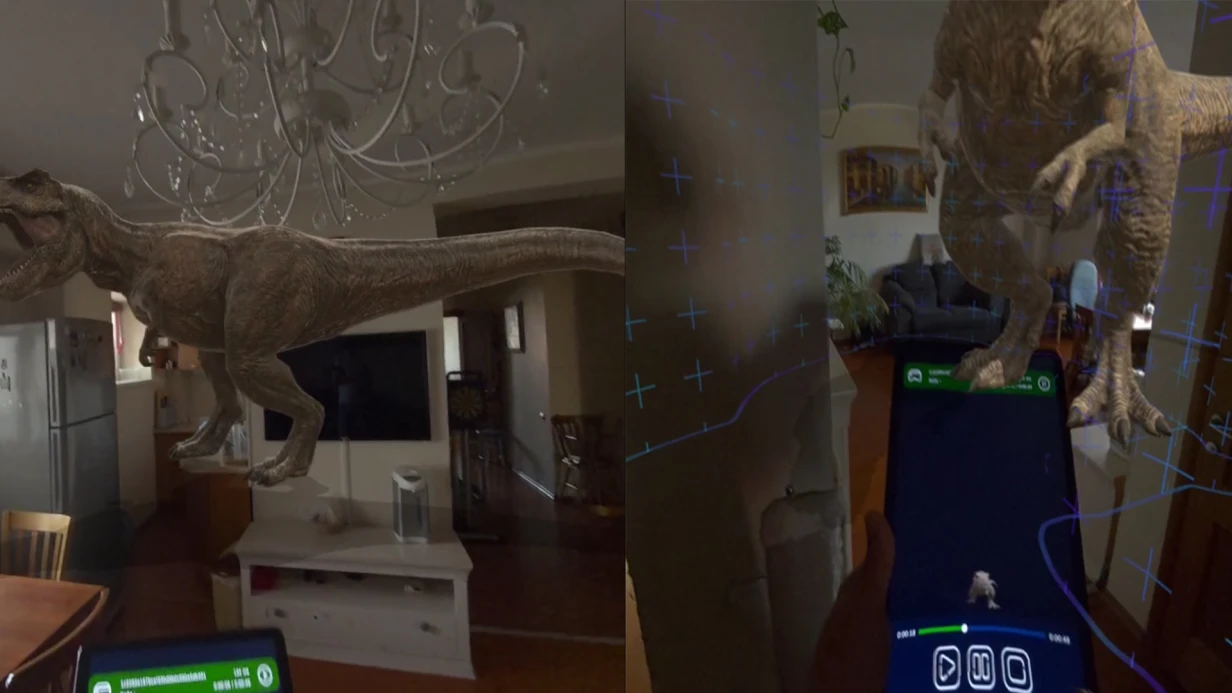
AR for events and museums works as an additional layer on top of the physical space: the visitor points a smartphone camera at an object and sees an animation, a hint, or the next step of a quest.
This format requires no expensive equipment: the guest uses their own phone, so visitor engagement begins with the first touch. The key thing is that the guest doesn't just watch — they participate: they search, collect, and discover something new.
For the venue owner, this is a measurable result: visit duration grows, repeat visits become the norm, and photos and videos from the AR zone spread through social media on their own.
An interactive geolocation-based exhibition gives the brand reach that no standalone advertising campaign can buy.
We design routes, game mechanics, and visual style around the goals of your space — from a short activation at an event to a permanent museum exhibition.
We take on the concept, development, and launch, and after launch we analyze how guests interact with points of interest and improve the scenario. As a result, you get not just technology but sustained engagement growth and a memorable experience for every visitor.
What an AR Installation Delivers to Business: Reach, Emotion, Repeat Visits
An AR installation solves the main task of any event or exhibition — holding the visitor's attention and turning them into an active participant.
When a guest interacts with an object, time spent at the stand grows many times over, and that is an opportunity to tell the product story without tedious presentations: the guest engages on their own, remembers the emotion, and associates it with the brand.
The business benefits of AR are measurable right after the first launch. The first is brand awareness: an unusual scenario prompts guests to film videos and share them on social media, and every post keeps generating reach long after the event ends.
The second is repeat visits: if the installation leaves an impression and offers different scenarios, the guest comes back on their own and brings friends.
The return on investment for the installation deserves special mention. We design the solution to serve several goals at once: attracting attention, collecting contacts, and interactive product demonstration.
It's not a one-time toy but a tool with measurable results — from the number of interactions to higher conversion into orders. That's why clients return with new projects: the effect shows quickly and is easy to explain to management.
In short, a geolocation-based AR installation increases time at the exhibition, turns visitors into brand ambassadors, and creates a reason to come back. For business, this means predictable growth in engagement and awareness that is easy to measure and scale to new venues.
If you want the event to keep working for you after it's over, an AR installation is the right investment.
VR and AR Installation Formats for Your Event's Goals
Every event solves its own problem: keeping guests longer, telling a brand story, engaging children, or building a queue at the stand. That's why we offer different VR and AR installation formats — from a mobile geolocation app (location-based AR) to a stationary promo zone. You get not an abstract "technology" but a tool for a specific scenario and budget.
To choose a format, it's important to understand where the event will take place, how many people will attend, and how long you plan to hold their attention. Museum AR, where a visitor follows a route at their own pace, exploring exhibits, is one thing.
An interactive zone at a corporate event, where guests gather in groups and immediately join the game, is another. Technology, implementation cost, and preparation timelines all depend on this.
Below is a comparison of the main formats so you can orient quickly:
| Format | For whom | What it delivers to the client |
|---|---|---|
| Geolocation-based AR quest | City festivals, parks, tourist routes | Gets participants moving, increases time spent on site by 2-3 times |
| VR installation (stationary zone) | Promo zones, exhibitions, conferences | Creates a sense of presence, is memorable, and sparks a desire to share the experience |
| Museum AR exhibition | Museums, galleries, cultural centers | Brings exhibits to life and tells stories without a guide, keeping the visitor at the object |
| AR promo zone (no equipment) | Shopping malls, lobbies, business events | Requires only a smartphone, so no queues and easier launch |
We adapt every format to your brand and event: we fill it with content, develop the visual style, and tune the scenario so it works toward the result — whether that's social media reach, collected contacts, or a higher average order value.
Our engineers test everything before launch, and at the venue you get a reliably working installation without failures.
Contact us to discuss your event — we'll propose a format that delivers measurable results and fits your budget.
How Development Works: From Brief to Installation Launch
We've structured the process so you can see the result at every step instead of getting a "black box." Below are the stages a project goes through: from the first brief to a working installation at your venue.
- Brief and immersion in the task. We discuss goals: what the installation should do — attract visitors, increase time at the exhibition, collect contacts. We define the audience, location, and budget.
- Concept and scenario. We propose 2-3 idea options for your task: how the guest interacts with the AR, what story or mechanic they use. You choose the option, we make adjustments.
- Mockup and logic approval. We show what the screen will look like and how the interaction works — in plain language, without technical complexity. You approve the look and the scenario.
- Build and testing. We assemble the installation and test it on site: where to place markers, how it works on different devices. You get a demo version to review.
- Launch and support. We install it at the venue, configure the equipment, and train the staff. On the day of the event we stay in touch to make sure everything runs without pauses.
The full cycle takes 2 to 6 weeks depending on complexity. At every stage you receive a clear deliverable: scenario, mockup, demo version, final launch — so you control the process and budget instead of waiting for the result at the end.
What's Included in the AR Installation Delivery: Package for the Client
When you order an AR installation, it's important to see the full scope of delivery upfront rather than just a "screen with a picture." We hand over a ready-made experience for your guests — with the concept, management, content, and on-site support.
What's included in the package
- An interactive scenario written for your specific venue and goals — from concept to timing.
- AR content: 3D objects, animations, graphics, and sound adapted to the brand's visual identity.
- Professional equipment and server infrastructure, assembled and configured on site before the event begins.
- A ready-to-use application for smartphones and tablets: guests launch it without installing extra programs or training.
- A test run of the scenario with your team — to align all details and fix inaccuracies before launch.
- Short instructions for staff and the presence of our engineers on the day of the event.
- A guarantee of stable operation for the entire system throughout the agreed display period.
This approach delivers predictability: you get an active zone that works from the very first hour, not a set of components you'd have to assemble and debug yourself. All you need to do is invite your guests and get the result — attention to the brand, photos, and repeat visits.
Case Study: How an AR Installation Increased Time at the Exhibition by 2.5 Times
For the TechExpo museum, we developed an AR installation that turned an ordinary exhibition into a living narrative. Previously, visitors spent no more than a minute at the displays — they just read the plaques and moved on.
This is the classic problem of many exhibitions: even interesting exhibits get lost when there's too much information around.
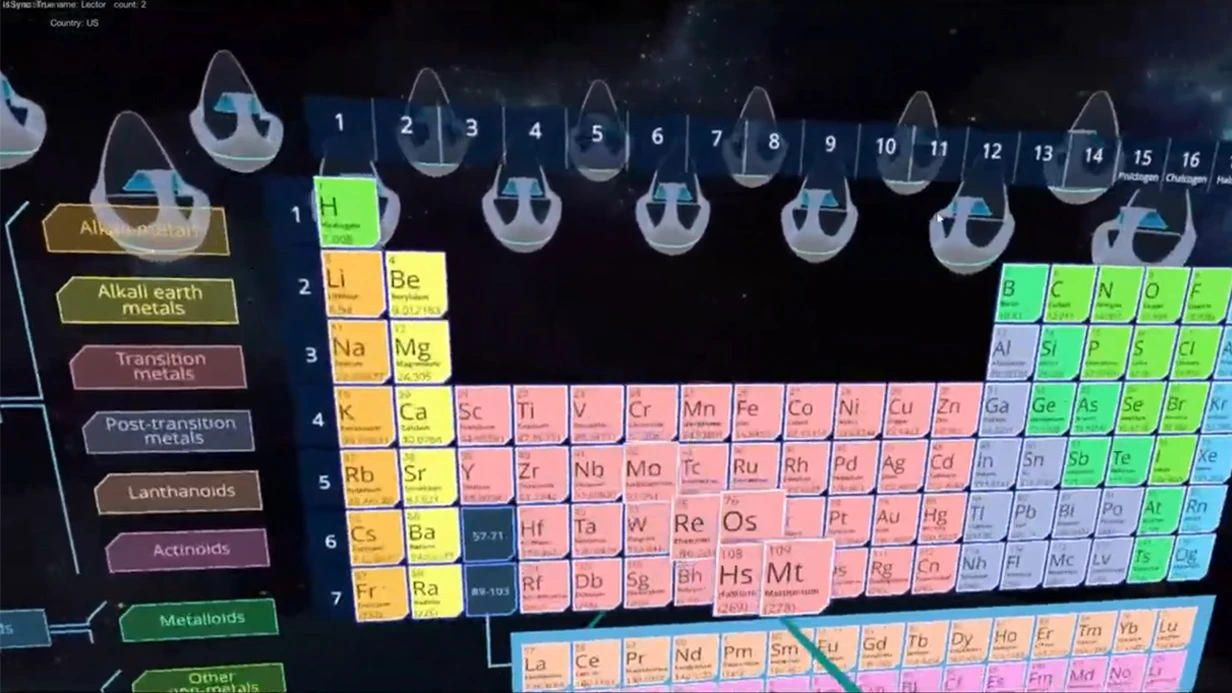
We proposed a solution based on a geolocation AR app: a visitor points their smartphone camera at an exhibit, and it "comes to life" — 3D models, historical facts, and interactive hints appear.
Importantly, everything works without special equipment, on the regular phones that every visitor already carries.
The project results exceeded expectations. Time at an exhibit grew 2.5 times — from forty seconds to ninety seconds. Guests began returning to exhibits they had already seen to replay the AR scene or show it to friends.
This isn't just entertainment; it's a tool that increases engagement and the depth of exhibition exploration.
What this delivered for the client
- Visitors stay longer at exhibits, which means they get to see and remember more.
- Repeat visits grew: people come back again to show the installation to their loved ones.
- The unique AR scenes created a media hook — the museum started being talked about on social media, and reach grew without additional ad spend.
This story shows how a well-constructed AR project solves a business problem: it holds attention, increases loyalty, and creates a word-of-mouth effect. This approach works beyond museums — we use installations to strengthen brand zones at exhibitions, festivals, and showrooms. Every project is a custom scenario that engages the visitor and helps you reach your goals.
How to Choose a Format: Installation or Geolocation App?
The choice between a stationary installation and a geolocation app depends not on trends but on the project's objective. An installation is for when visitors are already in your space: a museum, an exhibition, or an event opening.
A geolocation app is for when you need to engage people at a specific point in the city, guide them along a route, or connect several locations into a single brand story.
The first criterion is geography. If you have a single location with a flow of guests, a stationary scenario gives maximum immersion and attention retention.
If your audience is spread across a park, festival, or city, an app turns a walk into a game and leads people to the right places.
The second criterion is what should remain after the event. An installation delivers vivid photos and guest emotions; an app delivers reach and repeat visits, because the user returns to the scenario with their own phone.
Many clients combine both formats, and we help them choose the optimal mix for their budget and timelines.
| Format | For whom | What it delivers to the client |
|---|---|---|
| Stationary installation | Museums, exhibitions, venue openings, corporate events | Deep immersion, guest retention, photos and videos, striking effect |
| Geolocation app | City festivals, parks, tourist routes | Broad reach, smartphone-driven engagement, visit statistics |
| Combined scenario | Brand special projects with multiple locations | Both depth and reach: more audience touchpoints in a single launch |
At the start, we ask the right questions: where the visitor comes from, how much time they're willing to spend with the scenario, and which metric counts as success for you. The answers determine the format — not the other way around.
That's why the first step is a short audit of your task and a solution tailored to your situation — without pushing unnecessary technology.
Frequently Asked Questions About VR and AR Installations: What to Know Before Ordering
Clients of VR and AR installations most often worry about reliability, timelines, and adapting to the venue. We've been working on such projects for over 10 years and have collected the typical questions to address concerns before work begins. Here's what matters most.
What guarantees do you provide?
The work is secured by a contract: we fix the launch timeline, responsibility for equipment, and the procedure for emergency situations. During the event, we assign an engineer who monitors the installation's stability.
What if the equipment breaks during the event?
Our specialist is on site with a backup kit of key modules. Most issues are resolved within 15–20 minutes — the event doesn't stop. This system has been proven across dozens of projects, including forums with several thousand guests.
Do we need to prepare the venue?
All that's needed is space and access to electricity. Before launch, we conduct a venue audit: we factor in layout, lighting, and possible constraints.
Unusual spaces aren't a problem — for example, for the City of the Future exhibition we adapted the installation to a hall with columns and challenging light.
How long does preparation take?
From two weeks to two months, depending on complexity. At the start, we approve the plan and milestones, and you can see progress throughout. If the event date is already known, we adjust the schedule and deliver the project exactly on time.
Who will manage the installation?
Our engineer is present at the launch and stays for the entire event. They manage operations, handle technical issues, and take on all equipment-related risks.
Order AR Installation Development: Let's Start with a Brief Today
To get a cost and timeline estimate right away, capture the project's key parameters — here's a checklist for the brief. We built it based on dozens of AR projects, so it covers most questions before the first meeting.
- Installation goal: attract visitors, hold attention, collect contacts, or create a media hook.
- Venue and format: museum zone, mall activation, open-air event, or permanent exhibition.
- Audience: age, expected daily visitors, whether a group scenario is needed.
- Guest devices: AR and GPS support — this determines the format of the geolocation AR app.
- Sharing: whether photos, videos, and social media posts from the installation are needed.
- Timeline and budget: the launch date and cost range help us propose the optimal solution.
Send us your answers — we'll get back to you within a day with a cost estimate and realistic timelines. If there's not enough data yet, no problem: our engineers will help you define the requirements and point out what matters for your scenario.
The approach has been proven across dozens of projects — from intimate museum zones to installations reaching more than 5,000 guests over a weekend.
Want to order an AR installation? Submit a request — and get an estimate for your project, a work schedule, and a format proposal. Remember how Pokemon GO engaged millions of people through geolocation? We know how to bring that same effect to your business goals.