

Customers Are Going to Competitors: How to Stand Out at a B2B Trade Show?
At a B2B trade show, visitor attention is the scarcest resource. Over a few hours, they walk past dozens of booths and have only a couple of seconds to decide whether to stop.
If your exhibit doesn't register instantly, potential clients walk past — and go to competitors who managed to catch their eye with a striking presentation.
Trade show visitors are tired of identical banners, stands, and promoters with brochures. They are looking not for another conversation about the product, but for a live impression they can take away. That is why interactive booths draw crowds, while classic ones stand empty.
The result is familiar to anyone who has managed an event: the participation budget is spent, and the collected contacts turn out to be cold. Managers spend weeks on follow-up calls, but most leads never reach a deal.
Meanwhile, a neighboring booth with an interactive product attracts the target audience, gets discussed on social media, and brings in inquiries long after the show has closed.
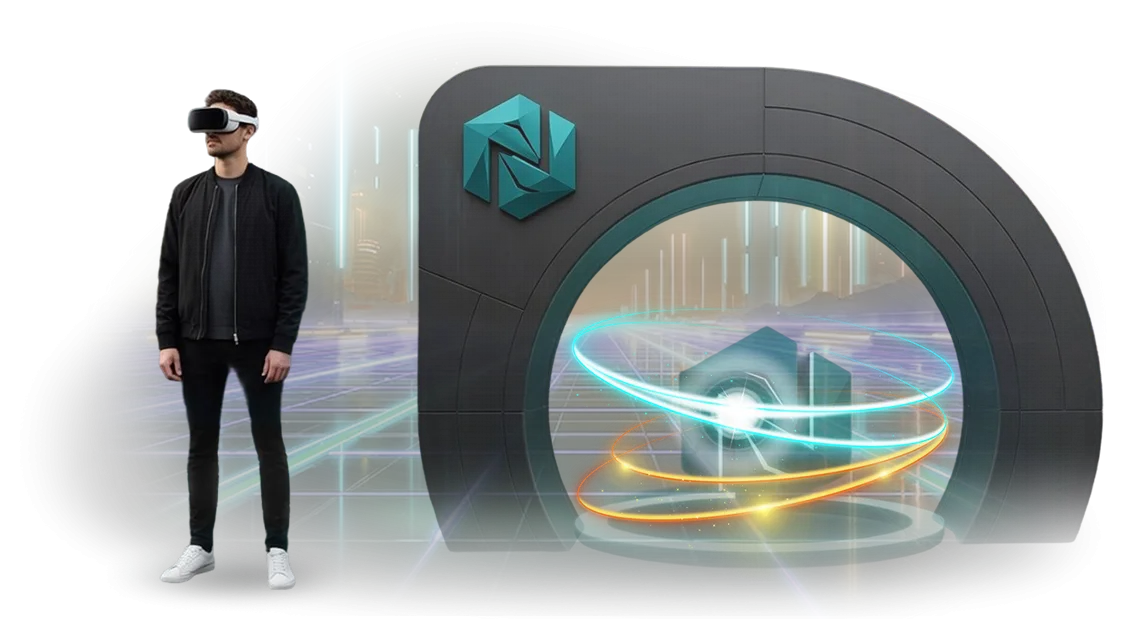
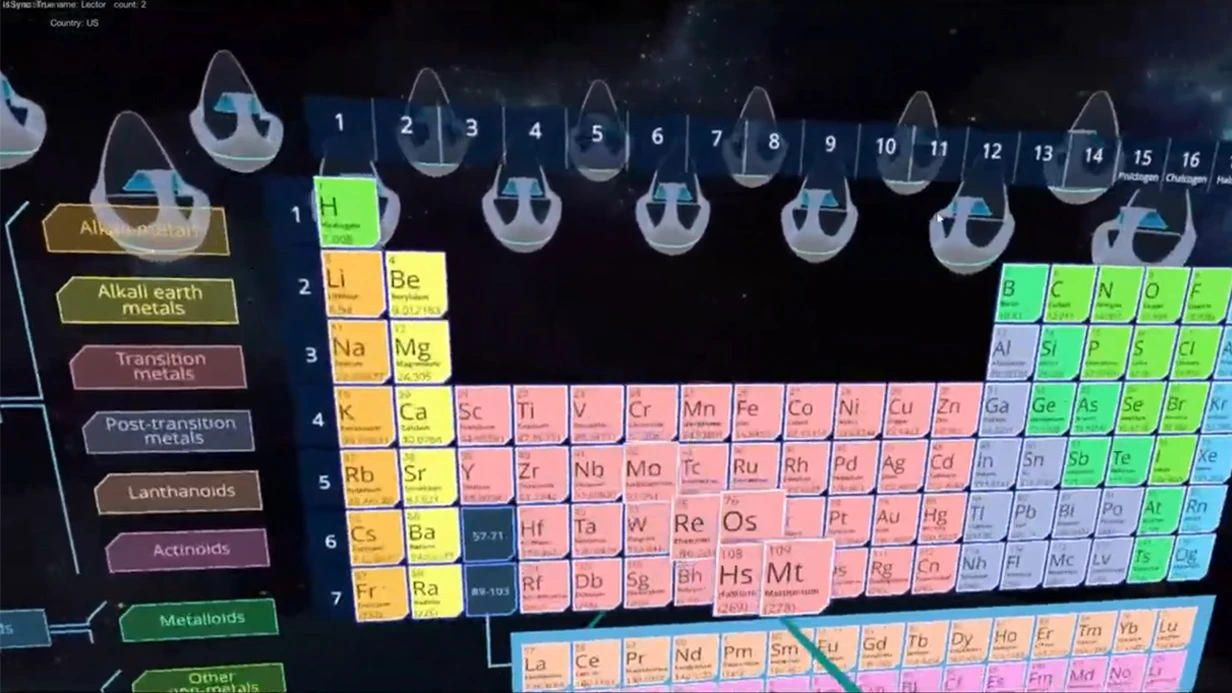
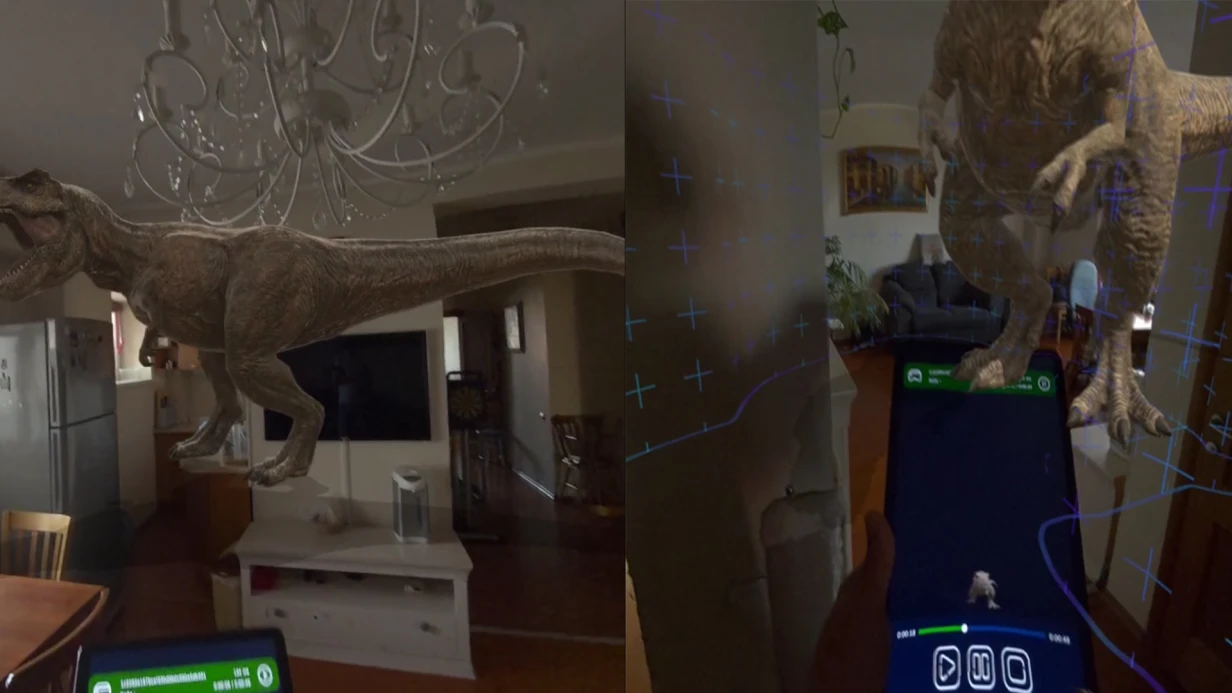
To stand out from competitors, you need an experience that sticks. VR and AR installations let a visitor dive into your product in a couple of minutes, see it in action, and feel its value.
Such a booth does not go unnoticed — it becomes a magnet and generates conversations about the brand on its own.
We help you close this gap: we design and launch VR/AR solutions for B2B trade shows that solve the challenge of attracting attention, keep visitors engaged, and turn event participation into a source of high-quality leads.
What a VR Booth Delivers: Five Benefits for Your Business
At a B2B trade show, every booth fights for the visitor's attention. In a few hours, a guest passes dozens of exhibits, and only those that evoke emotions are remembered. A VR booth is a tool that turns an ordinary product introduction into a vivid impression.
Virtual reality lets you show a product or service in action, involve the visitor in a scenario, and leave a mark on their memory.
The first benefit is increased interest in the booth. Passersby stop to see what is happening, and the line of people wanting to try VR itself attracts new guests. The booth becomes a point of attraction, and lively conversations form around it.
The second is brand recall. Impressions from virtual immersion are linked to your logo and product, so after the show attendees remember your company specifically. An unusual experience works better than any brochure: emotion anchors the brand in the mind for a long time.
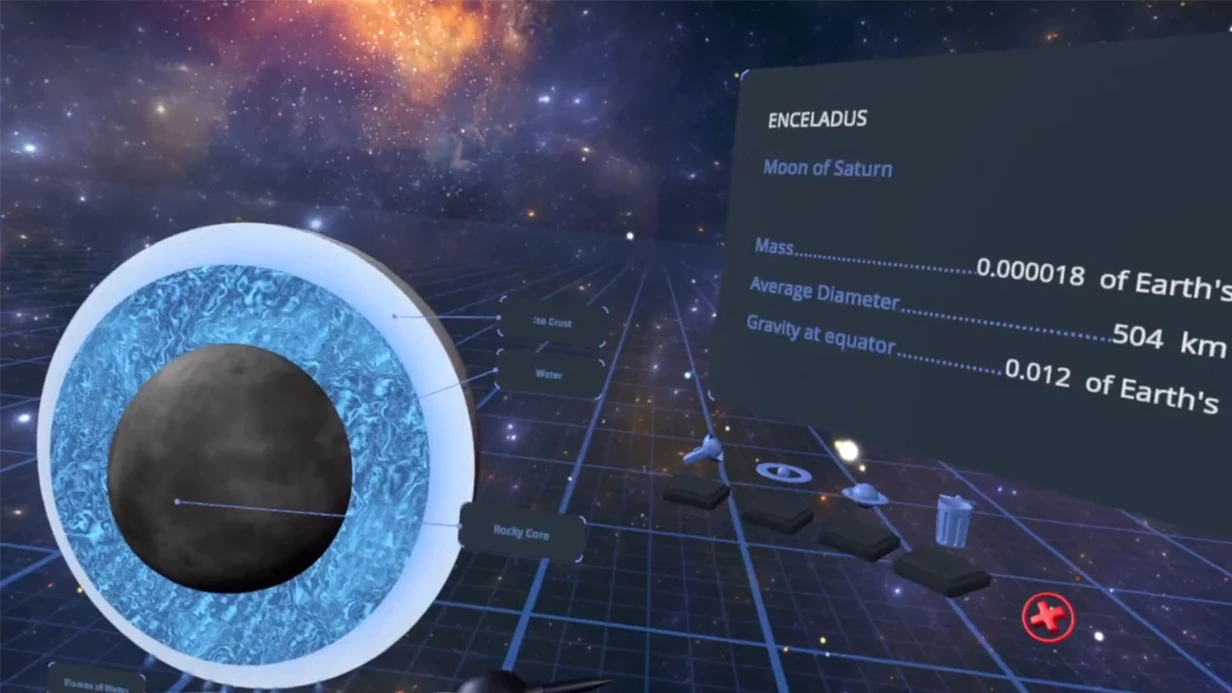
The third is a clear product demonstration. In VR, you can show what is hard to convey in words: how equipment works, the interior of a future facility, a production process. The visitor literally finds themselves inside your solution and understands its value better.
The fourth is lead collection. To try VR, a visitor leaves their details or a business card. You get a list of interested people you can continue talking to after the show. These are ready-made potential clients, not just random visits.
The fifth is a news hook. A VR booth attracts attention not only from guests, but also from the press and other exhibitors. Photos and videos from your booth spread across social media, generating extra reach and strengthening your image as an innovative company.
So virtual reality at a booth is not just entertainment, but a working marketing tool. It increases traffic, improves recall, helps demonstrate the product, and builds a base of potential clients.
If you want your booth to stand out and deliver measurable results, a VR installation is the right move.
VR Installation Formats for B2B Trade Show Goals
Choosing a VR/AR installation format for a B2B trade show starts with a question: what should the booth zone accomplish? If the goal is to engage visitors and hold their attention, an interactive VR scenario works better than a regular video on a screen.
If you need to grab passing traffic and collect reach, we add AR activities and spectacular team formats.
| Installation format | Who it's for | What it gives the client |
|---|---|---|
| Interactive VR booth | Companies with a complex product or large equipment | Product demonstration in action without transporting physical samples; keeps visitors at the booth for 5–7 minutes |
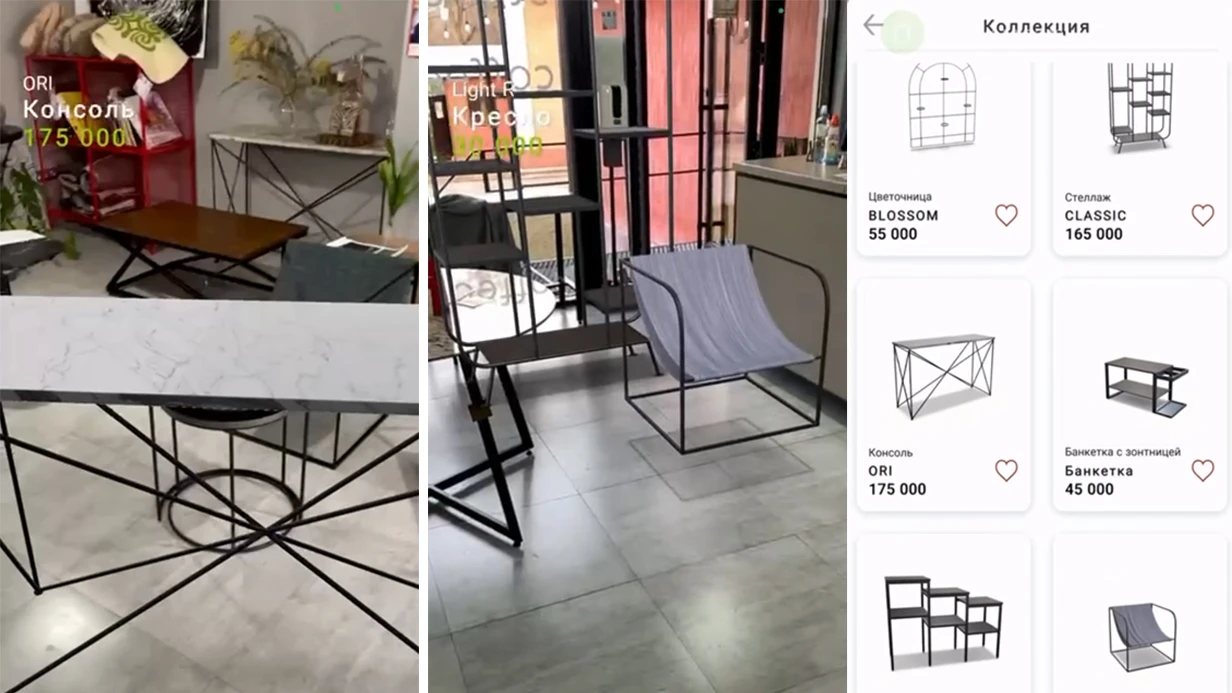
| AR augmented reality | Brands that need to bring a catalog, brochure, or promo materials to life | Instant "overlay" of a 3D model onto a business card or flyer — the guest interacts with their smartphone themselves |
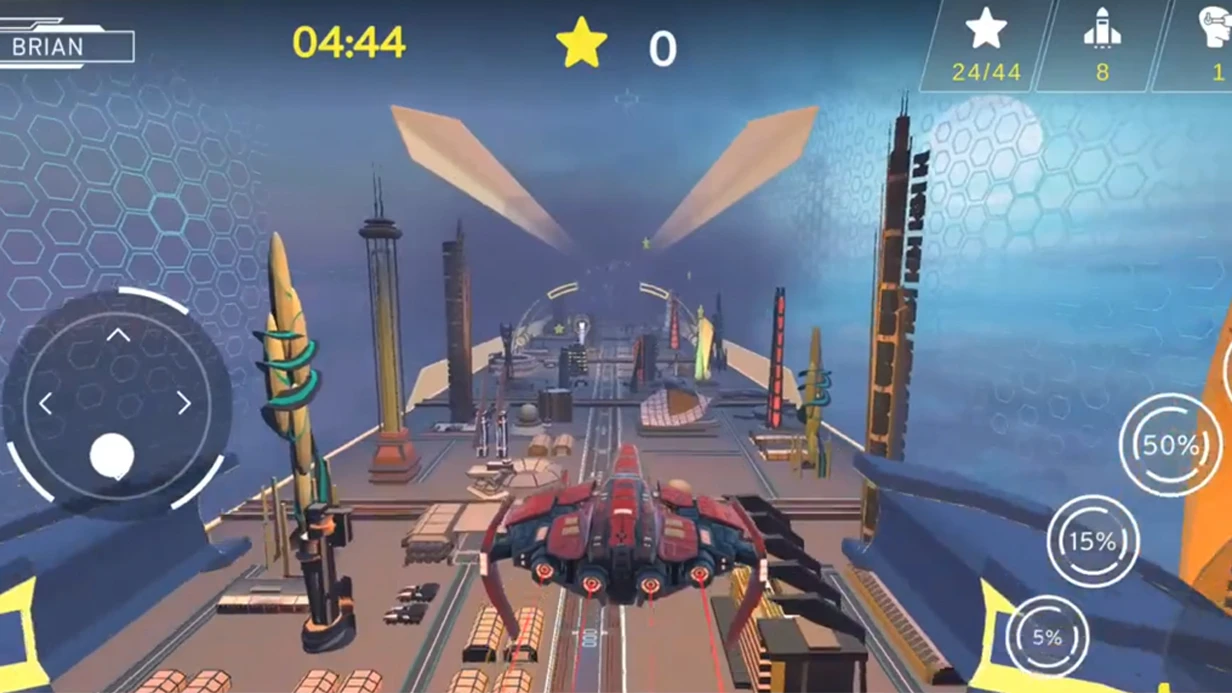
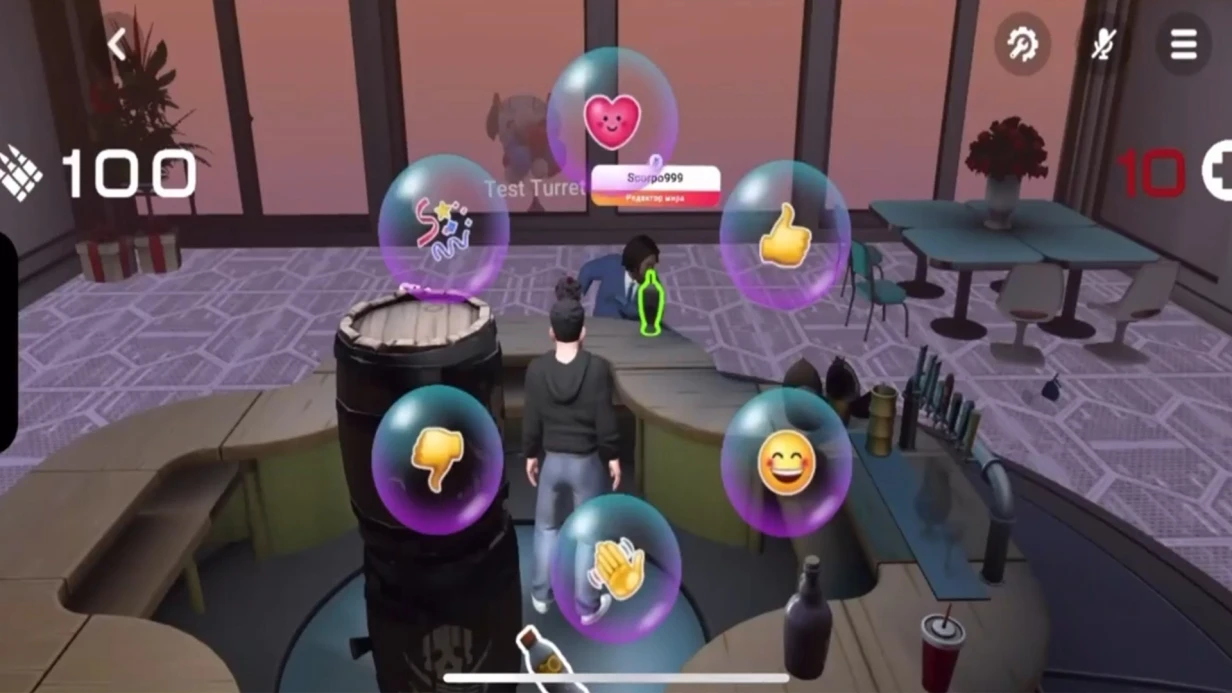
| VR quest / immersive zone | Exhibitors aiming for viral reach and buzz around the booth | A line of visitors, team participation, photos and videos for social media, repeat visits to the booth |
The format also determines the load on the space: for a flow of 50–100 people per day, a single VR station with 5-minute sessions is enough; for a dense meeting schedule, it is better to create two short scenarios with different product stories.
We design the installation around the event's goal — so the visitor leaves with a clear understanding of the product and a desire to leave a contact, not just “tried the headset.”
When preparing the booth, we take into account the floor area, lighting, pedestrian traffic flow, and installation time.
You get a ready-to-use installation that attracts visitors from the first hours, reduces the burden on promo staff, and delivers measurable business results: collected contacts, repeat visits, and brand mentions on social media.
How a VR Booth Is Developed: Project Stages
We structure the work so that at every stage you understand what is happening and when the result will come. The process starts with a brief and ends with support on the day of the exhibition — without surprises or technical hiccups.
You get transparent timelines and clear approval points, and we take on all the complexity of development and equipment.
-
Brief and goal setting. We discuss the goals of participating in the show, the target audience, and the expected reach. We tie the VR booth to the overall concept of your booth and marketing objectives.
-
Concept and scenario. We propose an interaction idea: how the visitor explores the product, what they learn, and what they remember. We plan the session time — usually 3–5 minutes — so guests have time to try it and share their impressions.
-
Prototype approval. We show the structure of the upcoming scenario: logic, texts, key frames. At this stage you make edits without extra cost — we adjust everything before the main development begins.
-
Development and content. We create 3D models, the interface, and all visual content for your product. In parallel, we test the solution on professional equipment so that everything runs stably and without failures on the day of the show.
-
On-site technical preparation. A day before the launch, we arrive at your booth: set up equipment, account for lighting and layout, and check every scenario. This eliminates surprises at the most critical moment.
-
Launch and support. On the day of the show, our specialists are nearby: they welcome guests, help them in the VR space, and quickly resolve any issues. You calmly handle negotiations while the technical side is fully covered.
What's Included: Delivery Package for the Client
When you order a VR/AR booth for a B2B trade show, you get a complete turnkey solution. The delivery package includes everything needed for stable operation: equipment, content, installation, training, and support.
We address typical client questions in advance: who sets up the equipment, what to do if something fails, how to launch the demo on the first day. Your team handles visitor communication, and we take care of the technical side.
The package includes:
- Equipment for the VR/AR zone — systems, headsets, controllers, and touch panels, configured and tested before shipment.
- Content based on your scenario — a ready-made program or an adaptation of the solution to the brand's and audience's needs.
- Logistics and installation — delivery to the venue, assembly, connection, and test run before the opening.
- Staff training — a brief instruction for your booth team: how to run a demo, restart the scenario, and answer visitor questions.
- Support during the show days — a technical specialist on call or on site quickly resolves any issues.
- Dismantling and removal — after the event, we carefully disassemble, pack, and take away the equipment, leaving the venue in its original state.
The delivery scope is fixed in the contract before work begins. You know in advance what you are paying for and can forecast the budget without hidden surcharges.
Our job is to make sure the booth runs without failures while you focus on the main thing: negotiations and new contacts. If needed, we can add custom options to the package.
Case Study: How a VR Installation Collected 3,000 Contacts
For one B2B company in the industrial equipment sector, the main goal at the show was not just an impressive booth, but collecting high-quality leads. Standard presentations drowned in the noise, and technical specialists and buyers walked past.
We proposed turning the booth into an immersive VR zone where a visitor could dive into a 3D model of the production facility in a minute.
At the booth of a client we'll call TechnoProm, we set up two VR spaces. Guests put on a headset and “walked” through a virtual workshop, saw the equipment in operation, and could change parameters on the fly. This caused a stir: the line never ended, and each participant spent more than 4 minutes in VR.
Over the three days of the show, more than 700 visitors went through the installation — and every one of them left a contact, because the VR scenario ended with an interactive request for a consultation.
The result — 3,000 leads. That number exceeded the client's expectations threefold: managers could not keep up with processing requests right at the show.
Moreover, the quality of the contacts was high: people who spent several minutes in VR already understood the product and came with specific questions. This shortened the sales cycle at the first-touch stage.
The case became a benchmark for the client: they now use VR installations at every major event. We received a repeat order and recommendations for partners.
The key takeaway: VR is not entertainment, but a tool that delivers measurable results. When a visitor interacts with a product in a virtual environment, they remember the brand and are highly likely to become a lead.
How to Choose a VR Booth Format for Your Event Goals?
Choosing a VR booth format begins not with technical specifications, but with the goal of the event. If you need to increase brand awareness and attract attention to the booth, a bright, short VR zone works well.
If the main goal is collecting high-quality contacts and demonstrating the product in action, a format of individual sessions with a consultant is better. Decide what outcome you expect from guests, and then choose a scenario to match.
On a B2B trade show, a visitor has 5-10 minutes to understand the value of your solution.
Short VR demos that immerse them in the product in a minute and deliver a “wow effect” work like a magnet: they create a line, generate lively interest, and provoke conversation after the headset comes off.
For a deeper product introduction, formats with scenario selection work well, where the guest controls the process themselves — such sessions are memorable and give a reason for dialogue.
If the event is a museum exhibition or a long-term exposition, visitors are not limited in time. Full immersive installations work better here: a person can stay in the virtual environment for 10-15 minutes, explore details, and come back again.
At a B2B trade show, this format reduces throughput, so it should be chosen only when the visitor flow is small or when there are several VR zones.
Also consider the number of visitors per hour. For a busy booth, multiplayer VR formats are more effective: one headset acts as a showcase attracting attention, while the others are used for quick sessions.
For targeted work with VIP clients, use separate pods where nothing distracts from the conversation. A correctly chosen configuration provides the right dynamics and avoids lines.
We select the format to match the event's goals: we analyze the objective, visitor flow, and the nature of your product, and propose a scenario that solves the business task.
If you are unsure, start with a consultation: tell us what should happen after the show, and we will offer an option that gets you there.
Frequently Asked Questions Before Ordering a VR Installation
Most often, clients worry about the same things: will we have time to prepare, will the equipment fail at the most critical moment, and how accurately will the installation reflect the brand's corporate identity.
These are normal questions — they determine whether the booth runs smoothly and what impression it leaves on visitors. Below are answers to the most common concerns we hear in negotiations.
Will you meet the deadline? Our show is in three weeks.
Three weeks is enough time to build an installation: our process from brief to delivery is well-established. We fix the timeline in the contract and put the project into production immediately — we don't take on work we can't complete to a high standard.
Two to three days before the event, we run on-site tests, and on the day of the show we arrive early for final adjustments. As a result, you get a ready installation by opening time, without overnight setups or last-minute chaos.
What if the equipment breaks down in the middle of the show?
The probability of a failure is minimal, but we are prepared for it. We use professional equipment with a safety margin, and a technician is present on site to monitor the zone.
We include a backup kit for key elements: if something fails, replacement takes minutes, and visitors don't even notice the issue. Your booth works all day without stopping.
Can you adapt the VR to our corporate identity and goals?
Yes, that's a core part of the project. We match the visual style to your brand: colors, logo, fonts, interaction formats. We design the scenario to solve a specific task — show the product, engage the visitor, collect contacts.
Before launch, you see intermediate versions and make edits. We approve the final version before printing and installation, so the installation at the show looks like part of your booth, not like a third-party app.
Who will help with launching and running the zone?
We don't just hand over the project and leave. We conduct a briefing for your staff: how to launch, welcome visitors, and handle common situations. We also provide an operation manual.
On the first day, our specialist is present on site — they set up the equipment and help your team get comfortable. Typically, within an hour, your staff works independently and confidently.
Order a VR Booth for Your Event and Get a Turnkey Solution
For a B2B trade show, a booth should not just look modern; it should lead to conversations with potential clients. A VR installation solves this problem: it attracts attention, holds visitors for a few minutes, and gives them a concrete experience they remember.
At the same time, the client doesn't need to understand the technology — we handle everything, from concept to dismantling.
You get a complete turnkey solution: a custom project, scenario, equipment, installation, and support during the event. No hidden work from subcontractors — one accountable contractor and a clear plan. All that's left for you is to handle negotiations and collect contacts, not monitor the technology.
What's included in a VR booth order:
- A custom project tailored to your booth's goals and floor dimensions.
- An interaction scenario that engages visitors and helps collect contacts.
- Professional equipment and proven tools tested at dozens of events.
- On-site installation and setup — one day before the show opens.
- Technical specialist support throughout all days of the booth's operation.
- Training for your team: how to guide guests and answer questions.
- A final report: number of sessions, interaction time, and contacts collected.
Leave a request to order a VR booth for your event. We'll get in touch, clarify your goals, and prepare a preliminary solution: concept, timeline, and cost. We'll discuss the details by phone or in writing — whichever is more convenient for you.
Order now — and get a reliable partner who is accountable for the result at the show: from the first idea to the final report. Your booth will work for brand awareness, lead collection, and a memorable experience for every visitor.