

Why a museum loses visitors without VR and AR installations
A modern museum competes not only with a neighboring cultural center, but also with the phones in visitors' hands.
Even a rich exhibition loses the battle for attention if a guest finds no reason to stay: they quickly walk through the halls and leave with only a blurry photo of the attendant.
Visitors, especially young people, expect a dialogue with the exhibits. Signs and glass cases are not enough for them—they want to see the era, not read about it.
This is where the museum loses the main thing—the emotional connection: without a vivid impression, a person does not return and does not recommend the museum to friends.
The lack of digitalization amplifies this loss. While other venues introduce interactive formats, the museum remains in the past—for the external audience, this is a “boring” signal.
Attendance drops, the share of repeat visits shrinks, and school groups come out of inertia rather than for experiences.
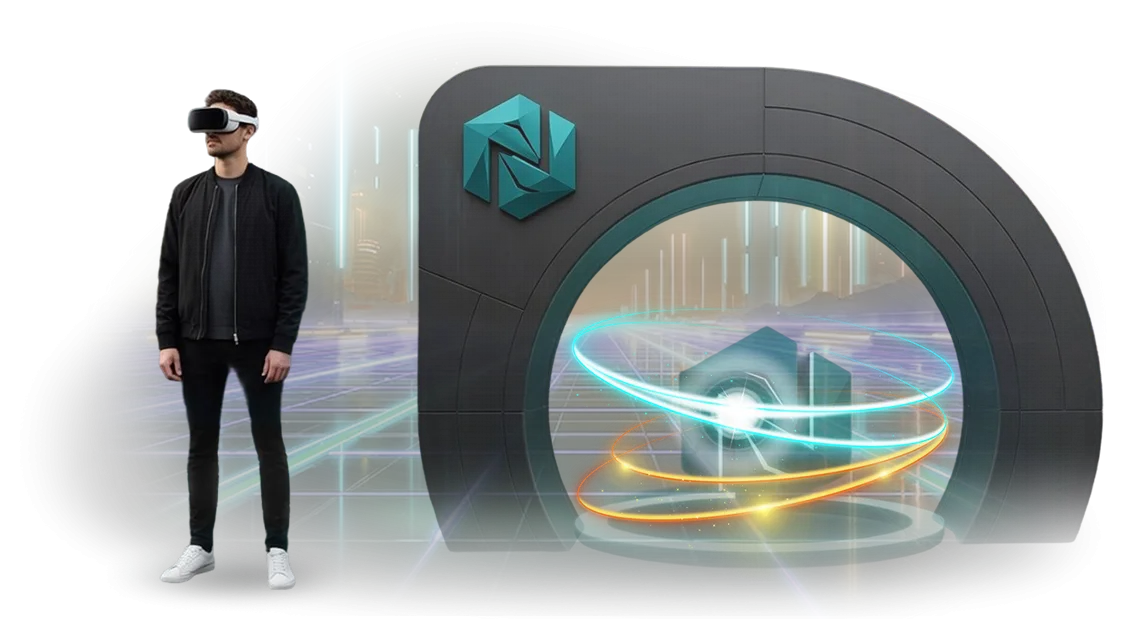
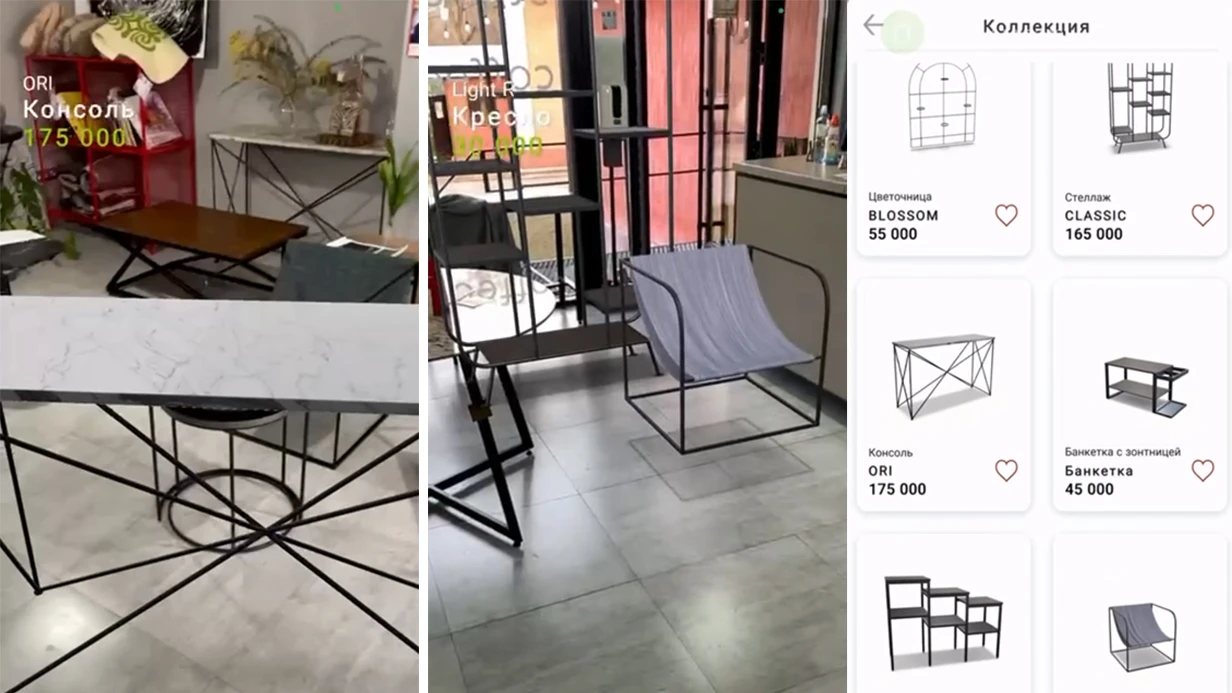
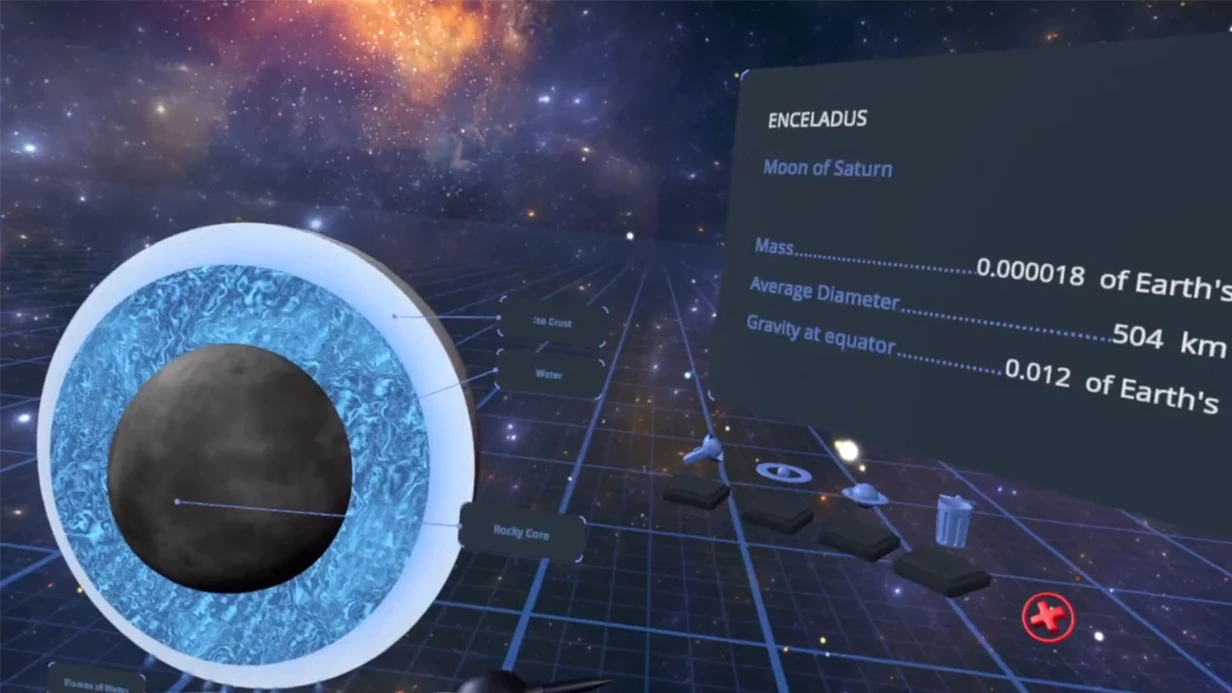
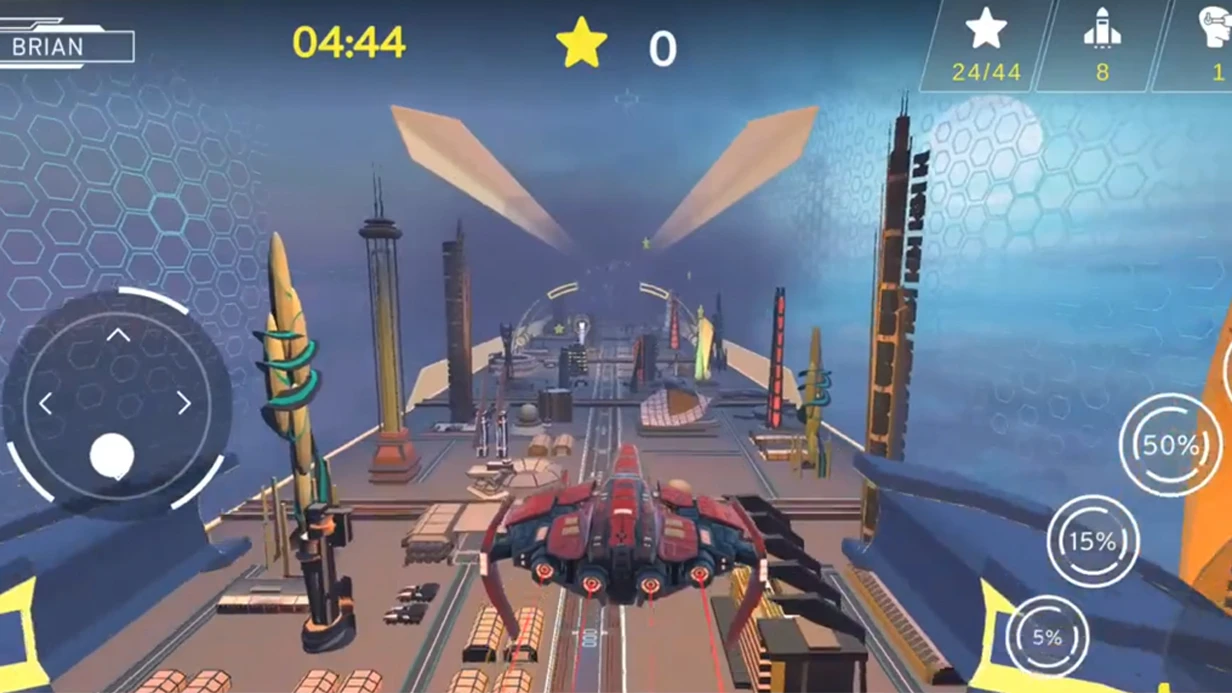
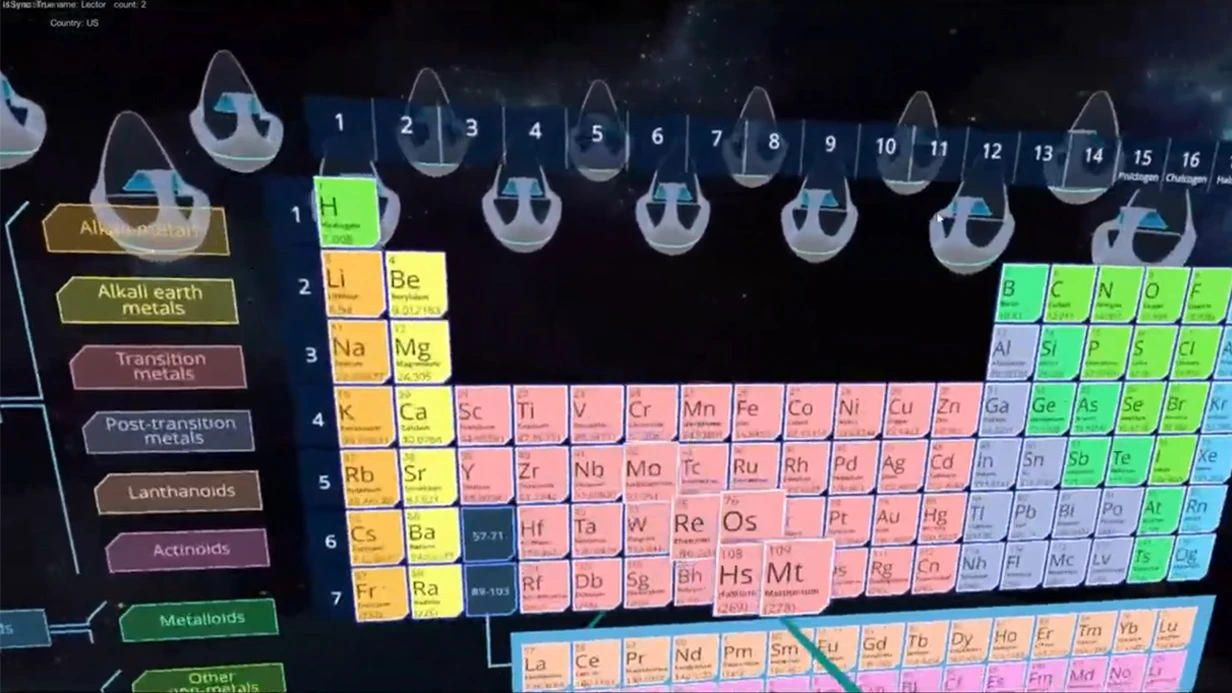
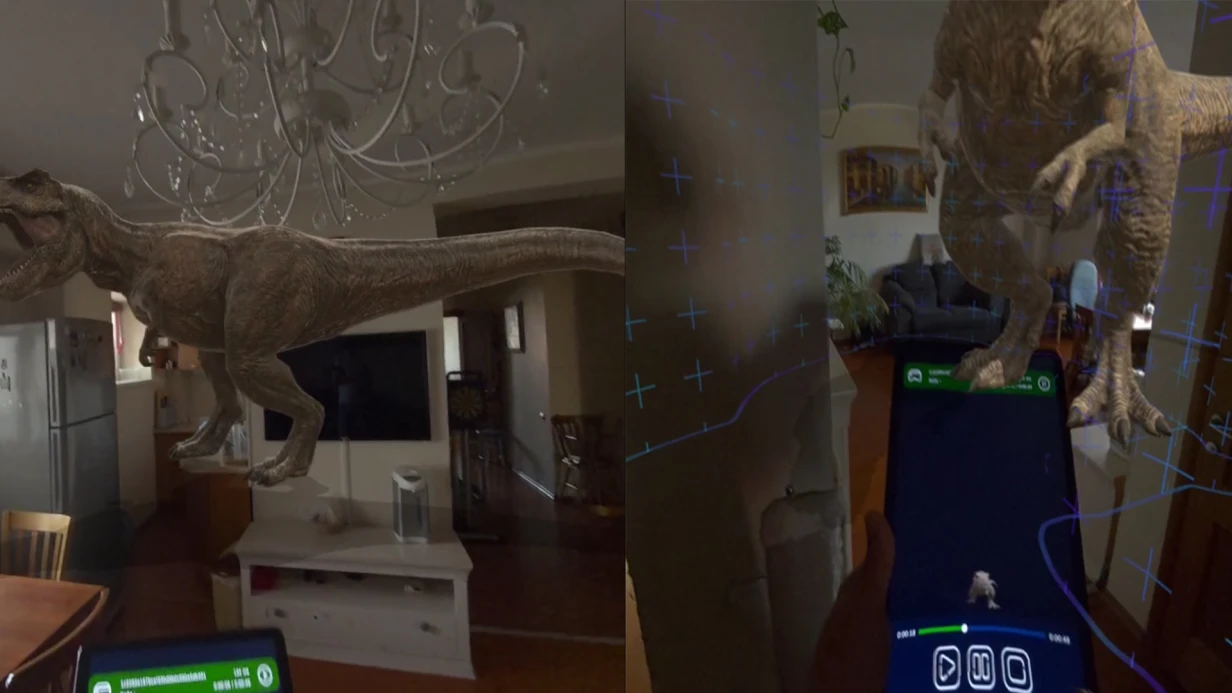
VR installations turn the visit into an adventure: the guest lives through the story, controls the process, and finds themselves inside the event. AR installations complement real exhibits with a digital layer—what cannot be shown physically comes to life before their eyes. This increases time spent, growing social media reach, and visitor return rate.
We solve this problem: we design and implement VR and AR installations tailored to a museum's goals—from concept to launch. We help turn a visit into an event people talk about and restore interest in the exhibition.
What benefits you gain from VR and AR installations
Benefit: Increased recognition
Visitors remember emotions, not signs. VR and AR installations turn the exhibition into an event they tell friends about and share on social media. Every guest becomes a brand ambassador for the museum, increasing reach without an advertising budget. This format attracts media attention and sets you apart from other venues.
Benefit: Visitor engagement
Putting on a VR headset or seeing an AR object, the guest stops being a viewer—they become a participant. Engagement grows: people stay longer, ask questions, and return again. Interactivity turns exploring exhibits into a lively process that is better remembered.
Benefit: New interactive formats
VR and AR make it possible to show what cannot be seen with the naked eye: historical reconstructions, mechanisms of exhibits, time travel.
At the same time, installations are easy to adapt for a new exhibition—the museum gains a flexible tool that works for the long term without restructuring the space.
Benefit: Measurable impact for the museum
We have been creating VR and AR solutions for events and museums for 10 years. Our experience shows: interactive zones engage almost all guests and increase the share of repeat visits.
You get not just technology, but a tool that strengthens your reputation and sets you apart from competitors. We handle all stages—from idea to installation and support.
Formats of VR and AR solutions for museums and events
For a museum and an event, the formats differ by purpose: one immerses the visitor in a story for a few minutes, the other engages a group in a shared action.
The main thing is that the technology works for results: increases time spent, provides vivid emotions and a reason to come back.
Below are three basic formats that we adapt to your exhibition, space, and visitor flow.
| Format | Who it’s for | What it gives the client |
|---|---|---|
| VR stand | Exhibitions requiring individual immersion | The visitor finds themselves “inside” the story, examines details, and remembers the exhibit. The stand is compact, fits into the hall, and does not require restructuring the exhibition. |
| AR installation | Events with high visitor flow | Brings posters, display cases, or banners to life—guests point their phone and see 3D objects over the exhibition. Engages even those who are not ready to put on a headset. |
| VR zone | Events where a queue and a “host” effect are needed | An attraction that keeps guests at the stand while they wait for their session. Provides more time for talking with the audience and taking photos in an unusual setting. |
The choice of format depends on the goal: if brand recognition is important—an AR installation will work; if educational impact—a VR stand. In any case, we design a solution around your scenario: we plan logistics, session duration, and durability for peak loads.
How we create VR and AR installations from idea to launch
Creating a VR installation for a museum is not about technology, but about the impression that stays with the visitor. Our team has built a clear process: you tell us what you want to show, we turn it into a scenario and carry it through to launch. Here is how it works in practice.
- Brief and task. We listen and ask questions: who the audience is, what the exhibition is, what should surprise. The result is a document with goals, deadlines, and format.
- Scenario and concept. We design how the visitor interacts with the exhibit, what emotions they experience. We agree on the storyline and logic before development begins.
- Design and prototype. We create the visual look of the zone, screens, and interface. You see a mock-up and make edits before major resources are spent.
- Production and assembly. Our specialists build the installation using professional equipment. You receive intermediate versions for review—no surprises at the final stage.
- Approval and testing. We run a test session together with you: we check the scenario, session duration, and visitor convenience. We make final adjustments.
- Launch. On-site installation, setup, and training for your team. The installation works from day one, even if our engineer is not nearby.
- Support. We stay in touch: content updates, scheduled maintenance, upgrades for new exhibitions. The museum receives not a one-time service but a tool that lives and evolves.
This sequence removes risks: you always know what is happening at each stage, and you make decisions together with us. For us, development is a partnership where your exhibition becomes clearer and closer to visitors.
What is included in the delivery of a VR and AR installation
When you order a VR/AR installation from us, you get not “raw” code and an equipment list, but a turnkey solution. No separate contracts with subcontractors, no ad-libbing at the venue—everything is already thought through and tested before opening.
Here is what is included in the delivery for a museum or exhibition:
- Working VR/AR equipment—headsets and stations are selected for the task, calibrated, and tested. They work reliably throughout the day, even with high attendance.
- Installation content—scenario, 3D scenes, sound, and interaction logic. The content is adapted to your exhibition so that the visitor sees a story, not just “plays with goggles.”
- Launch and management system—a “one-button” solution for staff: start, session reset, mode switch. No specialized technical specialist needed on site.
- Installation and commissioning—our engineers deliver, install, and configure everything on location. You accept the work against a checklist, not “by eye.”
- Instructions and staff training—clear guides and a short training session: how to welcome guests, help with equipment, and what to do in an emergency.
- Technical support during operation—remote monitoring or an engineer visit within a few hours if something goes wrong.
- Warranty service and updates—after launch, we maintain the content and equipment so that the installation keeps working in your museum for years to come.
The result is that all care for the technical side remains with us. You focus on the content of the exhibition and hosting guests, while we make sure the VR/AR stand “comes to life” every day and does not let you down at the most important moments.
Case study: how a VR installation exceeded the client’s expectations
One of our projects for the Museum of Urban History started as an experiment: we needed to keep visitors in the hall dedicated to the Middle Ages and make the exhibition more alive.
The VR installation allowed every guest to “walk along an old street” and see how the city changed—without guides or text plaques. We proposed a solution that turns passive viewing of display cases into active exploration.
Two months after launch, the museum shared the numbers: the average time in the hall doubled—from 4 to 8 minutes—and the number of repeat visits by families increased by a third.
A queue for the installation became the norm: guests deliberately planned their visit around this experience, and photos from the virtual tour spread across social media. Thanks to the viral effect, the museum’s mention reach grew without paying extra for advertising.
The most important thing—the visitors’ reaction—we heard from the museum staff: “Parents come back with their children to show the VR hall to friends.
For the first time, people are asking to stay longer in the exhibition.” The client noted that the installation had already justified expectations in its first month.
In the end, the museum ordered a second scenario from us—for the modern history hall, which is already a sign of trust.
Such stories help us see the key point: technology works when it solves a specific business problem.
If you need a VR stand that will increase visitor dwell time, attract a new audience, and deliver measurable results—tell us about your project, and we will recommend a suitable solution.
How to choose the right VR or AR installation format for your task?
There is no simple answer “choose only VR or only AR”—the right format is determined by your task, audience, and venue.
For example, a museum needs deep immersion so the visitor “lives through” the story, while a brand at an exhibition needs ease of engagement, where people quickly join the interactive and get an emotional thrill within a couple of minutes.
From a result perspective, the difference is immediately noticeable. VR completely shifts attention to the virtual world—it suits scenarios where concentration and detailed exploration of the story matter.
AR complements the real space, allowing visitors to stay in the museum or at the venue and explore a digital layer over exhibits or products. This affects how people interact with the installation and how quickly you can push the visitor flow through it.
| Format | When to choose | What you get |
|---|---|---|
| VR installation | Need complete isolation from reality, a deep storyline, and high engagement | Guests forget about time, session duration grows, brand memorability increases |
| AR installation | Audience is on the move; important to show exhibits or products in a new light | Fast engagement without queues, coverage of more visitors, natural integration into the interior |
| Hybrid format | The task is to show both the story and the connection to the real object at the same time | Maximum flexibility: you achieve two goals at once—immersion and broad reach |
The main recommendation when choosing a format is to test the scenario with a real audience. When working with museums and events, we check how a group behaves: how long attention is held, where visitor flows go, and which moments trigger emotions and the desire to share. This way you make a decision for your specific task without risking your budget or deadlines.
If you are unsure, we will discuss your scenario at a consultation. We will advise which VR or AR format will give a greater return for your museum or event, calculate the reach, and help you choose a solution that shows results from the start.
Frequently asked questions about creating VR and AR installations
Before ordering a VR/AR installation for a museum, clients most often ask about timelines, warranties, and equipment: will the launch be delayed, who is responsible for the equipment on opening day, and can the exhibition be changed later.
We answer without fluff—based on projects we have already completed for museums and exhibition venues.
We work remotely, so we are not tied to a region: we deliver equipment, install it, train your staff, and remain in touch after launch. Below are answers to questions that come up on almost every brief.
How long does it take to create an installation?
The typical timeframe is 3 to 5 weeks from concept approval. The first 5–7 days are spent on the brief and scenario; then we prepare the content and set up the equipment in parallel.
If the installation is needed by a specific date, we build in time buffer and show a week-by-week work schedule—you see milestone points, not just “it will be ready by Friday.”
What happens if the equipment breaks down?
For the duration of the installation’s operation, we provide warranty maintenance and keep a backup set for replacement. If the equipment fails, we replace it within one business day—so your museum does not have to stop receiving visitors. This is specified in the contract along with the timelines and responsibilities of both parties.
Can the content be changed after launch?
Yes, the content can be easily adapted to a new exhibition or exhibit. We build installations so that updating takes days, not months: you get a clear instruction, and if needed, we prepare a new version of the content while preserving the venue’s brand style.
If your question is not here, just write to us—we will show examples for museums and prepare a timeline estimate for a specific exhibit or event.Submit a request for a VR and AR installation
For a museum, a VR installation is a way to speak with visitors in their language: surprise, engage, and create the desire to return. But for an installation to solve the museum’s tasks rather than just look impressive, a thoughtful approach is needed.
That is why we start with a free consultation: we listen, ask questions, and offer solutions that suit your specific space and audience.
Most often, a museum reaches out when it needs to refresh an exhibition or create a point of attraction that increases average dwell time and the number of repeat visits. We take this on—from idea to launch.
After contacting us, you will receive:
- a consultation on VR and AR formats for your exhibition;
- a cost estimate tailored to your budget and timelines—without hidden work;
- a demo version of the installation so you can see the result before launch;
- recommendations on placing equipment in the hall and the logic of visitor movement;
- a support plan—from installation to final configuration and staff training;
- a clear work schedule with milestone points—you always know what is happening;
- direct contact with the project manager: one contact who is responsible for everything.
Submit a request—we will call you back within one business day. We will tell you how similar solutions are already working in museums, discuss your case, and outline the next steps. No binding contracts at this stage—only benefits for your project.