

Why a VR Stand Is a Must for Pharmaceutical Exhibitions
Visitors walk past dozens of identical stands — they are tired of brochures, merch, and sugary presentations. At a pharmaceutical exhibition, your stand is one among hundreds, and if it doesn’t stop people in their tracks, your participation budget simply dissolves. The brand gets lost among competitors, and its innovations, research, and products go unnoticed.
This is especially painful in pharma: the product is complex, the benefits cannot be tasted, and decision-makers need more than slogans. Without a striking impression, you get rare random visitors rather than your target audience — distributors, buyers, and experts. The return on the exhibition remains questionable, and planned lead targets are missed.
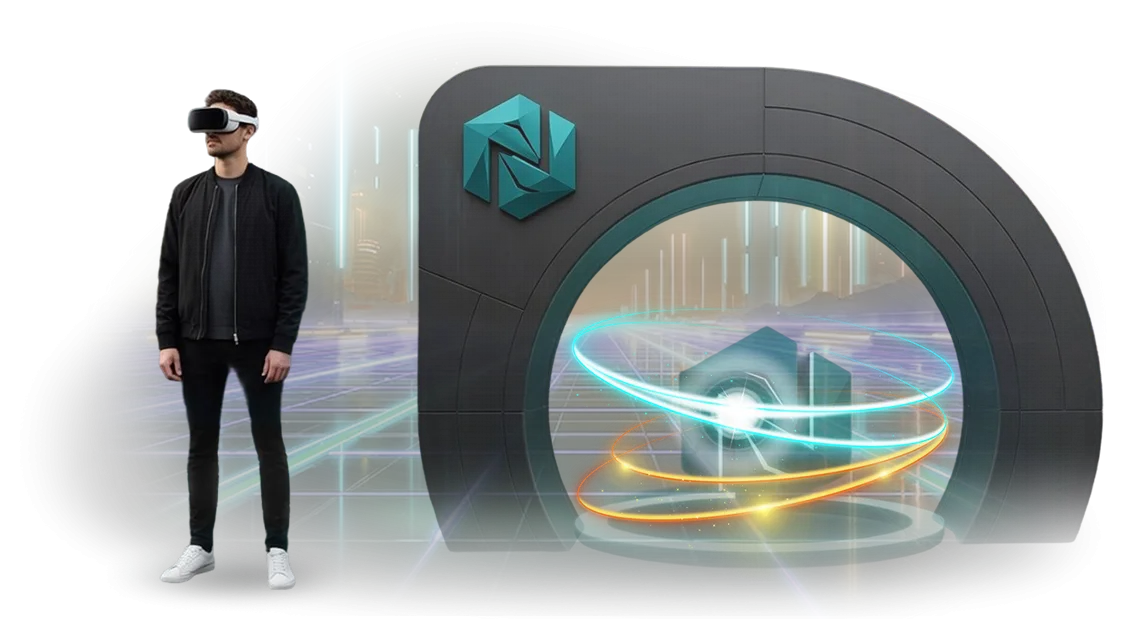
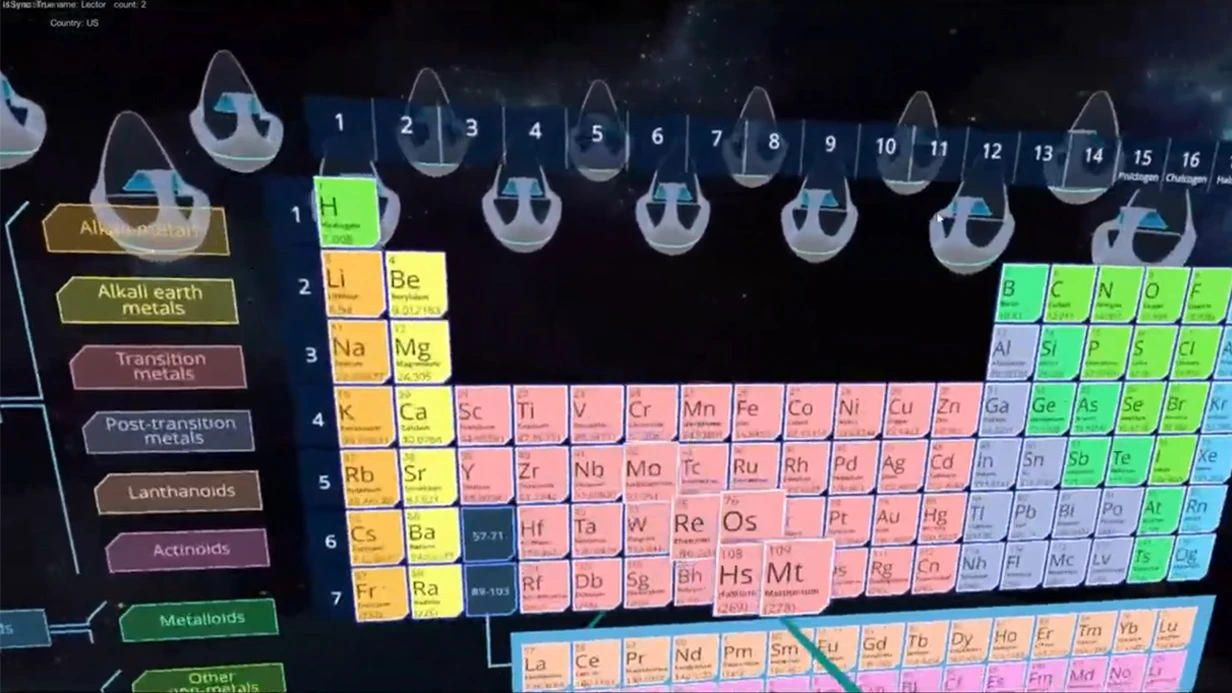
The good news: a VR stand changes the dynamic. It creates a space that attracts like a magnet: an immersive scenario shows the drug’s mechanism of action, equipment operation, or research clearly, in a format that is memorable and sparks discussion.
Visitors line up on their own, and you get more hours of conversation with the right people every day. This directly affects visitor attraction and subsequent brand awareness.
We have been creating VR and AR installations for exhibitions, museums, and brands for over 10 years.
We know how to make a pharmaceutical exhibit pay off: by attracting visitors, keeping them at the stand, and collecting contacts that convert into deals after the event. Let your stand be remembered, not walked past.
What a VR Installation Will Give Your Brand
At a pharmaceutical exhibition, every stand fights for visitors’ attention. Most guests are tired of booklets and standard presentations — they need emotions. A VR installation from our team sets you apart from the crowd and turns your stand into a center of attraction. Here is what it gives your brand.
A Wow Effect That People Remember
A visitor puts on a VR headset and finds themselves inside your product or research. This is not a lecture, but a vivid experience that provokes strong emotions. After such a stand, your brand is the first one they remember when discussing the exhibition. Photos and conversations remain as a memento of the impression.
Viral Photos and Social Media
Virtual worlds are a natural backdrop for photos and videos. Guests capture themselves in VR and post to social media, tagging your brand. A single stand collects reach several times larger than the number of visitors, and every post continues to work after the exhibition ends. That way you get free advertising among your target audience.
Collecting Contacts and Leads
The installation holds attention for several minutes, so it is convenient to collect participant data before and after the session. Interactivity helps filter out random visitors and obtain contacts of those who are genuinely interested in your products. These leads can be passed to the sales department on the very same day of the exhibition.
Increased Brand Awareness
The association with innovative technology strengthens the image of a modern company. Visitors share their impressions with colleagues and partners, so awareness grows even without an additional advertising budget. You remain in memory as a tech-savvy leader, not just another participant.
VR Installation Formats for Pharmaceutical Exhibitions
At a pharmaceutical exhibition, visitors pass dozens of stands in a day — attention scatters, and the one that engages personally wins.
We offer four proven VR and AR formats: each solves its own task, from demonstrating a drug’s mechanism of action to collecting partner contacts.
| Format | For whom | What it gives the client |
|---|---|---|
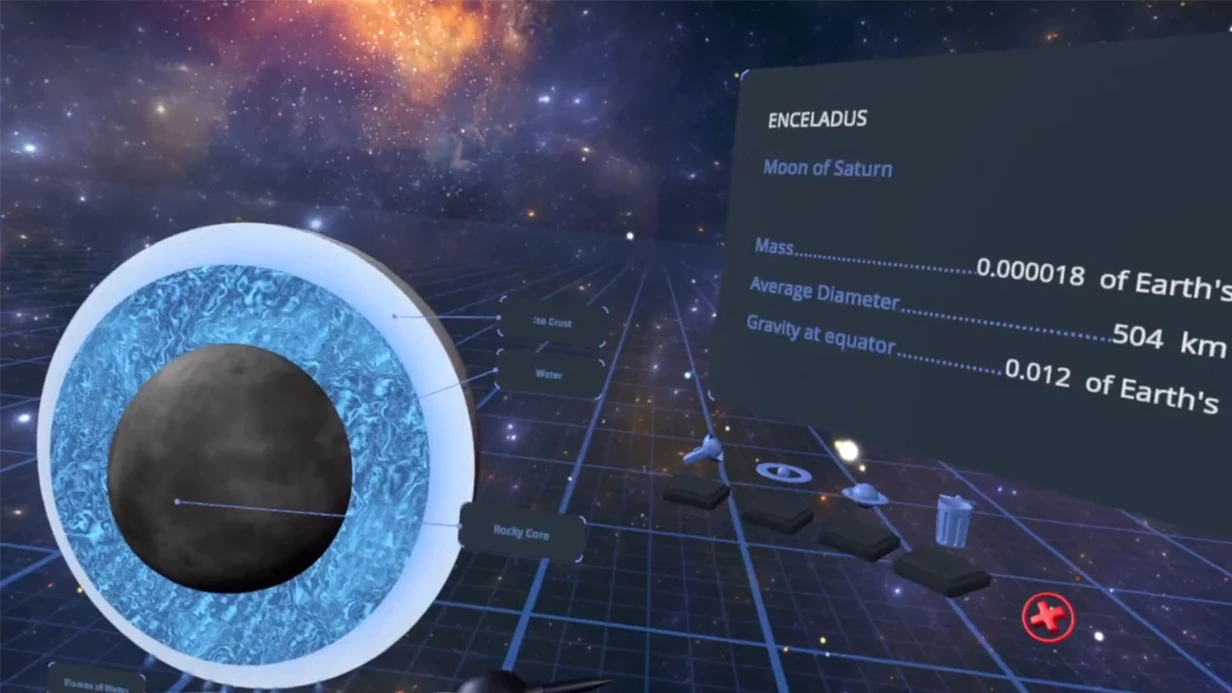
| VR product simulation | For doctors and pharmacists | Immersion into the drug’s action: see how the molecule works in the body. What cannot be shown on a slide is remembered many times better |
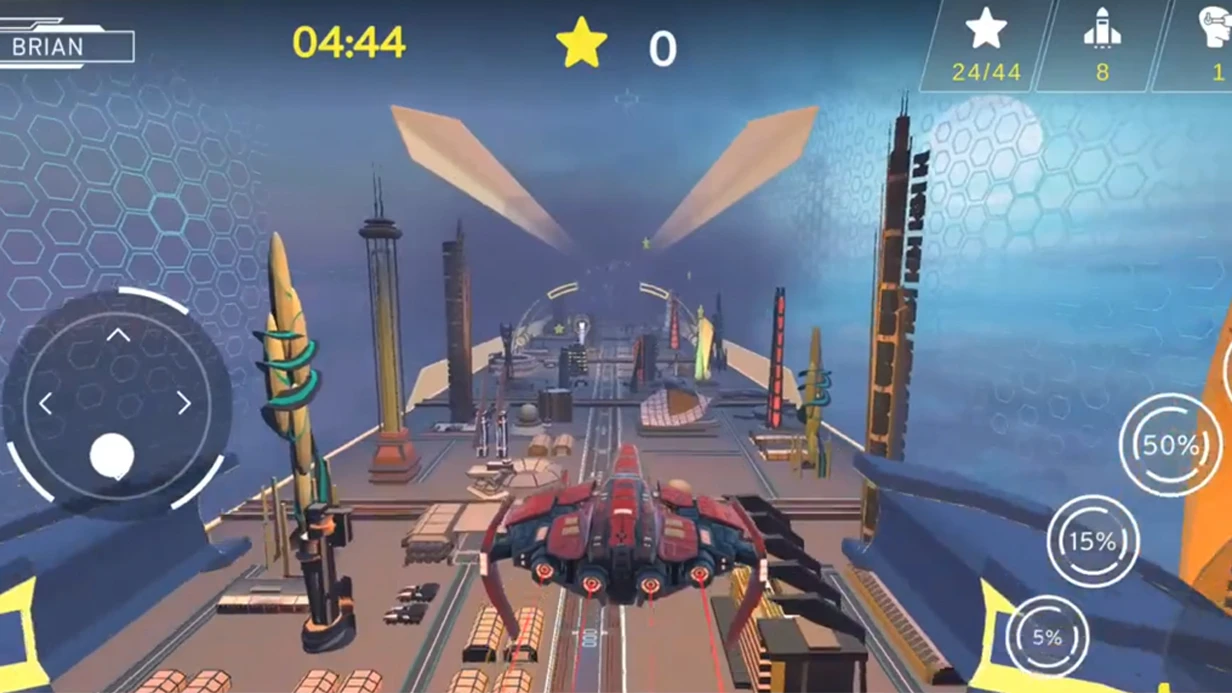
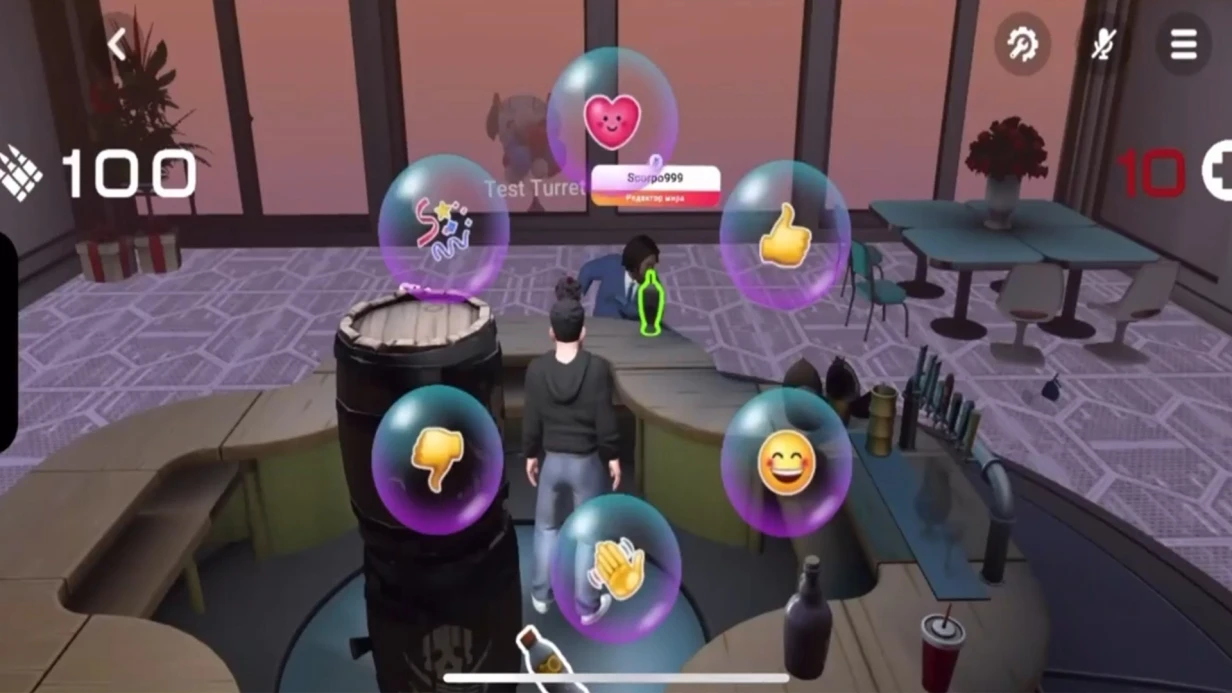
| Interactive stand | For all visitors | Creates a magnet at the stand: guests choose their own scenario, and the brand gets a queue, live interest, and contact data |
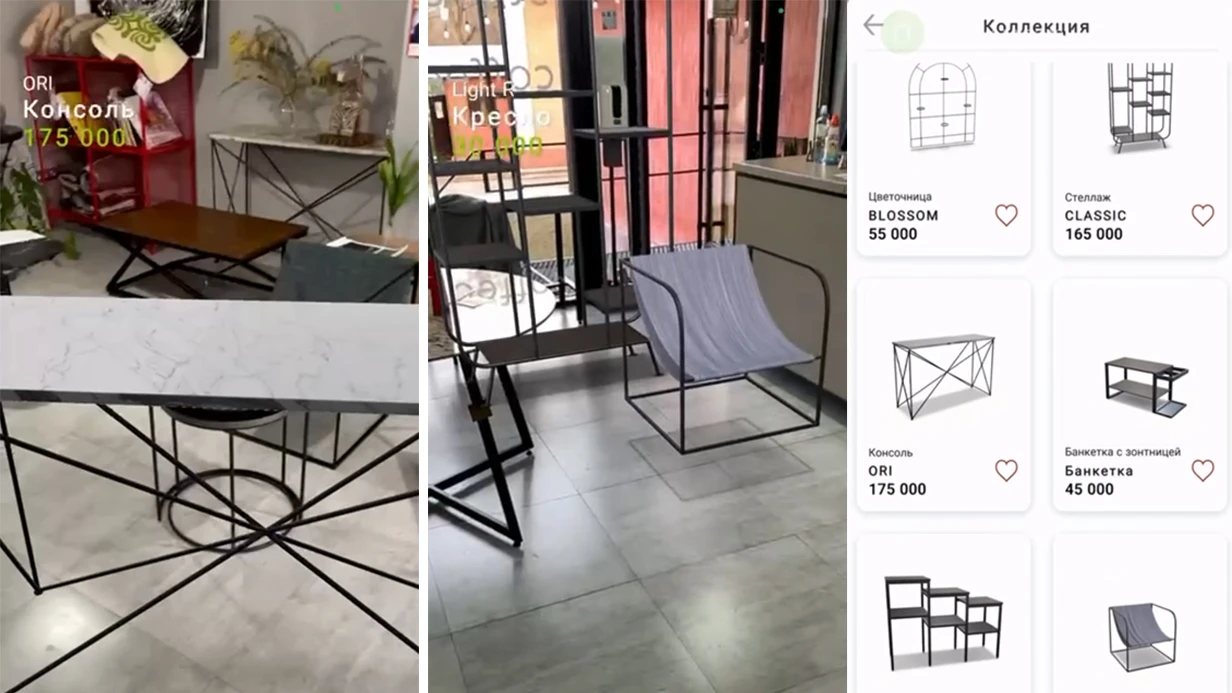
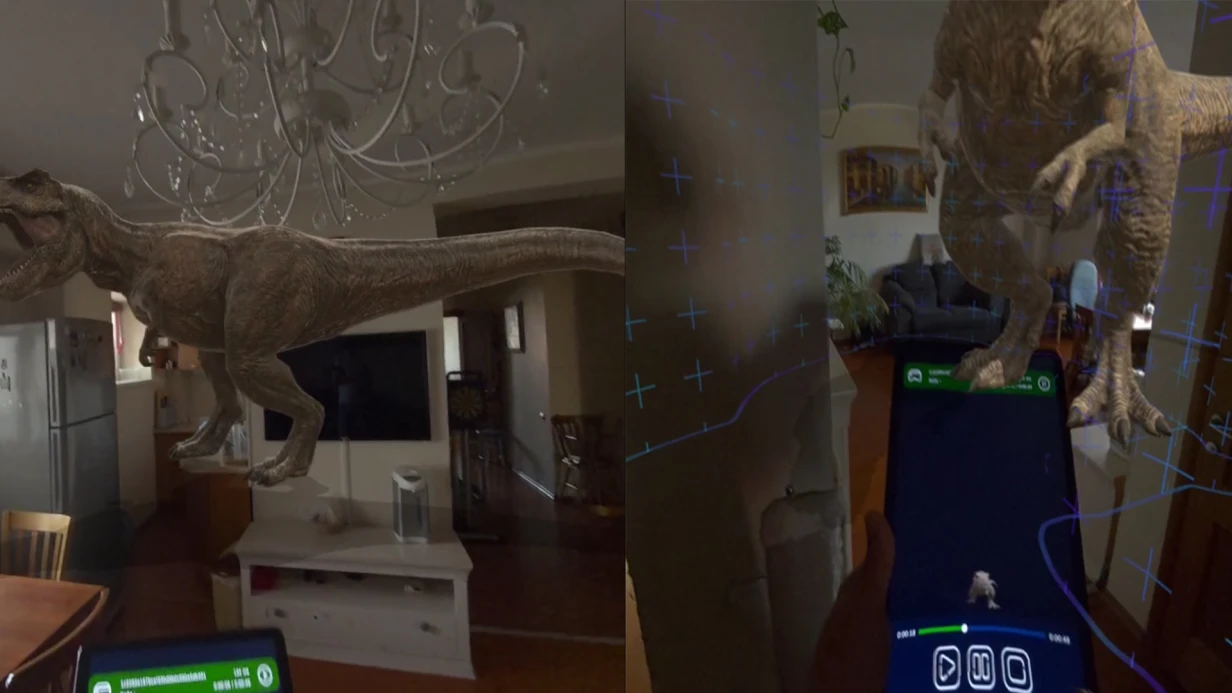
| AR app | For marketing and promo team | Adds interactivity to any medium — catalog, packaging, banner. Expands reach without increasing stand area |
| Virtual lab tour | For partners and distributors | Shows production and quality control “from the first person” — without logistics and at a convenient time. Strengthens trust in the brand |
How to choose? If your goal is to build a contact database, set up an interactive stand. If you need to clearly demonstrate the benefits of a complex drug — use a VR simulation. If you want to continue communication after the exhibition — choose an AR app. A virtual tour works great in the negotiation zone with key partners.
We often combine formats at the same pharmaceutical exhibition: an interactive stand creates a flow, a VR simulation holds doctors’ attention, and an AR app extends the brand’s life after the event. Tell us about your objectives and we will select a combination of formats and calculate the budget.
How VR Stand Development Works: Stages and Timelines
For a VR stand at a pharmaceutical exhibition, it is important that a visitor understands the product’s benefit within a couple of minutes, and that you get measurable results — contacts, interest, feedback.
That is why we have turned the process into clear stages with transparent timelines. You always know what is happening, when to approve, and how edits affect the work.
- Brief and immersion — 1–2 days. You describe the stand’s goals, audience, and “content”: which products or technologies need to be shown. We ask clarifying questions, define success criteria, and create a project plan.
- Concept and scenario — 3–5 days. We propose an interactive idea: how a visitor enters VR, what they see, and what actions they take. We approve the scenario before development starts — this prevents expensive edits later.
- Prototype and UI design — 5–7 days. We show the logic and visual style on screen: prompts, buttons, brand colors, typical screens. We make changes before the final graphics are created.
- VR content development — 7–10 days. We build virtual scenes, add your materials, animation, and voiceover. You receive intermediate versions for review and can comment on them.
- Testing and calibration — 2–3 days. We test the scenario on real equipment and adjust it to the exhibition hall conditions: light, noise, space. We practice system restarts and staff actions.
- Launch and support — opening day. Stand installation, staff training, and technical support during the first hours of operation. After the event — a report and recommendations for the future.
As a result, a typical project takes from two to four weeks — from the first brief to a working stand. The exact timeline depends on the complexity of the scenario and the number of edits, but every stage is recorded in the project schedule. You can see the task status and know when your decisions will be needed.
What You Get After Launching a VR Stand
After launching a VR stand at a pharmaceutical exhibition, you receive a fully finished solution — without having to assemble it from parts. We handle all stages: from equipment, content, installation, and support, so your team only handles negotiations and presentations.
- Full equipment package — professional VR hardware, controllers, and a demo stand. Nothing needs to be purchased separately: bring it, set it up, and work.
- Interactive content — a 3D scenario that presents the product in the best light: mechanism of action, benefits, research. The content is adapted to the tasks of a specific exhibition.
- On-site installation — our engineers arrive in advance, install and configure the equipment, and carry out test runs. After the exhibition, they carefully dismantle it.
- Staff training — instruction for your employees: how to invite guests, help them put on the headset, and comment on what is happening. This increases engagement and removes the fear of technology.
- Technical support — an engineer stays with you throughout the exhibition and instantly resolves any issues. If equipment fails, there is a backup set.
- Analytics for the marketing department — after the event you receive a report: how many people completed the VR session and how long they studied the product. This data helps evaluate the effectiveness of participation.
All this turns a VR stand into a reliable attention-grabbing tool that works without failures and requires no technical knowledge from your team.
Case Study: VR Stand for a Pharmaceutical Brand
At a pharmaceutical exhibition, there are dozens of identical stands, and most visitors walk past. The “consultation + booklet” format has not worked for a long time: attention is held only for seconds.
When an international pharmaceutical brand came to us, the task was simple — to make people talk about the stand.
We proposed a VR stand: a visitor enters an interactive tour of the brand’s production facility and scientific laboratory. Instead of a boring retelling — a live immersion that makes people want to approach the experts and ask questions.
The stand worked like a magnet: the queue grew from the very first hours, and the staff could only pass contacts into the CRM.
Result
This is not a story about a “pretty picture,” but measurable business value. Over three days of the pharmaceutical exhibition, four times more guests visited the stand than at previous events — growth of +300%.
Most importantly, we collected 2000+ targeted leads: contacts of doctors, buyers, and partners that entered the sales funnel after the exhibition.
Such a VR stand pays off not only through traffic. It gives the brand social media reach: guests share videos and photos, and the company keeps getting mentions long after the stand has been dismantled. As a result, the client ordered a virtual tour for future exhibitions and corporate events.
The key thing the client gets is predictable metrics. We design the scenario in advance to fit the goals: more leads, deeper product familiarity, or client staff training. That is why results are visible within the first days of operation.
How to Choose the Right VR Format for Your Task?
There is no single “best VR” — only the right “task → format” pairing. At a pharmaceutical exhibition, this could be a demonstration of a drug’s mechanism of action, a virtual factory tour that complies with all GMP standards, or an interactive simulator for doctors. The goal determines the format, not fashionable technology.
The first criterion is the audience and the purpose of interaction. If you need a deep meeting with a key distributor and want to show the product in detail, a stationary zone with a 5–7 minute immersion works well.
If the task is to attract maximum traffic to the stand and quickly communicate the drug’s benefits, it is better to choose a short, striking 1–2 minute scenario that does not create queues.
Then budget and stand area come into play — a compact solution with one headset and a large-format screen serving several visitors at once will cost differently, and that is normal.
The third criterion is the technical limitations of the venue: available electrical capacity, the possibility of partial blackout, ceiling height, and zone logistics.
Exhibition halls often have subtle nuances, so we clarify all parameters at the briefing stage and build them into the project in advance.
Professional equipment is configured to the conditions of a specific stand so that operation remains stable even during peak visitor flow, and installation takes no more than a few hours.
Each format has its own economics: one pays off through mass reach and inbound flow, the other through depth of contact with the target audience and growth in repeat negotiations.
We help choose the VR type that suits your goals, budget, and venue area as early as the concept stage, and then take on design and turnkey implementation. Tell us about your task — we will suggest a format that brings measurable results at your particular exhibition.
Frequently Asked Questions About VR Installations
Before ordering a VR installation for a pharmaceutical exhibition, most clients ask the same questions: cost, reliability, payback, and whether special knowledge is needed.
We answer briefly and to the point, so you can calmly plan your budget, defend the project in front of management, and choose a contractor without surprises.
Why does a VR installation cost exactly this much?
The price is made up of the scenario, graphics, operating time, and equipment volume. We calculate the estimate for your specific task, with no hidden extras. This way you plan the budget in advance and avoid surprises.
What if the equipment breaks down on the day of the event?
The installation is tested before delivery, and our engineer is on site to quickly solve any problems. You deal with guests, not technology. This is stated in the contract.
Do I need special knowledge to operate a VR stand?
No. Operation is a power button — the scenario starts by itself. We train your staff in 15 minutes and stay in touch throughout the exhibition.
How quickly will a VR zone pay off at a pharmaceutical exhibition?
A VR zone attracts visitors, holds them at the stand, and increases time spent talking with clients. This produces more contacts and directly supports sales. We calculate payback for your specific goal.
How much preparation time is needed?
Usually from 2 weeks to 2 months, depending on the scenario. The earlier you contact us, the more implementation options there are. The installation will be fully ready by the event.
Order a Turnkey VR Stand
Leave a request — and by the next business day we will send you a cost estimate and VR stand format options for your tasks, venue, and budget.
To prepare the estimate, it is enough to know how many visitors are expected, what kind of stand you need — for one person or for several people — and which outcome matters most: image, training, or lead generation.
The manager will select the right format for you: from a compact single-user zone to a full interactive exhibit with a photo area. If you are not sure yet how this will work, the preliminary consultation is free. We will explain what can actually be shown and how to measure the effect at your exhibition.
What you get with a turnkey order:
- One contract and one team: we handle development, location design, equipment, installation, and support during the exhibition days.
- A custom scenario for pharmaceutical products: from a VR drug presentation to training medical representatives or demonstrating equipment operation.
- An honest production timeline — from 3 weeks, with a stage schedule and control points.
- A warranty for the equipment and software throughout the entire stand period — including breaks and technical pauses.
- Content and usage statistics: which zones and sessions were chosen most often, and how much time guests spent at the stand.
- The ability to adapt the VR stand for future events — a museum, conference, or promo tour.
To get an estimate, click the “Leave a request” button and specify the exhibition dates. If there are less than 3 weeks left before the event, tell us right away — we will offer an accelerated format without reducing quality.
We work remotely across the whole country, can deliver a project in tight deadlines, and support you until the stand closes. Call or write to us — a technologist will contact you and answer your questions, and we will prepare a preliminary estimate within a day.