

Why Do Visitors Walk Past Your Booth at a Real Estate Exhibition?
An exhibition visitor walks past dozens of booths in a single day. Their attention is scattered, and after the first few meters fatigue sets in: info desks and brochures blur into one continuous stream.
In this environment, even a high-quality property goes unnoticed if the booth doesn't give visitors an instant reason to stop.
An ignored booth isn't just a few lost minutes. It means potential buyers walking over to a competitor and an event budget that delivered nothing in return. Every visitor who walks past is a potential deal you never saw. At an exhibition where every guest is fought over, a passive display turns into direct losses.
Competition at a real estate exhibition is fierce: neighboring booths use scale models, screens, laser shows, and promoters. Against this backdrop, a standard booth gets lost within the first seconds.
The visitor doesn't have time to grasp floor plans and advantages—they're already moving on, choosing whoever managed to catch their attention. While you show static images, others are presenting future apartments in action.
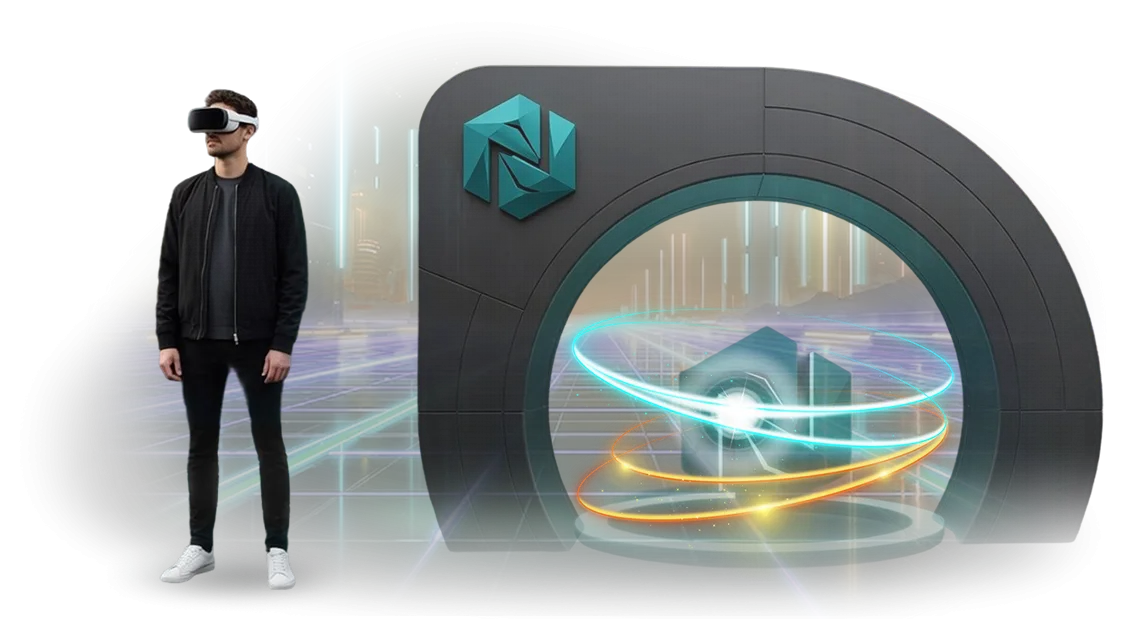
We solve this problem with interactive VR and AR installations. They turn a booth into a point of attraction that stops the flow of visitors, holds attention, and lets guests "walk through" a future apartment right at the exhibition.
Instead of an outdated display window, the client gets an emotional experience that visitors remember and pass along—which translates into direct leads and brand awareness growth.
What a VR Booth Gives Visitors and Developers
At a real estate exhibition, a visitor has only a few seconds to decide whether to approach a booth or walk past.
Regular brochures and scale models don't hold attention—a VR booth does this through the power of immersion: the visitor doesn't read about a floor plan, they "walk through" the future apartment.
This shifts the conversation from "looking at a picture" to "trying on life in this home."
For a developer, this works toward three goals at once: growing brand recognition among the flow of guests, collecting real inquiries in the moment, and building the image of a modern developer people trust.
When a visitor in VR goggles emotionally experiences the scenario "this is my living room with a view of the park," they remember your brand—not the dozen neighboring booths.
Guest Engagement
The immersive format holds attention 3–5 times longer than watching a video on a screen. Guests line up to "visit" the apartment—this creates genuine buzz around the booth.
Each such contact is a mini-tour of the product, after which visitors approach a manager themselves with questions.
Collecting Inquiries and Building a Contact Base
A VR booth is not just entertainment but a lead-qualification tool. After a short session, visitors are invited to leave their contacts to receive a recording of the virtual tour or a consultation with a specialist.
In a single day, you build a base of warm clients who already understand the value of the property and are ready for the next step.
Developer Image
A high-tech booth speaks to a company's level louder than any slogan. Visitors perceive the developer as progressive and reliable, and partners see a market leader.
The "wow" effect turns into free marketing: guests film what's happening and share it on social media, expanding your reach long after the exhibition ends.
VR Booth Formats for Any Budget at a Real Estate Exhibition
At a real estate exhibition, a visitor has only a couple of hours to cover dozens of developer booths.
A VR booth solves this problem: the guest doesn't read a brochure—they step inside your residential complex and see apartments, floor plans, and infrastructure before construction even begins.
Visitors spend 5–7 minutes at the booth instead of two, and managers have time to present the advantages and capture a contact.
We match the VR booth format to your budget and goals—from a compact zone with a single headset to a virtual showroom for multiple guests. What matters is that the installation works to collect inquiries, not just to attract attention.
VR Booth Format Comparison
| Format | Best for | What the client gets |
|---|---|---|
| VR tour of a residential complex | Developers with multiple properties | Shows the neighborhood, courtyards, and infrastructure in 5 minutes—even if construction is only on paper |
| Interactive floor plan | Projects at the foundation stage | Visitors change finishes and furniture layouts themselves—they immediately grasp the apartment's value |
| Virtual apartment showing | Sales departments | Guests have already "been" in their future home—all that's left is to arrange a meeting and a real viewing |
| Showroom with multiple headsets | Companies with high visitor flow | No one stands in line: while one person is viewing, another takes the free spot |
Every format comes with analytics: how many guests viewed the tour and which floor plans were chosen most often. These numbers help prioritize advertising and prepare managers for conversations with specific buyers.
How the Work on a VR Installation for an Event Unfolds
To ensure a VR booth at a real estate exhibition delivers real inquiries rather than just attracting attention, the development process is structured step by step. At every stage, you understand what's happening, see the results, and stay in control of the timeline.
- Briefing. We meet and discuss the booth's goals: showcasing floor plans, running a tour of the residential complex, or collecting contacts. We identify the target audience, expected visitor numbers, and style preferences.
- Script and layout approval. We propose interaction options: virtual walkthroughs of apartments, floor plan comparisons, neighborhood and infrastructure overviews. We agree on the interface layout with you so it's intuitive for visitors of any age.
- Content and 3D model preparation. We take your floor plans, visualizations, and photographs and create detailed room models. This gives visitors the full feeling of a real apartment and helps them make decisions faster.
- Assembly and testing. We build the installation and check image quality, control responsiveness, and operational stability. At this stage, we make final adjustments before the public ever sees the booth.
- Launch at the exhibition. We deliver the equipment, set up the location, and train your staff. Throughout the event, we maintain full control and respond quickly to any unexpected situations.
- On-site technical support. A specialist stays on call or right by the booth: handling reboots, helping visitors, and promptly updating information in the virtual space when needed—such as current prices or new promotions.
- Results and reporting. After the event, we calculate the number of sessions, interaction time, and interest in specific properties. We hand over the numbers and practical recommendations for improving your next project.
What's Included in Creating a VR Booth for a Developer
When you order a VR booth, you're not getting hardware in a box but a ready-made sales tool: an exhibition visitor "walks through" apartments in 3–4 minutes, seeing floor plans, window views, and finish options.
Below is the scope of delivery, which we document in the contract and manage until the event starts.
- VR equipment. Professional headsets and stations that run reliably throughout the entire exhibition day. No overheating, lag, or lines—even during peak visitor hours.
- Installation content. Virtual floor plans and interiors of your properties, adapted for the booth. We align the script, branding, and texts—making revisions until full approval.
- Booth assembly. We deliver the equipment, build the zone, and set everything up on-site. The day before opening, you get a working booth, not assembly tasks for your own team.
- Technical support during the event. Our engineer stays nearby throughout exhibition hours: resolving issues quickly, servicing equipment, and replacing components—guests never notice a glitch.
- Staff training. We train your booth administrators: how to greet guests, help them put on headsets, guide them through properties, and engage them in conversation. Your team works confidently from the very first hour.
- Post-exhibition service. We provide a report on attendance and interest in properties and help adapt the content for a showroom or the next exhibition.
In the end, you get a measurable result: visitor flow, collected contacts, and growing brand recognition—without needing to handle the details of assembly, setup, and maintenance. We take care of all technical aspects.
Case Study: How a VR Booth Increased Time at the Booth and Collected Contacts
We built a VR booth for a developer at a real estate exhibition: dozens of identical booths, visitors walking past in seconds, brochures ending up in the trash. The client didn't just want to "be present"—they wanted to collect contacts from genuinely interested buyers.
We proposed a VR tour of future apartments: the visitor "steps into" the lobby, views the floor plan, sees the panorama from the window, and explores the finishes—experiencing the moment of already living there.
The results exceeded expectations. Average time at the booth grew from 1–2 minutes to 8–10—several times more than neighboring booths. Over three exhibition days, we collected more than 300 contacts, with 70% leaving an inquiry to view an apartment.
The developer's managers noted that conversations after the VR demo went deeper: people already knew what they wanted and asked about mortgages, infrastructure, and floor levels—rather than "so, what do you have?"
The numbers speak for themselves:
- Time at the booth: 5–8x increase.
- Contacts: 300+ over 3 days, 70% with a viewing inquiry.
- Repeat order: 2 more exhibitions + tour integration into the sales department showroom.
- Client feedback: "People came up and asked where they could see an apartment right now. That hadn't happened at any other booth."
The key here isn't the "trendy gadget" but the measurable business value: reach, engagement, leads. The developer got a tool that works both at exhibitions and in the showroom—without additional advertising spend.
If you want a similar result for your property or event, we'll show you a demo of your space and calculate the metrics for your specific goals.
Frequently Asked Questions About VR Booths at Exhibitions and in Showrooms
Clients often hesitate: a VR booth seems complicated, expensive, and in need of an engineering team. In practice, preparation is simple: we deliver the equipment, set it up, and support it ourselves. Below are answers to the questions exhibition organizers and showroom owners ask most often.
How much time is needed to prepare a VR booth?
Typically, 4–6 weeks pass from brief to launch. If content already exists, a week for adaptation is enough. At the exhibition itself, we launch the booth 2–3 hours before opening.
Do we need to keep a technical specialist on-site?
No, we handle that part ourselves. Our staff member accompanies the booth throughout the event days: monitoring equipment, helping visitors, and resolving any issues. All you need to do is talk to guests and potential clients.
Will visitors see our actual properties and floor plans?
Yes, content is created specifically for your goals. We adapt your floor plans, visualizations, and layout solutions—visitors see the exact properties and formats you're offering for sale. This works for both residential complexes under construction and finished properties.
What are the space requirements for a VR booth?
You'll need 4–6 square meters and a standard power outlet. Lighting, finishes, and site decoration don't affect the result. We'll advise on where to place the booth so it's visible and doesn't create long lines.
What if the equipment fails during the exhibition?
We work with professional equipment and test it before every event. An engineer is on-site—in an emergency, equipment is quickly replaced and the booth keeps running.
Ready to Stand Out Among Dozens of Booths? Let's Discuss Your Project
A real estate exhibition is dozens of booths fighting for visitor attention. While competitors hand out brochures, a VR booth turns your property into a live 3D tour: guests walk through apartments, see finishes, window views, and floor plans—all before construction is complete.
That's how you stand out, hold attention, and collect contacts from those who are genuinely interested.
Leave a request for a consultation—we'll explain how a VR booth fits into your stand and budget. We'll build it for your property: from a focused apartment demonstration to a full VR tour of an entire residential complex. It works for primary and secondary market sales, commercial real estate, and suburban communities.
What You Get When Ordering a VR Installation for an Exhibition
- An exclusive booth that visitors remember and talk about—you won't be overlooked.
- The ability to showcase the entire property without scale models—from floor plan to window view.
- Marketing data: we track visitor activity, interests, and the number of immersions.
- Faster conversations with clients—they've already "been" in the property and ask specific questions.
- A full turnkey cycle: we develop content, deliver equipment, set up the launch, and support you during exhibition days.
- Analytics for the sales department: a list of contacts who spent the most time exploring the property.
Fill out the form or call us—we'll discuss your project, show solutions for real estate exhibitions, and propose a format for your budget. Order your VR booth in advance to have time to prepare a unique tour by the event start.
How to Choose a VR Installation Format for Your Goals?
A VR installation format can't be the same for everyone—it depends on three things: booth space, visitor profile, and event budget.
A properly matched solution delivers exactly the effect you're ordering VR for: visitor flow, time at the screen, social media photos, and a memorable brand image. Get the format wrong—even excellent content will go unnoticed, and the cost is wasted.
Start with the space. For a compact 4–6 square meter booth, a stationary VR zone with one or two headsets works well—it creates local attraction and a line.
If space allows, go with a panoramic projection or VR with image output to a large screen: passersby see what's happening and stop.
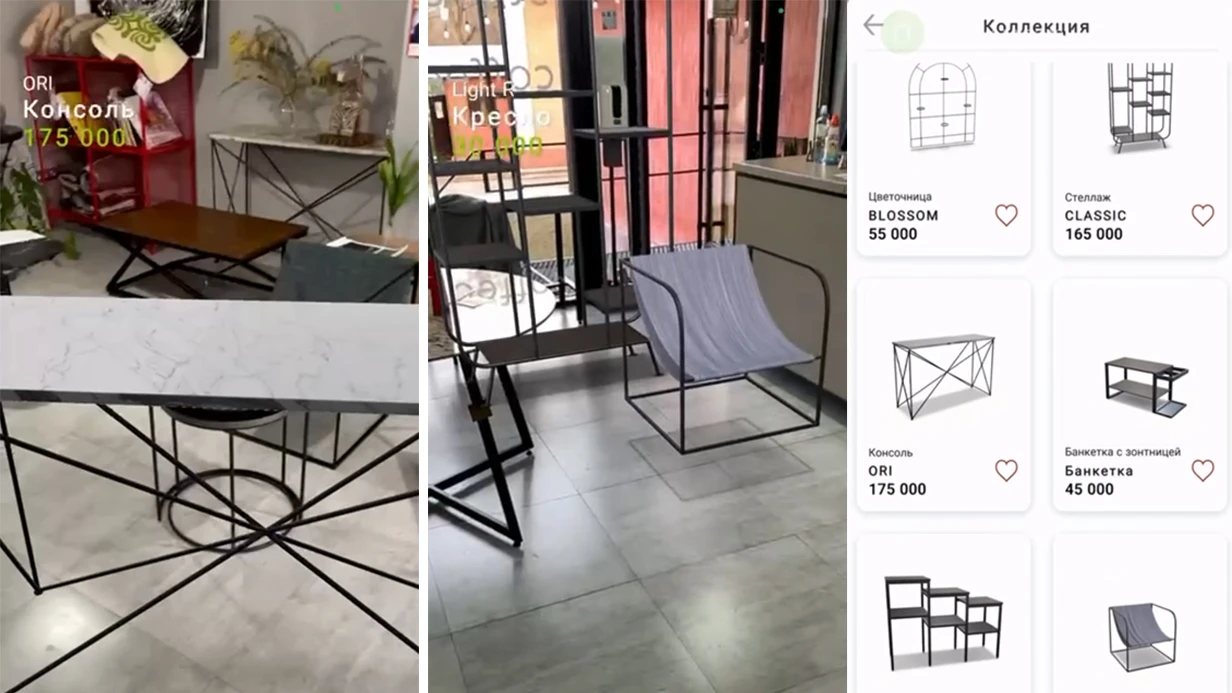
For small lounge areas or halls, an AR solution on tablets makes more sense—it doesn't require a dedicated territory and works right among the guests.
The second criterion is the audience. If most visitors have no VR experience, choose the simplest scenario: "put on the headset—look around—get the emotion." Complex control mechanics will only scare them off.
For a tech-savvy crowd, such as at a specialized conference, interactivity is a must: the ability to choose a floor, finish, or layout in real time keeps visitors engaged twice as long.
Also consider session length: the standard 3–5 minutes is optimal for both the queue and the depth of the experience.
The third parameter is budget. It determines not just equipment rental but the depth of content development, the number of activation points, and the level of support.
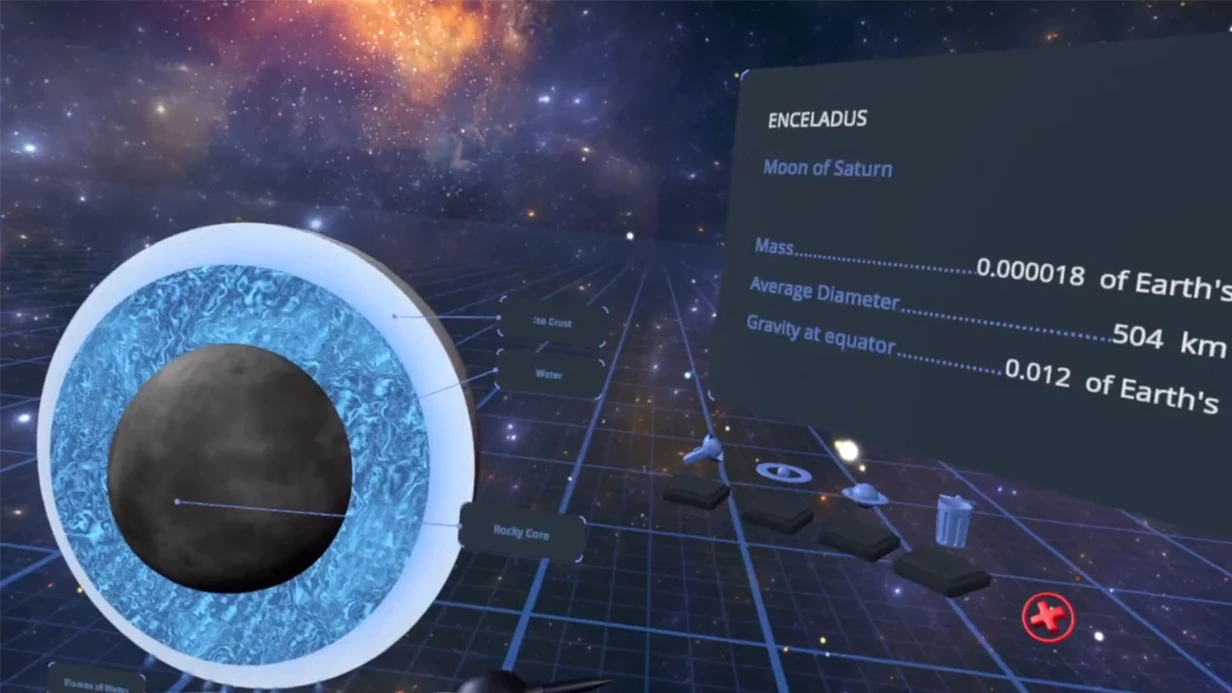
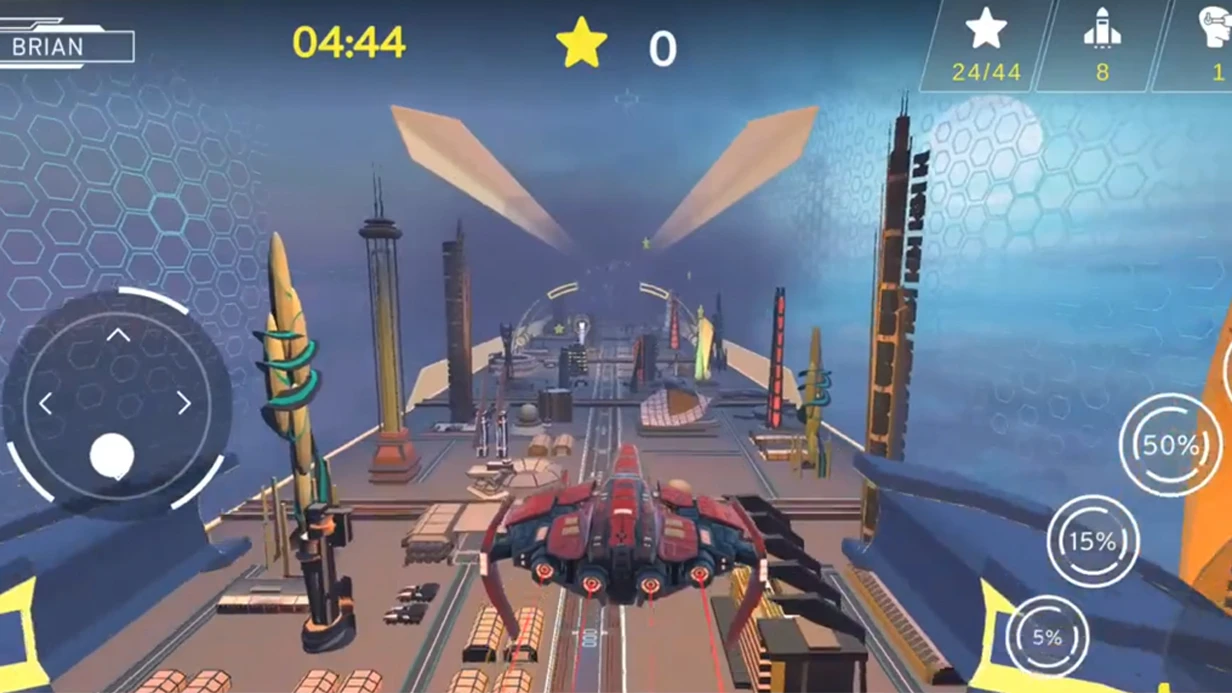
We work from your budget and offer three solution levels: a basic scenario built on existing assets, an expanded one with custom graphics, and a premium option with a full virtual tour or game mechanics. In every case, you get a predictable cost and a clear launch timeline.
The conclusion is simple: you don't need to figure out the technology yourself. Send us your booth area, estimated audience, and budget—we'll select a format that solves your problem and show you how it will look at your venue.
That way, you save weeks of negotiations and get an installation that will have a line forming from the very start.