

Why Employees Don't Use AmoCRM and Lose Profit
A manager sees that AmoCRM has been purchased, access has been distributed, and a regulation has been written — but only a few people actually track deals in the system.
Managers work from memory, in Excel, or even “in their heads,” and every day without up-to-date data in the CRM means missed touchpoints, forgotten promises, and clients who leave for competitors because they weren't consulted in time.
The company pays for the subscription but gets no transparency from it. The manager doesn't see the real pipeline, can't predict revenue, or support a falling deal in time. Sales decline imperceptibly: losses are spread across weeks and “written off” to seasonality or the market.
And managers lose motivation — they don't understand why they should fill out cards if it doesn't help them sell more.
It all comes down to motivation and perception. Employees treat AmoCRM as a monitoring tool rather than an assistant that saves their time and brings in money.
As long as CRM implementation is limited to instructions and fines, the team will sabotage the system and profits will melt away. The problem isn't the program, but the fact that it isn't embedded into the employee's daily logic.
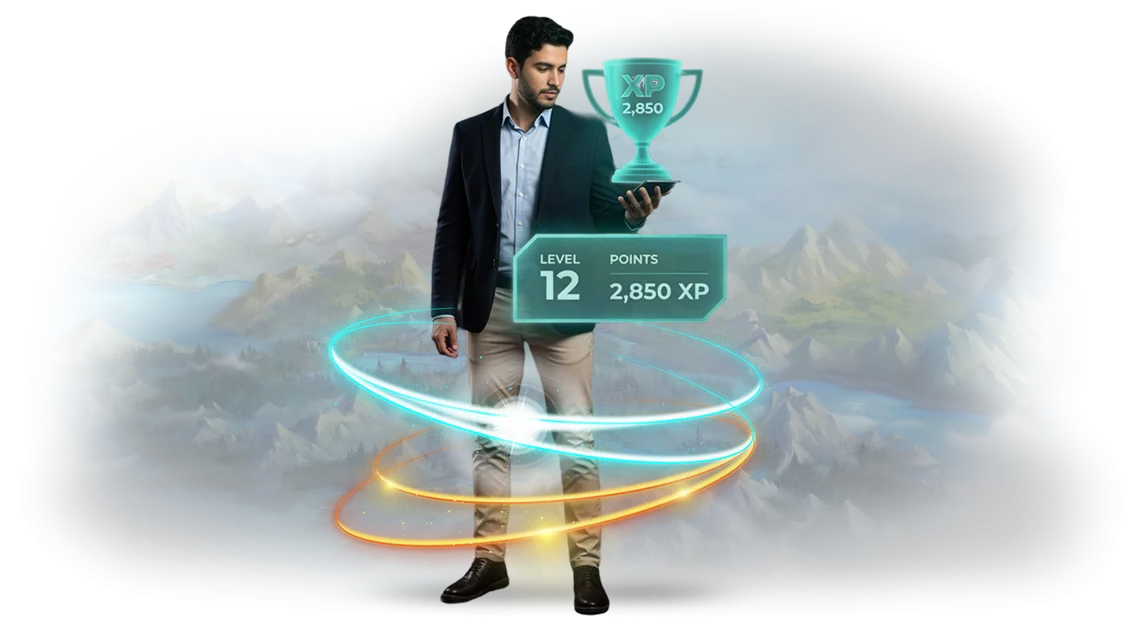
The solution is to make working with AmoCRM natural and desirable. A gamification system turns routine into a game: the manager sees progress, receives recognition for each completed stage, and strives to keep the database in order because it brings status and results.
We close the gap between “having a CRM” and “the CRM works”: the team starts using the system, deals aren't lost, sales grow — and you see an honest picture of the business on any screen.
How Gamification Changes Team Engagement and Results
When routine tasks stretch out and stop bringing pleasure, team engagement inevitably drops. This affects KPIs: deadlines shift, quality suffers, and the best employees start looking for a new job.
Common motivation methods — bonuses, reprimands, meetings — have long since stopped delivering the desired effect because they don't change the daily attitude to work.
Gamification restructures the process itself: instead of an abstract “we need to meet the plan,” the employee sees a specific goal, progress, and the result of their actions in a clear, visual form.
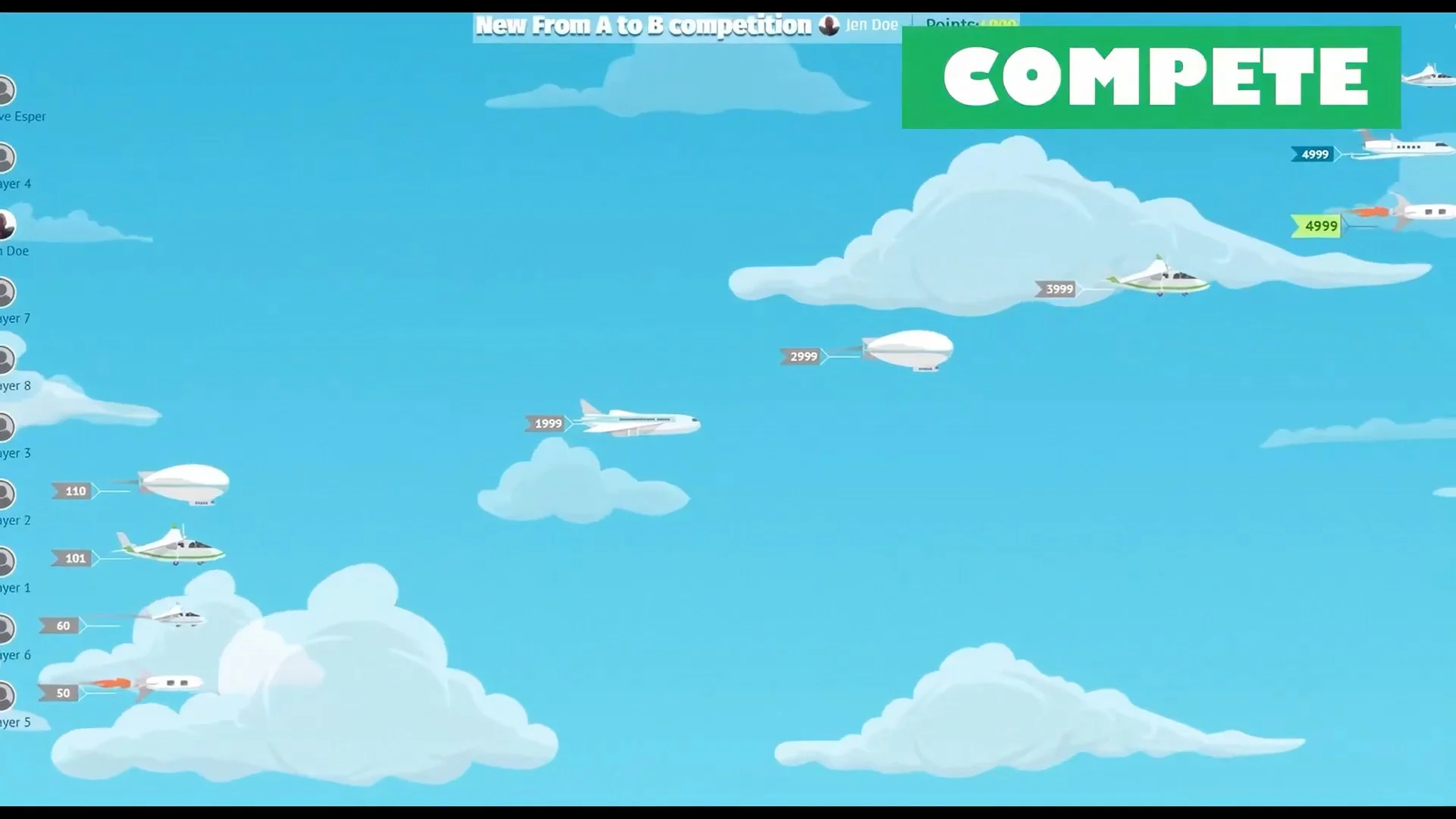
From day one, the team gets involved in the game — the competitive element, levels, and rewards for completed tasks make them work with interest, not under pressure.
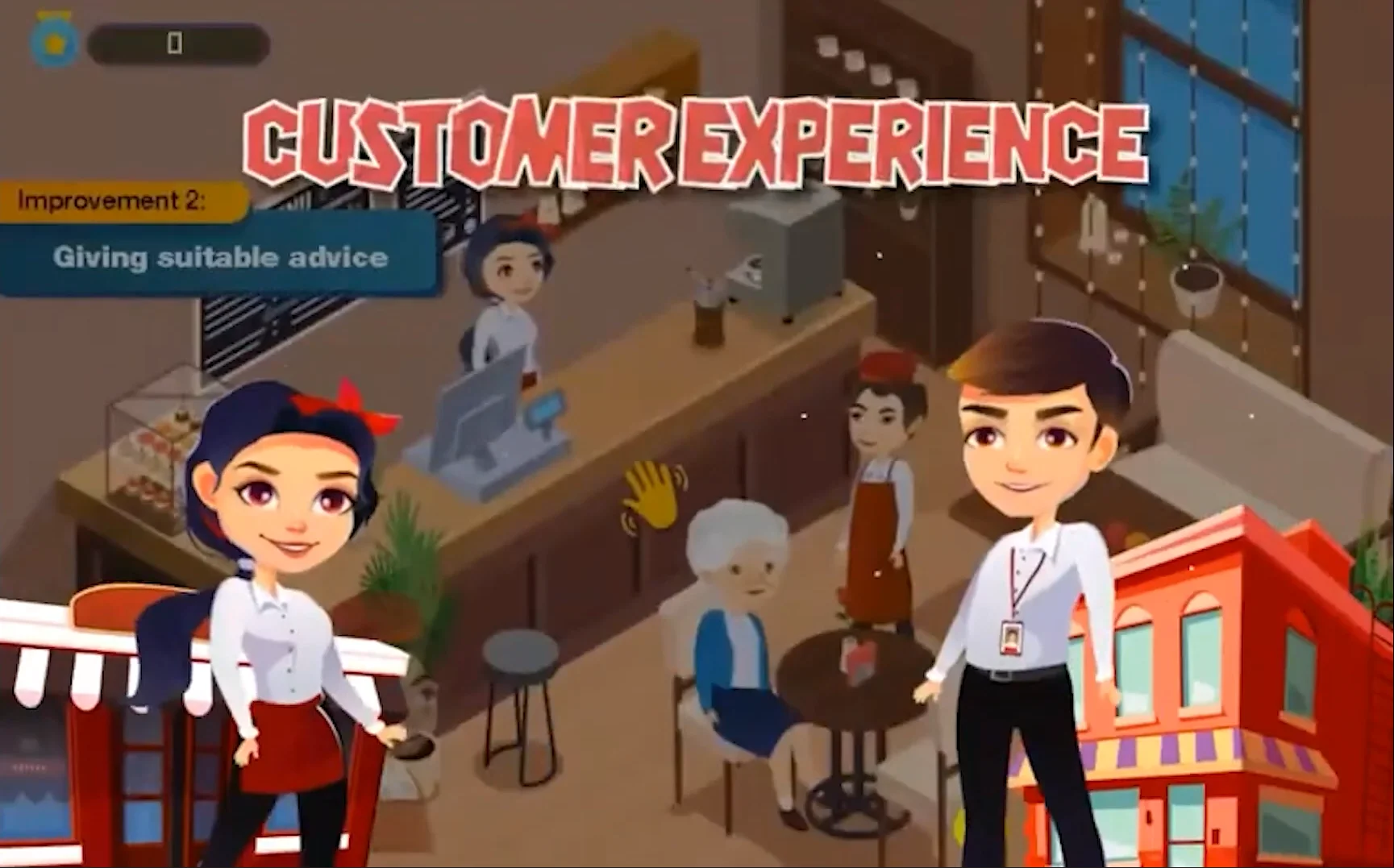
This is especially noticeable in sales and customer service departments, where every closed dialogue and deal becomes a personal achievement.
After a few weeks, systematic dynamics appear: the number of completed tasks grows, KPIs for conversion and request processing speed improve, and teamwork becomes more transparent.
Employees themselves suggest how to improve the process because they care about the leaderboard results. The manager no longer needs to spend time on manual control — the system shows in real time who is moving forward and who needs support.
When gamification is integrated with your CRM, such as AmoCRM, data on deals and tasks automatically flows into the game mechanics. Every action in the system — a call, a meeting, a sent commercial proposal — turns into points and badges.
Management becomes easy: the manager sees an objective picture without long reports or planning meetings, and employees receive instant feedback on their performance.
As a result, the company gets not just an entertainment layer, but a sustainable increase in engagement and results. Employees stay with the team longer because work brings excitement and recognition, and KPIs grow steadily without harsh pressure.
The client gets a tool that manages motivation systematically — with minimal effort from the manager and clear numbers for the business.
Gamification Formats: From Contests to Task Rewards
Business gamification is not just one-off contests with prizes. It's a motivation system embedded into daily processes: sales, customer work, internal task completion.
We select the format according to the department's goals and automatically link rewards to data from AmoCRM — the employee sees progress, and the manager sees measurable results. A properly chosen mechanic strengthens motivation without increasing the payroll.
Choose a Format for Your Task
| Format | For whom | What it gives the client |
|---|---|---|
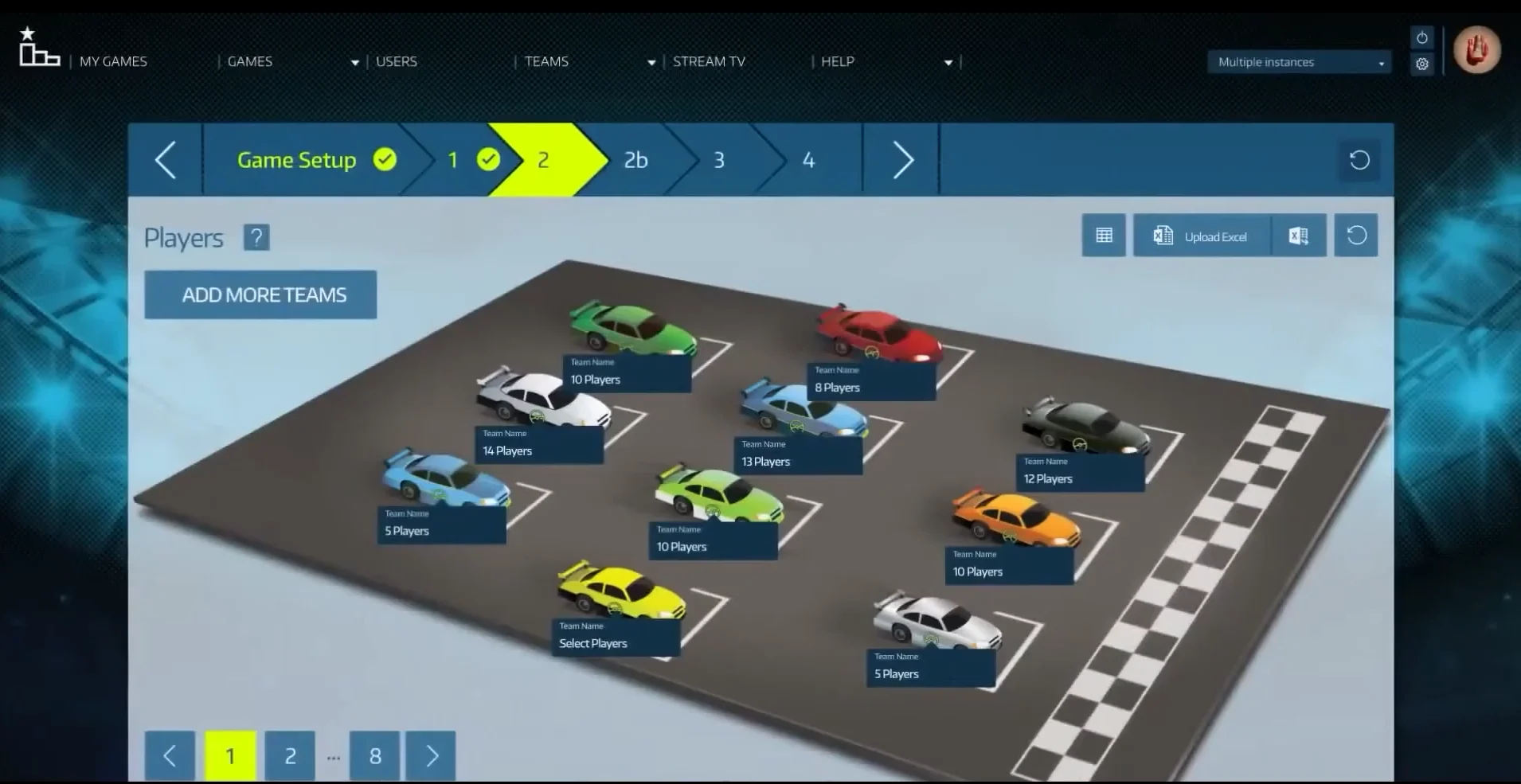
| Ranked contests | Sales department | Growth in conversion and revenue through healthy competition |
| Task rewards | All employees | Better discipline: every action earns a bonus |
| Points and levels | Marketing, customer service | Long-term engagement and a habit of working well |
| Team quests | Project teams | Team spirit and meeting shared goals on time |
| Hidden bonuses | Any department | Interest and positive emotions in routine |
All mechanics are tailored to your business processes. Task completion data is pulled from your CRM automatically, so rewards don't need to be tracked manually. You get a clear motivation system that works toward results.
Stages of AmoCRM Integration and Gamification Setup
Integrating gamification with AmoCRM follows a clear scenario — you don't need to dive into technical details. We guide the project from the first brief to launch and show intermediate results at each stage.
The whole process typically takes two to four weeks, depending on the number of employees and the complexity of the game mechanics.
-
Brief and goals. You describe the business task the game should solve: revenue growth, faster request handling, or greater manager discipline. We define the metrics that will be used to measure success.
-
AmoCRM workflow analysis. We study your pipeline, deal stages, and typical manager actions. This helps identify where gamification will have the greatest effect — you get a motivation plan tied to your CRM.
-
Game scenario approval. We develop the mechanics — points, levels, rewards, competitive modes. You see the game logic before development starts and can make changes so it doesn't conflict with internal policies.
-
Integration setup. We connect the game system to AmoCRM: deal events automatically award points. Employees don't need to enter anything manually — all activity is tracked automatically, and you see statistics in real time.
-
Testing and training. We check scenarios against your data, bring managers in for a trial run, and collect feedback. We make final adjustments to ensure a smooth launch for the whole team.
-
Launch and support. We enable gamification for all participants, monitor metrics, and adjust the balance if needed. We stay in touch after launch — we'll help you develop the system when business processes change.
As a result, you get a working motivation tool built into AmoCRM, without lengthy approvals or downtime for managers. Every stage is transparent, and we take responsibility for the outcome.
What You Get as a Result of Implementation
Implementing gamification in AmoCRM is not just a set of settings, but a ready-made tool for improving sales performance. We hand over a complete package: a game panel, point mechanics, reports, and training. Everything is already included in the project — you just launch it and use it.
Below is the delivery scope. Each item addresses a specific business task: increases engagement, accelerates deal movement, and makes the department's work transparent.
- Game mechanics tailored to your processes — scenarios that mirror your sales or task logic. The employee always sees which action will lead to a new level or reward.
- Progress and leaderboard panel — a visual showcase with levels, achievements, and ratings. Everyone understands their place in the team and what is needed to grow.
- Automatic point awarding — for completed tasks, deals, calls, and other meaningful actions. No manual tracking or arguments about “what the points were for.”
- Activity reports — clear figures for the manager: who engages in the game, who is falling behind, which mechanics produce results. The data updates constantly.
- Training for the team and managers — a short webinar, instructions, and Q&A. Managers start using the system the same day, without downtime.
- Post-launch support — we stay in touch, help set up new mechanics, and answer employee questions. This ensures the system lives and evolves with the business.
After launch, you get not just a “game” but managed motivation: employees strive to meet plans on their own, and you see an objective picture in reports.
Within a couple of weeks, it becomes clear which mechanics boost results, and if necessary, we quickly adapt scenarios to new tasks.
Case Study: How a Retail Chain Increased Sales by 32% in 2 Months
A large retail chain with a hundred locations faced a typical problem: managers were just going through the motions, plans were failing, and the best employees were leaving due to a lack of motivation.
Managers couldn't tell who was actually selling and who was merely faking activity. We proposed a solution at the intersection of gamification and CRM systems.
We integrated the game into daily processes and connected it to AmoCRM. Every manager action — a call, meeting, or deal — earned points and unlocked levels. The interface showed a shared rating and personal tasks, and the system itself flagged who needed support. All data was real-time, with no manual reports.
Within two weeks, teams joined the game: CRM activity increased and the number of successful deals grew. Over two months, the chain's sales rose by 32%. The average receipt also increased by 11%, and turnover almost halved. Most importantly, managers got a transparent picture for each branch.
The development director of the ProdMir chain commented: “We expected an increase in motivation, but didn't think it would affect the money so quickly. People now pull their metrics on their own — the system has become their personal mentor.”
This case shows that gamification is not entertainment but a sales management tool. Integration with the CRM makes the result honest and measurable, and employees get a clear goal and instant feedback. That's why such systems pay off and keep working after launch.
Frequently Asked Questions About Gamification and AmoCRM
Managers often wonder whether gamification will complicate working with AmoCRM or force them to rebuild familiar processes. We answer the most common questions — briefly and to the point — so you understand that the integration is safe, transparent, and doesn't waste extra time.
Will gamification damage data in AmoCRM?
No. The system works on top of the CRM, doesn't change your settings, and doesn't affect the storage of deals, contacts, or tasks. You continue working in the familiar interface, and your data remains under your control.
How difficult is it to implement gamification in our CRM?
We handle all the setup, from planning to launch. Integration takes from a few days to a couple of weeks depending on the number of processes. All we need from you is access during the work and a short interview.
Will the system work if we've been using AmoCRM for years and already configured our processes?
Yes. Gamification adapts to your deal structure and pipeline, not the other way around. We configure tasks, points, and statuses so they fit current manager workflows.
What happens if something goes wrong after launch?
We stay in touch after launch, quickly fix any issues, and adjust settings. Support is included in the contract so you're never left alone with the system.
Order Gamification: Get a System Your Team Will Love
Gamification is not a “reward for good work” but a tool that helps the team see their contribution to the overall result.
Ordering it so the system truly takes hold is no easy task: you need to understand employee motivation, embed the mechanics into processes, and connect everything to AmoCRM. We handle this entirely.
Everything starts with a free audit: we review how your work is organized, where leads get lost, and why employees avoid routine. Based on that, we propose a scenario that fits the current logic rather than breaking it. When you order, you get:
- Free process audit — we determine which actions need motivation and how that will affect revenue and work speed.
- Clear implementation plan — you see stages, timelines, and responsible people, not an abstract “we'll do something.”
- Integration with AmoCRM — leads, deals, and tasks automatically become a source of points, levels, and statuses for employees.
- Team training — a short workshop after which employees understand the system's benefits and start using it from day one.
- Post-launch support — we answer questions, help with settings, and refine mechanics when a business process changes.
Order a free audit — within 2–3 days, we'll show how gamification will speed up request processing and boost team loyalty. Leave a request on the website, and we'll start by analyzing your processes.
How to Choose a Gamification Format for Your Business?
The answer depends not on trends but on which business task you want to solve: accelerate sales, reduce employee training time, or increase customer loyalty. For sales departments, competitive mechanics work best — ratings, stages, prizes.
For training — levels, badges, and scenarios with instant feedback. For customers — loyalty points and statuses that encourage repeat purchases.
For the chosen format to bring real value, the system must “speak” the language of your processes. We build gamification on data from your CRM, including AmoCRM: player achievements are calculated automatically — from new leads to closed deals. This means you see the effect in numbers, not just “for show,” and can adjust the game on the fly.
That's why we don't offer off-the-shelf solutions at the start; we conduct a short audit: which stages need strengthening, who the participants will be, and which metrics will be the game's goal. The format, complexity, and launch timeline depend on this.
For a department of ten managers, a simple rating with prizes is enough; for a chain of locations, team mechanics with a shared hall of fame work better. We choose what will work in your specific situation, without paying extra for unnecessary features.
So the right format is one that your employees and customers actually use, and the business sees growth in key metrics. Leave a request for a consultation — in a single call, we'll help you choose a format for your tasks and connect it with AmoCRM data.