

Customers Are Leaving: How Instant / Web Games Win Back Audience Attention
Modern audiences are overloaded with ads and monotonous content: a visitor lingers on a page for a few seconds and leaves for competitors. Static banners and boring descriptions no longer work — people need interactivity, emotion, and a reason to come back.
That is why audience engagement is becoming the top priority for businesses that want to retain customers and increase revenue.
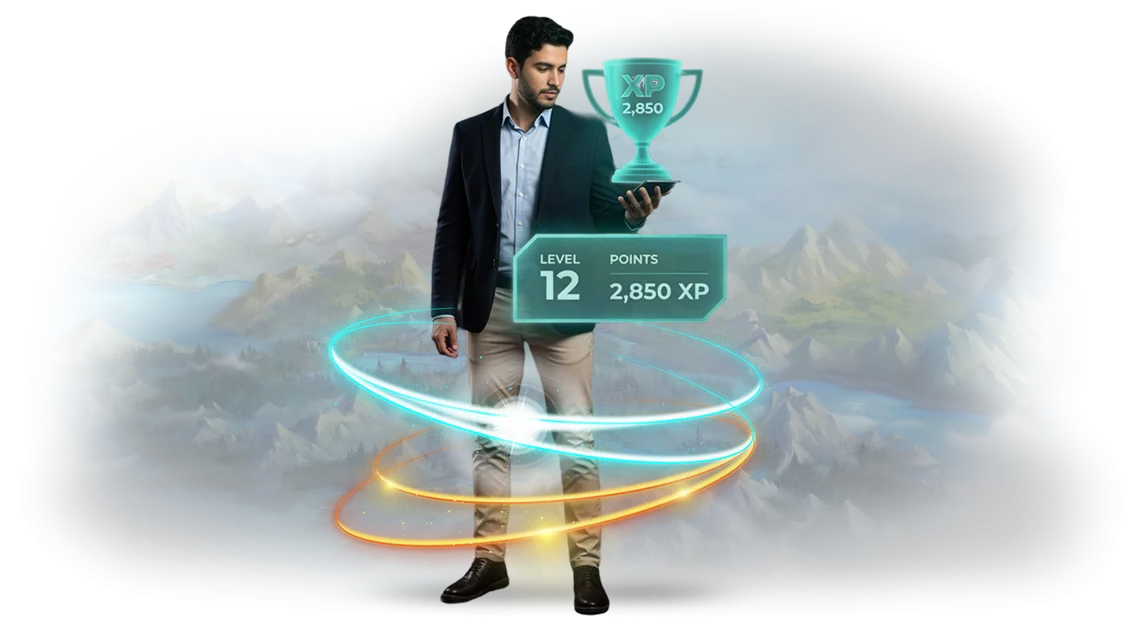
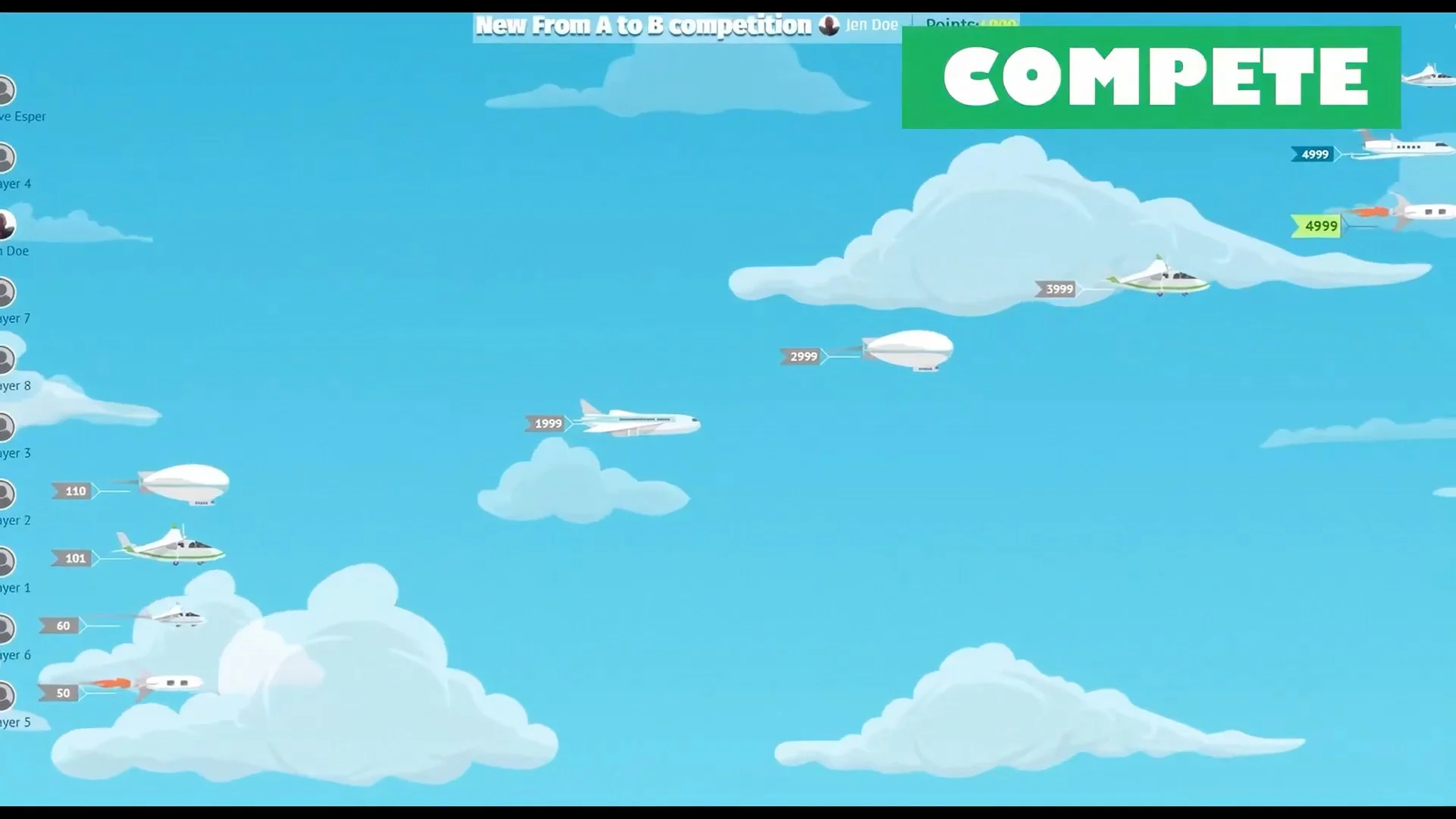
Business gamification solves this problem: game mechanics turn ordinary interaction with a product into an engaging process. Interactive games capture attention and make the user participate, not just browse the page.
A person remembers the emotion, shares it with friends, and returns again for a new experience — so customer retention grows without additional advertising spend.
We develop such game scenarios for specific business objectives: from quizzes and lotteries to full-fledged mini-games that engage the audience and deliver measurable results.
At the core is an understanding of customer behavior and refined tools that let you launch the mechanics quickly and without failures. As a result, you get not just entertainment but a working tool that wins back audience attention and increases conversion.
What Gamification Delivers: Engagement Growth, Leads, and Loyalty
Gamification is a tool that turns routine brand interactions into an engaging experience. Game mechanics subtly involve the customer, creating emotions that stick and work for your business.
Engagement growth is the first benefit you will feel right away. Instead of passively viewing a page or brochure, the customer becomes a participant: they clear levels, complete tasks, and earn rewards.
This format holds attention much longer, which means your product’s message will definitely be heard.
Lead generation is the second strong point of game mechanics. A game lets you collect contacts and requests without intrusive forms: the participant voluntarily leaves their data to receive a prize, unlock a bonus, or continue the game.
These contacts are warmer than usual — the person has already shown interest and is ready for a conversation.
Increased loyalty is the third reason to implement gamification. When a customer enjoys the process, they come back again and again.
Systems of points, levels, prizes, and competitions create a habit of choosing you over competitors — this directly increases the share of repeat orders.
Brand awareness is the fourth effect that triggers automatically. A good game is a reason to share the result with friends and colleagues. Participants themselves spread the word about you on social networks and messengers, and you get free reach that grows through the chain.
All these benefits add up to one system: you increase engagement, fill the funnel with leads, strengthen loyalty, and expand awareness — and together this leads to revenue growth.
Gamification pays off not only through direct sales but also through long-term customer relationships.
Formats of Instant / Web Games for Different Business Tasks
There are no universal games: what engages one audience leaves another indifferent. Therefore, we choose a format for a specific business task — from a short quiz to a multi-stage quest. Each option delivers measurable results if the goal is correctly defined.
All formats launch instantly in the browser — the user does not need to download or install anything. This lowers the entry barrier and increases the share of completed scenarios, and therefore the conversion of your ad or promotion.
| Format | Who it’s for | What it gives the customer |
|---|---|---|
| Quiz | Companies with a broad audience, educational and awareness projects | Engages the audience, helps collect contacts and test knowledge without boring testing |
| Prize draw ("wheel of fortune") | Shops, cafés, salons — anywhere repeat visits matter | Creates excitement, increases customer returns, and triggers public brand mentions |
| Interactive simulator or quest | Banks, insurance, complex products and services | Clearly explains the product, guides the user to an application without pressure or excessive explanations |
| Lottery / instant prize | Online stores, affiliate programs | Gives an instant reward for an action, holds attention, and increases order volume |
The key is not the mechanic itself, but how well it aligns with your audience’s motivation. We’ll advise which format will work in your case and design the game around your business logic.
How We Launch a Gamification Project in 7 Steps
Understood. Below is the body of the h2 section for the process role (development stages) in markdown, without an h2 heading, in the required tone and with a numbered list. Length ~1250 characters.
--- To keep gamification launch from becoming a “black box,” we work through a transparent 6-step process. You always know what stage the project is at, what’s already done, and what comes next. No surprises with deadlines or budget.
Development stages
- Brief and goal analysis. We define what business task the game solves: increasing repeat orders, engaging employees, or increasing time spent on the site. We identify the target audience and success metrics.
- Prototype and scenario. Our engineers and designers create the concept: game mechanics, storyline, reward system. At this stage, you see how it will work and can make changes before development begins.
- Design and approval. We prepare the visual style: interface, characters, animations. You receive mockups, approve them, and only then does the team start building.
- Development and testing. We build the game on a professional stack and test it on different devices and browsers. We fix bugs before your users ever see them.
- Launch and integration. We deploy the game into your system — on a website, an app, or a corporate portal. We set up data collection and integration with your CRM so you see results in clear reports.
- Support and growth. After launch, we monitor operational stability, update the mechanics based on user feedback, and add new levels or rewards. You get not a one-off project but a working tool.
Project management
From your side, we need one responsible person who makes decisions at key points. We handle all the rest of the work — from task setting to deadline control. We send a project progress report once a week and respond in chat during the business day.
This approach allows us to launch gamification in 4–6 weeks, depending on complexity. At the same time, you always understand what you are paying for and what result you will get at each step.
Start with a free brief — in 30 minutes we will analyze your task and suggest a suitable game format.
What’s Included in the Delivery: A Kit for Launch and Growth
You get not just a game, but a working tool for engaging customers and employees. The kit includes everything you need to launch gamification and get measurable results: from a ready-made scenario to data for improvements.
We tailor the delivery to your goals — from launching a promotion to consistently growing repeat orders.
Here’s what’s included in the delivery:
- A ready-to-launch game for your task — for a promotion, training, or increasing loyalty. The mechanics are adapted to your audience, so you put the project into action right away, without lengthy setup or refinements.
- Project results in numbers — a report on reach, engagement, repeat contacts, and conversion to the desired action. You see the effect of gamification, not just “the game is live.”
- Game analytics — a clear dashboard showing who participates, what stages they complete, and where participants lose interest. This is the basis for decisions: what to strengthen and what to rework.
- Customer support — we support the launch, answer your users’ questions, and quickly make edits. You don’t have to deal with technical details on your own.
- Updates and improvements — based on analytics, we add levels, rewards, and new scenarios. The game grows with your business, and participants keep coming back.
- Training materials for your team — you’ll be able to run promotions and adjust scenarios for different campaigns on your own, without involving developers.
Case: How a Game Increased Repeat Purchases by 30%
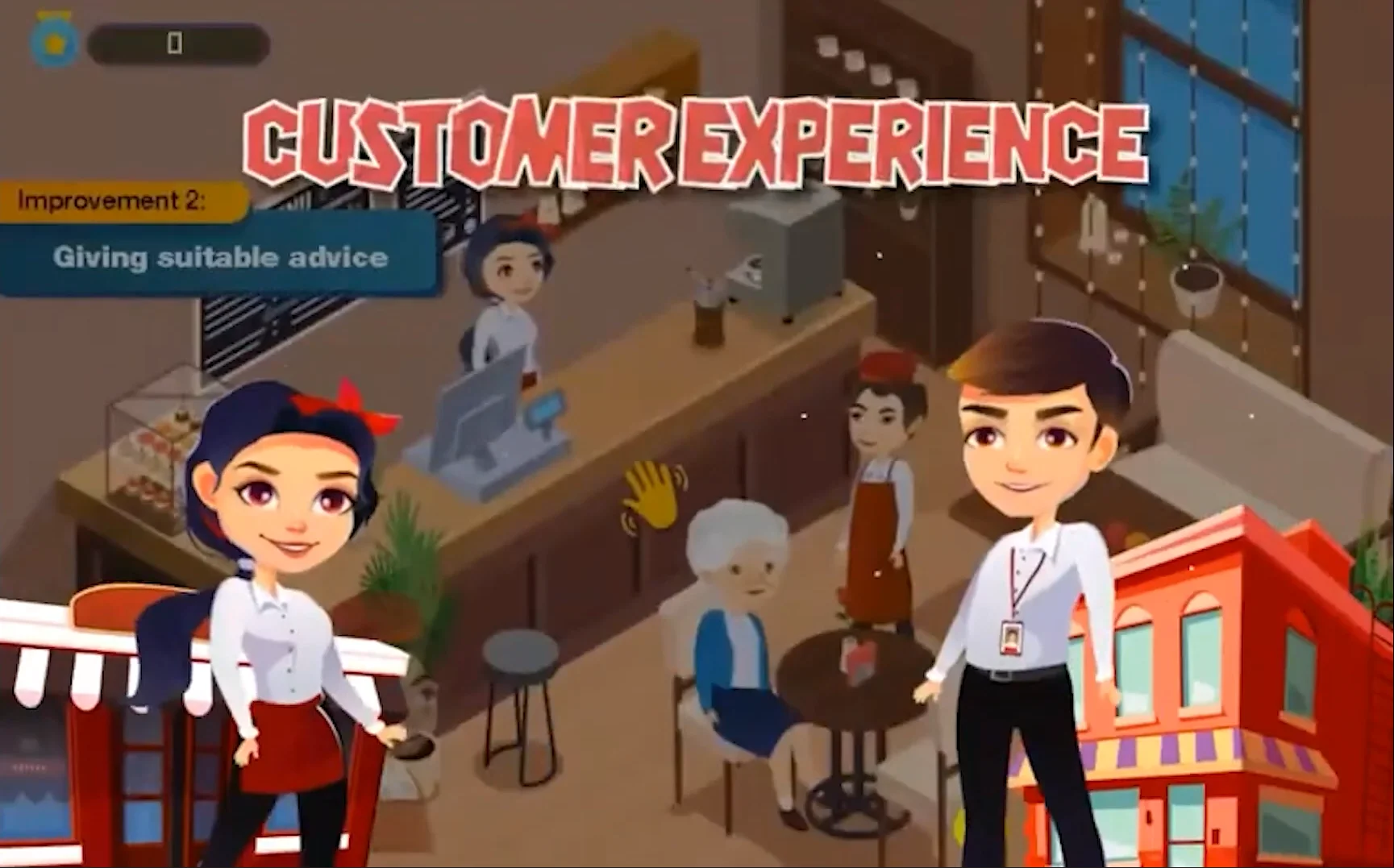
A common story from retail owners: there are many visitors, but most come only once. Discounts work worse and worse — regular customers wait for the next promotion, and new ones don’t stick around. A coffee shop chain came to us with the task of turning one-time visitors into regulars.
We proposed gamifying the purchase: after the receipt, the guest opens an instant web game where they are guaranteed a bonus — from a free drink to a discount on the next order. No apps or registrations: the game launches via a QR code on the receipt or at the checkout.
For the customer, this means simplicity; for the brand, instant contact with the guest at the moment of purchasing emotion.
The results exceeded expectations: a month after launch, repeat purchases grew by 30%. One in four game participants returned within two weeks — before the promotion, that figure did not exceed 10%.
The average check of participants grew by 12% because the bonus motivated them to get a larger drink or add a dessert.
“We tried coupons and loyalty programs, but only the game gave measurable growth without endless discounts. Guests talk about it to each other on their own,” comments the marketing director of the “Vash Kofe” chain.
The project was launched in three weeks on our instant-game platform and paid for itself in the very first month.
Today we replicate this approach for manufacturers, online services, and events: the mechanics can vary — from a “wheel of fortune” to collectible cards. Importantly, the game works as part of the regular checkout process and does not require additional staff training.
How to Choose the Right Game Format for Your Task?
Choosing a game format starts not with technology but with a question: what should the game change in your business? If the goal is to attract new customers and collect their contacts, short quizzes and trivia games that capture attention in the first seconds will work.
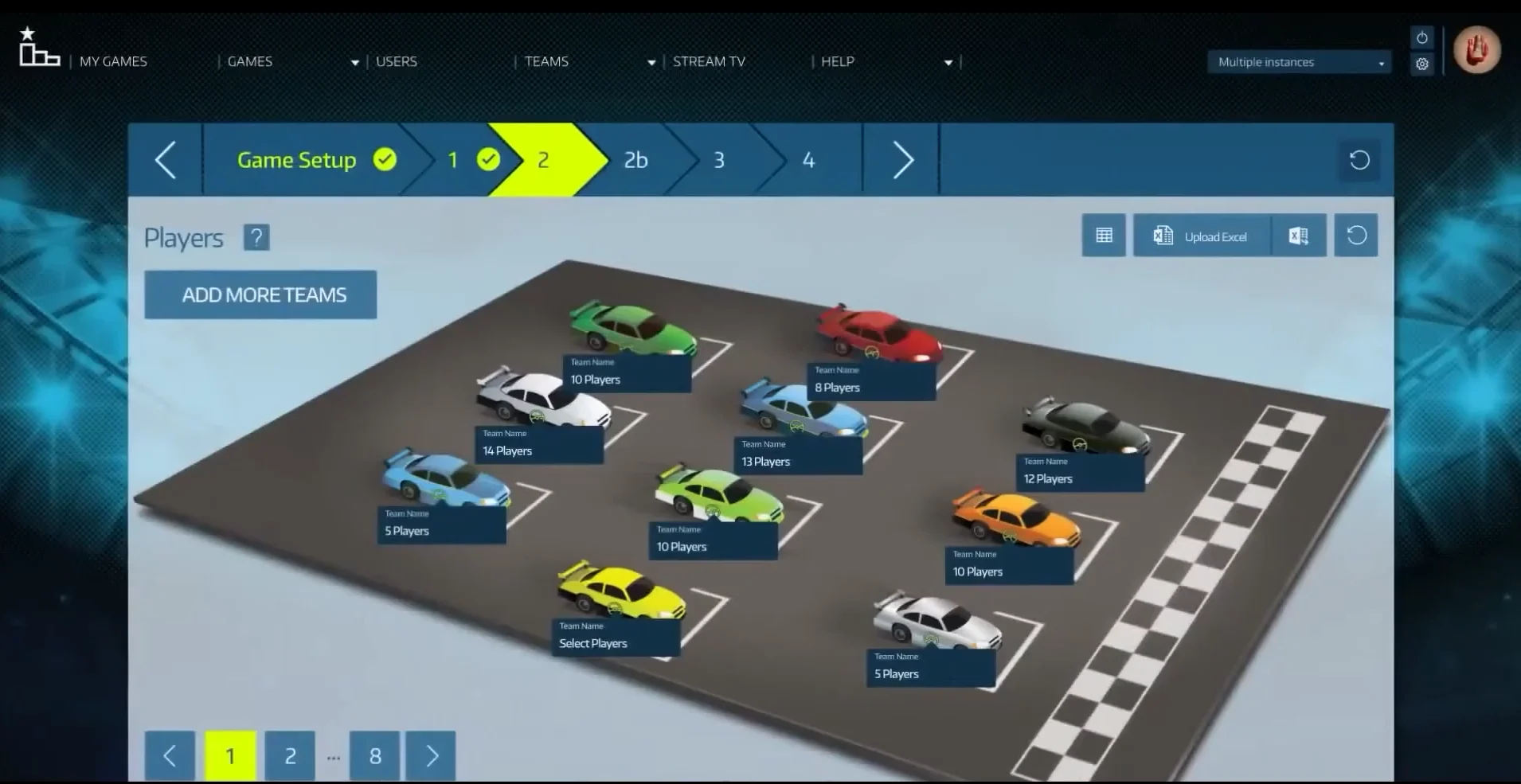
If you need to retain existing users and increase their activity, the best option is multi-level contests with accumulating points and rewards, where interest grows with each stage.
We help you decide on the format before development begins so you don’t overpay for unnecessary features. During the initial consultation, our engineers ask a few questions about your audience, budget, and desired outcome, then suggest 2–3 suitable scenarios.
You see what the customer gets in each option: expected reach, how much time users will spend in the game, and what actions they will take after it. This approach lets you choose a game that solves exactly your problem — without abstract “innovations” or extra costs.
It’s important to understand: there is no universal game that suits everyone. A quiz with a prize for registration won’t replace a long-term loyalty program, and a complex multi-step contest will scare off casual visitors.
We tailor the mechanics to your funnel — from simple engagement to deep customer education about the product — and explain how each format affects business metrics.
The final decision always stays with you. We provide a transparent comparison in terms of reach, implementation time, and budget, and after launch we show how the game performed. Describe your task in two sentences — and we’ll offer an option that suits you.
Frequently Asked Questions About Implementing Game Mechanics
Any new mechanic raises questions: how long it will take, what it will cost, and whether it will disrupt current processes. That’s normal — we’ve analyzed dozens of projects, and below we address the most common concerns so you can see the real picture with figures and timelines.
How much time does the launch take?
It usually takes 3–5 weeks from idea to working mechanics. A simple format — a quiz or a prize bank — we launch in three weeks; a full-fledged game platform with levels and prizes can take up to a month and a half.
We fix the timeline in the contract and report by stages, so from day one you can see when the game will be ready and when to expect the first results.
How much does it cost?
The cost depends on the format. A basic mechanic with a single scenario — cost calculated after audit. A platform with levels, a reward system, and a personal account — cost calculated after audit.
We start with a simple version and expand it as engagement grows. We provide an exact estimate after a short description of the task — free and with no obligations.
Isn’t this too complicated for our industry?
Gamification can be adapted to any industry — from retail and food service to corporate services and education. We don’t use ready-made templates; we design the mechanics around your processes and audience.
We take on the technical risks: we work out the scenario, integrate with your customer management system or website, and test with real users. You don’t need to hire additional developers.
What guarantees and support do you provide?
The warranty on the mechanics is 6 months from launch. During this period, we fix any bugs for free and help with setup.
After launch, you can purchase support — from a small package to full maintenance with content updates. We provide documentation and train your team so you can manage the game without our help.
Order Turnkey Gamification Development
Gamification of business processes is not just a game, but a tool that increases employee engagement, accelerates training, and boosts sales.
But to deliver results, you need not only a creative idea but a systematic approach: task analysis, the right mechanics, and a launch without firefighting. That’s exactly how we work — so when you come to us for gamification services, you get a turnkey solution.
We start by diving into your situation: we look at where attention is lost, what prevents you from hitting targets, and we design a game that solves a business problem rather than simply entertaining a customer or employee. As a result, gamification works to grow metrics: conversion, loyalty, and task completion speed.
What you get when you start working with our team:
- Turnkey solution: from idea to launch — you only spend time on stage approvals.
- A project built for your business: the mechanics are born from your tasks and specifics, without templates.
- Clear stages and deadlines: you see the work plan and understand what is happening at each step.
- Guaranteed result: we test the mechanics with real users and refine it until it works.
- Post-launch support: we stay in touch and help develop the game further.
- Transparent reporting: you always know which metrics have grown and how it affects the business.
Order turnkey gamification development right now — we’ll start with a free review of your task and suggest a format that suits you. We take on all risks and are accountable for the result.