

Why Microsoft Project Online Doesn't Boost Team Efficiency
Microsoft Project Online handles planning well: tasks are assigned, deadlines are set, and the manager can see statuses. But the team still misses deadlines, and efficiency doesn't grow. The manager has to constantly remind people, nag them, and check statuses manually.
This eats up time that could be spent on business development. The tool controls the process, but it doesn't influence employee motivation.
People see a list of tasks and dates, but they don't understand why they should complete them faster or better. The feeling of being controlled reduces team engagement, and routine tasks become a mere formality. There's task control, but no engagement—that's an area for growth.
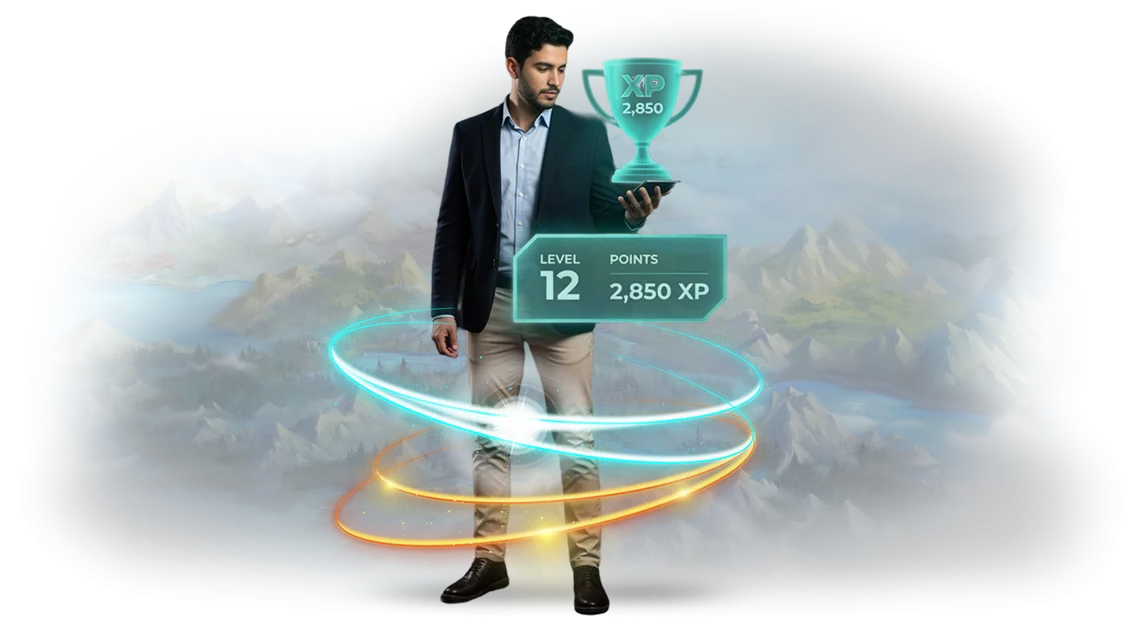
We close that gap: we overlay a gamification system on Microsoft Project Online data that turns planned targets into a game employees can understand. Tasks stay in the familiar system, but the team gains goals, points, and live feedback.
Employees see their contribution to the overall result, compete, and receive recognition—team engagement grows without administrative pressure. Team efficiency improves not through strict control, but through an inner desire to win. As a result, deadlines are met more often, and the manager stops being a “warden.”
What Business Process Gamification Delivers: 5 Measurable Results
Gamification turns routine into a game with clear rules and rewards. For a business owner, it's not entertainment but a management tool: it makes team efforts visible and converts them into measurable indicators.
We've built this mechanism into processes tied to Microsoft Project Online so that every result appears in the system automatically, without extra manual reports.
First result—higher engagement. Employees stop working just because they're forced; they develop competitive excitement and a desire to finish tasks better than others.
You can measure this by the trend in completed tasks and reduced idle time—typically, engagement grows by 20–30% within a month.
Second result—task transparency. Instead of endless status meetings, the team sees overall progress in real time. The Microsoft Project Online integration automatically captures every step, so the manager gets an honest picture without manual report gathering. This saves managers hours every week.
Third result—meeting deadlines. Gamification ties on-time delivery to ratings and rewards, so missed deadlines become disadvantageous for the team itself.
The percentage of tasks delivered on time is the most obvious metric: on our projects, it grows by an average of 1.5 times during the first quarter.
Fourth result—teamwork. Joint challenges and shared goals reduce conflicts and finger-pointing. Colleagues start covering for each other, and this can be measured by problem resolution speed and the growing number of successfully completed cross-functional projects.
Fifth result—lower employee turnover. Engaged employees are less likely to look for another job.
For the business, this is direct savings on recruiting, training, and lost expertise—according to our data, surveyed managers report that resignations drop by as much as half after gamification is launched.
Add these five indicators together, and you get a cost-effective system: less wasted time, fewer missed deadlines, and higher team loyalty.
You're not just getting a “nice gimmick”—you're getting a manageable mechanism whose results are visible in numbers and clear at the management level.
Formats for Implementing Task Gamification in Project Online
Different teams need different levels of engagement: some just need to bring a familiar task table to life, others need to rebuild motivation across the entire company.
That's why we offer three gamification implementation formats for Project Online—from a quick start to a full transformation of work rhythms. Each option is tailored to your structure, accounts for team size, and doesn't require employees to change the tools they're used to.
| Format | Who it's for | What it gives the client |
|---|---|---|
| “Game Layer” | Small teams and departments | Quick launch, higher completion of current tasks, clear motivation |
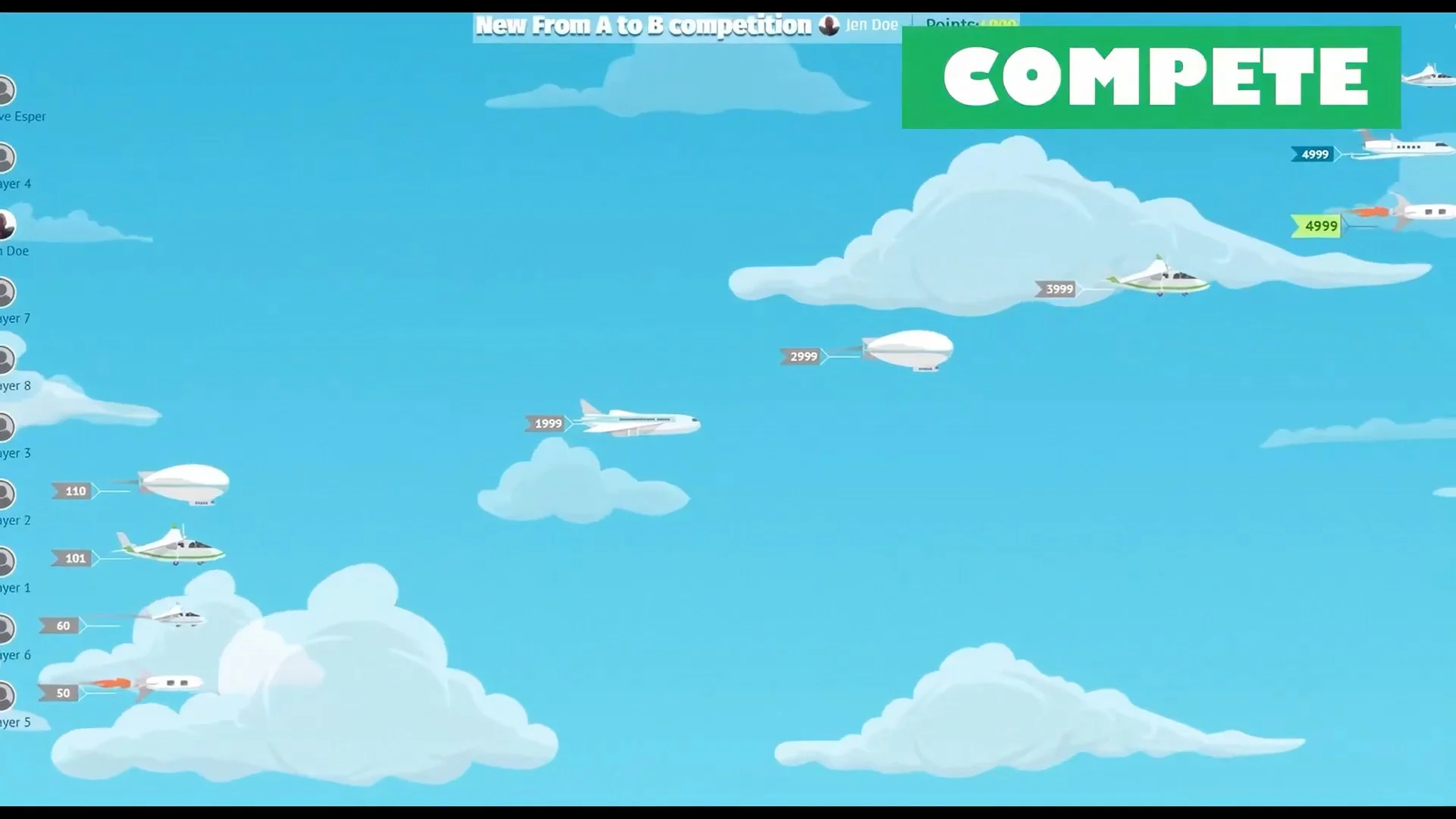
| “Competition” | Departments with repetitive processes: sales, service, contractors | Achieving targets through competition, transparent ratings, less time spent on control |
| “Full Integration” | Companies that need a single motivation hub | Gamification across all Project Online processes, automatic rewards and statistics collection |
Implementation doesn't disrupt familiar workflows: employees keep working in Project Online, and game mechanics automatically convert deadlines, milestones, and statuses into points, levels, and badges.
Every participant sees their own contribution and growth areas, while the manager gets a live view of workload without manual summaries.
For any format, we prepare clear game rules, guide you through the launch, and help adapt the system to your specific needs. Once it's live, you receive regular reports on how gamification affects task completion speed and engagement—not just tick-box statistics.
How the Project Works: From Brief to Launch in 5 Steps
We work according to a transparent process: you always know what stage the project is at and what comes next. No surprises—only agreed steps, clear timelines, and a verifiable result.
- Brief and call. We discuss your objectives, audience, and how you see gamification working inside Microsoft Project Online (or alongside it). We lock in the goals: higher engagement, faster reporting, stronger discipline—whatever matters specifically to you.
- Analysis and plan. We study your current processes and find the points where gamification will have the greatest impact. We prepare a framework: which employee actions will be rewarded, how points are calculated, and what leaders get. We agree on the plan before work begins.
- Mechanics sign-off. We show you a prototype or mock-up of the future system: rules, levels, rewards, progress display. You make edits—we adjust. At this stage, you know exactly how everything will work.
- Setup and integration. We configure gamification according to your rules and connect it to the tools you use. You get a working system that collects data on employee actions and automatically awards points.
- Launch and training. We launch the system and help employees adapt: short instructions, Q&A, first results. We support you for an agreed period—until the system becomes second nature.
- Support and development. We look at real metrics and discuss what can be improved. If needed, we add new game scenarios, make levels more challenging, or roll the system out to other departments.
The whole journey takes 2 to 6 weeks depending on scope. You get a predictable process: every stage ends with a concrete result you can accept or adjust. This approach eliminates wasted spending and gives you confidence that gamification will work specifically for your business.
What's Included in the Deliverable and How We Hand Over the Result
We hand over the completed project as an integrated tool, not a set of files. You get everything for daily operation, from game scenarios to employee instructions. This avoids “handover by word of mouth” and lets you launch the system on the very first day after implementation.
The package includes:
- Game mechanics tailored to your processes. Scenarios, levels, point and bonus rules—all defined and approved with you at the brief stage, not left to chance.
- Microsoft Project Online integration setup. Tasks and milestones are automatically pulled into the game; employees don't need to switch between systems or spend time on manual entry.
- Clear documentation. Short instructions for administrators and users: cards, checklists, videos without technical jargon. Any employee can master it in one evening.
- Training for your team. We run a live session for administrators and record lessons so new employees can get up to speed without the manager's involvement.
- Contractual guarantee. We commit to launch dates and fix any defects free of charge for an agreed period after go-live. No “this turned out to be harder, so pay more” surprises.
- Technical support after launch. We answer questions, help with configuration, and ensure the system runs stably even under peak load (for example, during large-scale campaigns).
- Reports for management. We show employee engagement, activity, and key process metrics—you see the effect in numbers, not “by eye.”
After handover, you're left with a working system and a team that knows how to use it. The process itself takes two to three weeks: during that time, we test the mechanics on your data, train people, and help you run the first launch without hiccups.
Case Study: How a Team Accelerated Project Delivery by 30%
When projects slip, it's not the plan that's to blame—it's the people. The manager spends time on control instead of development, and deadlines keep slipping. Turn the work into a game with clear goals and fast feedback, and the process starts accelerating on its own.
We did this for a company that managed a project portfolio in Microsoft Project Online. Instead of dry statuses and endless reports, we added game mechanics: levels for each stage, shared team progress, and rewards for completing tasks on time.
The system showed who was holding up the work and suggested how to catch up, and team members started competing for speed.
Results in Numbers
Within two months, project completion times fell by 30%. The share of tasks delivered exactly on time grew from 60% to 92%, and the number of overdue tasks per employee dropped threefold. The team didn't change, the budget didn't increase—only the motivation system changed.
“We used to think our employees were burned out,” shared the department head. “It turned out they just lacked the competitive spark. The game mechanic cut the average project cycle by a third, and now the team asks for new goals on its own.”
Gamification embedded itself into the existing project management system without replacing any tools and began working right away. Tell us about your challenge—we'll select mechanics for your process and show you exactly where to find the extra speed.
How to Choose the Right Format for Your Goal?
Choosing a gamification format starts not with technology, but with the business objective.
Clearly define who needs to be engaged, what employee behavior should change, and what result you want to see in numbers—for example, shorter project phase timelines or a higher number of reports submitted on time.
These criteria determine whether it's a competition, an individual motivation system, or a learning scenario.
We identify three standard formats that cover most client needs:
| Format | When to choose | What it gives the client |
|---|---|---|
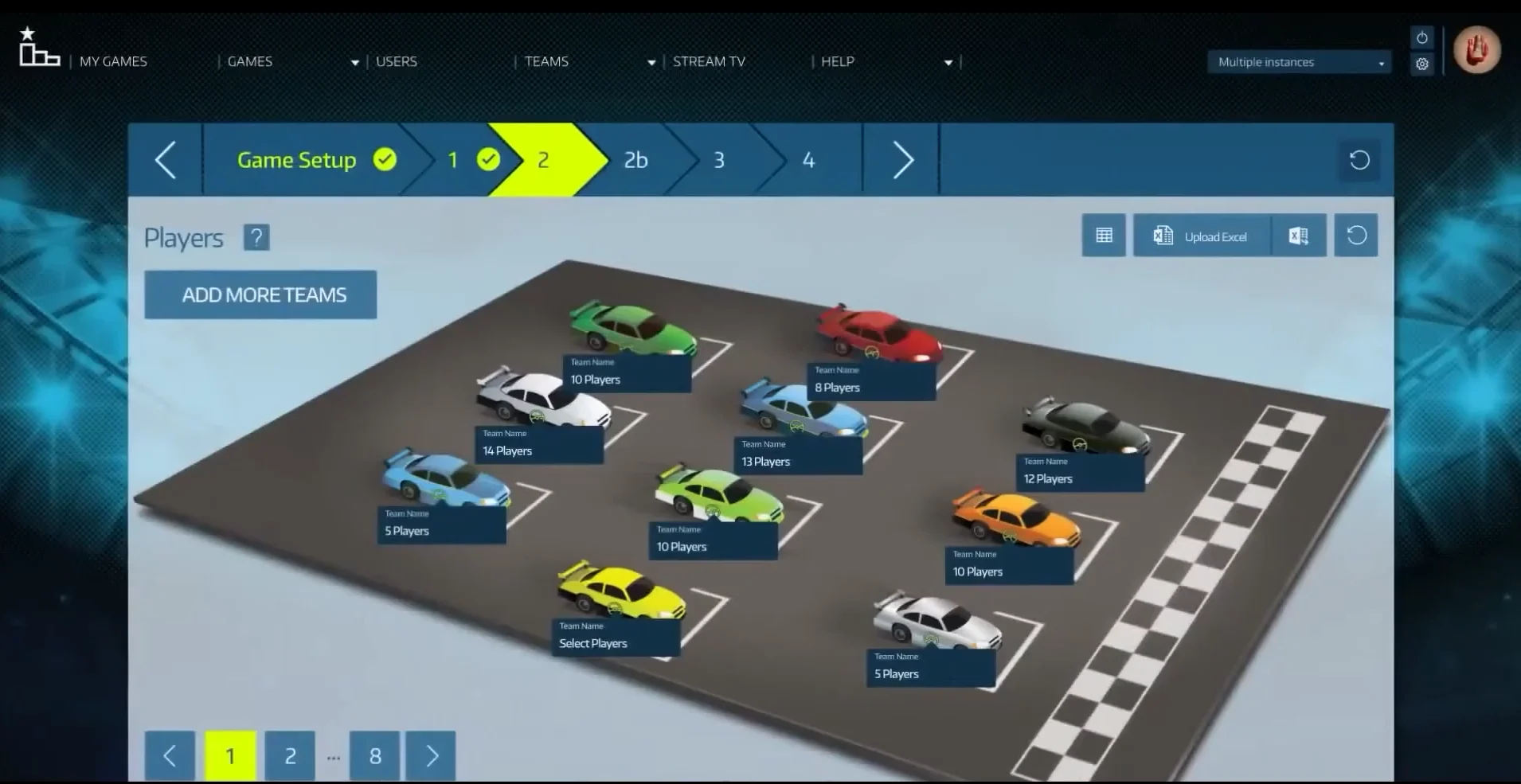
| Team race | When you need to accelerate plan execution or motivate departments | Visible progress, competitive spirit, fast achievement of target metrics |
| Individual rating | When personal engagement and quality of repetitive tasks matter | Transparent assessment of contribution, stronger performance discipline |
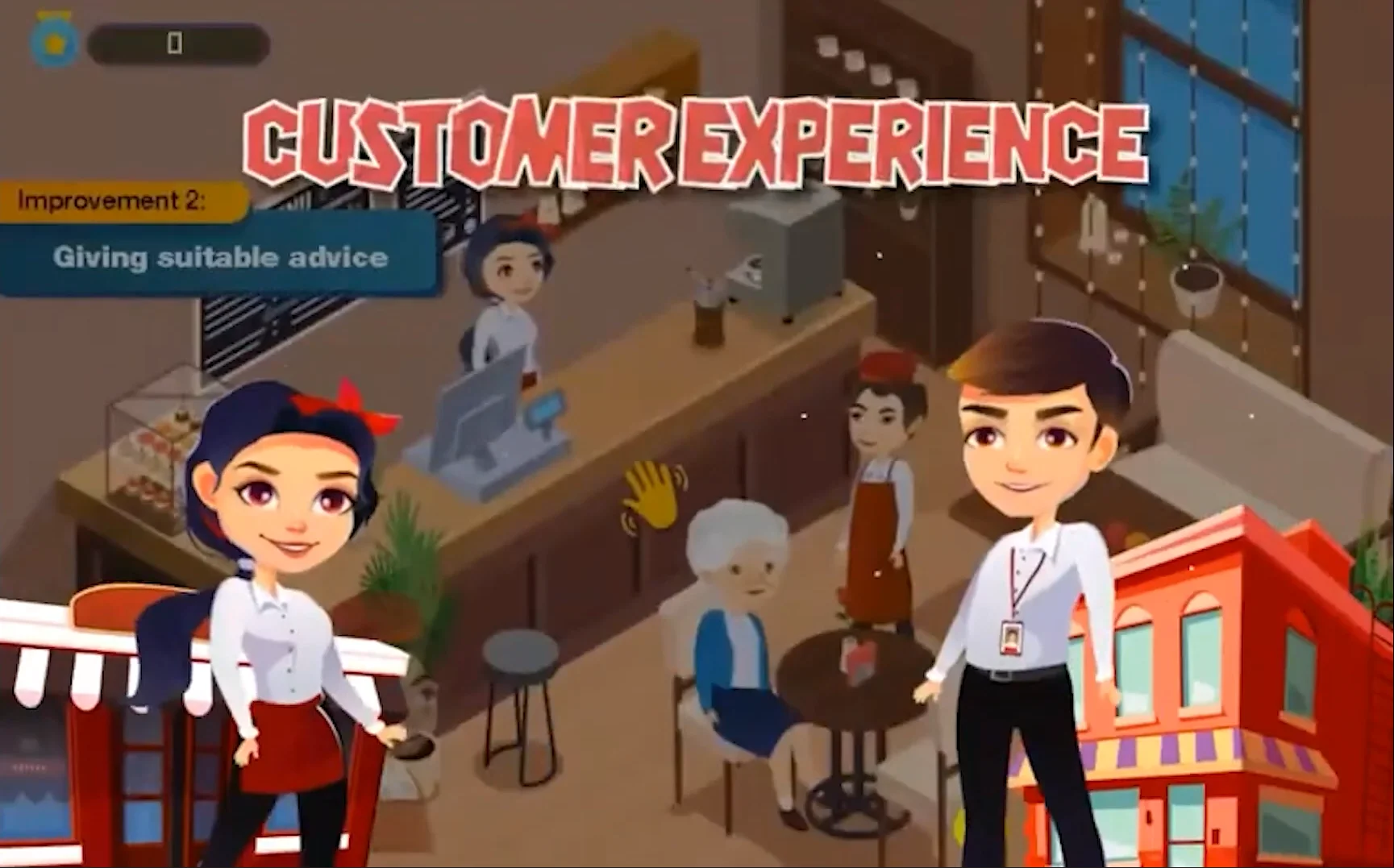
| Learning quest | When you're rolling out new processes or onboarding new hires | Faster adoption of procedures, fewer errors and fewer questions for the manager |
The key is that game mechanics are tied to real data. With Microsoft Project Online integration, we set up automatic transfer of task statuses, deadlines, and milestones into the game system.
This way, employees see how their project progress affects points and levels, and the manager gets an accurate picture without double entry.
If you're unsure which format is right for you, send us a description of your process or call. We'll recommend a solution based on your criteria and show you how it would work with your data. It's free and non-binding.
Common Concerns: What If Gamification Doesn't Work?
Doubts are normal: you're investing time and budget, and the key question is whether employees will accept the change. Gamification is often imagined as “sticking badges on people,” which wears off after a week.
But this isn't about toys—it's about helping people see progress and feel the results of their work. That's why we design motivation around your team, not abstract templates.
Integration with Microsoft Project Online is an advantage here: game mechanics are embedded into the familiar planning tool rather than forcing people to relearn.
Employees continue managing tasks in a system they know, and gamification adds transparency: who did what, what contribution was made to the overall result, and how much remains to reach the goal. This reduces resistance from the very start.
What if employees don't accept the change?
What if the team ignores the gamification?
This happens when the mechanic is imposed from above without considering real tasks. We start with a short pilot launch on one group: we see what resonates, adjust the scenario, and only then scale.
Plus we create quick wins—first results are visible within the first week, and that's the best argument for everyone else.
What guarantees are there that it will work?
We're financially accountable for the result. Most of the payment is due after you see the improvement: higher task completion, shorter timelines, less downtime. If metrics don't improve, we refine the configuration free of charge.
For this purpose, we agree in advance on the metrics that matter to you—from report delivery speed to the amount of overtime.
Won't we spend time on complex setup?
On your side, all you need to do is approve the brief and assign a point of contact. We handle all the technical side—integration with Microsoft Project Online, configuration of levels, rewards, and notifications.
The average implementation timeline is two to three weeks, depending on scope. After that, you get a ready-made system with support and the ability to change the rules of the game without involving developers.
This is exactly why we offer transparent terms: you pay for the result achieved, not for “implementation for implementation's sake.” If gamification doesn't have an effect, we refine it or return part of the payment. This approach removes risk and lets you ease through the adoption phase: your team gets support, and you get measurable value.Order Gamification Development for Your Business Process
Ordering gamification for your business process is the first step toward greater engagement from employees and customers. Submit a request: we'll get back to you within one business day, provide consultation, and prepare a preliminary cost estimate.
We work transparently and in stages so you can see results at every step. Here's what happens after you contact us:
- Request — you leave your contacts or describe your task.
- Consultation — we discuss goals, audience, and metrics.
- Cost estimate — we set the budget and timeline with no hidden extras.
- Solution approval — we show you the scenarios and game rules.
- Development — we build the mechanics, design, and integration, including Microsoft Project Online.
- Launch — we test, train the team, and put the system into operation.
- Support — we stay in touch and refine the mechanics.
After your request, you receive:
- a personal consultation on your task;
- a preliminary estimate of cost and timelines;
- recommendations on suitable mechanics;
- a clear plan for integrating with your systems;
- project examples for your industry;
- an assessment of impact and return on investment.
Don't put it off—submit a request. It's non-binding, but it gives you an understanding of how gamification can work for your process.