

Punching the Clock in SAP: How Gamification Brings Back the Drive
Every day an employee logs into SAP, fills in the same fields, makes postings, and closes tasks — without seeing any meaning or personal growth behind it.
Work turns into mechanically "sitting out the hours": eyes glaze over, hands remember the hotkeys, and attention drifted to personal matters long ago.
For business, this is a quiet loss of money. A disengaged employee makes mistakes in documents, drags out approval deadlines, and fails to notice anomalies in processes.
Burnout-driven turnover hits the budget, and managers get reports that don't reflect the real picture — people are "present" in the system but not actually working in it.
The problem isn't the tool. SAP does its job, but it wasn't built to sustain human motivation. The employee's emotional resource stays behind the scenes — and that's exactly where the growth opportunity lies.
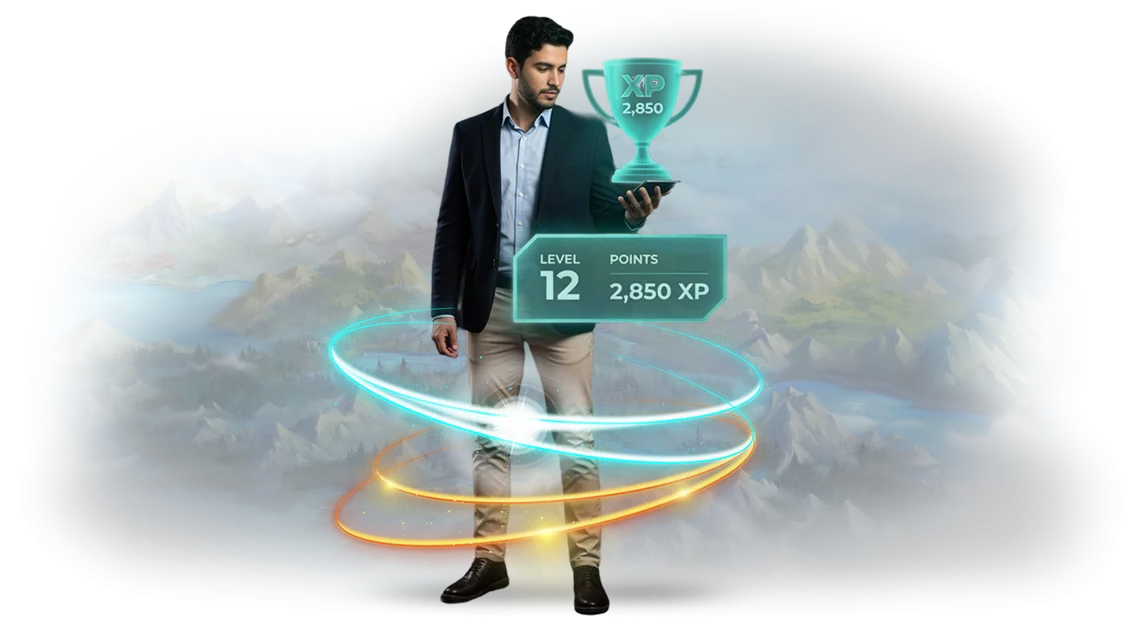
Gamification brings back the drive without breaking familiar processes. We embed game mechanics directly into the SAP interface: employees see their progress, understand their contribution to the overall result, and get instant feedback instead of once a quarter.
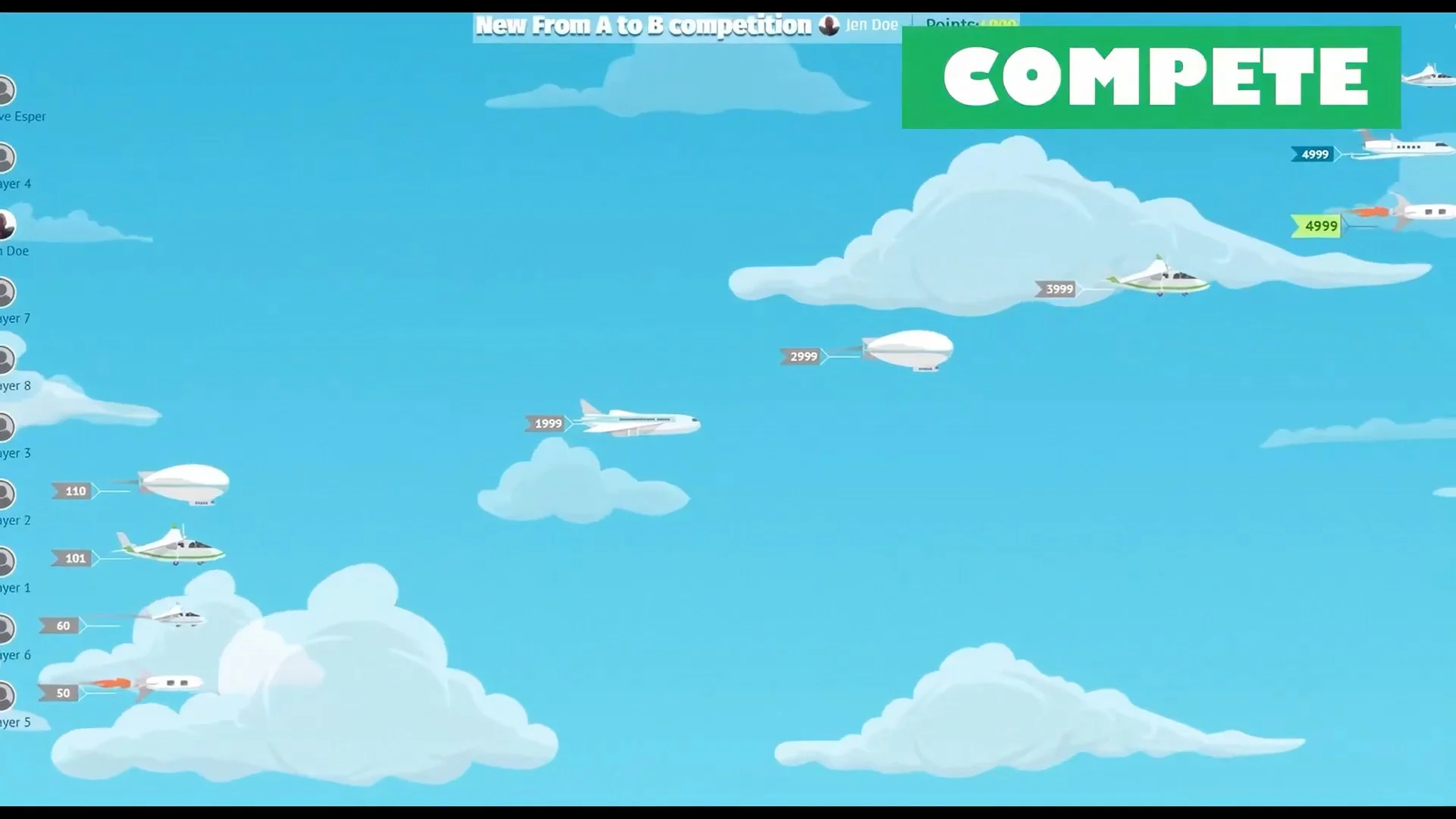
Routine operations turn into levels, challenges, and rewards — competing with yourself and your colleagues becomes a natural part of the day.
In the end, you get not "fun badges" but managed engagement: fewer errors, faster request processing, higher staff loyalty. Employees start to see meaning in every action, and managers see the team's real activity.
We solve this pain point: we tailor gamification to your business processes and integrate it with SAP so the system works for motivation, not against it.
What Changes Business Will Feel After Implementing the Game
After gamification is implemented, the changes show up not in the interface but in the numbers and the team's behavior. You stop flying blind — instead, a system appears that daily shows how effectively each department works and which actions move the company toward its goals.
KPI growth is the first tangible result.
When routine tasks turn into a game with clear rules and rewards, employees themselves strive to complete the plan faster — not just because they "have to." Engagement grows because people see their progress and contribution to the overall result.
Gradually this becomes a habit, and systematically repeating successful actions lifts the key metrics of departments and the business as a whole.
Employee training stops being a boring chore. Scenarios, difficult-situation practice, and knowledge checks in game format are absorbed several times faster than conventional briefings.
New employees get up to speed more quickly, and experienced ones pass along their know-how through game tasks. In the end, the company gets a team that learns right in the workflow, without stepping away from real tasks.
Result transparency changes the management culture. Managers see objective data: who is truly moving the project forward, which steps lead to success, and which ones slow the process down. Employees also see their own dynamics and understand what earns them recognition. This removes arguments and guesswork, replacing them with honest rules of the game.
And finally, corporate culture comes alive. Shared achievements, public recognition of success, and healthy competition strengthen team spirit and loyalty. Employees burn out less, leave less often, and the team atmosphere encourages initiative.
You get not just a set of mechanics but a sustainable system that motivates the team from within and delivers measurable efficiency growth — the very purpose for which gamification was started.
Gamification Formats: From Competition to Personal Achievements
Choosing a gamification format is not a matter of entertainment — it's a choice of management tool. In one team, competition ignites the active core; in another, personal progress; in a third, team support matters more.
If you impose an unsuitable mechanic, the effect will be short-lived: employees will play for a couple of weeks and then lose interest. That's why format selection starts with the business goal and the specifics of the department.
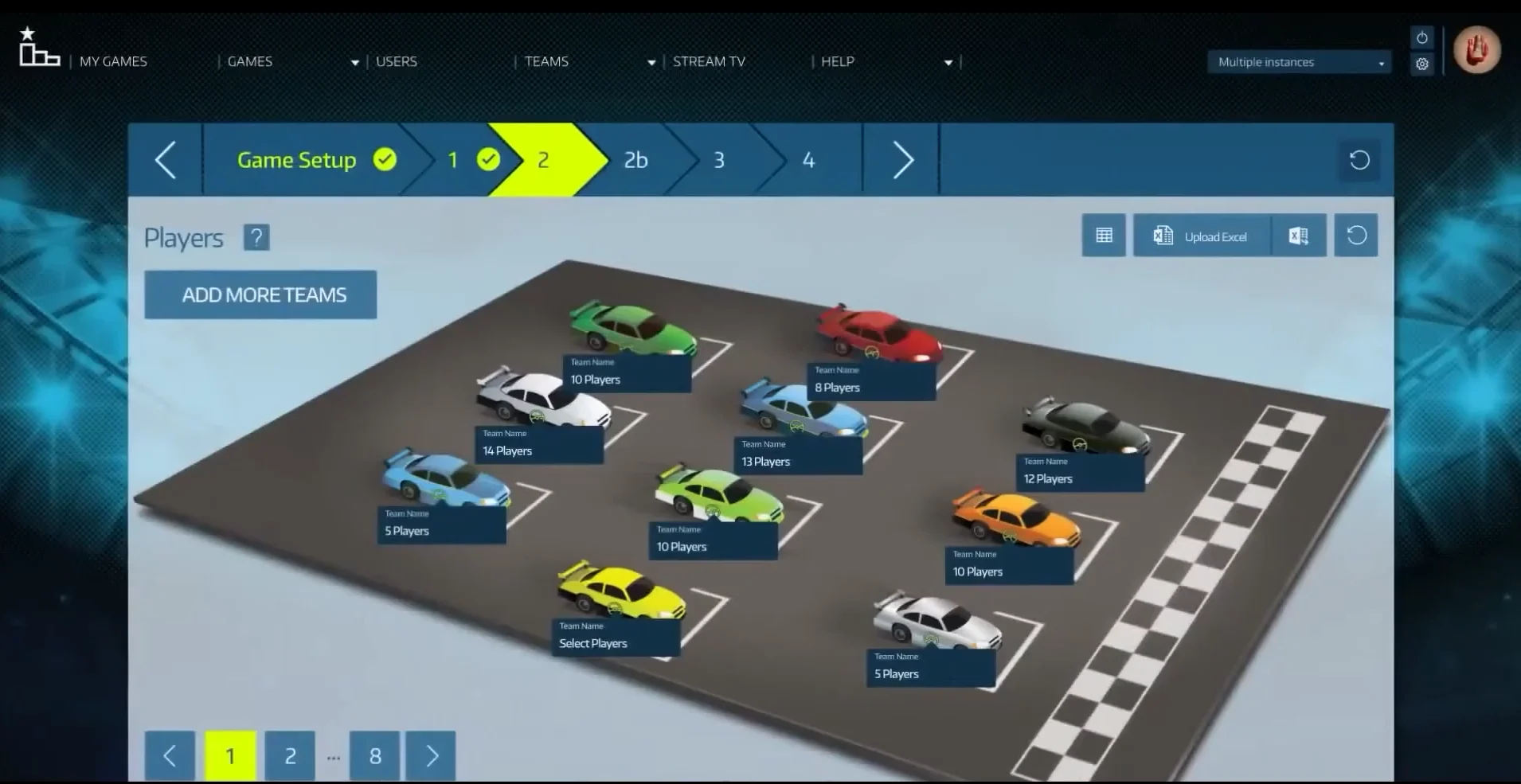
Competition delivers a quick burst of activity, personal scoring builds discipline, team play develops horizontal connections, and mentoring cements knowledge. Take a look at which option fits your team.
| Format | Who it's for | What it gives the client |
|---|---|---|
| Competition | Sales and service departments | Faster task completion, public recognition of top performers |
| Personal scoring | Specialists who value their own goals | Meeting targets, greater initiative |
| Team play | Departments working toward a shared result | Better collaboration, fewer reworks |
| Mentoring | "New hire + experienced employee" pairs | Faster onboarding, knowledge transfer |
Pure formats are rarely used; the smart approach is combining them. Personal scoring sustains steady engagement, competition adds energy at just the right moment, team play strengthens connections, and mentoring locks in the result.
All mechanics can run on data from your operational system — for example, SAP, where performance indicators and plan completion are already stored.
You get not a "game for the sake of a game" but a manageable tool: you see which format delivers measurable growth and adjust the rules without stopping business processes.
How a Gamification Project Unfolds Step by Step
We've structured the process so that at every stage you understand what's happening and how it affects your business. No magic and no long pauses — only clear steps, agreed with you.
-
Brief and audit. We meet with you, gather requirements, and analyze current processes. We pin down goals: higher activity, employee training, greater customer loyalty — and identify where gamification will deliver quick results.
-
Project plan and scenario. We design the game mechanics, storylines, rewards, and participation rules. We agree on a plan with clear deadlines and owners — you see what will be ready and when, without surprises.
-
SAP integration design. We set up a seamless connection to your accounting system. Employee and customer actions automatically flow into the game, and results feed back into business processes — no manual data entry.
-
Development and testing. We build the interfaces and run pilot testing with real users. We check usability and reliability — so the launch goes smoothly and needs no fixes on the fly.
-
Gamification launch. We put the system into operation, train administrators, and hand over materials for communicating with employees or customers. You get a ready-made tool that starts delivering value right after launch.
-
Support and evolution. We monitor activity, gather feedback, and suggest improvements. We help fine-tune the scenario and rewards so gamification keeps working toward your business metrics even after launch.
What's Included in the Gamification System Delivery Package
When you order gamification, you get not just a program but a complete solution that can be embedded into your employees' daily work from the very launch stage. The delivery package covers every phase — from setup and training to monitoring results.
- Gamification methodology — we match scenarios, point-scoring rules, and levels to your business goals. Employees immediately understand what they're rewarded for and strive toward the right metrics.
- System customization for your processes — we embed the mechanics into working with orders, customers, or internal tasks. Everything happens in the familiar SAP environment, with no need to retrain staff.
- Training materials — short guides for managers and employees: how to use the system, where to see progress, and what to do if questions come up.
- Staff training — we run a demonstration for the team and answer questions so the launch goes smoothly and meets no resistance to the changes.
- Reporting dashboard — we show how gamification affects key indicators: sales growth, request processing speed, employee engagement. You see results in numbers, not in vague words.
- Launch and support — we connect the system, verify it works correctly, and stay in touch after launch. This is your guarantee that everything runs stably and without failures.
- Customization for your specifics — if new tasks or departments appear, we extend the mechanics without stopping operations or losing accumulated data.
In the end, you get a working tool that boosts team efficiency and delivers a measurable return on your investment. You don't need to dig into technical details — we handle setup, implementation, and support.
Case Study: SAP Gamification for a Warehouse — Results and Numbers
The client is one of the largest regional distributors of fast-moving consumer goods, company FastTrade (name changed per NDA).
Core accounting runs in SAP, and the goal wasn't to "make it look nice" but to solve a warehouse pain point: pickers were losing motivation, turnover reached 40% per year, and the error rate in order picking grew along with order volume.
We proposed not another training session but gamification of work processes inside SAP. Employees see not just tasks but their progress: shift targets, best results, team standings.
Routine turns into competition — without stopping shipments and without changing the familiar system.
What We Did
We set up game scenarios right inside SAP: individual and team challenges for picking speed, bonus levels for quality, and automatic shift rankings. No separate apps — employees work in the familiar system while the game mechanics highlight their contribution. The rollout was phased over two months, and production shipments didn't stop for a single day.
Results in Numbers
In the pilot area — small-order picking — processing speed rose by 28%, and the picking error rate dropped by a third. Turnover among pickers fell by a third in the first six months: people see growth and feedback, not an endless conveyor belt.
After the pilot, the client commissioned a rollout of the solution across all warehouses. More than 300 employees now take part in the system, and we're preparing the next stage — competition between warehouses.
The repeat order and growing participation are the clearest sign that SAP gamification solves business tasks, not just entertains staff.
How to Choose a Gamification Format for Your Goal?
Start by defining the goal: what exactly do you want to change in the behavior of employees, customers, or partners? The answer to that question is the main criterion for choosing a format.
Gamification for business is not a random set of mechanics but a tool for achieving specific metrics: faster onboarding to SAP, more consistent reporting, a larger share of repeat orders. A clear goal immediately narrows the choice to 2-3 suitable solutions.
Next, look at the audience and the length of the process. If employees need to master complex SAP scenarios, training quests and skill-check simulators work. If it's about motivating a sales department, rankings, team competitions, and statuses are a good fit.
For customers, cumulative levels and personal challenges are effective: they hold attention and build habits.
The third selection criterion is how easily the format integrates into your current system. We value gamification that connects to SAP directly: the client gets automatic activity tracking, and employees get instant feedback — no manual input, no distraction from work. Without that connection, even a polished mechanic quickly becomes boring and dies.
Finally, check whether you can measure the result. A good format implies a clear metric: the number of employees who completed training, conversion growth, reduced time per operation. Setting a goal with such indicators is a mandatory step, and we help you do it.
In a consultation, we'll match a gamification format to your business goal, show examples, and account for your SAP specifics.
Common Concerns Before You Start: Straight Answers
Over years of implementations, we keep hearing the same concerns: "What if it breaks?" "What if employees don't want to play?" "When will we see results?" We answer directly, without promises we can't keep.
What if gamification disrupts the stability of our SAP-based system?
Integration happens in an isolated test environment: first we verify every scenario, then we enable it for one team, and only after that do we scale. At every stage, a one-click rollback to the previous state is available.
Your current business processes are never interrupted — they keep running in parallel, in normal mode.
Won't employees take the game seriously? It's not for adults, is it?
We don't do "a game for the sake of a game." The mechanics are built on things everyone understands: personal progress, recognition from colleagues, fair competition.
Before launch, we run a short session for managers and ambassadors from the team — they're the ones who explain the benefits in plain words. In practice, engagement in the pilot group never drops below 70% as early as the second week.
How long until we see a measurable effect?
The first changes are visible within 2-3 weeks: less time on routine operations, fewer errors in data entry. By the end of the second month, KPI dynamics for the department become visible — for example, a rise in closed tickets or a drop in processing time.
To measure accurately, we take baselines before launch and after, so the result shows in numbers, not just in feelings.
Who will support the system after launch?
We stay in touch after implementation and support the project under contract. You get a clear manual and the contact details of your responsible engineer. If employees have questions, we quickly jump in through a shared chat. In other words, you're never left alone with the new system.
We address these fears even before you start: we put the guarantees in the contract, show the mechanics on test data, and protect your core processes from failures. Only the questions that get resolved in the normal course of work remain.Discuss Your Task and Get an Implementation Plan
Leave a request — and within one business day we'll come back with specifics: what exactly can be digitized and automated in your SAP environment, which gamification mechanics will deliver quick results, and how long it will take. No abstract promises — only applied solutions for your task.
What you get immediately after reaching out:
- Request: you describe the process you want to strengthen (training, sales, database work, internal procedures) — this takes 10-15 minutes.
- Consultation with an implementation engineer: we review the current setup, employee motivation points, and bottlenecks in SAP.
- Implementation plan: a step-by-step roadmap — from configuring gamification rules to integrating with your accounting system.
- Cost estimate: we lock in the scope of work, timeline, and budget in the estimate, so you can make your decision without surprises.
- Examples of completed projects: we show similar cases with results — activity growth, request processing speed, fewer errors.
- Ongoing support: after launch, we stay in touch and help adjust the mechanics if your business process changes.
This is free and comes with no obligation. Even if you decide not to go ahead, you'll still have a clear picture of how gamification boosts team engagement and what tools are needed for it.
Leave a request through the form on the website or message us on messenger — we'll discuss your task and prepare an implementation plan for your SAP.