


Poor Negotiation Skills Training Hurts Sales
Every deal is a chain of decisions—from first contact to contract signing. But when a manager lacks strong customer negotiation skills, the chain breaks at the most unexpected point: the client stalls, asks for a discount, or leaves for a competitor.
The business owner sees the result in numbers—lost profit, missed contracts, and target revenue that keeps slipping away.
The root problem is usually not lazy employees or a weak product, but the lack of systematic negotiation skills training for managers. Classic trainings provide theory that cannot be applied in real conversation.
A manager returns to the office and falls back into old patterns because they never rehearsed new techniques in a safe environment, never saw their own mistakes or the client's reaction.
Lost deals due to weak negotiations are not a one-off annoyance, but a systemic issue that costs the company a significant share of revenue. Every failed contact is not only lost profit, but also damaged reputation that marketing has to rebuild. Negotiation skills are built through practice, not through listening to lectures.
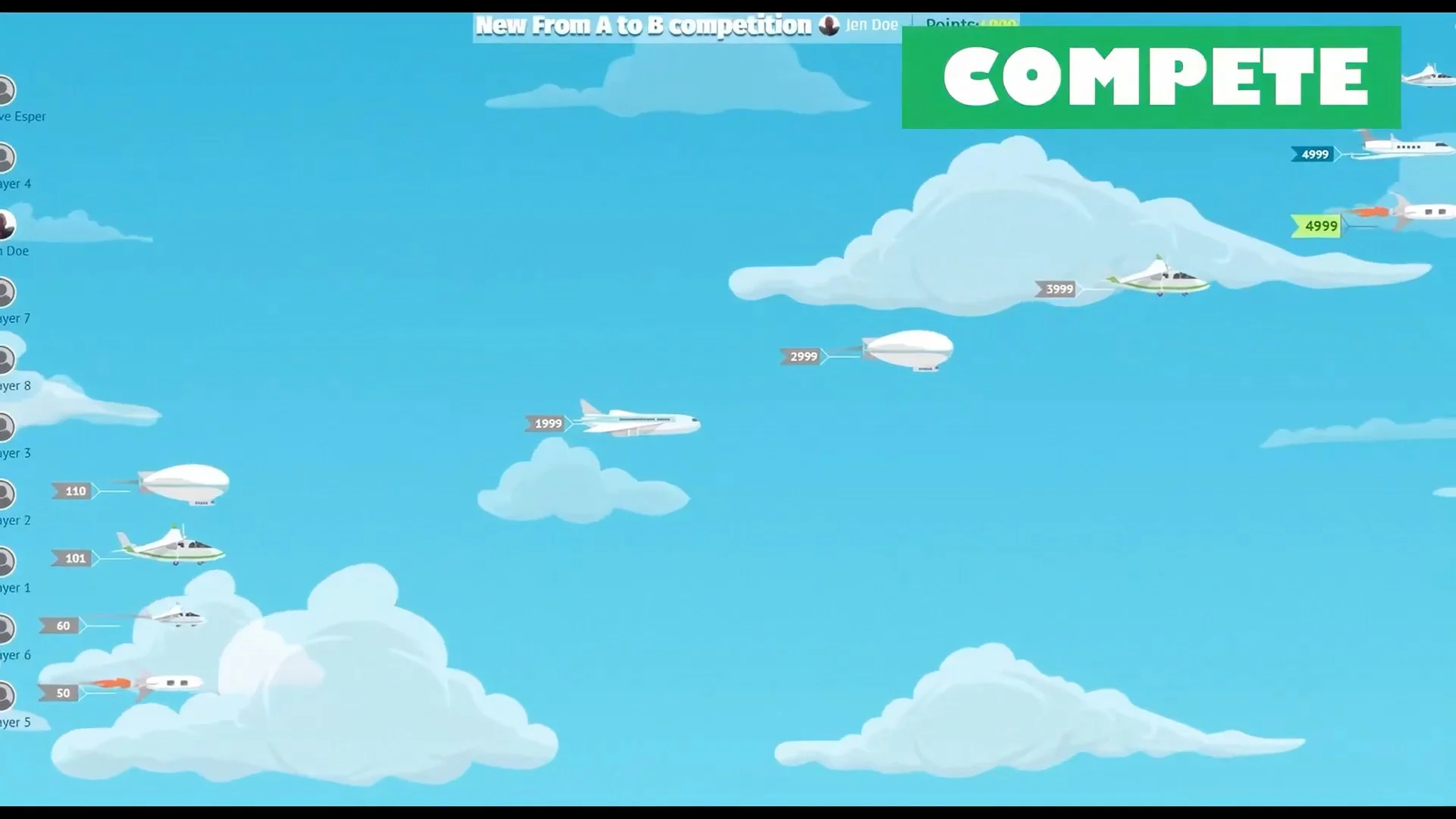
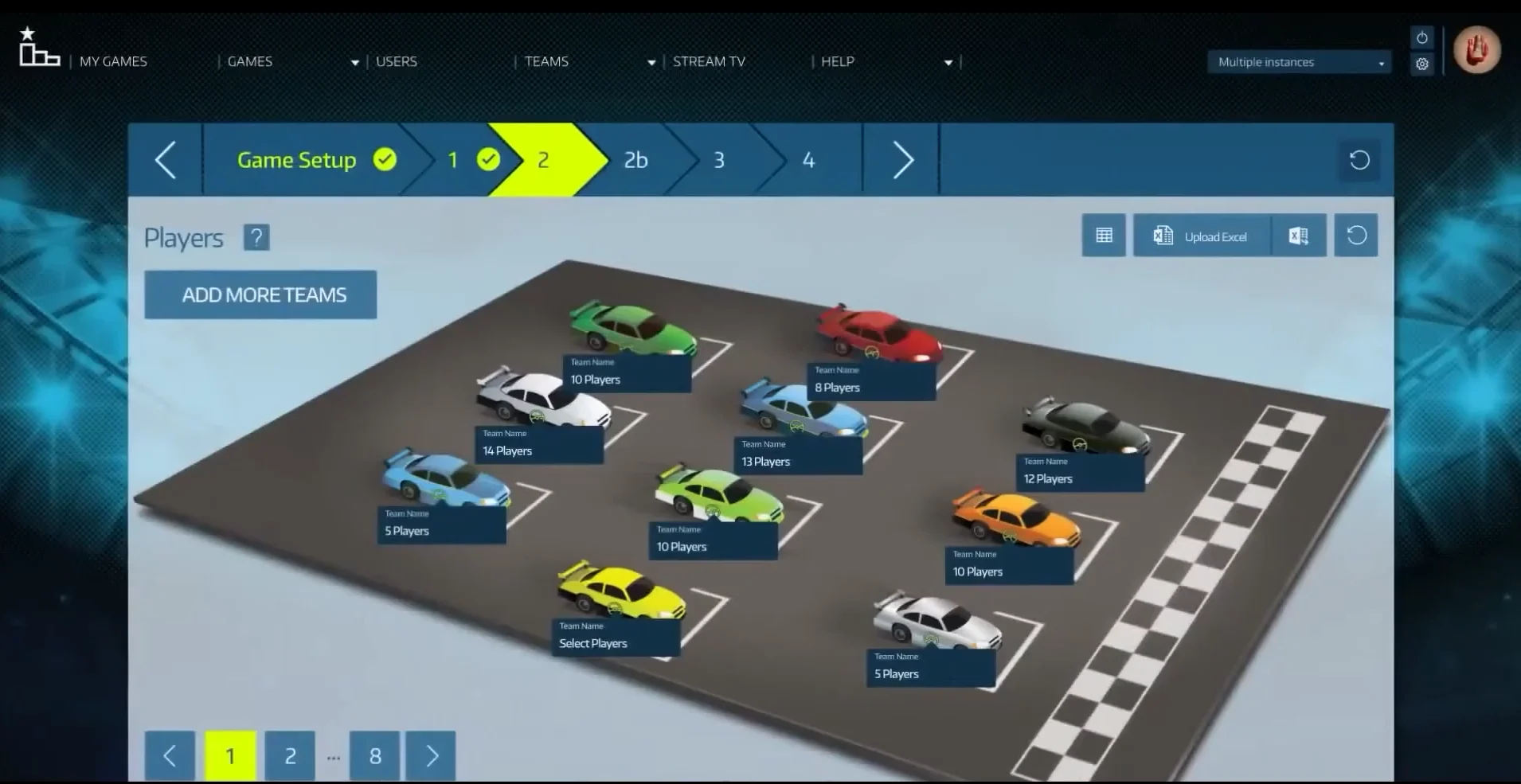
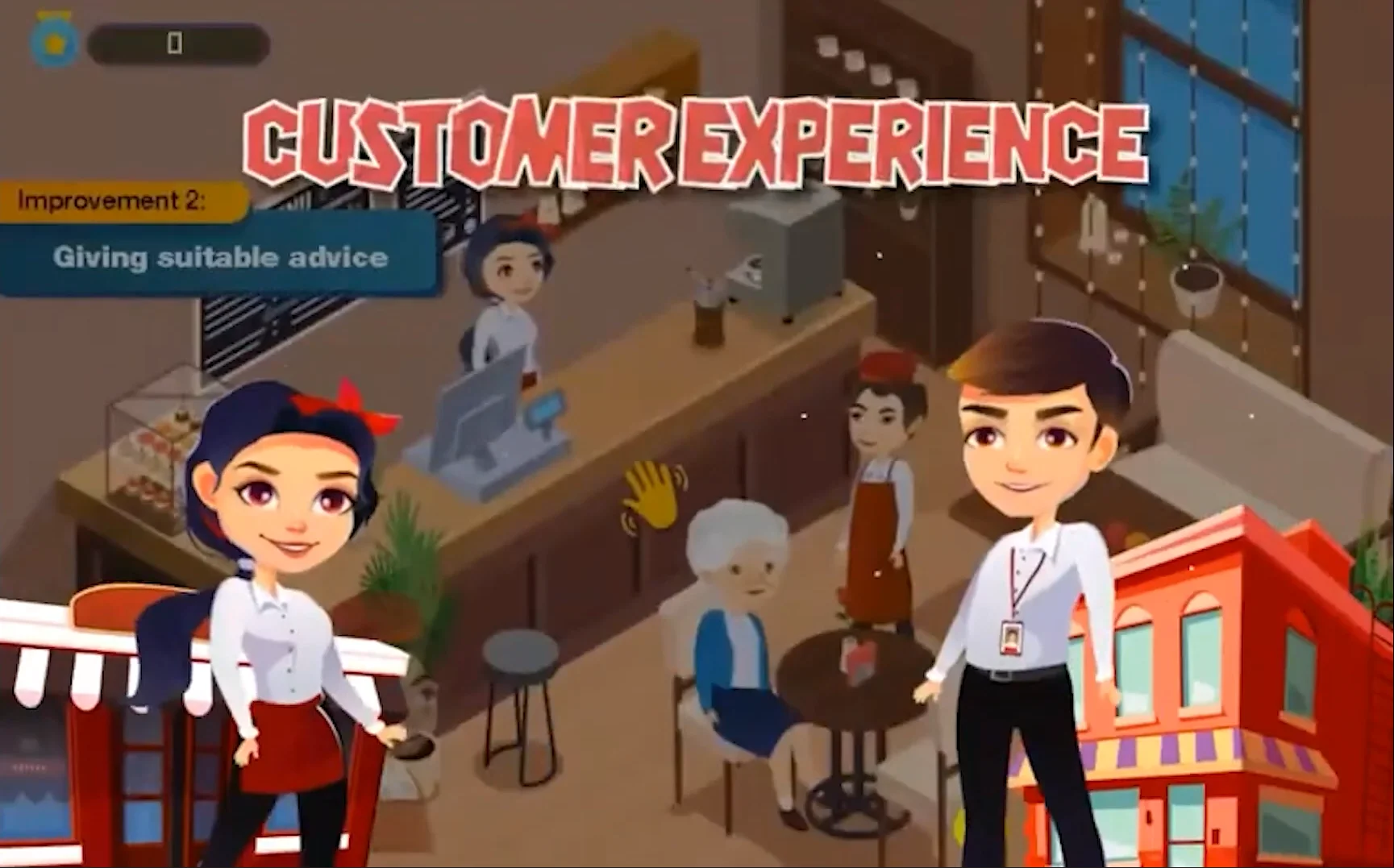
We solve this problem through business gamification: we create a 3D company world where managers train to interact with virtual clients in realistic scenarios.
It is a safe environment for mistakes, where every dialogue can be repeated, analyzed, and refined until the deal succeeds. This turns negotiation skills training from “theory on paper” into controlled practice that directly impacts sales.
What a Corporate 3D Game Gives Your Company
In conventional trainings, employees listen to theory but do not practice in a safe environment. A corporate 3D game closes that gap: participants enter realistic negotiation scenarios and can try different behavior strategies. This turns learning from a boring lecture into practice people actually want to complete.
What the company gets:
-
Employee engagement. The game format holds attention, and the desire to beat a level motivates employees to return to learning. Instead of “sitting through a training,” they participate with interest and results.
-
Negotiation practice. Virtual conversation partners behave like real clients: they object, doubt, and stall. Employees refine their arguments in dialogue, not just theory.
-
Lower stress. In the game, a mistake does not cost money or a client relationship. Employees calmly experiment, discover what works, and internalize it without fear of failure.
-
Objective skills assessment. The system records every response and decision the player makes, then highlights strengths and growth areas. Managers get clear data on team readiness for negotiations.
-
Better commercial results. Skills learned in the game transfer to real meetings and calls: higher conversion, employee confidence, and repeat sales.
We have been building such solutions for a decade—from prototype to full rollout inside companies. If you want to see how a game can fit your business processes, request a demonstration.
Gamification Formats: Choose the Right Fit for Your Business Goals
There is no one-size-fits-all format for negotiation skills training: one team needs mass practice, another needs objection handling, and a third needs live interaction.
We help you choose between a 3D simulator, a virtual trainer, and face-to-face training with game mechanics—based on your business goals and pace.
Below is a comparison of the main training formats. This is not a rigid classification: in most projects we combine options to cover both mass training and individual skill practice.
| Format | For whom | What it gives the client |
|---|---|---|
| Company 3D world | Companies with distributed teams and ongoing training | A single practice environment: employees from different cities practice negotiations in a branded atmosphere, and you see each person's progress |
| Virtual simulator | Sales managers, team leads, customer service specialists | Fast practice of specific situations—objections, bargaining, presentations—without a trainer and without fear of making mistakes |
| Face-to-face training with gamification | Teams that value live interaction | Competitive spirit and emotions: employees try roles, get instant feedback, and internalize techniques through practice |
In any format, you get not a one-off lecture but a managed process: scenarios are written to match your business needs, and training results are visible in reports. Tell us what your team needs to achieve, and we will recommend the format that gets you there faster.
How Corporate Simulator Implementation Works
Implementing a corporate simulator is a transparent process in which you participate at every step. We do not create a “black box”: from the first briefing through ongoing support, you understand what is happening and what results you will get. Below are the seven phases a project goes through.
-
Briefing and task analysis. We immerse ourselves in your business: how negotiations currently happen, what objections employees face, and which skills need to be sharpened. We set measurable goals—for example, increasing closed deal rates or confidence in cold calls.
-
Scenario design. Together with you, we script realistic dialogues, decision points, and answer options. We model situations close to real sales: handling objections, bargaining, product presentations.
-
Scenario approval. We show you a prototype of the simulator. You make edits and add details—only after your approval do we move to development. This eliminates unnecessary costs and rework.
-
Development and customization. We build the simulator around your corporate style: using your product names, typical client objections, and industry specifics. The simulator easily integrates into your corporate training portal—employees do not have to learn a new system.
-
Pilot launch. We run a test training with a small group. We collect feedback, see which scenarios work, and which need improvement. Based on the pilot, we make final adjustments.
-
Full team rollout. We connect all employees, set up access, and schedule training. You see progress through clear analytics: who completed the course, which skills improved, and where gaps remain.
-
Support and development. We update scenarios for new products and business changes, and add difficulty levels. The simulator does not become outdated—it evolves with your company.
What Is Included in the Deliverable: A Complete Business Package
You get more than just a simulator—you get a complete solution for negotiation skills training. We hand over a package that can be used immediately in internal training and adapted to your team's needs.
- Employee and negotiator avatars. Characters with different behavior types—from a tough opponent to a partner open to dialogue. This allows employees to practice complex scenarios without risking relationships with real colleagues and clients.
- Negotiation scenarios tailored to your industry: sales, objection handling, conflict situations, and work with contractors and internal stakeholders. Each scenario has multiple branches depending on the employee's decisions.
- Employee performance assessment system: from strategy analysis to specific responses. At the end of a session, managers see which skills have improved and which need attention.
- Methodological materials for HR and managers: implementation recommendations, lesson plans, assessment checklists, and employee reference guides. This makes it possible to launch training without external trainers.
- Licenses and full rights to the developed content. You are not dependent on the vendor: the solution remains your asset and works for your business long-term.
The package comes with warranty support: we make revisions, help with adaptation, and answer your questions. The result is a tool that quickly pays for itself through improved team confidence and negotiation quality.
Case Study: How a Retail Chain Increased Deal Conversion
A retail chain came to us—electronics stores across 18 cities. Their salespeople knew the product but lost customers during price and upsell negotiations. Classic trainings provided knowledge but not skill: a week later, employees fell back into old habits. The company asked us to gamify their negotiation skills training process.
We built a training 3D world where salespeople practiced dialogues with different types of virtual customers: skeptics, bargain hunters, and clients who said “too expensive.” The scenario system modeled real objections, and feedback after each session showed where employees lost their arguments and how to respond more effectively.
Over three months, 240 employees completed the training—about 15–20 minutes of daily practice without leaving their workstations.
The result: deal conversion grew by 28%. Average ticket size with additional sales increased by 12%, and objection-handling time nearly halved.
The chain's training manager noted: “For the first time, salespeople did not just sit through a training—they asked for new scenarios themselves.
Gamification turned skill development into a habit.” After the pilot, the chain ordered an expansion of the program to its corporate sales department.
Why this worked. Training became regular practice, not a one-time event. Analytics for each scenario allowed the manager to see each salesperson's growth areas and close gaps with precision. That is what creates sustainable conversion growth, not a temporary spike after a seminar.
Common Leadership Concerns Before Launching Gamification
Before launching gamification, leaders worry about three things: employees will not take the simulator seriously as training, implementation will drag on for months, and results will be impossible to measure. These concerns are natural—a new format must prove its effectiveness with numbers, not promises.
Below are answers to the three most frequent questions. Each is backed by real project experience in retail, distribution, and services.
“Will employees see this as just a game and not learn anything?”
It depends on the scenarios. We build training on real situations: handling objections, price negotiations, and difficult client conversations.
Avatars react to the speaker's words just like real negotiators, so the game aspect fades into the background—what remains is a practical skill. The game shell is what drives engagement: employees ask for extra levels and compete with each other.
“How long will launch take? We do not have months to spare.”
A basic simulator with 3–5 negotiation scenarios can be launched in 2–3 weeks. Most of that time is not spent on programming, but on aligning with your experts: which situations to cover, which arguments count as strong. After a pilot group, we make adjustments and scale to the whole department.
“How do we measure results beyond ‘it was interesting’?”
The system shows every participant: number of attempts, response dynamics, and recurring mistakes. You can compare a group that used the simulator with a group trained the classic way—the difference in negotiation skills is visible after just a few sessions. This data is easy to export into a report for management.
Didn't find your concern? Ask us directly—we will explain how we solved a similar challenge in your industry.Order a Demo Version of the Simulator and Test It on Your Own Scenarios
Theory does not replace practice, and the first session on the simulator teaches more than an hour of lecture. The demo version lets you immediately see how employees handle difficult negotiations and how lifelike the dialogue with a 3D avatar feels.
We will prepare a demo based on your scenarios: we take a typical dialogue from your field, model the opponent's behavior, and give your team a test account.
After testing, we will hold a consultation: review the results, show how scenarios are configured, and calculate the exact timeline and cost of implementation. Our team uses proven tools—which is why we can set up such demos in just a few days.
What you can test in the demo version:
- How the simulator analyzes responses and changes the opponent's tactics.
- How realistically the avatar conveys the voice and facial expressions of the interlocutor.
- The convenience of the interface for both employees and managers.
- How quickly scenarios can be changed to match your real situations.
- What progress reports you will receive.
- How easily the simulator integrates with your training program.
The test results will show whether this format increases engagement and material retention. Based on the demo, we will create a development plan for the full version and a budget—with no hidden stages and no unnecessary costs.
Order the demo version, test it on your own scenarios, and then launch the project with us. You will get a working tool, not just a concept.
Leave a request on our website—we will contact you within one business day, answer your questions, and find a solution that fits your budget.
How to Measure Employee Progress in Negotiation Skills?
Measuring progress in negotiation skills is difficult: ordinary tests and surveys show that an employee knows the theory, but they do not reveal how the person will behave in a real dispute with a client or partner.
That is why assessment should be based on regular snapshots in game situations that mirror your business processes.
We build scenarios into the training that replicate your company's typical negotiations and record the employee's actions—which strategy they follow, where they concede, where they hold their ground, and how they achieve results.
Training analytics are collected automatically after every session. You see which employees consistently choose effective behavior patterns and who keeps getting stuck in the same scenario.
Instead of a manager's subjective opinion, you get objective data for each participant: decision dynamics, speed of finding compromise, and number of successfully completed dialogues. These same indicators become the foundation for employee KPIs.
The key is the link between game metrics and real deals. When a person trains regularly in simulation, the skill becomes automatic.
We recommend short assessment sessions every 1–2 weeks and tracking the trend: how the employee's real negotiation results change—meeting conversion, discount retention, deal closing speed. When trends align, that is the best sign the training is working.
Regular training matters more than one long course. Negotiation skills fade without practice, which is why we build a system of short sessions that fit into the work routine.
You get a clear picture: who is growing, who has hit a plateau, and who needs extra work on specific techniques. With this data, you make decisions about team development, rotations, and bonuses—based not on intuition, but on measurable results.