


Clients Are Leaving for Competitors — Time to Roll Out a Virtual Office
Online events and daily business processes are increasingly turning into monotonous routine: webinars, conference calls, reports. Clients and employees lose engagement, stop feeling the brand's value, and leave for places where interactions are more interesting.
A virtual office is not just a trendy alternative to Zoom, but a tool that brings emotions back and retains the audience.
When there are no vivid impressions, loyalty drops: customers return less often, employees invest less in the common cause. Business loses repeat sales and referrals.
Gamification solves this problem — it turns routine actions into an engaging scenario with goals, rewards, and live communication. The virtual office becomes a space where every participant feels like a hero, not a spectator.
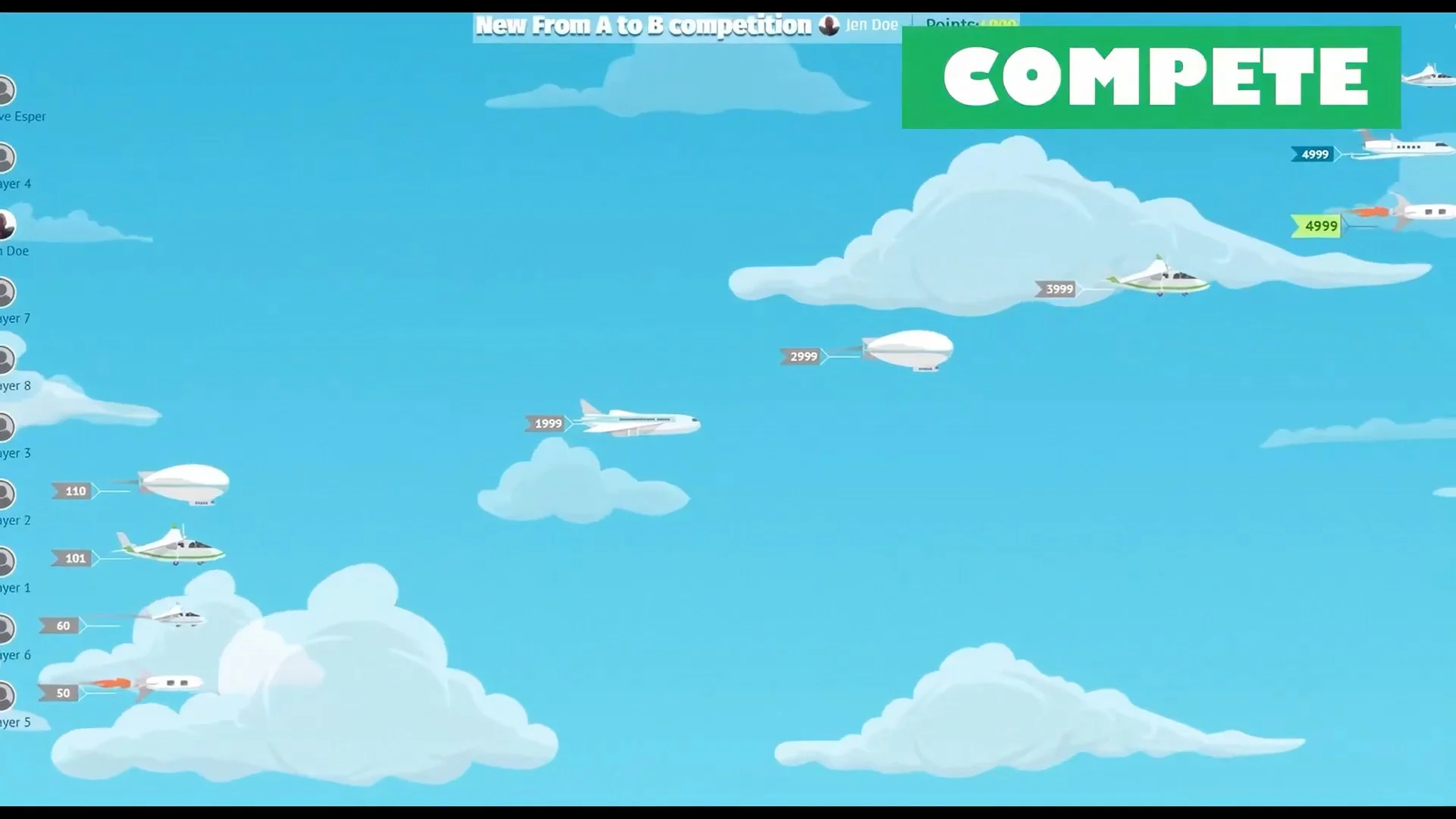
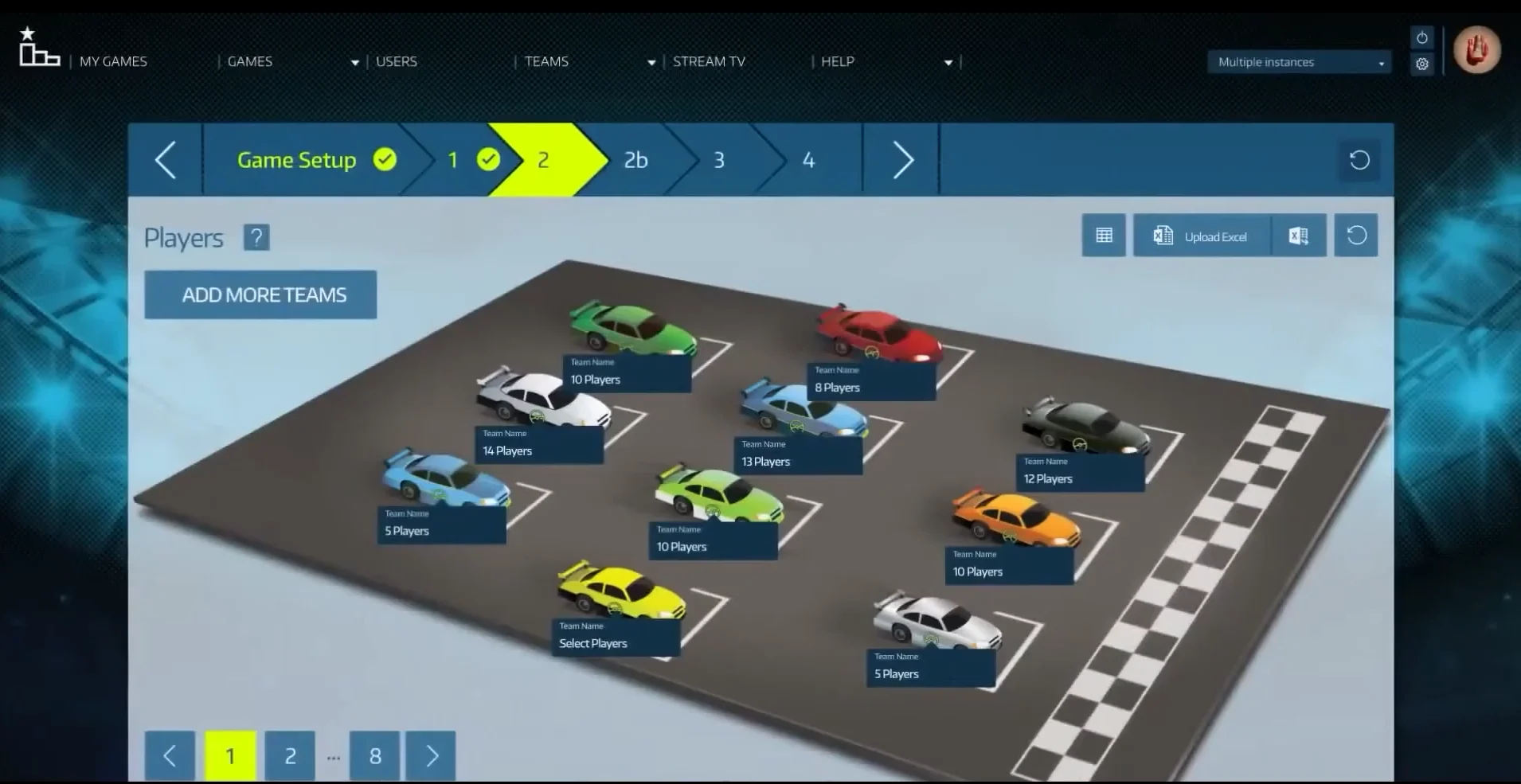
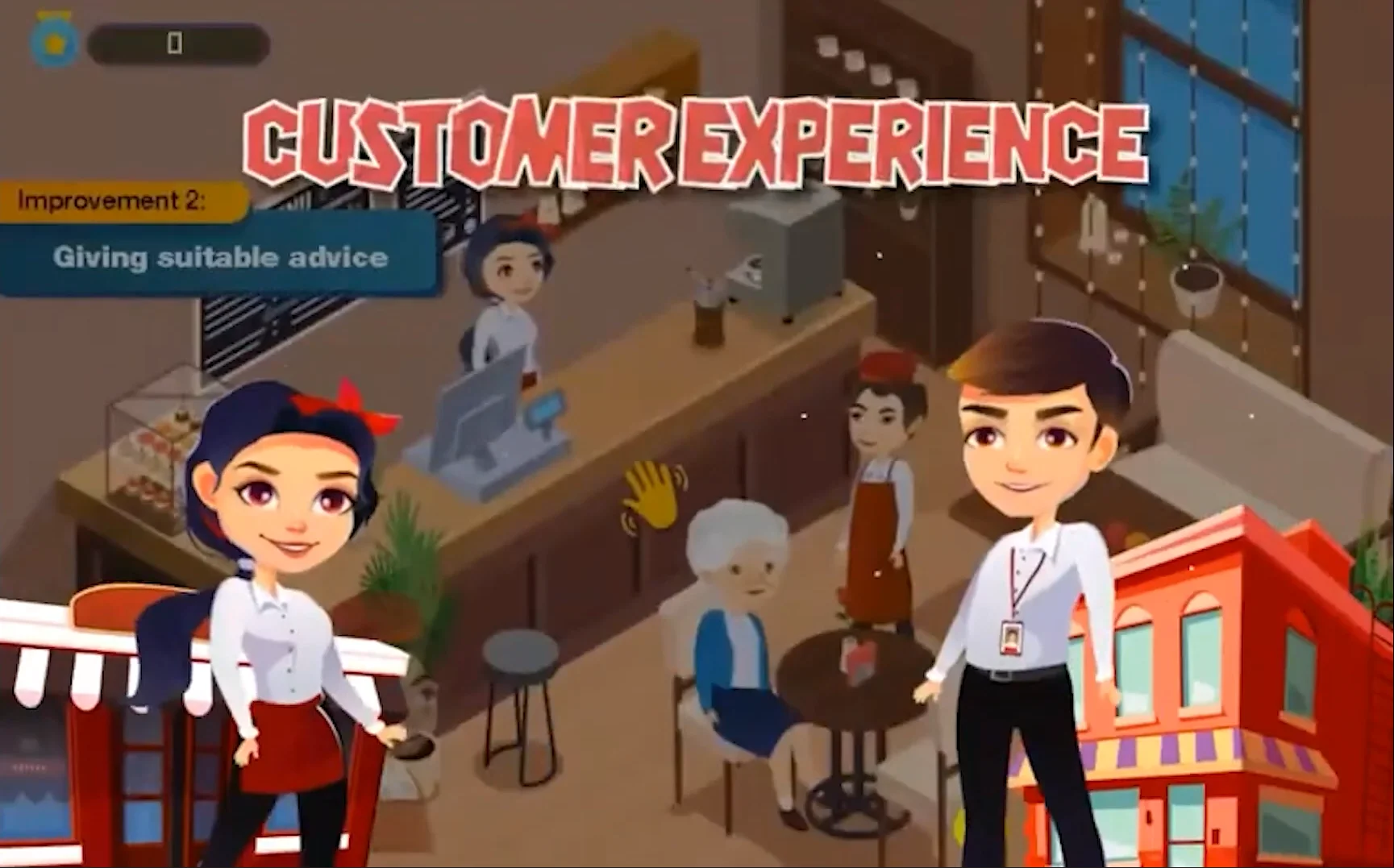
In such an office you can host memorable online events: interactive quests, team competitions, personalized rewards. Learning, onboarding, and service processes turn into a game where it is clear why to act and what you get in return. This increases customer retention and employee engagement without discounts or coercion.
We create a virtual office tailored to your business needs: from concept and scenarios to launching a ready-made platform. We handle process gamification so you get measurable results — an increase in repeat inquiries, participant activity, and brand awareness.
Experience from dozens of projects confirms: the emotions a virtual office delivers turn one-time audiences into regulars.
Don't wait until clients leave for those who already offer them an exciting experience. Implement a virtual office with us — and you'll see how boring online events become a growth point for your business.
What Gamification of Business Brings: Guest Engagement and Profit Growth
Live Guest Response — Engagement Without Coercion
Guests remember not slides but emotions. Gamification turns product discovery into a game: participants engage on their own, compete, complete levels, and earn rewards.
Visitors to the virtual office control avatars, explore the company's space, and talk to employees — this kind of interaction holds attention far longer than a typical presentation.
Engagement is visible immediately: session time, number of actions, chat activity. For the client, this is real-time data about customer interest without surveys or lengthy analytics reports.
More Mentions — Brand Awareness Grows on Its Own
People want to show off gameplay moments. Participants share screenshots and videos on social networks and tag the company — every such post is free reach for the brand. Gradually, a lasting association forms: the company is modern, open, and interesting.
Loyalty and Repeat Visits — Profit Growth
Game mechanics with bonuses and statuses motivate people to come back. Regular guests are more willing to participate in promotions, bring friends, and increase the average order value. Loyalty translates into measurable revenue growth — without additional advertising spend.
New Leads in the Virtual Office
Gamification of business processes creates natural touchpoints where participants leave their contacts in exchange for a game result. This turns entertainment into a base of warm leads — people already familiar with the product, engaged, and ready to talk to the sales team.
Virtual Office Formats for Business Needs
A virtual office is not a one-size-fits-all template but a solution for a specific task: welcoming employees, training newcomers, showcasing a product to an audience, or serving as a brand's permanent platform. The choice of format determines timelines, budget, and speed of return on investment.
We match the format to the business task, not the other way around. Below is a comparison to help you choose the option that delivers results faster.
Format Comparison
| Virtual office format | For whom | What it gives the client |
|---|---|---|
| Corporate events | Event organizers, HR managers, teams from different cities | All employees gather in one space: live communication and engagement without travel costs |
| Staff training | Companies with frequent hiring, training centers | Newcomers adapt faster: interactive environment improves material retention |
| Virtual exhibitions | Marketing, sales, manufacturers | Booths and product presentations, collecting visitor contacts — reach without venue rental |
| Permanent presence | Business owners, sales departments | Office is open 24/7: clients come, explore, and leave inquiries — the brand works without breaks |
If you're unsure which format to choose, we'll help on a short call: we'll break down the task, show examples, and estimate the load. We use proven tools so your virtual office runs stably even with heavy visitor traffic.
How Project Development Works: From Brief to Launch
To ensure gamification delivers measurable results, we build a transparent process — from the initial brief to launch and ongoing support. You always know where the project stands, what has been done, and what you'll get in the end. No black box: just clear stages and clear results.
-
Brief and task immersion. We discuss your goals and study the processes that need gamification. We capture the target audience and expected outcome — to understand how the project will impact metrics.
-
Concept and plan development. We propose the scenario, mechanics, and project structure. We define timelines, budget, and stages — you approve the plan before work begins.
-
Technical specification approval. We detail every item, make revisions, and lock in the final scope. You get predictable timelines and a work breakdown without hidden surcharges.
-
Implementation with intermediate demos. We develop step by step, show working versions, and incorporate your comments. At every stage you see progress and can influence the outcome.
-
Testing and launch preparation. We check scenarios, debug mechanics, and make sure everything runs stably. We prepare the project for operation in your environment.
-
Launch and integration. We implement gamification into your processes, set up roles and access, and train employees or users. The system works from day one.
-
Support and evolution. We monitor metrics, analyze user behavior, and make improvements. We help the project grow alongside your business so results last over time.
What's Included: Turnkey Delivery
You get a complete package — from the scenario to technical support. No "buy it yourself, figure it out yourself": the virtual office is built around your business processes and handed over as a single integrated solution.
- Virtual office scenario. Thought-out movement and communication logic: from guest welcome to holding meetings. Employees don't waste time figuring things out — they jump right into the process.
- 3D employee avatars. Branded characters that represent your company in the virtual space. Avatars are customized by role and department, so guests immediately see whom to approach.
- Company's virtual world. An office with rooms, meeting rooms, and relaxation areas. The space reflects the business structure and remains convenient for daily work.
- Integrations with business tools. Connections to calendars, customer relationship management systems, and internal services. The virtual office becomes part of your existing ecosystem, not a separate app.
- Documentation and training. Clear instructions for employees and administrators. No need to learn the tool from scratch — we show and explain how to use every feature.
- Technical support. After launch, you get ongoing support: updates, issue resolution, and scenario refinements. The virtual office runs stably while you focus on business.
The entire package is delivered turnkey, with stage-by-stage acceptance so you see the result at every phase. In the end, you get not just a model but a working tool for communication between employees and clients.
Case Study: How We Doubled Engagement
Typical online conferences lose guest attention within the first 10 minutes: participants watch passively, don't interact, and leave. To keep an audience, you need an environment where the brand is experienced, not just displayed. We suggested turning the event into a game inside a virtual office.
Our team built the company's virtual office on Unity: every guest got an avatar, could walk around the floors, communicate, complete quests, and collect bonuses.
Thus an ordinary broadcast became a game where visitors explore the brand instead of watching it from the sidelines.
Results exceeded expectations: 12,000 guests attended the event, and engagement doubled compared to the previous conference. Session views increased by 40%, the number of active participant actions doubled, and guests readily commented and interacted with each other.
The client received detailed metrics: zone attendance, avatar activity, and interest in each program block.
We chose Unity for a reason: it's a professional platform that handles thousands of simultaneous users without losing quality. That's why guests don't experience lags and can comfortably take part in the program.
Two months later, the client ordered a second virtual office — this time for regular meetings of employees and partners.
The numbers speak for themselves: 12,000 guests and a 2x increase in engagement — a measurable result that lasts after the finale. Want the same? Tell us about your event — we'll create gamification for your audience.
How to Choose the Right Format for Your Task?
Choosing a virtual office format starts not with technology but with a question: what business problem are you solving? There is no universal solution — what works perfectly for weekly team meetings may fail at a large-scale event for clients.
So the main criterion isn't "which format is trendier" but "which format will deliver the desired result": train new employees faster, increase partner engagement, or create a memorable experience for visitors.
Look at three parameters. First — the goal: integrating into routine processes (remote work, approvals) requires a different approach than a one-off campaign.
Second — the audience: employees who will use the office daily will forgive fewer effects but appreciate intuitiveness, while clients come for a vivid impression and easy entry.
Third — the expected outcome: if you need measurable growth in engagement or repeat inquiries, you should build interaction scenarios and game mechanics into the format, not just a 3D re-creation of a real office.
Take a common request: "we want a virtual office so employees can see each other." If the goal is to reduce isolation in a distributed team, intimate rooms and rest areas are enough.
But if the brand needs to make a statement in the market, the same office becomes a showroom with tours and interactive points.
These aren't different technologies but different formats for different goals — and it's at the selection stage that mistakes are most often made, leading to overpaying for unnecessary options.
We help define the format in reverse: first we lock in a measurable goal (training, presentation, celebration), then we clarify audience size and their level of familiarity, and only then do we propose the space architecture — from a simple lobby to a multi-level environment with quests.
This way you get a solution that pays off, not just a pretty picture. Tell us about your task — we'll advise which format will work for you and calculate the achievable result.
Addressing Fears: What If the Project Doesn't Take Root?
The fear "we'll implement it, but employees won't use it" is the main thing holding businesses back before launching a virtual office. It seems expensive, complicated, unclear, and the outcome unpredictable.
In practice, the risk is minimal when the project is built around team needs rather than technologies.
We design the virtual office to fit into familiar processes rather than disrupt them. Employees access it through a regular browser, with no additional software installation — a link is enough.
Training takes one short call, and the interface is intuitive for anyone who uses messengers and video calls.
Data is protected: role-based access, permission separation, and hosting on the client's servers or in reliable cloud infrastructure, whichever you choose. We never access commercial information — we only configure the system and hand it over to you completely.
Implementation happens in stages: first a pilot launch with one team, then scaling. You see intermediate results and can adjust objectives at every stage. This reduces risks and keeps the process transparent.
Return on investment is also calculated in advance. A virtual office cuts rental costs, accelerates onboarding of new employees, and speeds up decision approvals. On average, companies notice tangible savings within the first few months.
What if employees still don't accept the new format?
At the start, we jointly identify which tasks the team handles most often and make them as convenient as possible in the virtual office. We also build in a simple interface and quick access — no registrations or complicated settings.
If something goes wrong after the pilot, we promptly refine the scenarios based on feedback. We don't abandon the project after handover: we provide support and maintenance until the system becomes a familiar working tool.
Get Your Project Estimate in 1 Day
A project estimate is not an abstract promise but a concrete action plan for your business. Within one business day, we analyze your task, propose a solution, and state the cost so you can make a decision without lengthy negotiations or unexpected estimates.
After your inquiry, you receive:
- Business task analysis — we break down what problem the virtual office solves: training, onboarding, sales, or employee engagement.
- Virtual office concept — we describe how 3D avatars and the space will fit into your processes and which interaction scenarios will deliver results.
- Key scenario prototype — we show how the main user journey will look and work: entry, communication, learning, task completion.
- Accurate estimate — we lock in the cost of work, timelines, and stages so you know the budget before development begins.
- Launch recommendations — we advise on how to integrate the virtual office with your current tools and how to motivate employees to use it.
- Post-launch support plan — we explain how we'll maintain the project, update content, and refine scenarios as your business grows.
Submitting a request doesn't oblige you to anything: we don't start work without your consent and don't push extra services. The estimate is free, and the virtual office pays for itself by reducing travel and rental costs and speeding up processes.
Leave a request — and by tomorrow you'll know how much the project costs, what stages it includes, and when it will benefit your business.