

Why Digital Agencies Lose Profit in Process Chaos
Every project at a digital agency is dozens of tasks that need to converge at one point: design, development, content, client revisions.
When the connection between stages is lost, responsibility gets «spread thin» — and suddenly one employee redoes someone else's work, another waits for decisions, and a third quietly burns out from the endless chaos.
Missed deadlines here are not laziness but a consequence. People don't see their contribution to the overall result, don't feel progress, and stop engaging with the process.
Staff turnover only intensifies the problem: a newcomer replaces the one who left and needs weeks to adapt, while the project stalls in the meantime. The client grows tired of «just a little more» and leaves for someone more consistent.
Traditional tools — orders, oversight, bonuses — don't address the root cause. Rigid supervision stifles initiative, and money only motivates until the first crisis.
A project rests on real people, and if they aren't engaged, no spreadsheets or regulations will save the deadlines.
We solve this problem with a game system of competitions and ratings built directly into work processes. Instead of imposed control — excitement and healthy competition. Instead of burnout — clear progress and recognition of achievements.
Next, we'll look at how this changes an agency's operations and why employees start meeting deadlines on their own.
What Gamification of Company Business Processes Delivers
In a digital agency, the team is the key asset. The speed of project delivery and profit depend on how engaged employees are with their tasks and how well they understand their KPIs.
But sustaining motivation for months is hard: routine eats away at excitement, and results seem blurred.
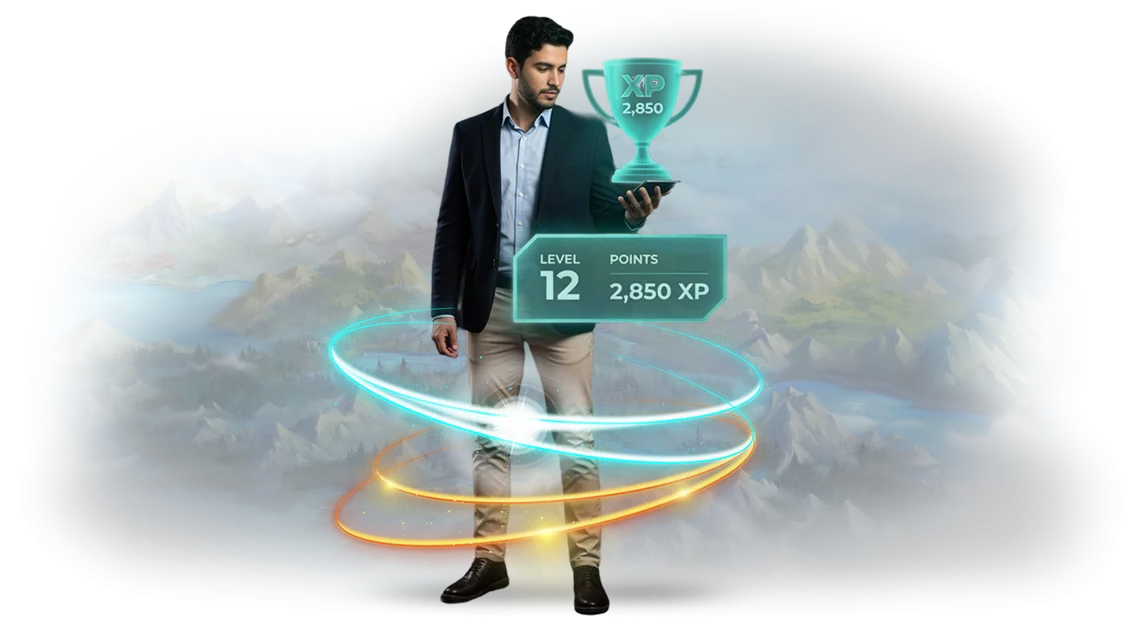
Gamification solves this task systematically. When business processes turn into a game with levels, points, and ratings, employees themselves strive to do more and better.
Healthy competition emerges — instead of burnout, the team gains drive, and the manager gains steady growth in engagement.
Transparency of results is the second important effect. A rating honestly shows who influences the overall outcome and how, so disputes about fairness of evaluation disappear. The manager sees the real KPI picture: where progress exists and where an employee needs backup.
The third benefit is talent retention. Ambitious professionals don't leave for places where their achievements go unnoticed. Recognition through game mechanics (statuses, rewards, top rankings) directly impacts loyalty and the desire to grow within the company.
As a result, all of this leads to profit growth. The team works faster and better, deadlines are missed less often, clients are satisfied — which means more repeat orders and higher revenue. Gamification pays off not through an abstract «atmosphere» but through concrete business metrics.
Gamification Formats for Digital Agencies
The choice of gamification format determines whether the game will actually move business metrics or remain mere entertainment. For a digital agency, it's important that the mechanics accelerate internal processes, boost employee engagement, and deliver measurable results.
That's why we select a format not «just for show» but for a specific goal: sales growth, project delivery speed, or team retention.
We use four proven formats that cover different needs. Compare them in the table:
| Format | Who It Fits | What Task It Solves |
|---|---|---|
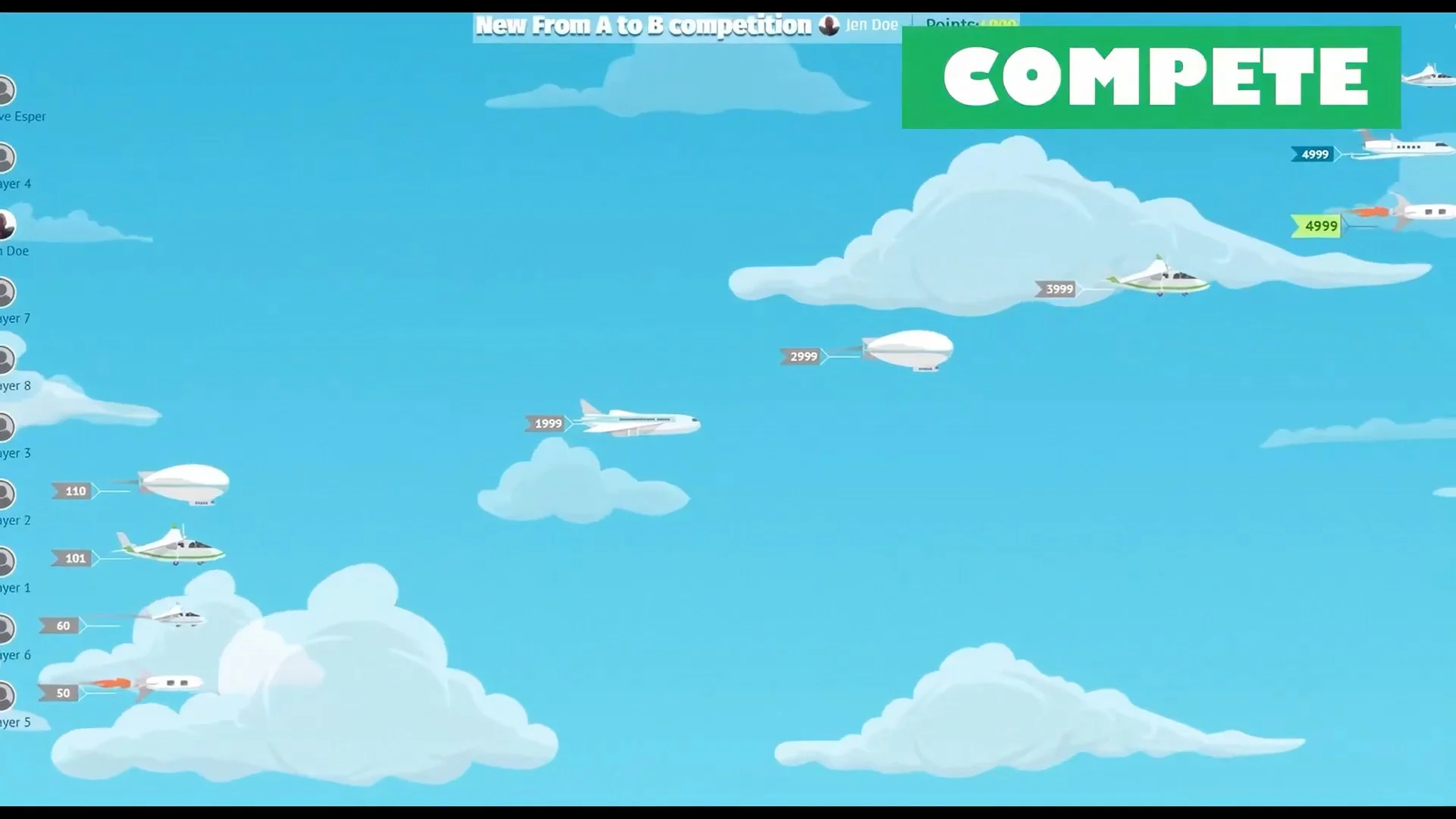
| Competitive | Sales and marketing departments, contractors | Increases work speed and discipline: every result is visible, healthy competition kicks in |
| Rating-based | Teams with long projects, client support | Sustains motivation over the long haul, helps maintain focus and consistently hit planned targets |
| Team-based | Project groups, development and design departments | Builds cooperation and knowledge sharing, reduces conflict between roles |
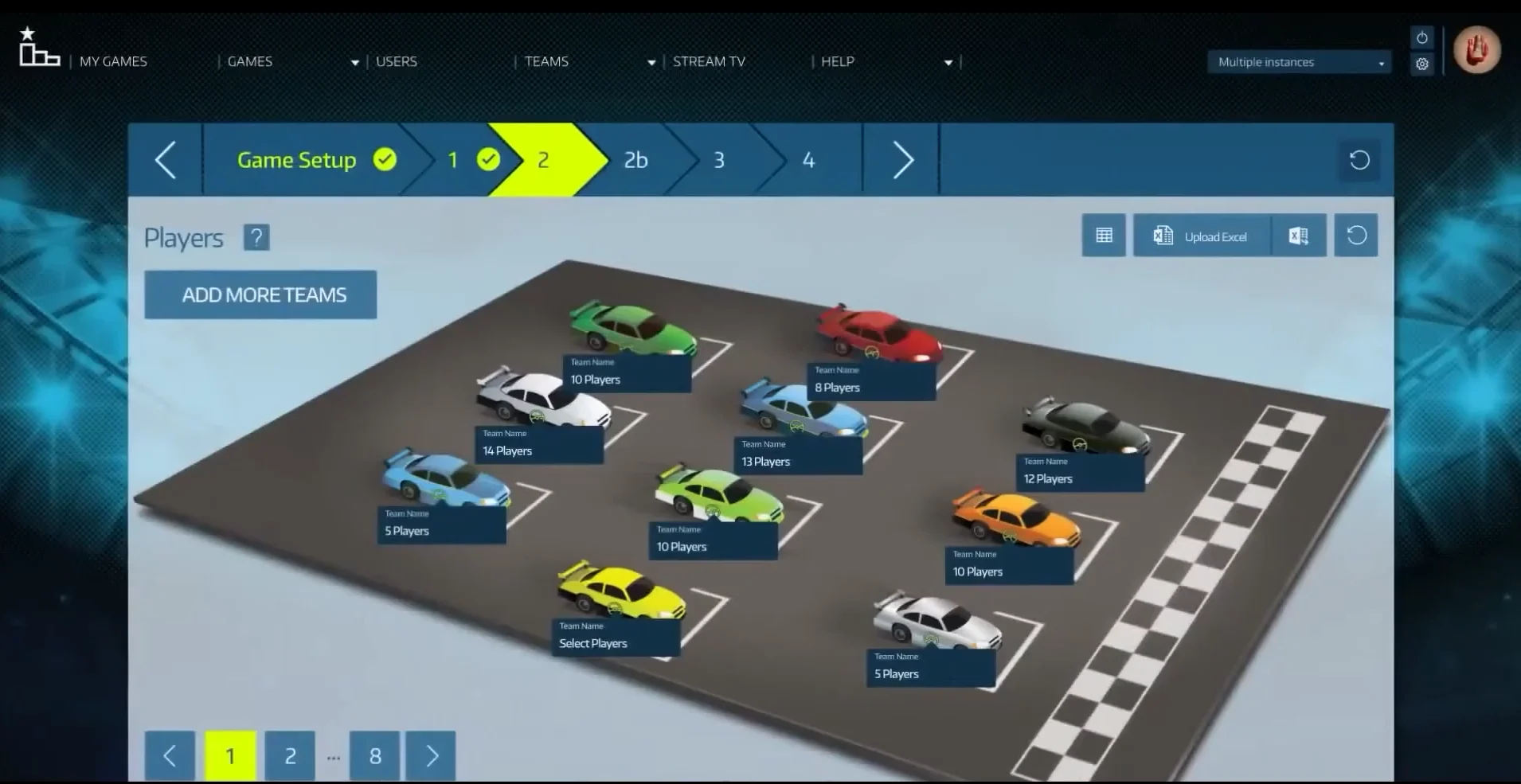
| Mixed | Agencies with different departments and different KPIs | Combines individual and team goals, engages all employees at once |
After the format is chosen, we adapt the mechanics to your workflow: we embed them into your familiar project management tools and reporting.
The key is that the manager sees not just a «game» but a transparent system where each employee's progress directly affects the agency's results. This approach shortens task completion times, increases sales conversion, and reduces team turnover.
How the Game System Is Implemented: Stages and Timelines
Implementing a game system of competitions and ratings is a clear process with fixed implementation stages and timelines. We accompany you from the brief to launch and growth, so you see results at every step.
- Brief and audit of current processes. We study how team work is organized and which tasks should be turned into a game. The output: goals and success criteria.
- Game mechanics design. We determine which participant actions will be rewarded and how ratings are formed. You get a transparent scheme that can be approved before development begins.
- Development and configuration. We build metric dashboards, automatic score updates, and progress visualization. We work with professional tooling, so you don't have to dive into the technical details.
- Testing with a control group. We test the system with a limited number of employees to identify issues and calibrate the rules without risking operations.
- Pilot launch and training. We launch the system in one department and show the team how to use the ratings. The pilot provides first data and confirms the mechanics work.
- Full launch and support. We roll the system out to all teams, monitor performance, and collect feedback. We adjust and develop the mechanics as needed.
Project timelines depend on scale: implementation typically takes from two weeks to two months, including the pilot stage. We set the plan at the start and stick to it.
What's Included in the Gamification Solution Package
The package includes not an abstract idea but a ready-made kit that can be launched in your agency immediately.
You get all the elements of the competition and rating system: from rules to instructions that the team perceives as an engaging game rather than yet another form of control.
Here's what you get as a result:
- Game concept and rules — a description of the competition mechanics: which actions earn points, how ratings are formed, what levels and roles exist. No ambiguities that later cause disputes within the team.
- Points and levels system — a transparent scheme for awarding and deducting points, tied to your business metrics. Each participant sees how their achievements affect the agency's real results.
- Leaderboard — a visual rating that shows participant positions over time. This creates healthy competition and makes progress visible to everyone.
- Regulations and documentation — detailed documents: how to launch the game, who administers it, how to resolve disputes, and how often to summarize results. You won't have to invent processes from scratch.
- Instructions for participants — short cheat sheets for employees: what to do to earn points, where to see updates, and how to use bonuses.
- Team training — a hands-on session with managers and players: we set up roles, walk through the mechanics, and answer questions. After that, the team runs the game on its own.
- Launch plan and startup support — a step-by-step implementation schedule and assistance during the first weeks: we adjust settings, address initial mistakes, and make sure the system runs reliably.
This set covers the full cycle — from game mechanics design to daily use. You get not a presentation with an idea but a working tool that quickly pays off through higher employee engagement and faster task completion.
Case Study: How an Agency Increased Revenue by 27% After Implementation
For a digital agency, the main assets are deadlines and people. When there are many projects, productivity dips and clients feel the delays. We implemented ratings for the project teams of one of our clients — the agency Mediabright.
The task was simple: bring excitement and transparency back into the routine without disrupting workflows.
Over the course of a quarter, teams could see a unified rating based on milestone delivery, quality, and client requests. This isn't a «wall of fame» but a working tool: leaders get priority on interesting projects, and those falling behind get mentor support.
Three months later, the agency recorded a 27% revenue increase driven by faster milestone delivery and repeat sales.
What changed for the business
Milestone delivery sped up by about a third: fewer idle periods, more completed tasks. Repeat requests grew — clients saw stability and started ordering additional services. Teams stopped competing chaotically: the competition established clear goals.
Why this works in agencies
An agency's results depend on how well departments work together. The rating shows each role's contribution — designers, developers, and managers see the big picture and understand how their efforts affect the project. The manager gets data for decisions, not guesses.
The implementation took two weeks: we tailored the mechanics to existing processes and handed the team its instructions. Since then, the agency has been scaling the system to new departments on its own. The case study confirms: game mechanics deliver measurable results when embedded in real workflows.
How to Choose the Right Gamification Format for Your Task?
Choosing a gamification format starts not with competitions and points but with the task you're solving for your client.
A small business usually needs just a transparent employee rating or a simple point-accumulation mechanic — it's quick to implement and delivers visible engagement growth within the first weeks.
A large corporation with hundreds of employees and multiple departments needs a multi-level scenario: team competitions, individual tracks, and different motivation for different roles. So the first thing we do is determine the scale and goals of the project.
Scale directly affects the depth of elaboration. For a small team of 15–30 people, an off-the-shelf solution with configurable rules is enough — it can be launched in a couple of weeks.
For an enterprise with several thousand employees, a single rating isn't enough: you need integration with the internal portal, access rights management, analytics collection by department, and automatic goal updates.
We help design the system so it scales with business growth rather than becoming outdated in a year.
Budget determines not only the scope of work but also the format: from a light «wrapper» over existing processes to a fully custom platform.
With a limited budget, we recommend starting with one department or one mechanic — for example, a sales rating — to get feedback and a quick result. Once the effect is visible, you can expand the system gradually.
This is smarter than investing in expensive development upfront and not using all the functionality.
For digital agencies, it's important that gamification solves their clients' problems rather than being just a «gimmick». We take into account the industry, audience, program duration, and how you'll measure results.
After a short audit, you get a recommendation: which format fits right now — whether to take a ready-made template, assemble one from modules, or develop a custom project. This saves budget and time and guarantees you only pay for what actually works.
If you're unsure which option fits, send us your task. We'll guide you on format, timelines, and investment scope before work starts, so you can make a decision without overpaying.
Frequently Asked Questions About Gamification of Business Processes
Clients of gamification for digital agencies most often ask three questions: what happens if the mechanics don't deliver the expected result, how support works, and whether rules can be changed after launch. We answer honestly and to the point — no fine print.
What if gamification doesn't work?
We provide a result guarantee, documented in the contract. Before launch, we agree on metrics: engagement, growth in repeat requests, task completion speed — and we work from those.
If after a month we see that indicators are below expectations, we refine the mechanics free of charge. That's our responsibility, not your risk zone.
How does support work after launch?
Support isn't a one-time setup but an ongoing process. We monitor user activity, answer their questions, and make sure the system runs reliably.
During the first month, we have weekly calls and adjust scenarios as needed. After that, we follow the schedule, but we're always available for urgent questions.
Can the mechanics be changed after launch?
Yes, that's built in. Business changes, and gamification should adapt to new tasks — add a new role, change reward criteria, or introduce seasonal competitions.
Technically, we build the system modularly so changes can be made without stopping operations and without losing accumulated statistics.
How long does implementation take?
A typical project — competitions and ratings for an agency — takes 2–3 weeks from brief to launch. The timeline depends on the number of departments involved and the complexity of the rules.
We work in iterations: first we launch the basic version, then gradually add new mechanics. You get a working tool within the first month.
No «black boxes»: you always understand exactly what the game does, why each element exists, and how it affects your agency's business metrics. We provide a clear dashboard and train your team so you can adjust settings on your own.Start Your Gamification Project and Get Results in a Month
For a digital agency, every month without gamification means lost clients and income.
We launch the project in 30 days: you get a competition and rating system that raises engagement for your team and your clients — which means more repeat requests and a higher average order value.
We've been building gamification for business for 10+ years and know how to deliver measurable results quickly. That's why we suggest starting with a request: you lose nothing and get a concrete action plan for your task.
Submit a request — the next day we'll hold a consultation, review your processes, and show where gamification will have the maximum effect. After that, we'll prepare a cost estimate and a month-long implementation plan with clear stages and timelines.
What you get after submitting your request:
- Expert consultation — we'll discuss the agency's goals and growth points for activity.
- A 30-day implementation plan: stages, responsible employees, and the result of each step.
- A cost estimate for your scale — we'll lock in the price before launch and won't change it.
- Preliminary metrics: a forecast for growth in engagement, active participants, and repeat requests.
- A selection of competition and rating mechanics suited for digital agencies.
- A resource list: what's needed from your team and what we handle ourselves.
- A post-launch support roadmap — so the system keeps working and evolving.
The request takes two minutes, and you'll make your decision based on concrete numbers: timelines, cost, and expected impact. Contact us — we'll start with a free consultation and show you a working version of the system in a month.