


Why Language School Students Lose Motivation and Switch to Competitors
Students join a language school with bright eyes, but just a few months later their interest visibly fades. Classes become routine, homework gets done "just for show," and skipping lessons becomes a habit.
When intrinsic motivation is exhausted and extrinsic motivation isn't reinforced, students increasingly think about taking a pause — and ultimately switch to competitors or quit learning the language altogether.
Client churn hurts not only revenue but also the school's reputation: lost students don't come back, and their reviews influence prospective students' decisions. Meanwhile, the cost of attracting each new client keeps rising, and retention becomes the main growth lever.
The problem is that most schools rely on traditional formats: textbooks, homework, tests. They deliver knowledge, but they don't deliver emotions or a reason to keep coming back — and it's emotions and the sense of progress that keep students engaged.
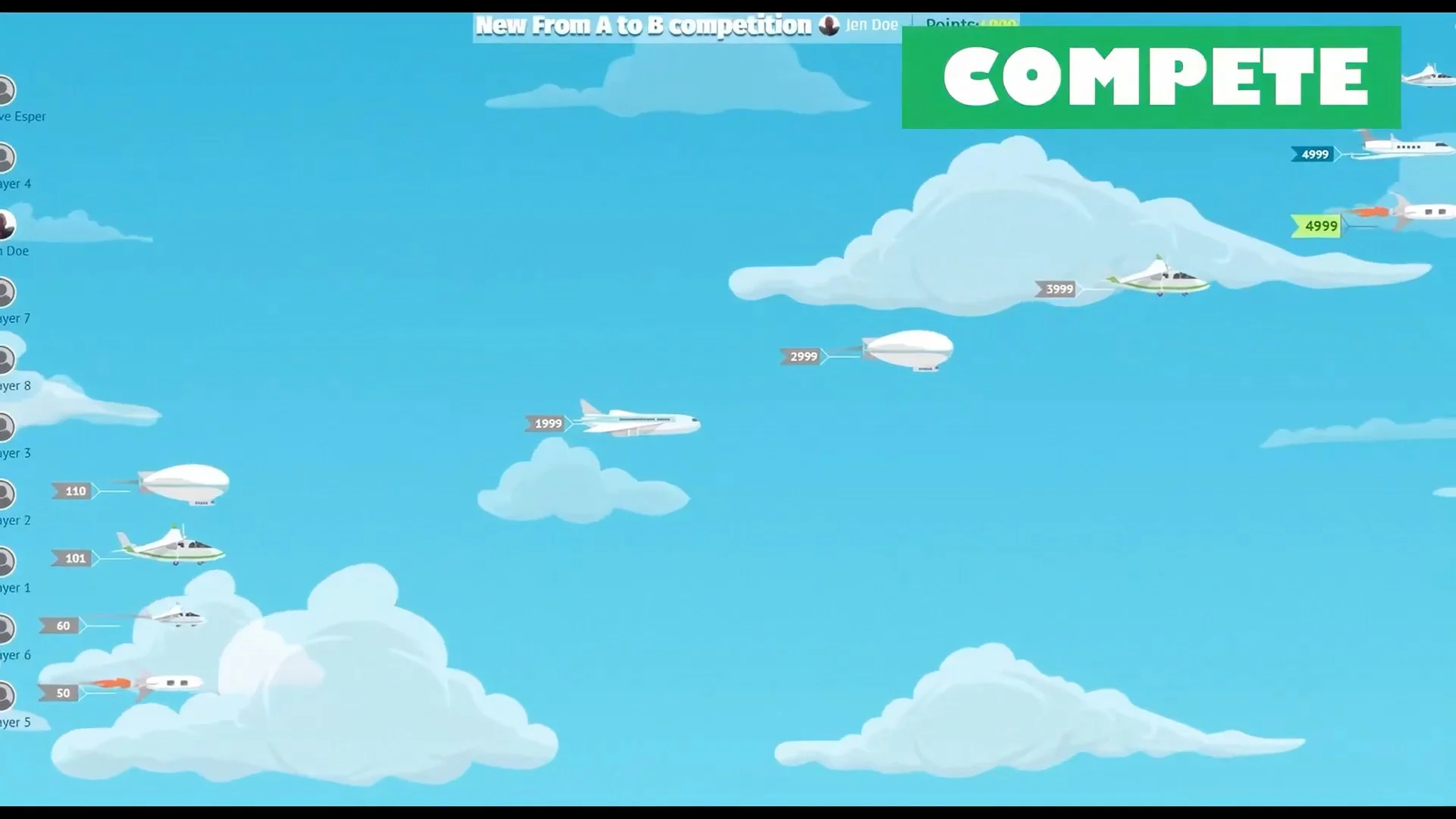
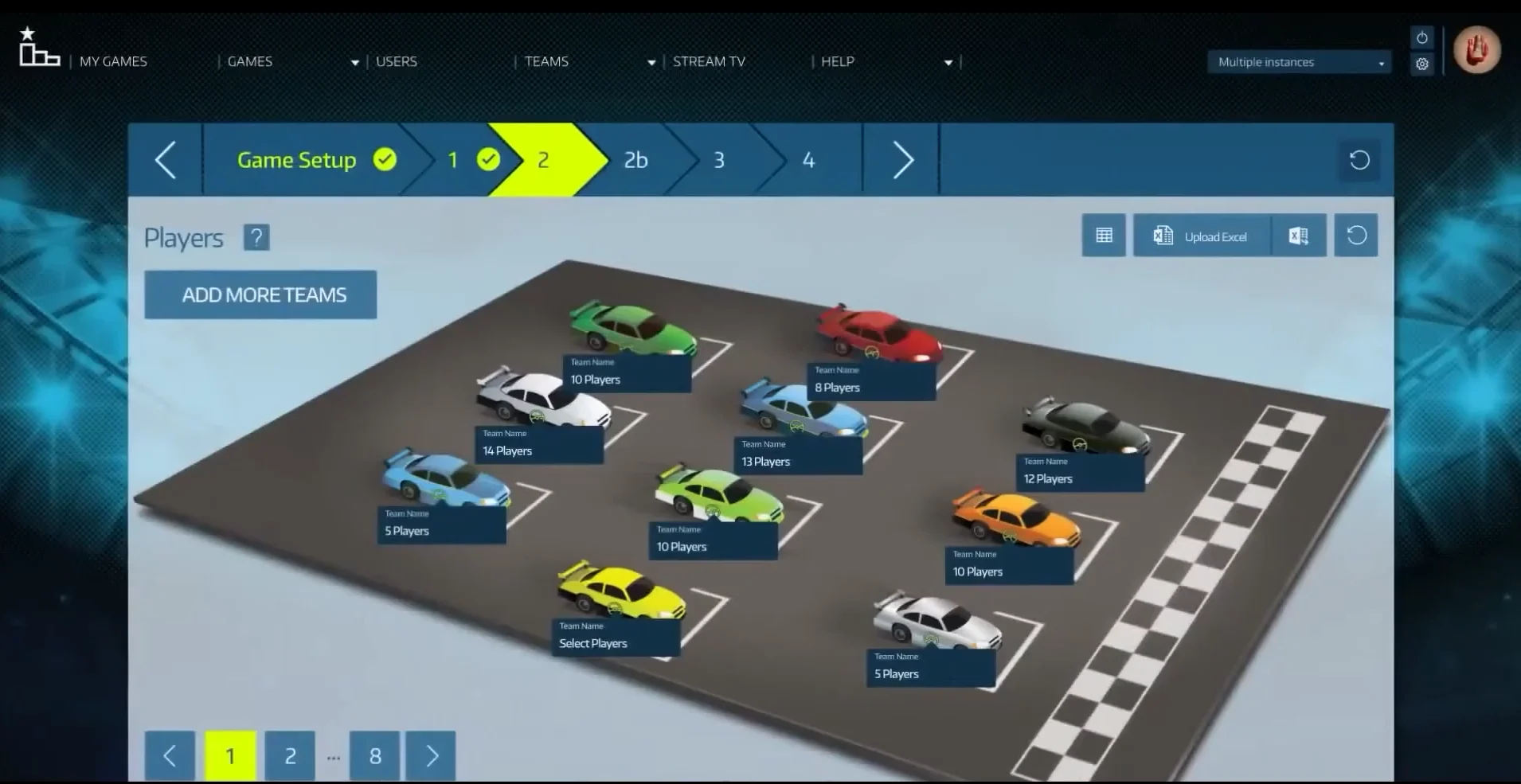
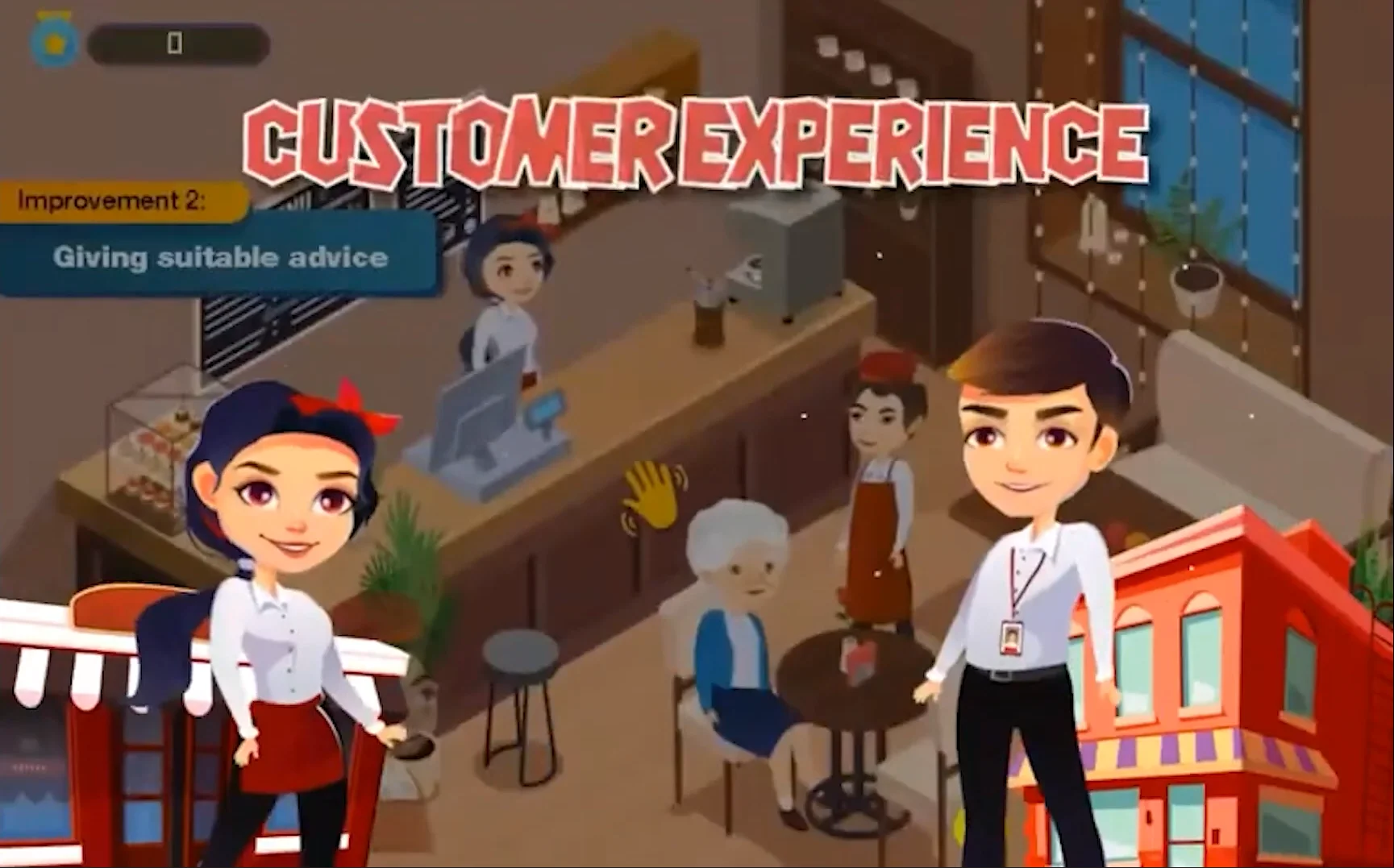
Gamification of learning solves this: it turns routine into a game, visualizes progress, and creates healthy competition. Competitions, leaderboards, rewards — all of this sustains student motivation at every stage of learning.
We help language schools implement game mechanics that reduce churn and boost engagement without completely restructuring the learning process.
The key point is that gamification works systematically: students see their achievements, compare results with others, and receive recognition for their efforts.
This gives the school a predictable outcome: stable attendance, a higher completion rate for courses, and a stream of referrals from satisfied students.
That's exactly what we deliver — we connect game mechanics with your curriculum so they reinforce each other, rather than becoming an entertainment element that distracts from education.
What Gamification of Your Company's Business Processes Delivers
Gamification turns the learning process from an obligation into a game students want to play. Competitions and leaderboards spark healthy excitement: students see their progress, compare results, and strive to rank among the best.
This directly boosts engagement — classes are attended more willingly, homework is submitted more consistently, and interest in the language stays alive between lessons.
Leaderboards work not only for academic performance but also for loyalty. When a student invests in results, they become emotionally attached to the school: their achievements are visible, recognized, and rewarded.
Such students are less likely to switch to competitors, study longer, and recommend the school to friends more often — organic growth without ad spend.
For the school itself, gamification is a way to stand out among dozens of language courses. You get your own game mechanism that students and parents talk about.
It's a competitive advantage that can't be copied with a single ad: it has to be built and developed alongside the product.
By implementing a system of ratings and competitions, you gain a manageable motivation tool. The school no longer depends on one-off promotions and discounts: instead, a constant dynamic takes shape that affects attendance, academic performance, and client retention. This serves the key business metric — predictable revenue.
Our task is to design gamification tailored to your school's processes and launch it with minimal changes to how teachers work. We handle the development of scenarios, rules, and system setup, so you get not a "game for the sake of a game" but a working growth tool.
Gamification Formats for Language Schools
In a language school, a competitive spirit helps improve attendance, motivation, and real student outcomes. But each gamification format solves its own task: leaderboards spark excitement, ratings provide transparency, team quests develop speaking skills and cohesion.
To avoid overwhelming students and to benefit the business, it's important to choose the right tool for a specific goal.
| Format | For whom / what tasks | What it gives the school |
|---|---|---|
| Competitions and leaderboards | For groups that need a boost in activity and consistency | Higher homework completion, increased attendance, healthy competition |
| Ratings | For students who want to track personal progress | Transparency of achievements, course retention, increased loyalty |
| Team quests | For speaking clubs and groups of the same level | Speaking skill development, engagement of shy students, team spirit |
By combining these formats, the school creates an ongoing game loop: students compete, see their ranking rise, and take part in team projects. This approach improves student retention and generates more referrals — satisfied students bring their friends.
If your goal is to keep students on the course and increase the average check, it's worth starting with ratings and leaderboards. For speaking practice or launching new groups, team quests are a better fit.
We select the format based on the school's goals and show at the briefing stage which option will deliver maximum results.
Step-by-Step Plan for Implementing a Game System at a Company
To keep the game system launch from turning into a "black box," we lock in the implementation stages, deadlines, and checkpoints in advance. You can see what happens at each step and understand what result you'll get right now.
This kind of project plan allows everything to be aligned before the start and avoids unexpected changes in the middle of the work.
- Brief and goals — we discuss your business task: increase student engagement, raise the number of completed assignments, sustain motivation. Together we define success metrics against which we later measure the result.
- Audit and concept — we study your learning processes, materials, and audience. We propose a competition and rating format that fits organically into classes and doesn't require teachers to restructure the entire lesson.
- Plan approval — we lock in the game mechanics, design, timeline, and control points. You approve the document — and we move forward without unnecessary questions or hidden extra work.
- Development and integration — we configure the system inside your platform or learning portal. We connect point accrual, rating display, and automatic notifications — students see their progress immediately.
- Testing and preparation — we test scenarios in real learning situations, fine-tune details, and prepare instructions for teachers. You get confidence that everything works before the system reaches the students.
- Launch and team training — we run a short session for teachers and administrators so they can start using the ratings right away. We explain how to sustain student interest and respond to their results.
- Support and development — after launch, we monitor metrics, collect feedback from teachers, and suggest improvements when we see growth opportunities. The game system stays alive and effective instead of becoming a static layer.
What's Included in the System Delivery Package
After implementation, your school gets not just a program but a complete kit for launching gamification: from training materials to teacher support.
Everything is tailored to your curriculum and goals, so teachers don't need to dig into technical details — they start using the system in their work right away.
Here's what's included in the delivery package:
- A ready-made competition and rating system: league, tournament, and reward mechanics adapted to your school, running on schedule.
- Methodological guides for teachers: lesson scenarios, sample assignments, and recommendations on how to motivate different groups of students.
- Materials for students: colorful guides, achievement cards, participation rules — everything students need to get involved in the game on their own.
- Staff training: a practical workshop for teachers and administrators, plus instructions on working with the system.
- A control panel for the school: clear reports on group progress, student activity, and competition results.
- Technical support and maintenance: assistance at every stage — from launch to regular updates.
Each element of the package addresses a specific task: less time spent on lesson prep, higher student engagement, and clear reporting for management. Our team's support ensures the system runs stably and evolves together with the school.
Case Study: Student Engagement Growth After Implementation
The English school SpeakEasy came to us with a typical pain point: a third of students dropped out after the first month of study. Motivation relied only on promises and teachers' manual effort — the result was a declining flow of students and wasted spend on attracting new ones.
We proposed a competition and rating game system embedded into the learning process. Students earned points for completed assignments, regular attendance, and helping classmates.
A leaderboard within each group and an overall school ranking created healthy competition — without pressure, but with excitement and a desire to move up to the next level.
Results in the first three months: student retention grew by 34%, and the share of those who completed the full course rose from 68% to 91%. Average test scores went up by 12%, and missed classes were cut in half.
Most importantly, the administration didn't have to change the curriculum or hire additional staff: the system works automatically after setup.
The school director noted: "We expected a rise in activity, but we didn't expect such an effect on sales — students started bringing friends because they genuinely enjoy competing." Six months later, the school ordered a second phase: an expanded reward system and team tournaments for adult groups.
The same result can be replicated at any language school — we handle the analysis, setup, and support so that measurable changes appear within the first month.
How to Choose a Gamification Format for Your Goal?
Choosing a gamification format isn't a matter of "what's trendier" but of "what solves your problem." The same competition mechanic can do wonders for attendance yet do nothing for speaking practice.
So first, it's important to understand what exactly you want from learning: regular attendance, vocabulary growth, or confidence in conversation. That determines whether it'll be a rating, a quest, or a team marathon.
The second key factor is the audience. Adult students value status and visible progress; children respond to vivid storylines and instant rewards; teenagers are driven by the spirit of rivalry and public recognition.
The format must match what already motivates your students, or the game becomes a formality. It's easier to hold attention through familiar mechanics than to break the usual class dynamic.
The third criterion is how the game is integrated into the process. If you need to boost in-class activity, short rounds and a tournament table work well. If the goal is to get students practicing between lessons, cumulative points and individual challenges work better.
A well-thought-out format doesn't distract from the curriculum — it reinforces it, creating a natural reason to review the material.
We help clients navigate these choices: at the start, we analyze your goals, audience, and current learning format, propose 2–3 suitable options, and discuss their strengths.
That way, you get not an abstract "tick-the-box" game but a tool that noticeably affects student performance and retention. A properly chosen mechanic works on its own: students keep bringing each other back to school through excitement and healthy competition.
Frequently Asked Questions About Implementing Game Mechanics
Before launching game mechanics at a language school, the same doubts always arise: will it interfere with learning, how long will it take, and what happens if something goes wrong.
We've collected short answers to the most common questions — so you can assess the risks in advance and see how implementation works with us.
How long does implementation take?
A typical project with ratings and competitions for a language school takes 3–4 weeks from the brief. In the first week, we prepare a prototype; then we test the mechanics on a real group of students.
Most of the time goes not into the technical side but into aligning the rules with your methodologists. After launch, we support the project for another two weeks and fine-tune the settings.
What if the mechanics don't suit the students?
We don't abandon the project after launch. Over the course of a month, we collect feedback from teachers and monitor student activity. If the rating isn't engaging the way we expected, we change the rules, rewards, or how often the leaderboard updates. Final tuning of the mechanics is already included in the cost — that's our guarantee of results.
How will game elements affect motivation and academic performance?
Properly calibrated competitions strengthen the regularity of classes: students see their progress in the ranking and get clear goals — catch up with a classmate or stay in the top 3.
Points are awarded not only for test scores but also for attendance, completed homework, and participation in speaking clubs. In this way, we encourage the learning process rather than a chase for grades.
Does the curriculum need to change?
No. We adapt game mechanics to your current curriculum: we use existing assignment types, topics, and schedules. The rating becomes an external layer of motivation and doesn't require reworking the teaching methodology.
Your teachers continue working as before — students simply get an extra incentive to study regularly.
Discuss Your Task — Get a Gamification Plan for Free
Leave a request — and we'll prepare a gamification plan for your language school free of charge. We'll figure out how to turn ordinary classes into an exciting competition with ratings and rewards, boost student motivation, and increase profit.
After you reach out, you'll receive a personal consultation and a document with concrete steps adapted to your school: student ages, group formats, current curriculum.
Here's what's included in the free plan:
- analysis of the learning process and the points where students lose interest;
- game mechanic ideas tailored to your goals: competitions, ratings, rewards;
- an implementation approach without pausing classes or adding extra load for teachers;
- a forecast of the effect: higher attendance, improved student retention, more word-of-mouth referrals;
- recommendations for launching a pilot group and involving the team;
- a preliminary estimate of timeline and development cost.
This isn't a promotional brochure — it's a working plan. You'll understand what to change first and be able to ask questions to our specialists. Even if you don't end up ordering the development, the plan stays with you and becomes a starting point for change.
Fill out the form — we'll get back to you within one business day. We'll discuss your goals, answer your questions, and prepare a free plan with no strings attached.