

Reward Store on Google Workspace: How to Retain Employees
Retaining key employees is one of the main challenges any manager faces. When market salaries even out, what makes the difference is not money but the feeling that an employee is valued.
Yet abstract gratitude is quickly forgotten, and corporate certificates rarely spark emotion — motivation drops, engagement declines, and valuable specialists start looking toward competitors.
A virtual reward store solves this problem systematically. Employees earn points for achievements and choose their own reward from a catalog: from company-branded merch to training certificates or extra days off.
This turns "thank you for your work" into a clear gamified mechanic, where everyone can see the path to a specific reward and understand which actions are valued.
Why this works specifically on Google Workspace. We build the store on the ecosystem your company already uses: email, calendars, spreadsheets. Employees don't need to learn a new platform or create an extra account — the reward store appears inside familiar work tools. This reduces the entry barrier to zero and eliminates resistance to new systems.
For managers, this means transparency. All point accruals are recorded automatically, and disputes about who deserves a reward and for what disappear: the criteria are built into the system's logic.
You see real team engagement and can flexibly change the rules — for example, encouraging mentorship, helping colleagues, or successful projects.
Employee motivation stops being a "black box" and becomes a manageable process that pays off through reduced turnover and increased loyalty.
What Gamifying Your Business Processes Will Bring Your Company
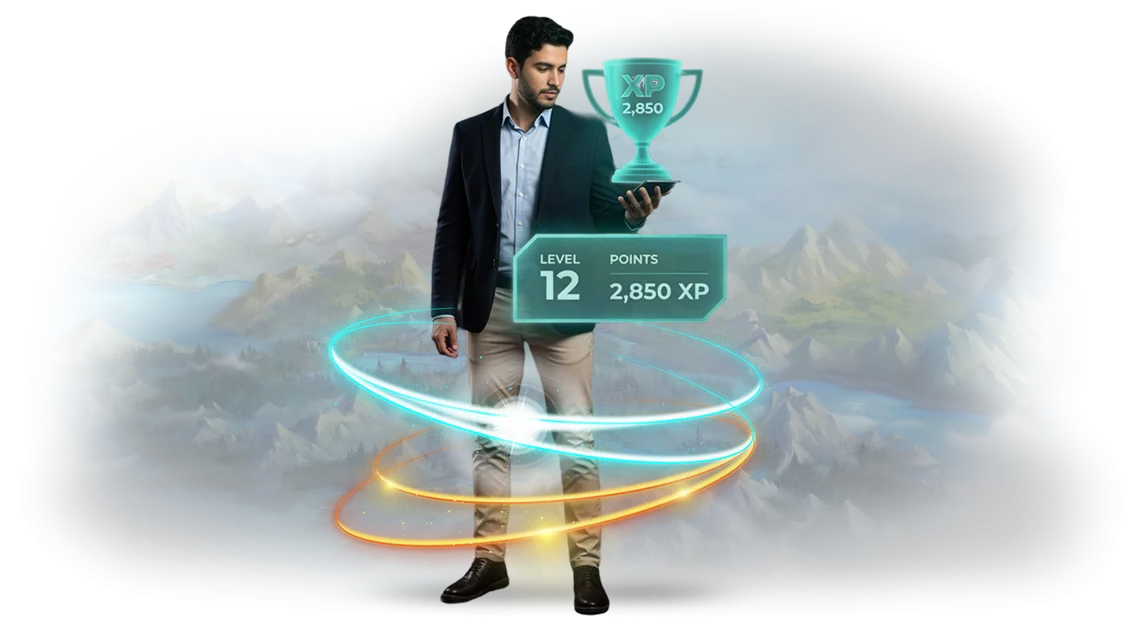
Gamification turns routine tasks into a clear and engaging system where every employee sees the connection between their actions and results. Instead of abstract KPIs, there are concrete goals, levels, and rewards — this directly boosts team engagement and motivation.
People start working not "under pressure" but with genuine interest, which inevitably improves the speed and quality of task completion.
A transparent reward system solves the long-standing problem of subjective evaluation. When achievements are recorded automatically and displayed for everyone, disputes like "why did they get the bonus and not me" disappear.
Employees see that their contribution is noticed, and recognition becomes fair and deserved. This strengthens trust in management and reduces staff turnover — a valuable outcome for any business.
For HR and managers, gamification saves dozens of hours of manual work. Familiar processes — collecting requests, approving rewards, tracking achievements — are automated.
By setting up a corporate reward store inside Google Workspace, you free the HR department from endless spreadsheets and emails. Everything happens in one system: the employee chooses a reward, the manager approves it, and HR receives a ready-made report.
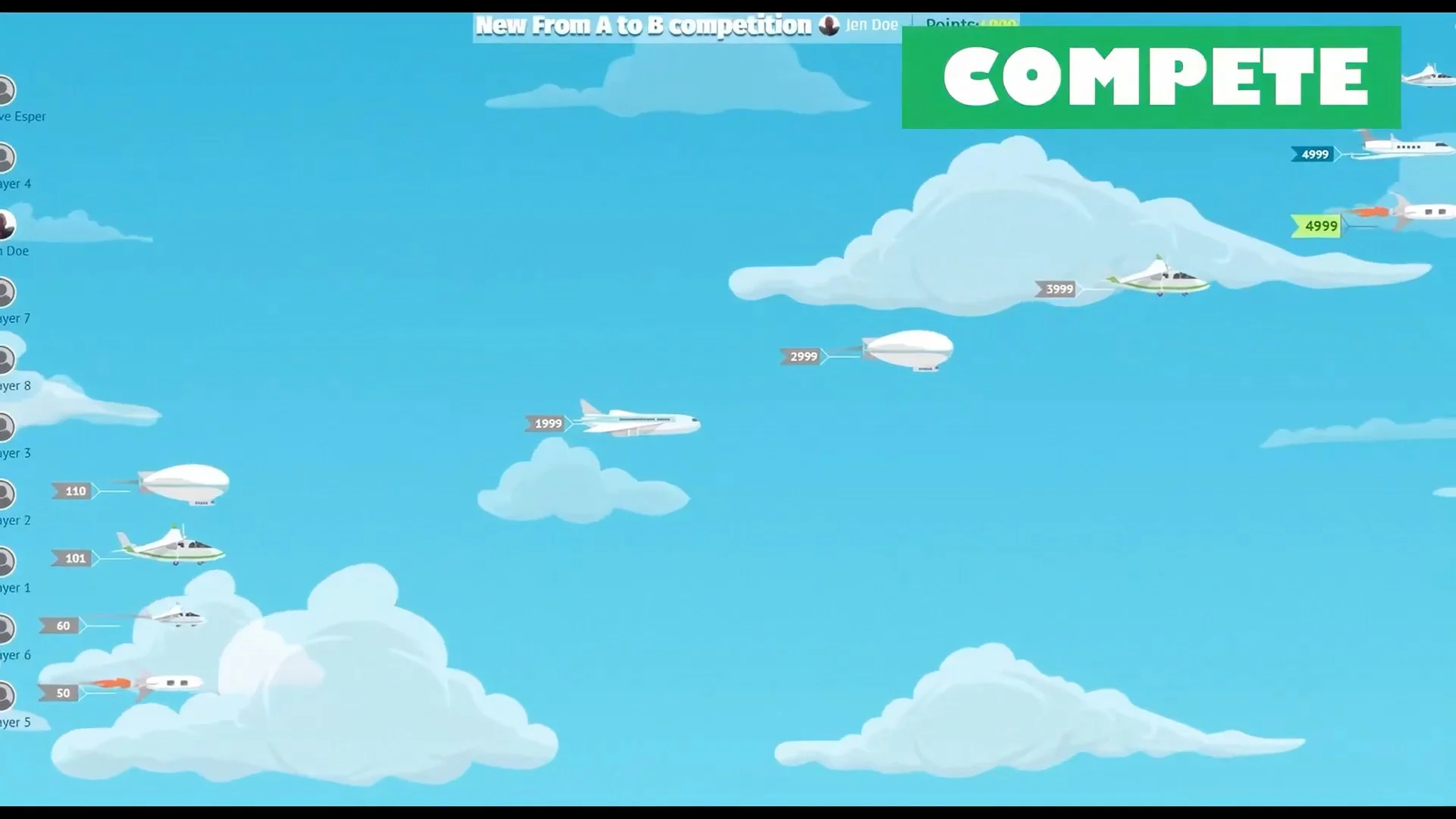
Built-in gamification also fosters a healthy corporate culture. Competitiveness, public achievements, and team challenges create an atmosphere where people want to grow.
At the same time, the mechanics are easily adapted to your company's values: you can reward not only meeting targets but also helping colleagues, learning, or showing initiative. You get a tool that works toward your business goals every day.
The effect is visible within the first months: higher productivity, fewer downtime periods, more loyal employees. And most importantly, gamification doesn't require reworking your processes.
It integrates neatly into your current workflow using familiar tools, including Google Workspace. All that's left is to define the rules and rewards — the system takes care of the rest.
Virtual Reward Store Formats for Google Workspace
A virtual reward store is an internal portal where employees see available incentives, accumulate points, and exchange them for prizes. But even the most well-designed system won't work if it falls outside familiar work tools.
That's why we build the store directly into your Google Workspace: sign-in through the corporate account, automatic synchronization with profiles, and no separate passwords.
Migration doesn't require replacing HR processes. You define the accrual rules, and the administrator manages balances through a familiar panel — employees get an easy-to-use service, and you get transparent motivation. All that's left is choosing the format that fits your business.
Three Formats: From Quick Start to Full Control
| Format | Who It's For | What It Delivers |
|---|---|---|
| Ready-Made Template | Companies up to 50 people that want to launch a motivation program within a week | All core features already work: reward catalog, cart, redemption requests. No design or complex setup needed — launch in 5 business days. |
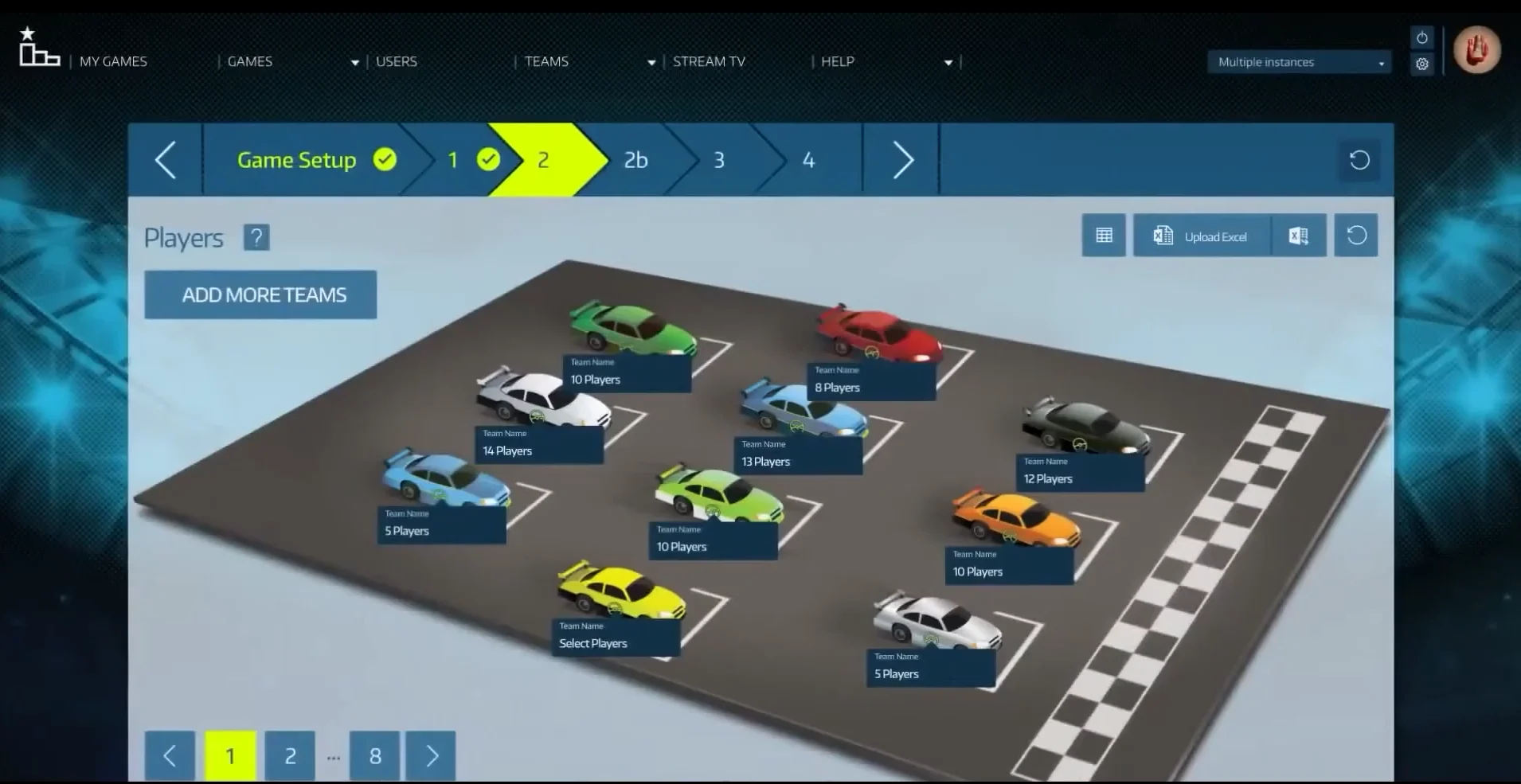
| Customized | Mid-sized businesses with a strong brand and specific reward rules | Fully adapted design, individual levels and reward types, integration with corporate culture. Mechanics can be changed: seasonal promotions, quests, competition between departments. |
| Corporate | Large companies with branches and a complex organizational structure | Separate storefronts for divisions, multiple currencies, advanced access roles, and engagement analytics. Integration with HR management systems and the corporate portal. |
If you're unsure which to choose, start with the ready-made template: it can always be expanded to the customized version without losing accumulated data.
We'll show you a demo version inside your environment for free — just leave a request, and within one business day we'll send you access.
How the Corporate Reward Store Implementation Works
We've prepared a step-by-step process that makes corporate reward store implementation transparent for you: you always know what stage the project is at and what you'll get as a result. Below are the stages, from brief to support, and what the client sees at each step.
-
Brief and System Audit On a call, we clarify the gamification goals: which achievements matter, how employees are used to receiving rewards, and which services you already use. We analyze integration options — so the store fits seamlessly into your current system.
-
Concept and Prototype Approval We present the reward logic, product catalog, and point accrual rules. You see the future store's structure from the employee's perspective: sections, order flow, and an avatar with badges. We make adjustments until the final look is right.
-
Interface Development and Integration We build the storefront, set up the connection to your system: employee import, point synchronization, and order export to HR or accounting. We prepare instructions for the administrator.
-
Testing and Pilot Launch We verify the scenarios: reward crediting, purchases, and notification delivery. We launch the store for a small group of employees, gather feedback, and fine-tune the details.
-
Full Launch We open access to all employees and provide brief administrator training. You receive statistics: who participates, which rewards are in demand, and how activity is growing.
-
Support and Development After launch, we stay in touch: we update the catalog, add new rewards, and adjust rules. We regularly share reports so you can see the impact on motivation and engagement.
What's Included in the Virtual Reward Store Package
The virtual reward store package is a turnkey solution: nothing needs to be figured out, added, or configured on your end. Everything needed for launch and operation is packaged into clear blocks — from design to employee instructions.
Here's what's included:
- Storefront and reward card design — the storefront is immediately styled to match your company's brand. Employees see familiar colors, the logo, and clear reward names, not a generic "out-of-the-box store."
- Reward administration — you decide who gets rewards and for what: set categories, point costs, validity periods, and limits. No programmer needed — everything is managed through an intuitive control panel.
- Storefront analytics — you see which rewards are chosen most often and which sit unused. This data makes it easy to adjust the assortment and motivation: for example, add more of the popular items or increase the value of certain achievements.
- Instructions for employees and administrators — short, clear guides explaining how employees redeem rewards and how administrators manage the store. No separate promotion or training needed: everything is intuitive.
- Setup documentation and technical schema — a description of the data structure, access rights, and integration with your Google Workspace. This document will be useful to your IT specialist if they want to make adjustments in the future.
- Launch plan with checkpoints — a step-by-step scenario for introducing the reward store to employees: from announcement to the first redemption. You avoid the common mistake of employees finding out about a new program by chance.
We've tested this package across dozens of projects: it covers all questions — from "how to distribute rewards" to "how to measure the effect." All you have to do is make the decision — we've already prepared the rest.
Case Study: Engagement Up 40% After Launch
For a retail chain of 120 stores, the task was straightforward: employees were losing interest in routine tasks, and turnover on the sales floor was disrupting planning.
Previous motivation methods — honor boards and official orders — had almost no impact on engagement, and employees didn't understand what they were being rewarded for.
We proposed turning the process into a game and launching a virtual reward store directly on the corporate platform the company already used. Each employee received a personal account with points for meeting sales targets, completing training, and helping colleagues.
Earned points weren't abstract evaluations — they were real bonuses that could be redeemed in the virtual store: from a day off to a training certificate.
Implementation Results
Within two quarters of launch, engagement grew by 40% — the average across metrics for meeting targets, participation in training, and activity in internal surveys. Turnover at key stores dropped by a third, and the HR team stopped drowning in manual reports.
What's especially valuable is that employees didn't need to learn new tools. Retailer "Severny" operates on Google Workspace, so signing into the virtual store with a corporate account felt familiar and fast.
This implementation case confirms: gamification works when it's embedded in the services employees already use — not when it arrives with a separate, unfamiliar interface.
A year later, the client ordered an expansion of the program to their logistics center and updated the points system for new employee categories.
How to Choose the Right Reward Store Format for Your Needs?
Choosing a reward store format isn't a matter of taste — it's about aligning with three parameters: number of employees, budget, and motivation program goals.
These factors determine whether you need a simple catalog with fixed points or a full online storefront with limits, queues, and reports.
A mistake at this stage is costly: overly complex functionality delays launch, while too simple a format won't deliver the engagement you need.
For a company of up to a hundred employees, a basic reward store inside Google Workspace is sufficient: a storefront with products, automatic point accrual, and a "redeem" button.
Here, the main criterion is speed: employees don't think about how to spend their points — they immediately choose a gift and receive it without unnecessary approvals.
For teams of several hundred people, you'll need a format with roles, request moderation, and budget limits by department — otherwise, administration will take more time than the motivation itself.
Budget determines not just the scale but also the configuration. A ready-made solution works when the program has simple accrual rules. Custom development is justified when you need to tie points to key metrics, set up co-branding, or build an exclusive prize pool.
In both cases, we offer a phased launch: first, a basic version that works within a week, then gradual development based on your data and employee feedback.
The most important factor is your goal. If you want to increase purchase regularity, the focus shifts to the points system and instant redemption. If the goal is to strengthen loyalty and brand pride, the storefront design, premium items, and achievements display take priority.
That's why, before starting a project, we conduct a quick assessment: we ask questions about current engagement levels, growth plans, and management expectations.
This is a free consultation — as a result, you get a clear format recommendation and a cost estimate without surprises.
The bottom line is simple: don't look for the "best" reward store — choose the one that fits your task. Come for a consultation — together we'll identify the format that delivers maximum effect for your team at a reasonable budget.
What If Employees Don't Use the Storefront?
It's a reasonable concern: even a well-designed storefront won't help if employees forget about it after a week. That's why, at the design stage, we build in mechanisms that keep rewards visible and participation natural. Here's how we address engagement and what we guarantee to the client.
What do you do to get employees to start using the storefront?
We don't just hand over a finished page — we embed it into your company's daily processes. The reward storefront works inside Google Workspace: employees don't need to install anything or learn a new system.
Together with you, we set up launch scenarios: announcements in internal channels, personal invitations from managers, and a starter reward catalog that immediately sparks interest.
We also connect a reminder system so the storefront subtly appears at the right moment — for example, after a project is completed or on an employee's birthday.
What if activity turns out to be low after launch? How will you influence that?
We monitor the first weeks of operation: we track which pages and rewards attract attention and where employees drop off. Based on this data, we adjust the catalog, reward descriptions, and interface — making the storefront clearer and more appealing for your specific audience.
We also help run short promotions: for example, seasonal rewards or a competition between departments. This is a standard part of our support, not a separate paid service. If needed, we'll suggest changes to the motivation program or advise on how to get managers involved.
What guarantees do you provide, and will employees receive training?
Guarantees are formalized in the contract: we specify the scope of work, timelines, and support terms. We train administrators to work with the storefront, and for employees we prepare short instructions and video guides — no special training is needed, everything is intuitive.
After launch, we stay in touch: we answer questions, collect feedback, and make adjustments if the storefront is inconvenient in specific scenarios. You're never left alone with an engagement problem — we support the project until stable results are achieved.
Order a Turnkey Virtual Reward Store Development
Imagine: employees choose their own rewards instead of receiving a standard set from a catalog. A virtual reward store turns a motivation program into a living tool: a prize storefront, internal currency, automatic redemption.
The team sees that their contributions are valued, and HR spends time not on manually selecting gifts but on talent strategy.
We develop this store turnkey: we connect it to your Google Workspace, fill the catalog according to your budget and goals, and train administrators. You don't need to find separate contractors — one project covers design, integration, and support.
What you get after placing an order:
- A branded storefront with your logo and style — employees see a familiar brand, not an anonymous catalog.
- Native integration with your work environment: single sign-on for employees, automatic synchronization of roles and departments.
- A transparent mechanism for point accrual and reward redemption — no manual spreadsheets or calculations.
- A catalog tailored to your budget: from merch to certificates, taking into account your team's interests.
- Administrator training and employee instructions — a launch without chaos.
- A warranty on all work and technical support after launch: we commit to timelines and take responsibility for results.
Service cost is calculated after a short brief: catalog size, number of employees, and integration depth. You receive a fixed estimate before work begins — no hidden fees or unexpected surcharges. An average project takes two weeks to a month — the exact timeline is specified in the contract.
Leave a request on the website — we'll get in touch within one business day, clarify the details, and propose a solution for your task. Order virtual reward store development so that motivation works for you and employees feel recognized every day.