

Why Jira doesn't increase team productivity?
A company implements Jira to bring order to tasks, but after several months the system often becomes a formality. Employees close tasks "just to check a box," avoid updating statuses, and managers spend hours compiling reports instead of developing the business. The tool works, but business results stand still — does that sound familiar?
The reason is simple: Jira records processes but doesn't create motivation. People need to see their contribution, receive recognition, and understand that their efforts bring them closer to a shared goal.
When the system is perceived as control, employee engagement drops — and even the most convenient interface doesn't save it.
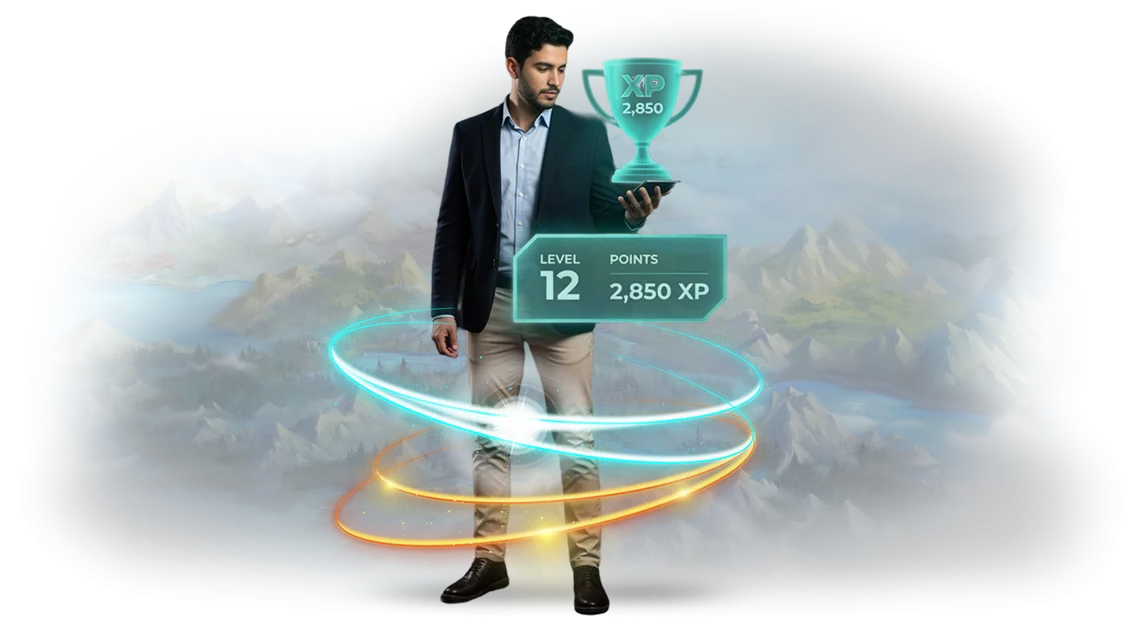
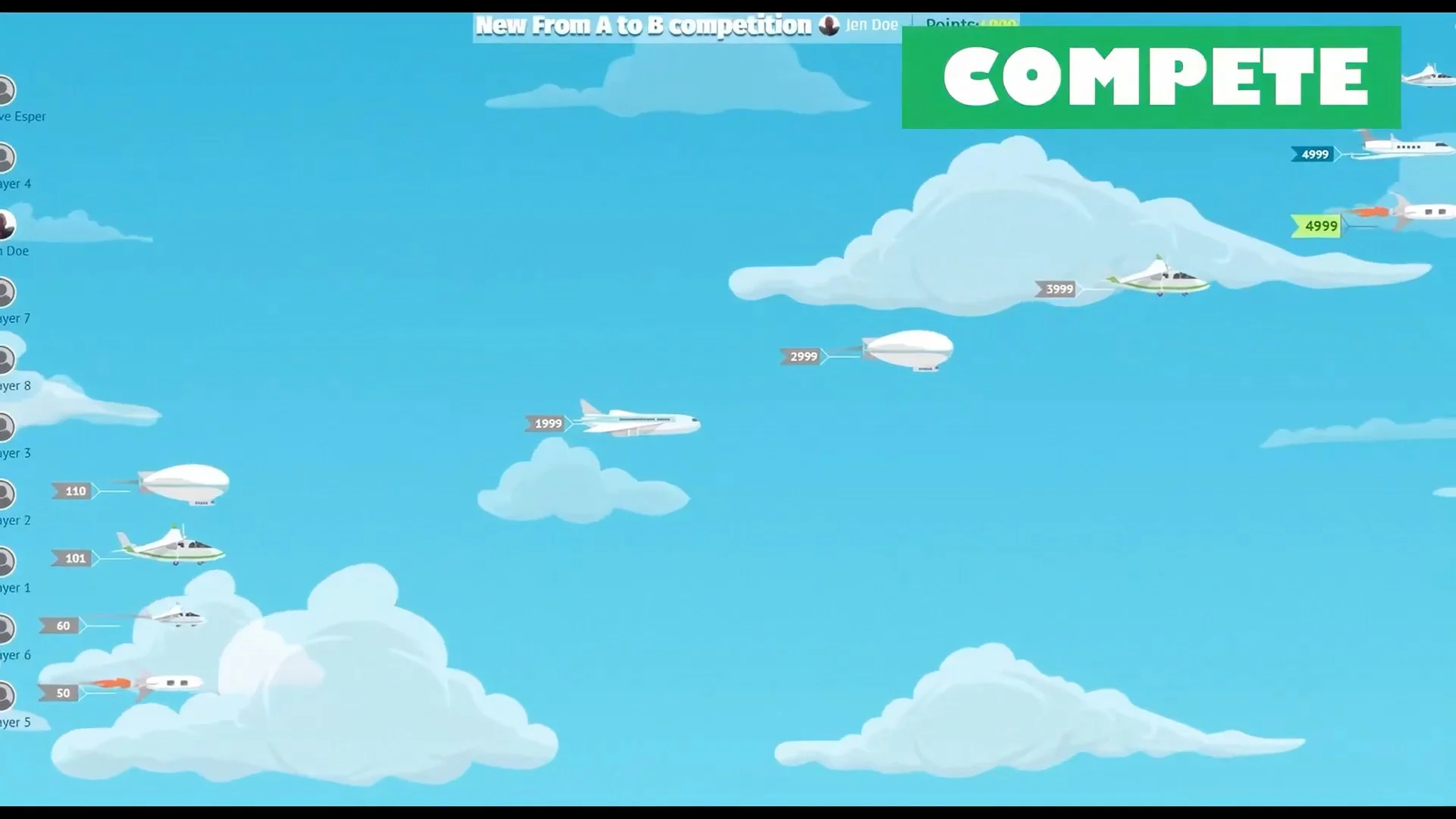
Jira gamification changes this dynamic: routine tasks turn into a game with levels, points, and rewards. An employee completes work and immediately sees their progress, compares results with colleagues, or takes part in team competitions.
Business processes accelerate not through pressure but through interest — motivation grows, and management relies on clear engagement metrics.
We combine Jira's capabilities with game mechanics that everyone knows: quests, levels, rewards. The client gets a living system that the team uses voluntarily and regularly, not under duress.
Productivity grows without additional costs for control and without overtime — that's the very result the implementation was started for.
What a corporate rewards store gives employees and business
A corporate rewards store turns routine work into a game with clear rules and real bonuses. An employee sees the rewards showcase, understands what points are awarded for, and decides what to spend them on — from an extra day off to merch or training. This works more powerfully than abstract praise in a private message.
Gamification increases engagement: tasks stop being an endless "must-do" list — every action brings the employee closer to a reward. Corporate rewards give a solid anchor: the employee accumulates points, unlocks levels, and sees their own progress.
The result is higher frequency and quality in completing routine operations, without pressure or coercion.
A transparent reward system relieves tension and distrust. The accrual rules are known to everyone in advance, so people don't get the feeling that a bonus was given "through connections" or by accident.
When rewards are tied to objective metrics, staff motivation grows without extra effort from managers.
For business, such a store is a practical tool for improving KPIs. The company decides which actions deserve points: meeting the plan, helping colleagues, training, initiatives. The system collects statistics and shows what actually moves the metrics and what should be adjusted. In the end, the team itself focuses on results, not on formal presence.
The rewards store works inside Jira, so employees don't need to switch between systems or learn new tools. Setup takes minimal time, and the effect is visible within the first weeks: higher activity, less negligence, and a genuine interest in shared goals. It's one of the most tangible ways to connect gamification with real business metrics.
Gamification formats in Jira: from ratings to a rewards showcase
Gamification in Jira is not just points and badges — it's a working tool for team management. Depending on what you need — faster task closure, higher engagement, or a long-term incentive program — we choose one or more formats.
All of them integrate into the familiar Jira interface and don't require employees to learn new systems.
| Format | For whom | What it gives the client |
|---|---|---|
| Jira ratings | Department managers who need transparent work dynamics | Shows who is driving the project, personal effectiveness grows, and a healthy competitive spirit appears without manual oversight |
| Badges and levels | Teams that need quick feedback and recognition | Instant response to achievements: the employee sees the result immediately, engagement grows, turnover decreases |
| Virtual rewards store | HR and marketing for long-term motivation | Accumulated points are exchanged for real prizes — from merch to an extra day off — building lasting loyalty |
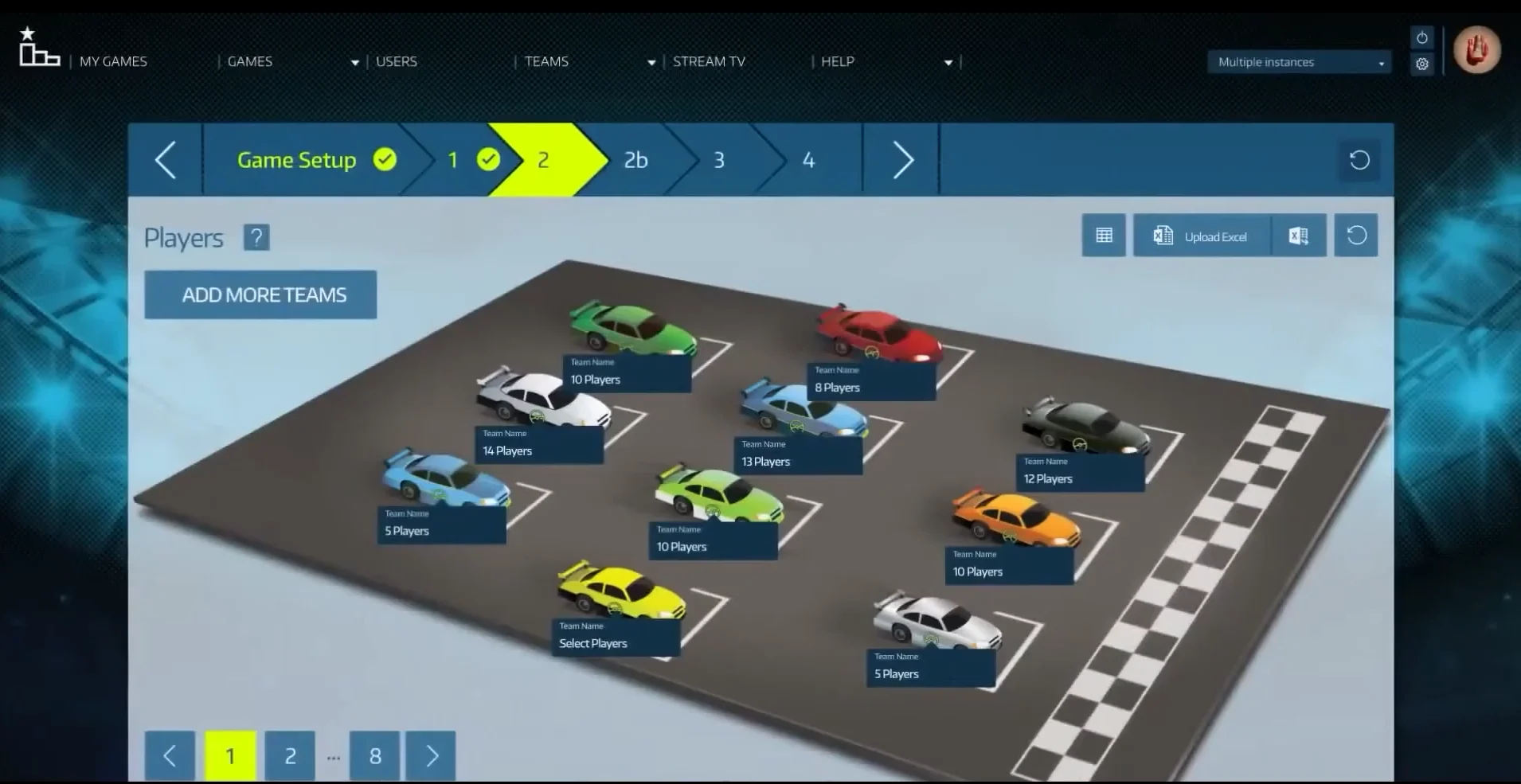
| Team quests | Project groups and cross-functional teams | A shared goal unites employees, conflicts decrease, and tasks are solved faster through joint effort |
The formats combine easily: for example, Jira ratings create transparent competition, badges mark small victories, and accumulated points are spent in the rewards showcase. That creates a closed motivation loop — from a daily action to a valuable prize. Team quests add an element of collective success, which is especially important for project groups.
We help choose a scenario based on your tasks and budget, set up the mechanics, and support the launch so employees quickly join the game and you see measurable results — more closed tasks, shorter timelines, and higher team satisfaction.
How gamification implementation works: the client's journey
We've structured the process so you always understand what's happening and when the result will arrive. At each stage you make the key decisions, and we handle all the technical work.
Implementation usually takes two to four weeks — the exact timeframe is set at the start of the project.
Implementation stages
- Brief and task definition — you tell us about your business goals, audience, and desired employee behavior. We record success criteria, timelines, and areas of responsibility.
- Process and audience analysis — we study how motivation currently works, what prevents more effective work, and which mechanics suit your team specifically.
- Prototype and scenario — we show what the gamification will look like: which actions are rewarded, what rewards and levels employees receive. You see the logic before development starts.
- Approval and adjustments — we discuss the prototype, make edits, and approve the final version. No "on-the-fly" changes without your knowledge.
- Development and integration — we build the corporate rewards store and configure it inside your Jira. The system runs in parallel with current processes without stopping the team's work.
- Launch and training — we switch on the gamification, give a short presentation to employees, answer questions, and help with the first actions.
- Support and development — after launch we track metrics, adjust mechanics, and add new rewards as business goals evolve.
Each stage ends with a clear outcome: you always know what you're getting and when. Approval takes minimal time — we show all decisions in a convenient format in advance, so you don't need to dive into technical details.
What's included in the project: deliverables and documentation
By ordering a virtual rewards store, you get not just a configured system, but a complete working package. We hand over the project so HR and marketing can launch the motivation program immediately after acceptance, without involving your developers.
The delivery includes:
- A ready-made rewards store: a showcase with a catalog, employee and administrator personal accounts, a clear reward selection process, and accrual history.
- Jira integration: points are awarded automatically for completed tasks and achievements — managers don't need to keep track manually.
- An admin panel with reports: see which actions are rewarded, how many points are awarded and spent, and which rewards employees choose.
- Full documentation: employee instructions, admin regulations, and point accrual rules. Everything is written in business language, without technical details.
- Team training: a webinar for administrators, video instructions, and answers to questions in the first weeks of operation.
- Warranty and support: we formalize the support and defect-fixing terms; you always know who to contact at any moment.
You accept the work against a checklist and receive a single package that can be developed further. We commit to responsibility in a contract and provide clear deadlines at every stage — from brief to launch and documentation handover.
Case study: how gamification in Jira increased engagement by 40%
The challenge and context
The client was an IT company with a distributed team of 120 people. Tasks were set in Jira, but execution was sluggish: routine wore people down, deadlines slipped, and employees saw no point in exceeding the plan.
Motivation rested only on salary and occasional bonuses, so activity declined quarter after quarter.
How we implemented the rewards showcase
We proposed turning work into a game. We implemented a corporate rewards store in Jira: employees earned points for every closed task, helping a colleague, or completing training.
Accumulated points could be exchanged in the virtual store for real prizes — from merch to an extra day off. This approach added excitement and made everyone's results visible to the whole team.
After two months, engagement rose by 40%, and the number of tasks completed on time increased by 28%. Healthy competition emerged between departments, and a team survey showed that 87% of employees began to approach task assignment with greater interest.
Even those who previously worked strictly "by the clock" started proposing process improvements.
The main value is not one-off numbers but lasting change. Six months later, the client ordered additional modules: team competitions and an annual achievement rating.
This confirms that gamification in Jira works and pays off, and that employees stay engaged even after campaigns end.
Frequently asked questions about gamification: answers before the project starts
Before a project starts, clients have three concerns: safety, complexity, and return on investment. We answer briefly and remove the main risks.
Is it safe to connect gamification to Jira?
Yes. The system operates inside your perimeter; employees only see what their roles allow. Nothing is transmitted outside, and changes are first tested in a test environment.
Will employees have to be retrained?
No. The gamification integrates into familiar processes: rewards and tasks are added, while the interface stays familiar. A short webinar is enough — the system guides users from there.
Is it expensive and when will the effect appear?
The cost depends on scope, but we select a scenario that pays off through faster delivery and reduced turnover. The first results appear within a month.
Who supports us after launch?
We stay in touch: we fine-tune mechanics, advise on development, and resolve issues. No queues or formal tickets — direct contact with the team.
If you still have doubts, ask them before you start. We'll answer specifically for your process so you understand what you're paying for. This isn't a toy — it's a motivation management tool.How to choose the right format for your business task?
Choosing a gamification format is not a matter of fashion or personal preference — it's a result of your business task. If the goal is to increase employee engagement in routine processes, light mechanics are enough: points, levels, competitions.
When it comes to building a long-term culture of recognition, you need a full-fledged tool — for example, a virtual corporate rewards store integrated with Jira.
To avoid guessing, we start with a quick diagnosis. On a free consultation, we look at who your audience is, which processes you want to strengthen, and which metrics you consider key. No deep technical dive — only business context and the expected result.
When it's done, you get a format recommendation: from simple mechanics in your existing system to a comprehensive solution with a prize catalog and automatic reward issuance.
It's important that gamification solves a specific task — for example, increasing the number of completed tasks, reducing approval time, or improving cross-functional collaboration.
A corporate store in Jira is especially effective when you need to tie recognition to real work actions. The employee sees how their achievements convert into points and prizes — it's clear and motivating without extra effort from managers.
We help not only choose a format, but also shape it to your specifics. After the diagnosis, you get a clear picture: what functionality is needed, how it fits into your processes, and which metrics to track. No abstract proposals — only recommendations tied to your situation and an implementation plan.
Book a consultation — in 30-40 minutes you'll understand which format will deliver the greatest effect for your team. We'll show with concrete examples how similar companies solve similar tasks, and help you make a decision without unnecessary risk.
Discuss your project: get a cost estimate for your Jira
To talk about cost, we need to see your Jira: how many employees will participate, how the reward logic is structured, and what prize catalog you have in mind. Without that, any figure would be guesswork.
Send us a request — we'll study your business processes and calculate the project for your configuration, not against an abstract template.
We'll come back with a clear solution: what you get, how long implementation takes, and what result to expect. No "we'll clarify later" — in the first exchange we give you the structure and cost. The estimate is free and doesn't obligate you to anything.
What you get after submitting a request:
- We'll send the estimate within one business day — no long approvals or unnecessary meetings.
- We'll account for your reward accrual logic, employee roles, and types of recognition — the solution will match your rules.
- We'll propose a scenario that integrates into your current Jira and doesn't disrupt familiar workflows.
- We'll advise free of charge on which gamification mechanics will boost engagement the fastest.
- We'll show examples of similar projects — you'll see how it works before the start, not after.
- We'll explain next steps: launch, team training, and post-implementation support.
For an estimate, a short description is enough: how many people will use the store, what rewards you're planning, and what the main result is for you. We'll figure out the rest ourselves.
Submit a request through the form — within the next few days you'll have a clear plan for implementing a virtual rewards store in Jira with transparent cost. Start with the estimate — it obligates you to nothing, but answers all your questions.