

Employees Are Burning Out — How Gamification Brings Interest Back to Work
Burnout starts unnoticed: an employee stops seeing meaning in routine tasks, works on autopilot, and loses interest in the outcome.
A manager notices it through declining productivity, lateness, and rising turnover — and replacing a valuable specialist costs the business months of searching, onboarding, and lost team energy.
The problem is that familiar KPIs and bonuses stop motivating: they are taken for granted rather than seen as recognition. People need fast feedback, a sense of progress, and a clear goal.
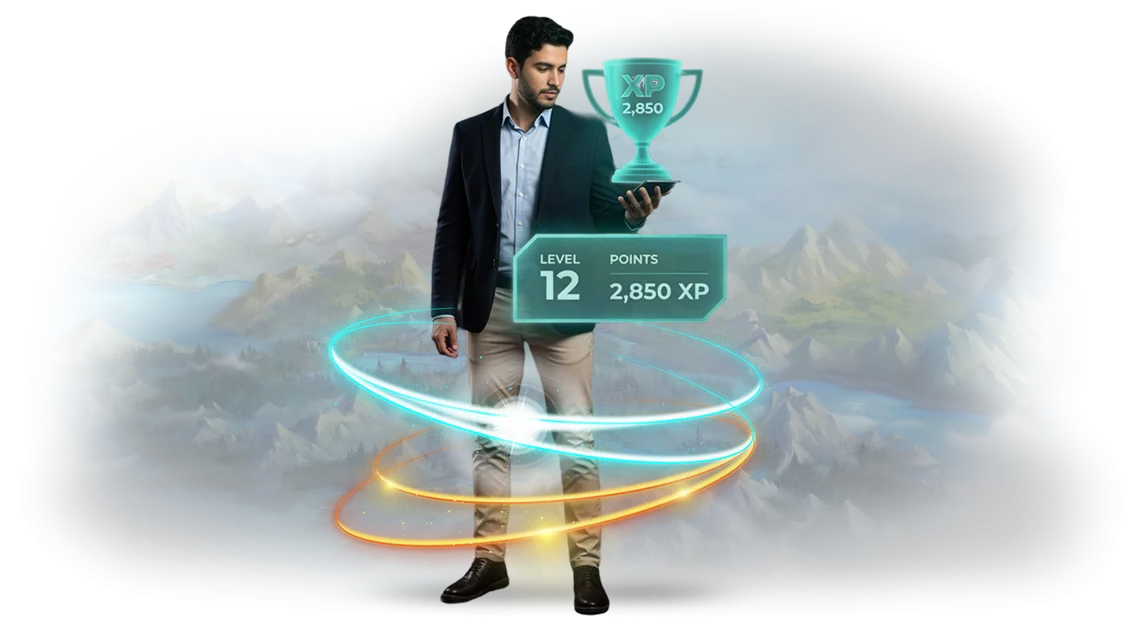
This is where implementing gamification turns work processes into a game: employees earn points for completed tasks, unlock levels, and exchange their accumulated points for rewards in a corporate reward store.
Motivation works on the principle of natural competition and achievement, without requiring manual oversight from the manager. Instead of abstract "well done" — a transparent bonus system and a prize showcase that the employee sees every day.
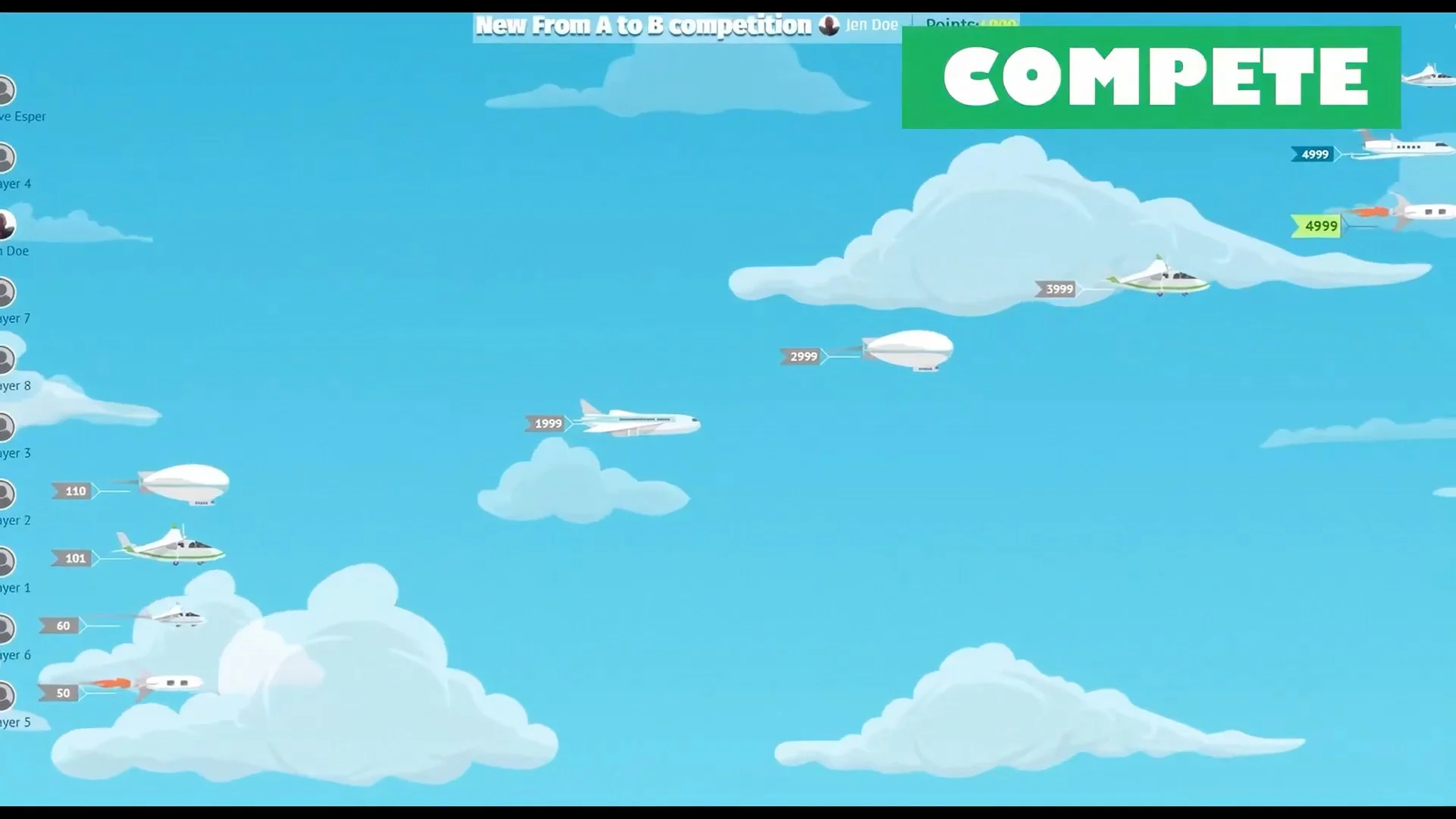
This boosts engagement, creates healthy competition between teams, and brings back the excitement even to the most boring processes.
For the business, this means measurable results: higher plan completion, lower turnover, and sustained loyalty.
Gamification works 24/7 without manager involvement — employees strive for achievements on their own, and the corporate reward store turns routine into a game that is hard to resist.
We will cover this need: we will design motivation mechanics for your tasks and implement them, so that interest in work returns to every team.
What Results a Corporate Reward Store Delivers
A corporate reward store turns one-off motivation into a permanent system. The employee sees that every completed KPI brings them closer to a specific reward — this is a clear link between effort and outcome. Instead of abstract promises, the company gets measurable growth in productivity and engagement.
The main result of gamification is higher KPIs. When rewards build a showcase with points and levels, teams themselves look for ways to exceed the plan.
Based on our data, in such projects the frequency of hitting target metrics grows several times over — without additional spending on motivation programs.
The second effect is employee loyalty. The ability to choose a reward to fit yourself (from merch to training or an extra day off) increases the value of working at the company. People feel cared for and stay longer, while turnover decreases. This is direct savings on hiring and onboarding new people.
The third result is revenue growth. Engaged employees serve customers better, close deals faster, and offer upsells more often. A satisfied team directly affects repeat purchases and average order value, so investments in corporate rewards pay off through commercial metrics.
We build such stores on the platform: we automate point accrual for completed tasks, connect a reward catalog, and provide transparent analytics for HR. The manager sees which actions are rewarded, and the employee sees their progress and available prizes.
As a result, motivation stops being a one-off event and becomes a system that continuously improves business efficiency.
Gamification Formats: Showcase, Points, Levels
A corporate reward store is a way to turn routine tasks into a clear game. The employee sees: completed a goal — earned points, accumulated enough — chose a prize, raised their status. And the manager gets a motivation tool without manual control or extra reports. The key is choosing the format that fits your specific process.
Below are three standard corporate store formats. They differ in setup complexity and depth of engagement, but in every option the employee understands the rules and sees their benefit.
| Format | Who it's for | What it gives the client |
|---|---|---|
| Reward showcase | Small departments that need to quickly reward a completed task | Transparent prize catalog, fast launch, minimal management involvement |
| Points and levels | Companies with regular processes and systematic KPIs | Higher motivation through statuses, long-term engagement, clear "action → reward" link |
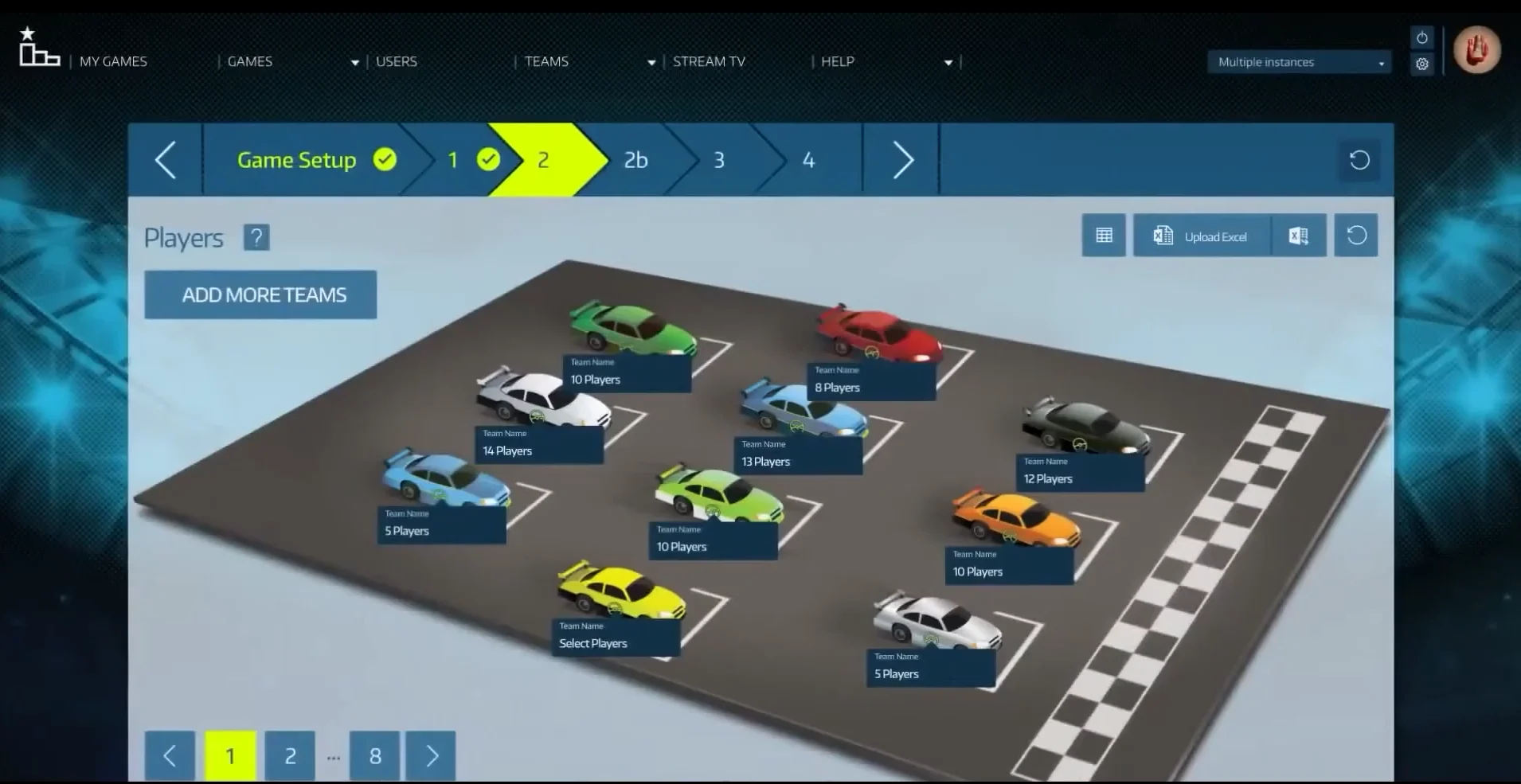
| Full gamification | Organizations where team spirit and competition matter | System of team goals, leaderboards, links to business metrics, a unified reward showcase for the entire company |
Choosing a format depends on your task. If you need to quickly get employees engaged in a new process — a showcase is enough: launch in a couple of weeks, and the team starts choosing prizes.
If the task is to maintain regular motivation, add points and levels: the "expert" or "leader" status works just as well as a cash bonus, while costing several times less.
Our specialists will help you choose the right format, configure the corporate store, and embed it into your motivation system. Launch a pilot with one team — and within a month you will see higher engagement and plan completion without administrative leverage.
Stages of Building a Virtual Reward Store: From Brief to Launch
Developing a virtual reward store is a step-by-step process in which you participate at every stage. We agree on the plan, timeline, and outcome in advance so that the corporate store implementation goes off without surprises.
Below are the development stages proven across dozens of projects for companies from various industries.
-
Gamification brief. We collect program goals, employee profiles, point accrual rules, and the list of rewards. We define how the store should impact engagement and repeat orders. The output is a technical specification that is clear to both managers and HR specialists.
-
Prototype and plan. We show a layout of the future showcase: reward catalog, categories, and an employee personal account with a point balance. We agree on the workflow logic and a schedule — you know what you will get and when.
-
Design and approval. We prepare mockups in your brand style: reward cards, selection screens, and confirmation screens. We make edits until the interface is intuitive for employees.
-
Setup and integration. We configure point accrual and redemption, admin roles, and activity reporting. We connect the showcase to your accounting system so that employee and order data is processed automatically.
-
Testing and preparation. We verify typical scenarios: choosing a reward, insufficient points, canceling a request, prize fulfillment. We prepare instructions for employees and brief training for administrators.
-
Project launch. We move the store into the production environment, open access for the team, and provide support during the first days. We quickly fix issues and collect feedback so the launch goes smoothly.
-
Support and growth. We stay in touch after launch: update the catalog, add rewards, adjust rules, and help expand gamification to new business processes.
What's Included in the Delivery: A Checklist for the Client
For the client, it is important to understand what's included in the delivery: not just a "working program," but a complete kit for launch and ongoing operation.
We have put together a checklist so you can verify everything, avoid missing anything, and not depend on developers at every step.
- Working virtual reward store system – employees see the prize catalog, accumulate points, and redeem them according to the rules you set.
- Integration – point accrual, employee directories, and reward history are automatically synced with your CRM/HRM. No manual entry and no data discrepancies.
- Clear administrator instructions – step-by-step guides on configuring rules, adding prizes, and launching promotions. Someone without a technical background can handle it.
- Employee training – a short online training session for the team: how to use the store, where to check the balance, and how to place an order for a prize.
- Gamification documentation – a description of game mechanics and motivation scenarios so you can grow the system without us.
- Technical support at launch and during the warranty period – we help implement, answer questions, and quickly fix any issues.
This is not just a set of files, but a complete package that hands the system over to your team for operation. You get a transparent result: everything stated in the brief is documented and confirmed through training. If questions arise along the way, the manager who led your project will be available.
Case Study: How We Increased Employee Engagement by 60%
The Task and the Solution
A large retailer with a network of 2,000 employees ran into a typical problem: internal reward programs were running idle. Certificates and bonuses did not create a connection between results and rewards. Management wanted to revitalize the corporate culture but did not know where to start.
We proposed a virtual reward store. Every achievement brings points that the employee spends on real prizes. All the logic lives inside the familiar CRM: clear for HR and transparent for employees.
The Result
After six months, engagement grew by 60% — these are actual figures, not surveys: the number of active participants increased by 1.5 times, and repeat rewards doubled.
The client's manager admitted: "People talk about points by the water cooler and compete to see who reaches a goal faster. For the first time, the motivation system has come alive."
After the launch, the client ordered the system to be rolled out to all branches — the best indicator of success.
The corporate store turned an abstract loyalty program into a daily ritual: the employee sees progress, understands what is missing to reach a prize, and influences the outcome themselves.
For the business, this is a manageable tool: it shows which actions are rewarded most often, and the rules can be flexibly adjusted to current goals. This approach — embedding gamification into existing processes — delivers measurable results rather than just a nice showcase.
How to Choose the Right Gamification Format for Your Task?
There is no one-size-fits-all gamification format — the right option depends on two things: what business task you are solving and what budget for gamification you are prepared to allocate.
If you need to quickly launch a reward program and show employees the value of their contribution — a reward showcase is enough. If you need to rebuild the motivation system with points, levels, reports, and analytics — you need a full system with competition mechanics.
At the same time, "showcase or full system" is not a fork in the road but a spectrum. Many companies start with a simple corporate reward store and then add levels and team challenges a few months later.
That is why it is better to select a solution together with the implementer: they see what is already automated and will propose a format for your business goals rather than "the most feature-rich one."
| Format | Suitable when | What the client gets |
|---|---|---|
| Reward showcase | You need to launch rewards quickly and have a budget for a starter project | Transparent prize catalog, automatic point issuance, HR time savings |
| Full gamification system | You need to increase engagement and change employee or customer behavior | Points, levels, leaderboards, performance analytics, growth in repeat actions |
| Hybrid option | There is a working program but motivation is lacking | Gradual addition of mechanics without replacing current processes |
We match the format to the task and budget rather than selling a "maximum configuration." First comes a short briefing: what needs to be measured, who participates, what the timeline is, and what budget for gamification is allocated. Then we propose a solution — from a reward showcase to a full motivation platform.
This way you pay for results, not for features you will not use. Implementation takes from two weeks to two months — and at every stage you understand what you are getting, what it costs, and what effect it will bring to the business.
Answers to Common Questions About Gamification Implementation
Implementing gamification into business processes usually raises the same doubts: is it too complex, how long will it take, will employees reject it, and will the investment pay off.
We answer the main questions — without technical details, only about the benefits for your business.
Is it difficult to implement gamification?
No, if it is done systematically. We adapt the mechanics to your processes, and employees keep working in the familiar interface — without retraining or downtime. The implementation complexity is comparable to setting up a corporate portal, and we take on most of the work.
How long will development take?
Standard gamification launches in a few weeks — from brief to first activation. We lock in exact timelines in the plan before the project starts, so you know the delivery date in advance. For complex scenarios, timelines may be longer, but they are always transparent.
What if employees do not accept the new mechanics?
We design the system so that it is clear and motivating for different types of people: quick wins at the start, real rewards, clear goals. At launch, we provide training and adjust the mechanics based on feedback — the team joins the game rather than resisting it.
Does such a project pay off quickly?
The first results are visible within a month: engagement grows, task completion speeds up, and turnover decreases. The built-in analytics lets you track the effect in numbers and make changes in time, so payback is not guesswork but a manageable process.
We have already delivered dozens of similar projects across different industries — from retail to logistics. If you still have a question, ask it in the comments: we will answer specifically for your task.Order Turnkey Gamification of Business Processes
Leave a request, and we will take the project end to end: from idea to launch and support. You will get gamification embedded in your current work, with a virtual corporate reward store that is clear to employees and beneficial for the business.
We have already delivered similar projects and know how to turn routine into a source of motivation.
What you get after placing an order:
- process analysis and selection of game mechanics for your business goals;
- turnkey development: scenarios, design, setup, and implementation;
- a virtual reward and prize store that motivates employees daily;
- team training and instructions so the system works from day one;
- post-launch support: adjustments, maintenance, and mechanic growth;
- transparent timelines and a fixed cost with no hidden fees.
Each item is not just a feature but a tool that increases engagement, reduces turnover, and makes results visible. You get a working turnkey system, not a set of technical specifications.
The first step is a short consultation. We will clarify your goals, show examples, and propose an implementation plan. After that, you receive a timeline and cost calculated after audit, and then we lead the project from idea to launch ourselves. Leave a request for a consultation — we will respond within one business day.