

How bar owners can bring back guest flow through gamification
A bar owner knows how hard it is to keep guests when dozens of similar venues around are flashing bright ads and discounts. One-off promotions attract people for a single evening but don't build the habit of coming back.
Guests go where they get not just drinks, but emotions and an engaging experience — that's why gamification for bars becomes an effective tool for restoring visitor flow.
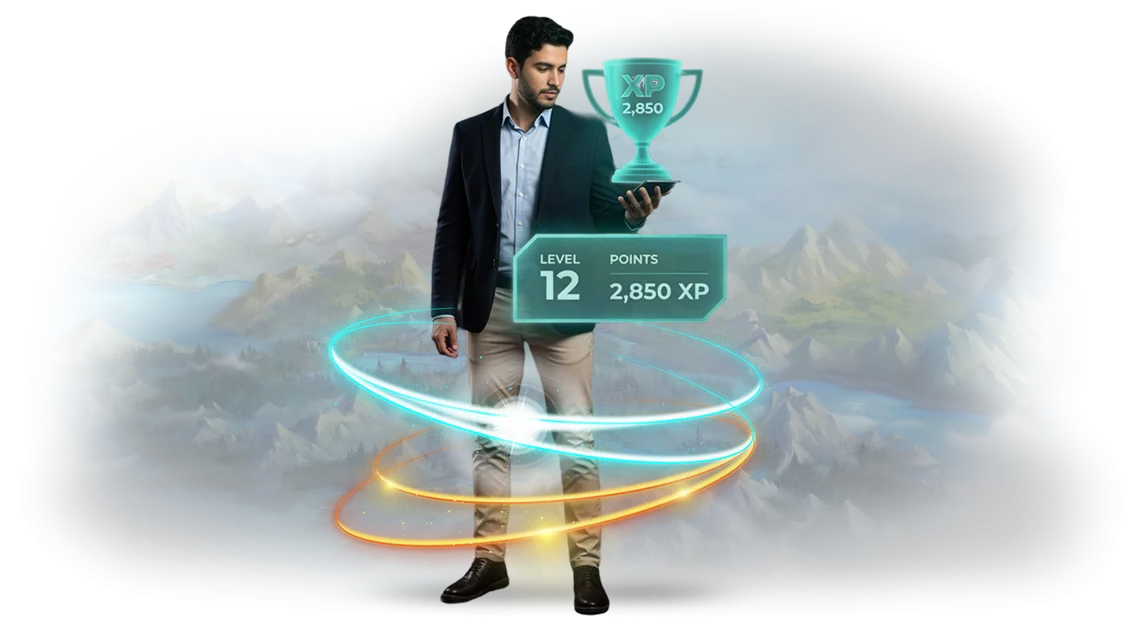
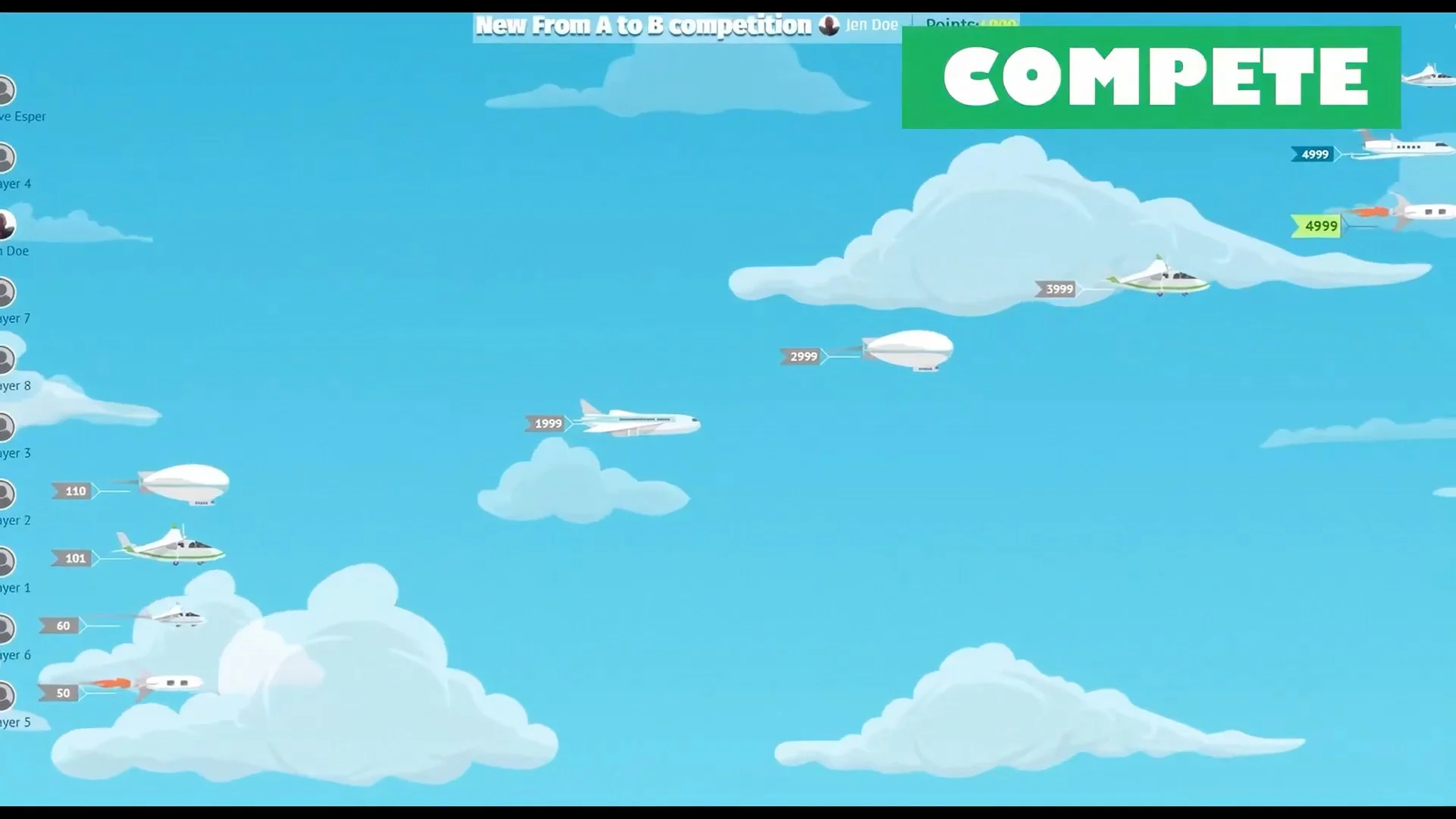
Game mechanics turn an ordinary visit into a compelling story. The guest completes tasks: tries a signature cocktail, brings a friend, or takes part in a menu quest. In return, they earn points, unlock bonuses and new levels.
That's how guest loyalty is born — a person is interested in coming back to continue the game, reach the goal, and claim the reward. This works far stronger than a coupon for a second drink or a standard discount card.
For the bar owner, this means repeat visits: guests plan their next visit before they've even left. Progress updates can be sent to their messenger, gently reminding them of unfinished tasks.
People share achievements in social media and bring friends — so organic reach happens without an extra ad budget. The bar fills up during quiet hours, and the average check grows thanks to the engagement with the game and the desire to try new mechanics.
Gamification doesn't demand complicated changes to how the bar works — it demands a smart approach to motivation. The mechanic can run right through the guest's smartphone, with no app installs and no extra equipment for staff.
We build solutions around the specifics of your format and audience, matching game scenarios to your goals: from attracting newcomers to bringing back regulars. Launch takes a couple of weeks, and the result shows in repeat visits and average check growth.
In the end, your bar becomes a place people want to return to, and guests look forward to their next visit.
Game mechanics are not a temporary promotion — they're systematic loyalty work that brings back guest flow, sets the venue apart from competitors, and creates a steady revenue stream without endless discounts.
What gamification brings to business: 5 measurable results
Gamification for a bar is not just a game for entertainment — it's a working tool that directly affects key business metrics. When a guest gets drawn into the mechanic, they stop being a random visitor and become a participant who returns, brings friends, and spends more.
The first measurable result — average check growth. Game tasks, like "build a drink combo" or "complete a bartender's mission," gently nudge the guest toward extra orders.
Instead of one cocktail, they take two, join a tasting, or add a snack — all for the sake of game progress.
The second result — increased repeat visits, or retention. A reward system for every visit, levels, and consistency bonuses create a sense of accumulating value for the guest.
They know: come back and complete a series of tasks, and a nice bonus awaits — a discount, a dessert, or an invitation to a private event. This turns one-time visits into a habit.
The third metric — guest engagement. Active mechanics extend how long guests stay in the bar: while hunting for prizes, they talk more, try more positions, and get emotionally attached to the place. Importantly, this happens naturally — without pushy requests from staff.
The fourth effect — customer loyalty growth. When a guest gets tangible value through the game, they start associating positive emotions with your venue.
Such visitors not only come back themselves — they recommend the bar to friends, write positive reviews, and form a stable base of regular guests.
The fifth, bottom-line result — total revenue growth. All previous factors compound: more orders per visit, more frequent returns, higher engagement and loyalty. Together they deliver a measurable turnover increase within the first months of gamification. And it's all managed in a Telegram Web App — no app installs and no extra steps for the guest.
Gamification formats for bars: from quizzes to discount hunts
Guests come to a bar not only for drinks — they need a reason to stay longer, talk about the evening, and come back again. Game formats turn an ordinary outing into an event: the participant gets engaged, orders between rounds, and tells friends about the bar on their own. All that's left is to choose the mechanic for your goal.
Before launching, answer three questions: which task comes first (entertain, engage, or bind regular guests), who your audience is, and how you'll measure the result. When goals are clear — the rest is execution.
| Format | Best for which goal | What it gives the bar |
|---|---|---|
| In-bar quiz | Entertaining a group and holding guests until closing | People stay for 2–3 rounds, order between tours, and return with new friends |
| Discount hunt | Raising the average check and involving guests in the bar space | Guest scans a QR code, searches for hidden tasks around the room, each find unlocks an order bonus |
| Accumulative bonuses | Building a regular guest base | Points for visits and checks accumulate in Telegram — the guest returns so they don't lose status |
The game launches right inside a Telegram mini-app: the guest doesn't need to download anything, they open the scenario via a QR code in 10–15 seconds. This removes the main participation barrier — it's easier to start and easier to share the result in stories.
A checklist for a successful launch:
- One format for one goal: don't mix a quiz and a hunt on the first evening, start with a clear mechanic.
- Pre-heat for 3–5 days: announce the game on social media so the bar gathers a "native" crowd.
- The reward works for the bar: points are exchanged for a discount on the bill or a treat.
- Measure the result: number of participants, average check, share of repeat visits — these numbers tell you which format to keep long-term.
How we launch gamification turn-key: 6 steps
For a bar, what matters isn't just the mechanic, but the result: new guests, repeat visits, natural audience reach. That's why we structured the launch into six clear stages — you always know what's happening and when you'll get the finished product.
- Brief and goals. We break down your format: average check, peak hours, guest profile. We determine which task the game solves — acquisition, retention, or average check growth.
- Game concept. We propose 2-3 mechanic scenarios tailored to your bar. We discuss how guests will learn about the game and what motivates them to return.
- Plan and implementation timeline. We lock in stages, deadlines for each, and responsible people. You get a clear calendar: when the prototype, design, and test version will appear.
- Design and development. We create an interface in the venue's style and build the Telegram Web App. It looks premium and works on any smartphone — no app installs.
- Launch and team training. We connect the game to your channel and set up the start scenario. We run a mini-training for staff: what to tell guests and how to resolve questions fast.
- Support and analytics. After launch, we monitor game metrics: reach, returns, conversion to orders. Based on the results, we suggest improvements — gamification keeps working for the bar.
The whole process is turn-key: you don't need your own developer or designer. We accompany the project from the first brief to stable operation and stay in touch after launch.
What's included in the delivery: a complete launch kit
Gamification delivers results when you can launch it without your own development team. That's why we hand over a ready kit: the mini-app is already configured, staff is trained, and you have management tools and marketing materials.
The delivery set includes:
- Telegram mini-app. The guest opens the game by link or QR code in a couple of seconds — no install and no registration. That lowers the participation barrier and boosts reach.
- Admin panel. Change prizes, point accrual rules, and promo scenarios yourself through a clear interface. Adjustments take minutes, not days.
- Staff training. We brief bartenders and hostesses: how to invite a guest to play, how to explain the rules, and how to hand out a prize fast. Staff become part of the mechanic.
- Marketing materials. A QR code for tables, ready-made posts and stories for launch day. No need to order design separately.
- Integration with the accounting system. Points and wins are automatically recorded in the loyalty program or cash register — no manual work and no write-off errors.
- Analytics and support. We hand over reports on participant numbers, popular prizes, and repeat visits. We stay in touch after launch.
This kit covers the owner's biggest fear — "who's going to manage this after handover?" You get a working tool, and we take responsibility for its stability.
Case study: how a Telegram game doubled guest return rate
Bar owners often complain about the same problem: guests come for a promotion, have fun, and disappear. A month later only a few come back, and every new acquisition costs more than the previous one. We found a way to retain the audience and turn a one-time visit into a habit.
For one bar, we built a gamified Telegram Web App — a short quiz the guest completes after their first visit. The questions cover the venue's atmosphere, favorite dishes, and music.
At the end, the participant gets a personal surprise discount for the next visit, and the bar gets data on guest preferences.
The mechanic turned out to be sticky: guests are curious to see their result and compare it with friends. The bar got not just a game, but a tool for collecting feedback and automatically reminding guests about itself. A week after the quiz, Telegram sends the guest a personal offer — and it works.
After three months, we tallied the results. Repeat visits grew by 80%, and every fifth guest who completed the quiz came back to the bar within two weeks. The average check of these guests turned out to be 15% higher than that of new visitors. Mint Bar continues using the game today, having increased the mailing frequency to twice a month.
The key takeaway: a properly built game doesn't entertain for entertainment's sake — it solves a business problem. Guests come back because they got an emotion and a clear reason to return, while the bar regularly reminds them of itself in their personal interface. If you need a similar result, we're ready to discuss your case.
How to choose a gamification format for your bar's specifics?
The game format should work for your concept, not against it. What's perfect for a small lounge bar can fall flat in a loud sports pub, and vice versa.
So before launching, we look at three things: the size of the venue, the type of guests, and the core task — entertain, retain, or raise the average check.
For a small bar with a cozy atmosphere, short and light mechanics work best: quick trivia, a "wheel of fortune" with an order, mini-games for 2–3 minutes.
Guests come to chat and relax, so the game should be unobtrusive — an addition to the evening, not a mandatory program. This format doesn't require long immersion from the visitor and works great with the cocktail menu.
If you run a bar chain, the main value is uniting all locations into one system. Here, competitive mechanics win: an overall guest ranking, points for visiting different venues, team challenges between bars.
The guest gets a reason to return to another location, and you get cross-sales and loyalty growth across the whole network. In this format, it's important that the game is equally clear at every venue.
For a themed bar with a unique concept, a deeper narrative game fits: a quest, a detective story, collectible items with Easter eggs from your legend.
Visitors of such places come for the atmosphere, and the game can become part of it — from the first seconds to the farewell cocktail. This delivers a strong wow-effect, a reason for photos, and long discussions on social media.
The rule is simple: don't chase complexity — choose a mechanic that matches your guest's scenario. We'll help determine which format will bring the most value to your specific bar, and set up the game around its specifics — without wasting budget on features that don't work.
FAQ about implementing game mechanics
Implementing game mechanics is a step that raises questions. Especially when it comes to a bar, where guest loyalty and revenue are on the line every day. We've collected the most common doubts and answer them directly.
How much does development cost?
The cost depends on the format: a simple points-based mechanic is more affordable than a multi-level program with personalized offers. We calculate the estimate individually and lock it in before the work starts. The key point — the game pays for itself through repeat visits and average check growth.
Is it hard to integrate the game into current processes?
No. Guests play right in Telegram — they don't need to install a separate app. We handle the setup, integration with your promotions, and staff training. Launch takes from a couple of weeks, and your team keeps working as usual.
Will this work for my bar?
Gamification is flexible: the mechanic can be tied to visits, to checks, or to the loyalty card. We adapt the game to your venue format — from a sports bar to a wine lounge.
Whether you want guests to collect rewards for trying new cocktails or get a discount for leaving a review — everything is configurable to your goals.
How safe is this for guests?
Safety is our priority. We use protected channels for data transfer, store only what the game needs, and never share information with third parties. Guests can opt out of the game at any time, while you remain the owner of the accumulated base.
Launch gamification in your bar within 2 weeks
Guests come to a bar not only for drinks — they want experiences and a reason to stay longer. Gamification via a Telegram Web App turns an ordinary visit into a game: visitors scan a QR code, complete tasks, and get pleasant bonuses.
This raises the average check, increases visit frequency, and builds an audience for future launches.
But for a bar owner, speed matters. Long development eats the effect — the mechanic needs to go live while interest is at its peak. That's why we launch gamification in 14 days. Here's what that path looks like:
- You submit a request on the website — we reach out within one business day and do a short consultation.
- You get a free cost estimate and clarity on which game mechanics fit your bar specifically.
- We agree on the concept: accrual scenarios, gifts and prizes — everything that motivates guests to order more.
- We configure the Telegram Web App with your brand, rules, and design — without involving your staff.
- We test it on real scenarios so the game runs smoothly through peak hours.
- You receive a ready link and QR codes for launch, plus a quick reference guide for staff.
This isn't an abstract project, but a working tool. In two weeks, you'll have production-ready gamification that retains guests and drives repeat orders. Submit a request — we'll prepare a proposal and a step-by-step launch plan for your bar.