

Gamification for gambling complexes: how to stop guest churn
Guests of a gambling complex are a capricious audience: today they are with you, tomorrow they go to a competitor because the conditions there are more interesting or simply the experience feels newer.
Each lost visitor is not only missed revenue, but also a broken repeat-purchase funnel. Classic loyalty programs with point accumulation have long stopped working—they don't create emotions and don't give a reason to come back.
The problem is that most promotions are the same: discount, complimentary gift, "cashback." A guest quickly gets used to it, stops responding, and leaves.
But if you turn interaction with the complex into a game with clear goals, statuses, and rewards, the situation changes. Business gamification shifts the relationship with the guest from "give-and-get" to an emotional experience they want to repeat.
We develop gamification for gambling complexes that specifically solves the retention problem.
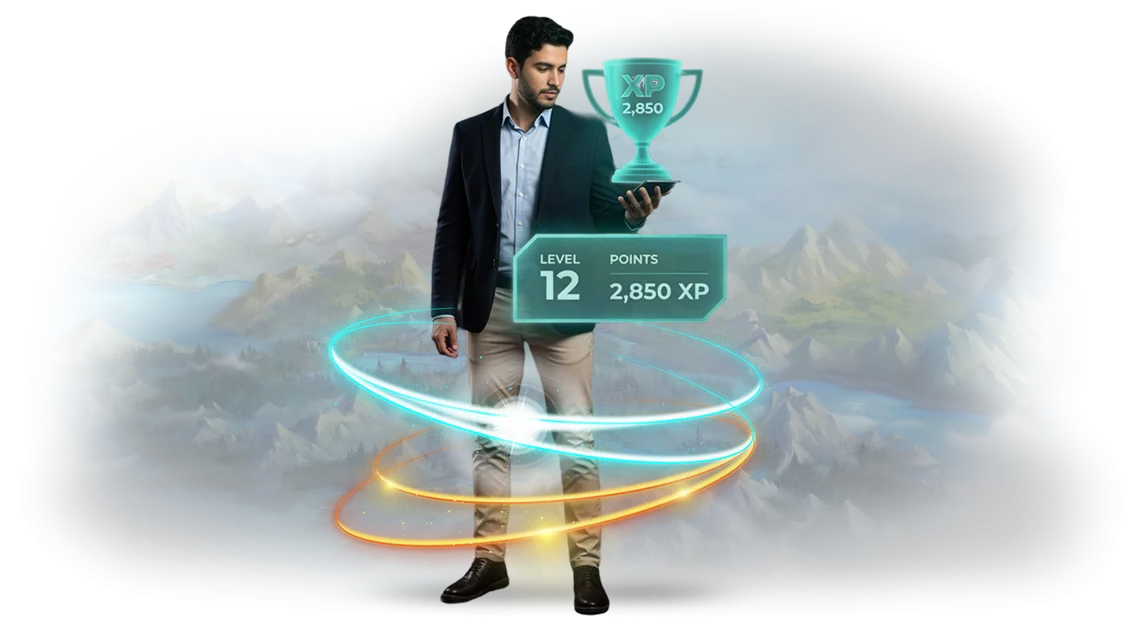
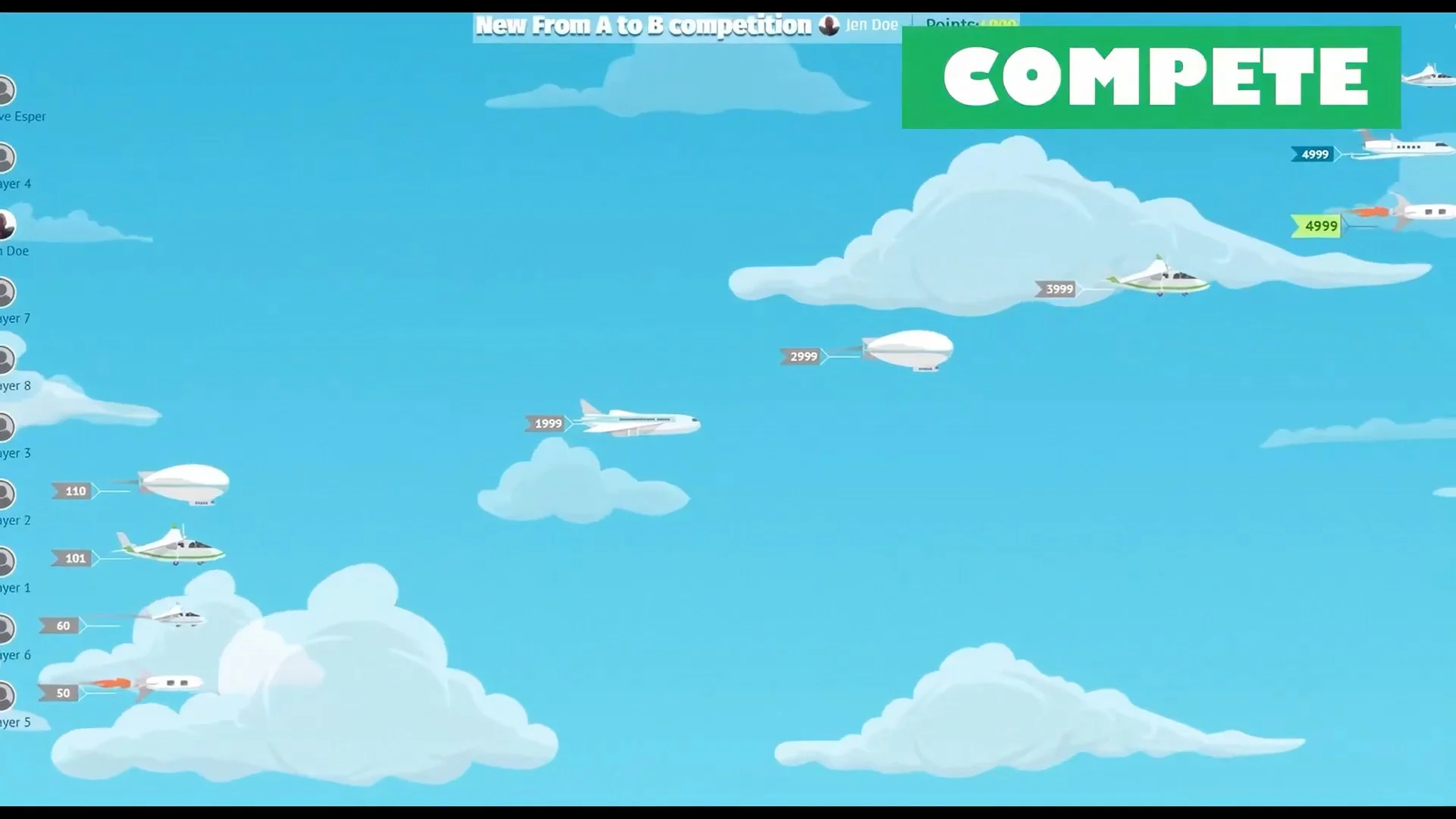
Through a Telegram Web App, the guest receives personal challenges: "visit the complex three times in a week—get a special offer," "play your favorite game and earn points—take a place on the leaderboard." Each step provides visible progress, new levels, and statuses.
This engages more strongly than ordinary discounts because a person plays by their own rules and sees their own result.
This approach increases guest loyalty, visit frequency, and average spend—visitors return not only to play at the table, but also to finish a started quest, keep a status, or win a tournament. All this happens without installing additional apps: Telegram is always at hand.
We handle development, rule configuration, and analytics, and you get a working tool that turns client churn into a steady stream of repeat visits and revenue growth.
What you get from gamification: 5 key benefits
A gambling complex lives on emotions, but with growing competition, the guest needs a reason to return specifically to you. Business process gamification turns an ordinary visit into an engaging scenario with tasks, rewards, and statuses.
Our team has been implementing such mechanics for gambling complexes for over 10 years and knows which ones deliver measurable results.
- Higher average spend. The guest doesn't just play, but completes a series of tasks: accumulates points, unlocks bonus levels, activates special offers. This gently encourages extra purchases—the total bill per visit grows by one and a half to two times.
- Repeat visits. Accumulated points and statuses hold attention: to avoid losing progress, the guest returns. Smart Telegram reminders bring the audience back without extra advertising spend.
- Brand recognition. Guests share results, compete, and show off rewards—every such mention works as free advertising. The more vivid the mechanics, the more often people talk about you and recommend you to friends.
- Data collection. Gamification reveals which promotions work, when the guest visits more often, and what actually interests them. This data helps plan marketing and service more accurately—and therefore spend the budget more efficiently.
- Competitive advantage. While competitors offer a standard set of services, you create a whole ecosystem for the client. This format is hard to copy, and it becomes the decisive argument when choosing a complex.
Gamification formats: we select according to your objective
Guests come to a gambling complex for excitement and live emotions. Different visitor categories respond to different incentives: for some a discount is enough, others are driven by competition, and some love exploring the venue. Therefore, there is no universal game—we select a gamification format for your business objective.
Below is a comparison table of the main gamification formats for a Telegram Web App. It helps you see which types of gamification solve visitor loyalty, retention, and average-spend goals.
| Format | For whom | What it gives the client |
|---|---|---|
| Welcome mechanics | New guests, first-time visitors | Quick engagement, first contact, data collection for further communications |
| Loyalty program | Regular guests, high-frequency visitors | More repeat visits, higher average spend, building a circle of regulars |
| Quests and explorations | Groups, corporate parties | More time spent in the complex, engagement with the space, flow between zones |
| Tournaments and ratings | Risk-loving guests, opinion leaders | Higher activity during low-load hours, creating a news hook |
The formats combine well: a welcome quest smoothly leads the guest to the loyalty program, and a tournament boosts activity among regular visitors. We choose a combination so the mechanics work for your complex's key metrics: return rate, reach, and revenue.
Gamification launch stages: a step-by-step project plan
Launching gamification in a gambling complex is a project that must be calculated from the very beginning. To make the result meet expectations, we guide the client along a clear route: from the first brief to post-launch support.
Each stage is documented and approved—you always know what is happening and what you are paying for.
- Brief and goals. We meet and document the objectives: increase repeat visits, raise the average check, build a guest database. We determine how gamification should fit into the existing loyalty program.
- Analysis and audit. We study your audience, visit scenarios, and guest touchpoints. We find exactly where mechanics will have the greatest effect—based on data, not guesses.
- Concept and mechanics. We propose 2–3 game scenario options: from a simple points system to a multi-level quest with prizes. We describe what the guest will see, how they will interact, and what motivates them to return.
- Approval and plan. We approve the concept, and outline timelines, budget, and responsible parties. You receive a transparent work plan with milestones—no "surprises" mid-project.
- Implementation and testing. We build the product: interface, integration with your accounting system, prize configuration. We run all scenarios through tests so everything works seamlessly by launch time.
- Launch and support. We launch gamification together with your team and train staff. After the launch, we stay in touch: we analyze metrics, refine mechanics, and maintain stable operation.
This approach helps launch gamification without chaos: every stage is clear, risks are visible in advance, and results are measurable. You control the process at every step and get a tool that genuinely increases guest loyalty.
What is included in the delivery: a full package for business
When you order gamification for a gambling complex, it's important to understand that you are not getting a "picture" but a ready-made tool that generates revenue.
We have assembled the delivery package so you don't have to buy anything extra, finish anything, or explain things to staff from scratch. Here is what is included in the project.
- Game mechanics — not abstract ideas, but working scenarios: tournaments, contests, lotteries, activity rewards. They are tailored to your audience and tasks—from attracting new guests to increasing visit frequency.
- Design and branding — an interface in the style of your venue that guests recognize from the first screen. No templates: everything is drawn to your logo, brand colors, and communication style.
- CRM integration — all player activity automatically goes into your database: who came, what they played, which prizes they responded to. This is a basis for repeat sales and personalized offers.
- Analytics dashboard — you can see at any moment which mechanics work and which should be adjusted. Not "faith in results," but numbers for each scenario: engagement, conversion, guest returns.
- Staff training — your administrators and promoters get short instructions on how to launch games, advise guests, and process results. Staff will be able to work with the project from day one.
- Post-launch support — we don't disappear after project delivery. During the agreed period, we help with setup, answer questions, and promptly fix anything that needs attention.
This package covers the entire cycle: attracting, engaging, retaining guests, and monitoring effectiveness. All you have to do is launch the games and get your first participants—the technical part and team training are already set up.
Case study: how gamification for gambling complexes increased revenue
A new guest at a gambling complex often spends time in the same routine: played, dined, left. With growing competition, this becomes a problem—revenue falls, and marketing spend goes toward attracting people who don't come back.
We closed this gamification case for a large complex by turning a standard visit into a scenario with levels, rewards, and unexpected bonuses inside the Telegram Web App.
Numbers after launch
During the first season of the mechanics, the average check grew by 25%—guests began ordering additional services more often to complete a game task. Repeat visits increased by 40%: returning to the complex became part of a game strategy, not an occasional decision.
The key results of implementation are not limited to money. Higher loyalty noticeably reduced dependence on promotional campaigns—visitors come back out of game inertia, bring friends, and spend more time in the complex.
Words from the complex director
"We expected a spike of interest, but didn't think gamification would become part of the brand style. The promotion paid for itself in the first season, and guests began recommending us to their acquaintances on their own," notes the general director of Kristall.
After the launch, the client returned with a request for a second stage—to extend the game mechanics to VIP service and staff loyalty programs. That is the best indicator of the solution's value: the gambling business got a working revenue-growth tool that keeps evolving.
How to choose the right gamification format? Expert advice
Choosing the right gamification format does not start with trends, but with a specific goal for your venue. What do you want: more repeat visits, longer guest stays, higher average check, or brand recognition?
For the gambling business, it is important that the mechanics enhance excitement and emotion rather than distract from the core process. So the expert's first piece of advice is to clearly formulate a measurable metric that the mechanics will serve.
The second point is the specifics of the gambling audience. These are experienced guests who value status, personalization, and instant feedback on their actions. They don't need complex multi-step scenarios—what matters is a clear reward and an element of competition.
The format must account for different levels of engagement: from light bonuses for newcomers to tournament leaderboards for regular clients. Universal gamification without adaptation to your particular clientele works poorly and is usually simply unnoticed.
Third advice: choose mechanics that integrate into the natural logic of a visit—registration, participation in games, repeat visits. Don't create a separate "world" that demands extra effort and time from the guest.
In a gambling complex, a player should receive gifts and statuses as a result of their core actions; then gamification becomes part of the service rather than an annoying add-on. Professional implementation is when the mechanics are invisible but clearly increase loyalty.
Finally, trust those who do gamification turnkey—from briefing to launch and analytics. In-house development by a non-specialist team often leads to delayed timelines and unclear results.
An experienced contractor already knows the typical mistakes of the gambling niche: overloaded interfaces, uninteresting rewards, performance issues with large numbers of participants.
We help you choose a format that solves your specific problem and take responsibility for the whole cycle—you just launch it and watch your metrics grow.
Frequently asked questions about gamification: answering concerns
Any gamification is not a waste of budget, but an investment in guest behavior. We have collected answers to the typical doubts we hear from gambling complex managers: development cost, implementation complexity, compatibility with loyalty programs. Short and to the point—without technical details.
How much does development cost and how quickly will it pay off?
The cost depends on the format: a single mechanic in a Telegram Web App costs noticeably less than a full-scale platform with physical prizes.
But the main thing is payback through repeat visits: a guest who returns because of a bonus brings revenue that covers development costs on average within a few weeks.
Isn't it too complicated to integrate gamification into current processes?
Implementation does not disrupt the complex's operations. The app works as an add-on: guests use familiar Telegram, staff get simple scenarios, and you get a dashboard to manage results. Connection takes a few weeks, including team training.
Will gamification conflict with an existing loyalty program?
We design new mechanics to complement current accumulations rather than replace them. Quest points convert into a discount on the next visit, and regular guest privileges don't expire. As a result, loyalty grows from both sides—the total value of the program to the visitor increases.
What guarantees and support will there be after launch?
We don't disappear after project delivery. The cost includes launch, staff training, and post-launch support. If guest activity is below target, we adjust the mechanics during the warranty period at no extra charge.
If you have any remaining questions, write to us. We'll assess your scenario end-to-end and show how gamification strengthens guest return rates specifically in your gambling complex.Launch gamification for your business today
Launching gamification in a gambling complex is constantly postponed: it seems long, expensive, and requires a complete process restructure. In reality, implementing a Telegram Web App takes only a few weeks if you follow a proven checklist. We have packaged our experience into a sequence of steps already proven on dozens of projects.
Gamification launch checklist:
- Leave a consultation request: tell us about your complex, guest volume, and goals.
- Receive a commercial proposal with fixed cost, timelines, and work scope.
- Approve the game scenario, prizes, and touchpoints: club card, QR code in the lounge area, final receipt.
- We develop and test the app on real scenarios from your complex.
- We launch gamification, train administrators, and deliver clear analytics.
- After launch, we support the system and quickly add new promotions and mechanics.
Every step eliminates risk: clear budget, no downtime, and clear accountability. You don't need to dig into technical details—just make the decision and assign one responsible person on the complex's side. We take on all development, testing, and launch.
To start the project, order development today. Leave a consultation request—within one business day we'll send you a gamification launch plan and initial ideas for your audience. You'll receive a concrete commercial proposal and can start as early as this month.