


Why Museum Visitors Don't Return Without Game Scenarios
Museum visitors often come once and never come back — the exhibition is viewed, but not remembered. Without active participation, impressions fade within a couple of days, and the guest has no reason to return or recommend the museum to friends.
The cause is a passive format: a person simply walks around and reads placards. The brain quickly tires of a monotonous stream of information, attention wanders, and no emotional response occurs.
As a result, the museum is perceived as "a place I've already been to" rather than a living space worth exploring.
This directly hurts return rates and reach: the museum loses regular guests, while new visitors come only for one-off occasions. Word of mouth works weakly — people simply have nothing to share besides photos next to exhibits.
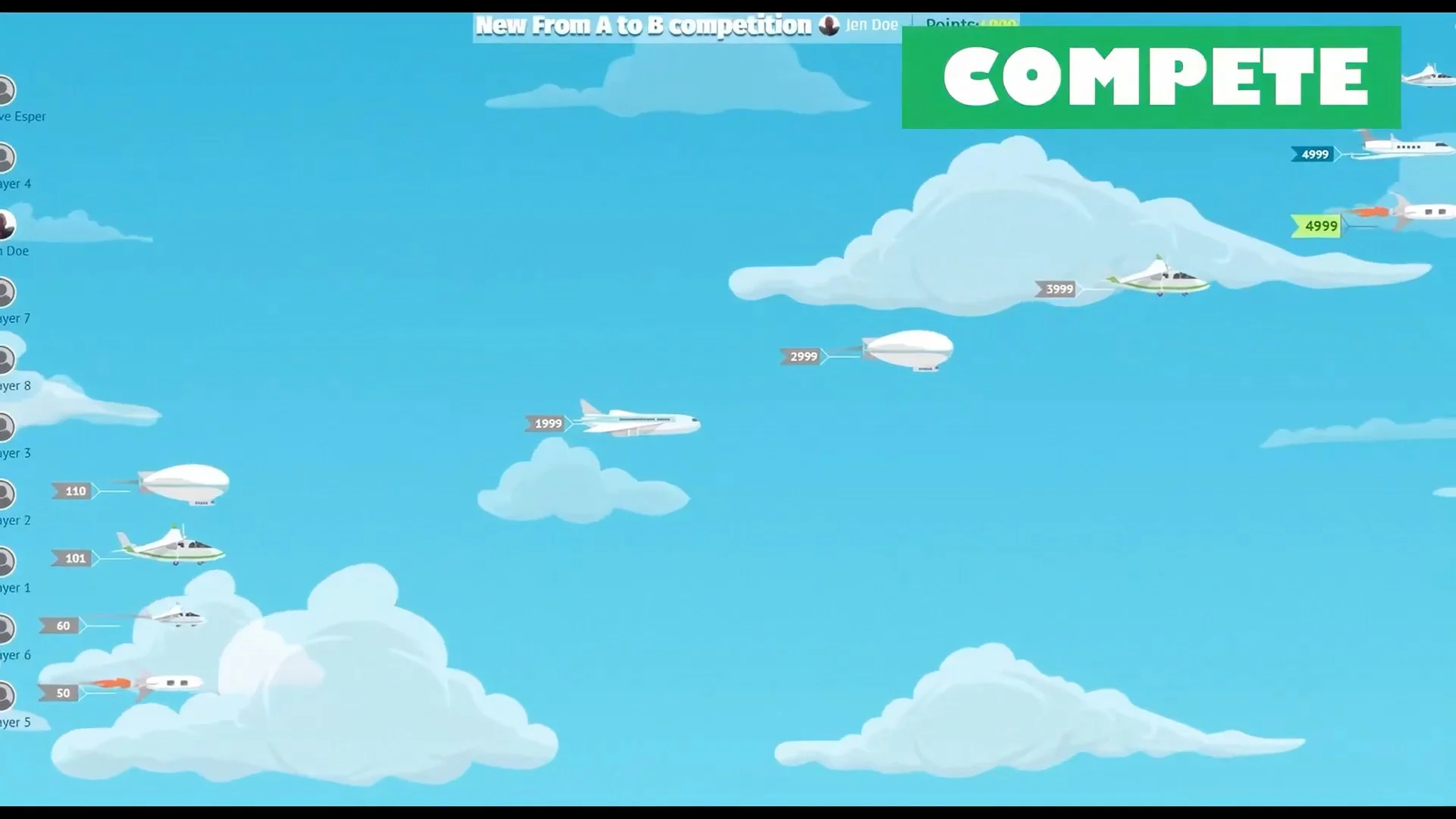
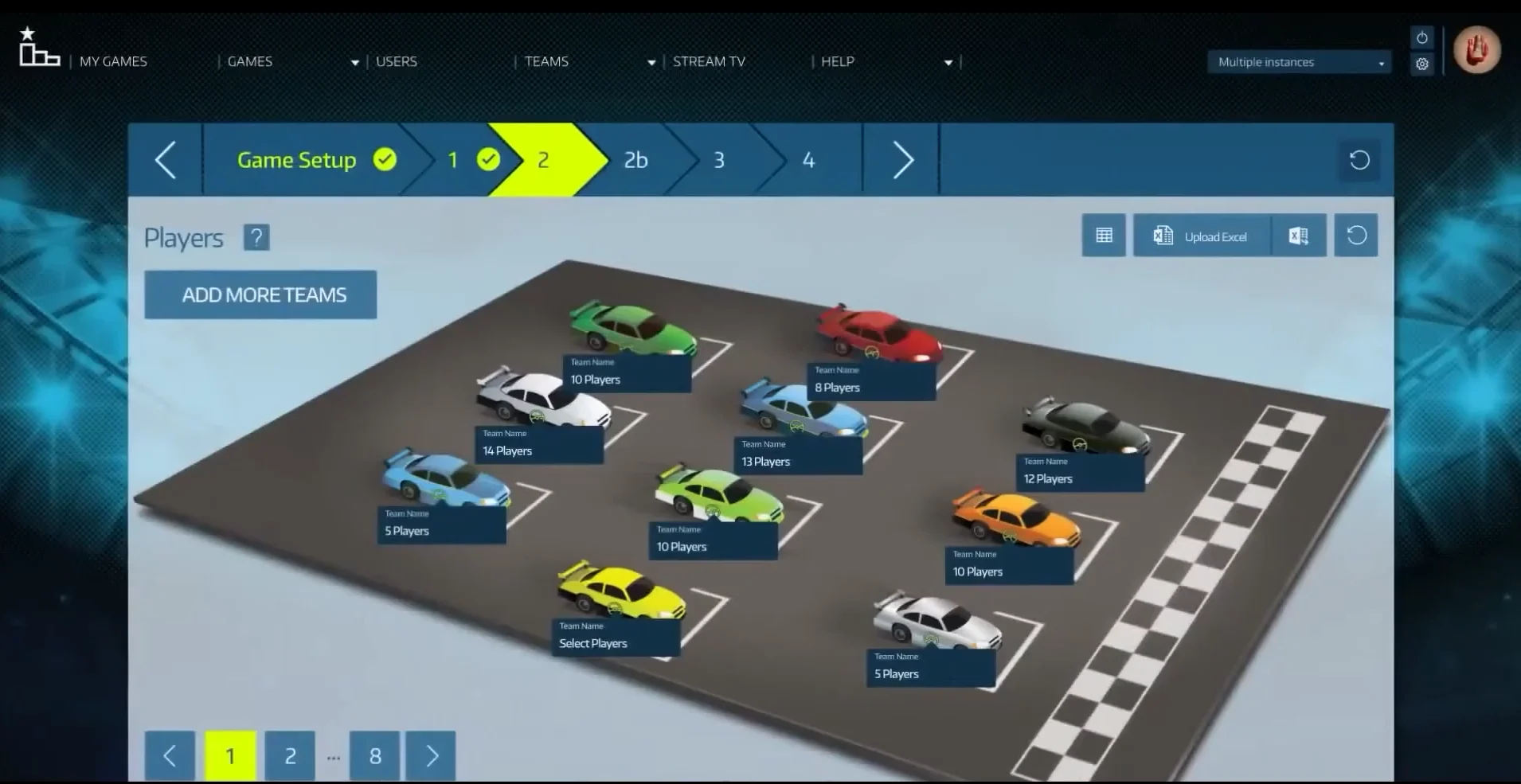
Game scenarios solve this problem. When a museum visitor gets a role, a goal, and a series of small discoveries, each hall becomes part of an engaging route. Involvement grows naturally: the person isn't observing but acting, searching for answers, and earning achievements.
Vivid impressions stick in memory, and after the visit, guests want to discuss the game, return to play it again, or try a different scenario.
Gamification turns a one-time outing into a regular ritual: the museum becomes a venue people visit for new experiences. We help develop such game mechanics for your exhibition — taking into account audience characteristics and your engagement goals.
Already at the design stage, we create a scenario that engages museum visitors from the first minutes and gives them a reason to keep coming back.
What Gamification Delivers to Your Space: 5 Measurable Benefits
First benefit — increased attendance. Gamification turns a regular museum visit into a live quest: guests plan their visit in advance, bring friends, and return to complete new challenges. For the space, this means a steady flow of visitors without growing the advertising budget.
Second — emotions and engagement. People remember not display cases, but the moments they experienced.
Game mechanics in a Telegram app help the visitor become a participant in the exhibition's story: they explore halls, solve tasks, and earn rewards — time flies by unnoticed, and impressions last long.
Third — feedback collection. After the visit, guests complete a short survey right in the app: they leave ratings, share wishes, and mark favorite exhibits. You get objective data about how your space works without paper questionnaires or extra staff.
Fourth — brand recognition. Participants publish results and virtual rewards on social media — each such post works as a personal recommendation. Reach grows through the guests themselves, and the museum gets free promotion among new audiences.
Fifth — repeat visits. A system of rewards and unlockable levels gives a reason to return — with family or friends. More time in the museum means more sales at the café, gift shop, and paid exhibitions.
Practice shows: spaces that implemented game mechanics report attendance growth by dozens of percent and a significant increase in dwell time. The benefits of gamification are visible within the first weeks of operation — your guests come, play, return, and tell others about you.
Gamification Formats for Museums: Selection Table
The same hall can be walked through in 15 minutes, or a visitor can be kept there for two hours — the difference lies in what they're doing. Ordinary placards and audio tours hold attention poorly: the guest quickly loses focus and leaves without seeing the full exhibition.
Gamification in a Telegram Web App turns viewing into a game, where each hall becomes a new level and tasks tie exhibits into a single narrative.
For the museum, this works without installing apps: a visitor opens a familiar messenger, scans a QR code, and enters the quest. The entry barrier is zero, and staff don't need to explain the mechanics — all navigation is built into the interface. You just need to choose the format that suits your audience.
| Format | For whom | What it gives the museum |
|---|---|---|
| Quest route through halls | Families with children, school groups | Holds attention for 1.5–2 hours, increases time in the exhibition and the average check at the café |
| Audio guide with tasks | Adults, individual visitors | Deepens immersion in exhibits, raises tour ratings and the share of recommendations |
| AR zone and interactive markers | Young people, corporate groups | Creates photo opportunities that spread the brand on social media and motivate repeat visits |
If you're unsure which format suits your exhibition, we'll help you choose based on your target audience and the specifics of your halls. Formats are also easy to combine: a quest can include audio tasks, and an AR zone can serve as the final stage of the route. The key is that the mechanics solve your problem rather than being mere decoration.
How Development Works: 7 Steps to Launch
To ensure gamification in a Telegram Web App delivers results — growing interest in the exhibition, more repeat visits, and natural social media mentions — we've built a process where you control every stage.
Development takes 7 steps: from the initial brief to post-launch support. You always know what's happening and can see the nearest project completion date.
-
Brief and goals. We meet, listen, and clarify: who your audience is, which halls or exhibits need highlighting, and what should change in visitor behavior. We record tasks, timelines, and success criteria.
-
Scenario and game mechanics. We devise a storyline, tasks, and a reward system tailored to your museum: a quest to find exhibits, a history quiz, a puzzle with hints. We approve the scenario before development begins.
-
Concept approval. We show how the game will look on a visitor's phone and describe the progression logic. You make edits at this stage — it's faster and cheaper than reworking a finished product.
-
Implementation. Our specialists build the app: an intuitive interface, fast screens, and stable performance on any device. You receive interim results regularly, not a "black box."
-
Testing. We test the scenario on real users, fix bugs, and refine the game until it no longer requires staff attention. Guests launch the app themselves.
-
Launch and training. We deploy the Telegram Web App for your museum, set up QR codes at the entrance, and give the team a brief briefing. Everything is ready for the first guests.
-
Support and development. We monitor activity, collect statistics, and suggest improvements. If you want to add new questions, levels, or special promotions for an exhibition, we'll do it quickly.
As a result, you get not an abstract "game" but a working engagement tool: visitors spend more time in the museum, remember the exhibits, and return with friends. The process is transparent — you always know where we are and when the launch will happen.
What's Included in the Delivery Package: A Complete Launch Kit
The delivery package includes everything needed to launch a gamified quest in Telegram without hiring contractors or making additional investments.
You get not just a game, but a working tool that engages visitors, increases time spent in the museum, and collects contacts for further communication.
- A game scenario tied to your exhibition. Thought-out mechanics for children and adults, accounting for the specifics of your halls and exhibits. Guests follow the route, answer questions, and complete tasks — this turns an ordinary visit into an adventure.
- Design and interface in the museum's brand style. Clear menu, large buttons, mobile adaptation. The visitor isn't distracted by technical details — they're fully immersed in the game.
- Launch and management instructions. Detailed recommendations on how to activate the quest, change questions, add new route points, or adjust difficulty. Your staff will master the system within a day.
- Team training. We conduct an online demonstration and hand over all materials so administrators can work confidently with the game. No special knowledge is required.
- Technical support after launch. We respond promptly to questions, help with updates, and fix bugs during the warranty period. You can always reach out — you won't be left alone with a problem.
- Completion reports. You see how many guests played, which museum zones were visited most often, and how long the route took. This data helps improve the exhibition and plan new activities.
Instead of hiring several specialists separately, you get a comprehensive turnkey solution. All that's left for you is to place QR codes at the entrance and invite guests to join the game.
Case Study: How a Museum Increased Visitor Numbers by 40% in 2 Months
Many museums share the same pain point: the exhibition is strong, but visitors come once and don't return. Young people perceive the museum as "a place for school trips," while the café and gift shop are underused.
The City Museum of History came to us with this challenge: they needed to hold guests' attention, bring them back, and increase revenue per visit.
How It Worked
We developed a gamified Telegram Web App that turned the exhibition tour into a quest. The guest received a route map, completed tasks at display stands, uncovered hidden facts, and collected rewards.
At the end — an achievement to share on social media, and for repeat visits the museum awarded bonuses: a reason to come back appeared.
Results After Two Months
Over two months, visitor numbers grew by 40% — without advertising spend. Repeat visits tripled: guests returned to complete new levels and collect the full set of rewards.
Dwell time increased from 45 minutes to an hour and a half, and with it grew the average check at the café and souvenir sales. Every third guest shared their result on social media — such posts brought in new visitors.
The museum's curator admitted: "We expected an effect, but the game became the main reason to come." Soon the museum ordered a new quest season and expanded the mechanics for children's programs and corporate events. We apply the same approach for other spaces, and it consistently delivers measurable results.
For your museum, the numbers will differ, but the mechanics are the same: the game keeps guests longer, brings them back, and attracts new visitors. We didn't need to change the exhibition or hire staff — gamification layered on top of existing processes.
How to Choose the Right Format for Your Goal?
Choosing a gamification format starts not with technology, but with a question: what exactly do you want to change in visitor behavior? If the goal is to increase time spent in the exhibition, a quest scenario with hall-based tasks will work.
If you need to collect contacts and subscriptions — mechanics with bonuses for registration. And when the goal is to bring guests back, it's worth building in a reward system and personal progress.
A practical approach is to start from your audience. Families with children engage better through short game steps with instant results; adult groups respond to competitive elements and storytelling.
For a museum, it's important that the game helps visitors look at exhibits rather than distract from them. That's why we always suggest formats that enhance appreciation of the collection rather than replace it.
Also assess the resources required for launch and maintenance. Light formats — such as a quiz in a messenger — launch within a couple of weeks and require no additional equipment.
Full interactive routes with augmented reality require more preparation but create a compelling reason for repeat visits.
During a consultation, we ask 5–6 questions about your goal and within 15 minutes help you settle on the right game type. You'll get a recommendation on mechanics and an understanding of what result it will bring — in terms of reach, average check, or repeat visit numbers.
This way, choosing a format stops being guesswork and becomes a clear solution tailored to your specific situation.
Common Concerns When Implementing — We Answer Honestly
Any museum looking at gamification for the first time asks the same questions: "Will this disrupt our processes?", "Can our staff handle it?", "Is it safe?" This is normal — you're responsible for a living institution and a team, so doubts before launching a new format are justified.
We've worked with museums for over 10 years and prefer to answer honestly right away, without promising "mountains of gold" — below is a breakdown of the most common fears.
Is it safe for the museum's and visitors' data?
We work through the official Telegram platform with a secure connection, so guests don't need to download or register anything — the risk of collecting unnecessary data is minimal.
We don't store visitors' personal information on third-party servers: all that remains in the system is anonymous quest completion statistics. For the museum, this means full control over data and no complaints from visitors or regulatory bodies.
Staff won't figure it out — will this burden guards and cashiers?
Gamification is designed to work without staff involvement: the visitor takes out their smartphone, opens the quest, and completes it independently. Guards only need one explanation of the mechanics — after that, guests interact with the screen rather than distracting employees.
At launch, we conduct one short briefing for the team, after which it takes no more time than checking tickets. Based on museums' experience, after the first two weeks, staff begin suggesting to guests how to complete the route more enjoyably.
Will it fit into our current tours and overwhelm visitors?
We don't replace tours; we offer an additional scenario for those who want to explore the exhibition independently.
The mechanics integrate into existing routes: you can choose a short 20-minute format for "quick" guests and a full version for those ready to stay longer.
Gamification works on regular smartphones and requires no equipment purchases, so technologically it fits easily into any museum — from a small city one to a large federal institution.
If you still have your own "uncomfortable" objection — feel free to state it in the comment section of your application. We'll either propose a solution or openly say that a specific task isn't suited for us. That's also part of an honest approach.Launch Gamification in Your Museum — Start with a Consultation
"Moving a visitor from the status of 'viewed' to the status of 'engaged' is a task for every museum.
Gamification helps achieve this, but without a clear plan it seems complicated: do you need to redesign the exhibition, which format to choose, what will it cost, and when will results appear?
We turn the launch into a transparent algorithm. Simply submit a request — and during the consultation we'll analyze your museum's goals, jointly settle on the right solution, and prepare documents that show you the scope of work, timelines, and budget at a glance.
Immediately after your inquiry, you receive:
- Exhibition audit — we identify points of attraction and places where visitor attention drops, so the game enhances them rather than interferes.
- Mechanics recommendations — we match the format to your audience: a quest, a virtual competition, or a Telegram game that works through a familiar smartphone.
- Cost estimate and timeline — we fix the cost calculated after audit and the implementation schedule without hidden surcharges or unexpected stages.
- Implementation plan — a step-by-step scheme: from content preparation to test launch and staff training.
- Effect forecast — we assess how the game will influence dwell time, the number of repeat visits, and museum mentions on social media.
- Feasibility assessment — we'll honestly say if gamification for your case would be a supplementary tool rather than the key driver.
Let visitors not just look at exhibits, but become part of the story. Submit a request — and already at the consultation you'll understand which option suits your museum and what steps to take first.