

How to Retain Agricultural Complex Employees Without Boring Routine?
Employees at agricultural complexes don't dream about routine. "I do the same thing every day, and it's unclear why I should even try" — this is how people think when work turns into a formal execution of instructions.
And this isn't laziness, but a loss of meaning: a person doesn't see their contribution to the overall result, doesn't receive feedback, and their efforts go unnoticed.
For the company, such an attitude results in direct losses. Staff engagement drops, the number of errors in sowing, animal care, and document flow increases. Reaction speed to changes slows down, and quality suffers.
Along with this, staff turnover grows: people quit not because of money, but because of burnout and boredom. Every departure means new costs for recruiting, training, and onboarding, as well as the loss of accumulated experience that cannot be quickly replaced.
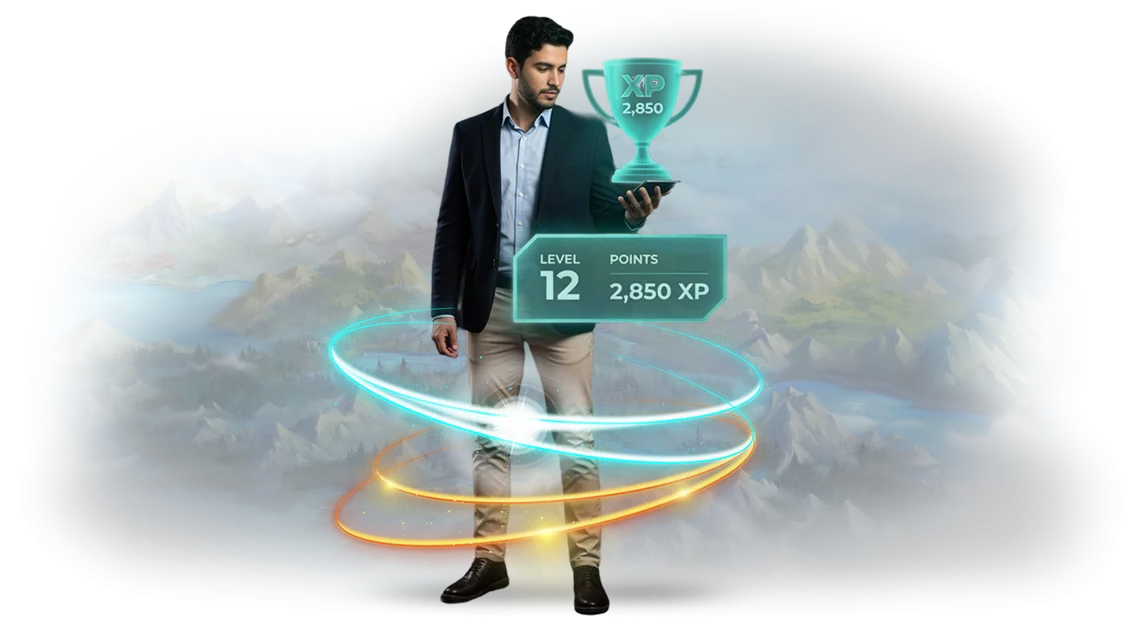
We know how to break this vicious cycle. We develop gamification for business processes that brings interest back to work: we turn routine tasks into a system of achievements, ratings, and competitions.
Employees see their personal progress, receive recognition for their successes, and understand how their contribution affects the overall result.
This reduces staff turnover, increases motivation, and ultimately boosts profits through a more stable and engaged team — and, importantly, such solutions are easily implemented by both the HR department and unit managers.
What Gamification of Business Processes Gives an Agricultural Enterprise
Every season, an agricultural complex manager faces the same task: quickly train personnel, retain key people, and achieve stable efficiency in field and production processes.
Traditional briefings and paper-based metrics don't create engagement — employees perform their duties formally, and the best talent leaves for competitors.
Gamification translates work tasks into clear competitive mechanics that work for business results, not just for ticking boxes.
The first benefit is increased engagement and initiative. When an employee sees their progress, earns points for quality of work, and can compare results with colleagues, they start acting more proactively without additional supervision.
For a manager, this means less time spent on oversight, more trust in the team, and fewer losses at every stage — from sowing to harvest.
The second benefit is faster training of new employees. Game scenarios allow newcomers to be immersed in procedures more quickly: from working with machinery to safety standards. Training transforms from a boring lecture into a series of short practical tasks.
An employee reaches independent work in days, not weeks — this is especially important during the season when time is precious.
The third benefit is a transparent motivation system. All achievements are recorded automatically, and rewards are tied to specific actions: compliance with regulations, quality of task completion, helping colleagues.
The employee understands what they receive recognition for, and the HR department gets objective data for bonuses and personnel decisions. Arguments like "why does he get more" disappear — everything is visible and measurable.
Finally, gamification strengthens staff loyalty. People stay where they feel recognized and see a future. For an agricultural complex, this means lower turnover and retention of experienced employees who directly affect the season's results.
Implementing such a system pays off not only in production metrics, but also in team stability — and therefore the stability of the entire operation.
Gamified Portal Formats for Agricultural Complexes
For agricultural complexes, a gamified portal solves three key tasks: fast training of new employees, transparent performance management, and creating healthy competition between teams.
The format determines how the system will be integrated into work processes and what results you can measure: reduced onboarding time, increased plan completion, or decreased turnover.
Here is a comparison table of formats — it shows which tasks each one suits and what benefit the client receives.
| Portal Format | Who It's For | What It Gives the Client |
|---|---|---|
| Staff Training | New employees, seasonal workers, equipment operators | Fast ramp-up to planned productivity, fewer errors at work, clear onboarding |
| Gamification of Metrics | Agronomists, machine operators, harvest crews | Transparent picture of plan completion, improved discipline and work speed |
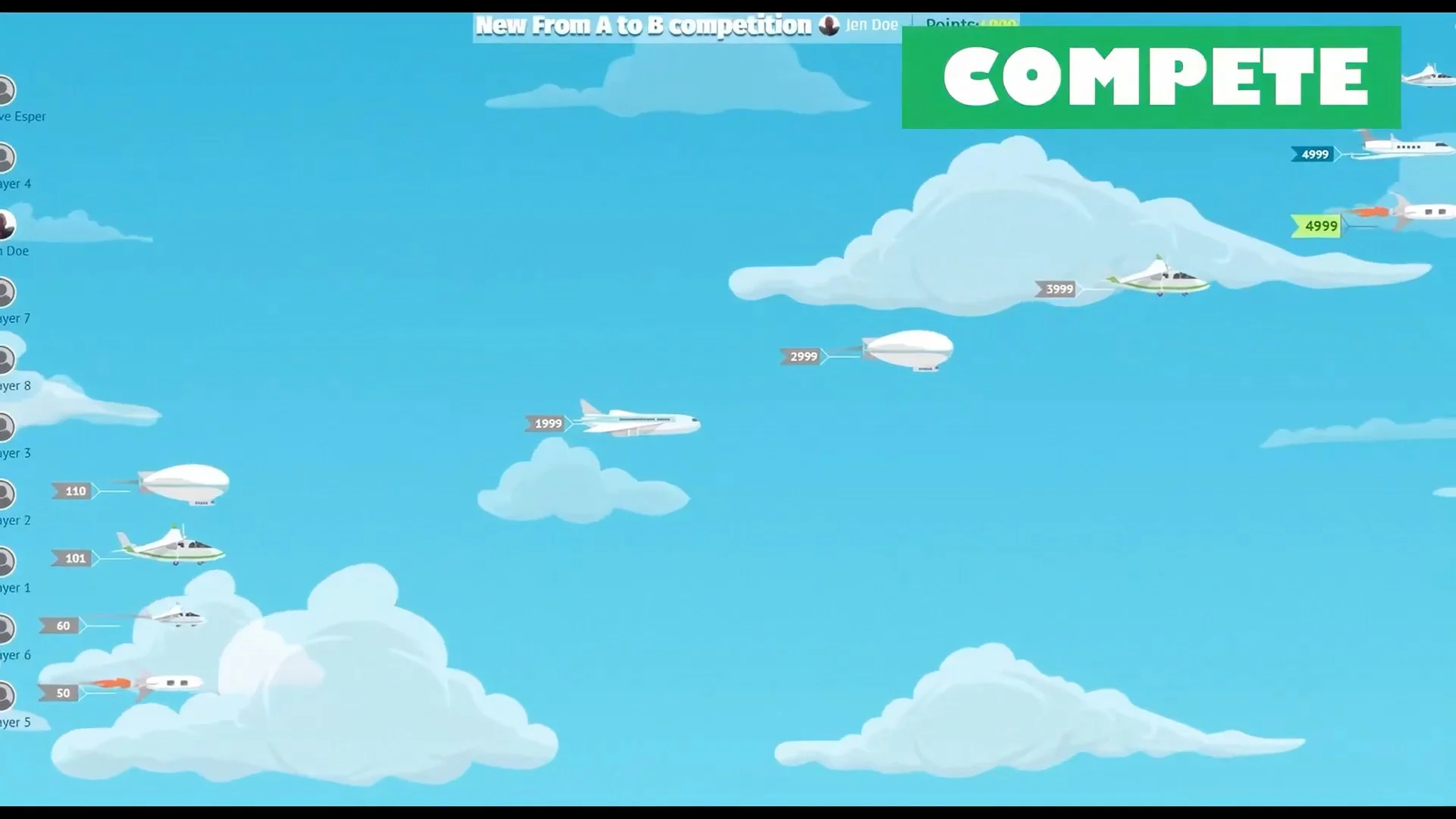
| Employee Competitions | Divisions, crews, shifts across sites | Healthy excitement, experience exchange, reduced turnover, and increased initiative |
Each format can be used separately or combined. For example, staff training often becomes the first stage, followed by competitions and gamification of metrics.
We'll help you choose the right format for your current task — from a pilot launch to full deployment across all divisions. Contact us to discuss the specifics of your agricultural complex.
How Portal Development Works for Your Enterprise
The questions clients ask most often concern timelines, the approval process, and how the portal launch will proceed. We've removed the uncertainty: every project follows clear stages, and you can see at any moment what stage the development is at.
In the end, you get a turnkey portal — with configured processes, trained employees, and post-launch support.
-
Brief and task immersion. We gather requirements: which business processes of the agricultural complex need to be digitized, who will use the portal, and what result you want to achieve. This is the project's foundation.
-
Work plan and timelines. We formalize the scope of work, deadlines, and areas of responsibility. You know the schedule and budget in advance, so there are no surprises halfway through.
-
Project approval. We present the portal structure and work scenarios for your approval. Revisions are made before implementation starts, not when most of the work is already done.
-
Implementation. We build the portal according to the approved plan: configuring employee roles, processes, and reporting. You receive intermediate results and see progress toward the goal.
-
Testing and portal launch. We verify reliability, train employees, and transition the enterprise to the new work tool. The launch happens without disrupting core processes.
-
Support and development. After launch, we stay in touch: we update, refine, and expand functionality as your tasks grow. The portal lives and evolves together with your agricultural complex.
What's Included in the Gamified Solution Delivery
You receive a complete turnkey solution adapted to the tasks of an agricultural complex. The delivery includes everything needed for launch: the portal, game mechanics, content, instructions, and administrator training. Here's the project composition:
- Employee portal — a personal account with tasks, achievements, and rewards. Minimum clutter — only what helps work more effectively.
- Game mechanics — ratings, levels, virtual badges for meeting plans. Employees understand what they earn points for and naturally engage in the competition.
- Content and design — level names, task scenarios, welcome screens tailored to agricultural specifics: seasonal work, field crews, shifts.
- Employee instructions — simple guides on using the portal and accumulating points. No additional meetings or explanations needed.
- Administrator training — sessions for your specialists: how to add tasks, change rules, and monitor team activity.
- Technical documentation — you remain the owner of the solution. You'll be able to handle basic configuration yourself, and order complex enhancements separately as your business grows.
This approach eliminates the main risk — getting an "empty" program that no one maintains. Within a week after launch, agricultural complex administrators independently manage the gamification, and employees see results in their personal accounts.
Case Study: How an Agroholding Increased Employee Engagement
In agricultural complexes, employees work across different sites — fields, farms, processing. Gathering them for in-person training is difficult, and holding their attention on standard courses is nearly impossible.
An agroholding approached us with the task of boosting staff engagement and making training a regular habit.
We developed a gamified web portal where each employee sees their progress, earns points for completed modules, and competes with colleagues. The mechanics are simple: the more knowledge — the higher the rating, and achievements earn pleasant bonuses. Meanwhile, managers see team statistics and understand which topics are lagging.
Project Results
Two months after the portal launch, completion of mandatory courses doubled, and after six months, it grew 2.5 times compared to the previous system.
The employee engagement index rose by 34%: people returned to the portal on their own, completed additional modules, and helped newcomers. The number of repeat visits tripled — training stopped being an obligation and became part of the workday.
What This Means for the Client
For agricultural complexes, this isn't just "pretty points" but measurable value: faster onboarding of seasonal workers, fewer production errors, higher loyalty.
Managers received a transparent picture of competencies, and HR gained a retention tool without additional spending on vacancy advertising.
The project paid for itself within one season: staff turnover decreased, and teams that actively completed training violated technological regulations 15% less often.
After launch, the client ordered a second module — for machine operators — and then extended portal support for the following year.
What If You Need Non-Standard Portal Functionality?
Yes, non-standard requirements are exactly the case where a typical solution doesn't work. Every agricultural complex has its own processes: some motivate by area harvested, some by raw material quality, and some tie bonuses to seasonal peaks. And an off-the-shelf platform won't fit without serious customization.
We design gamification around your business process, not adapt your process to a game.
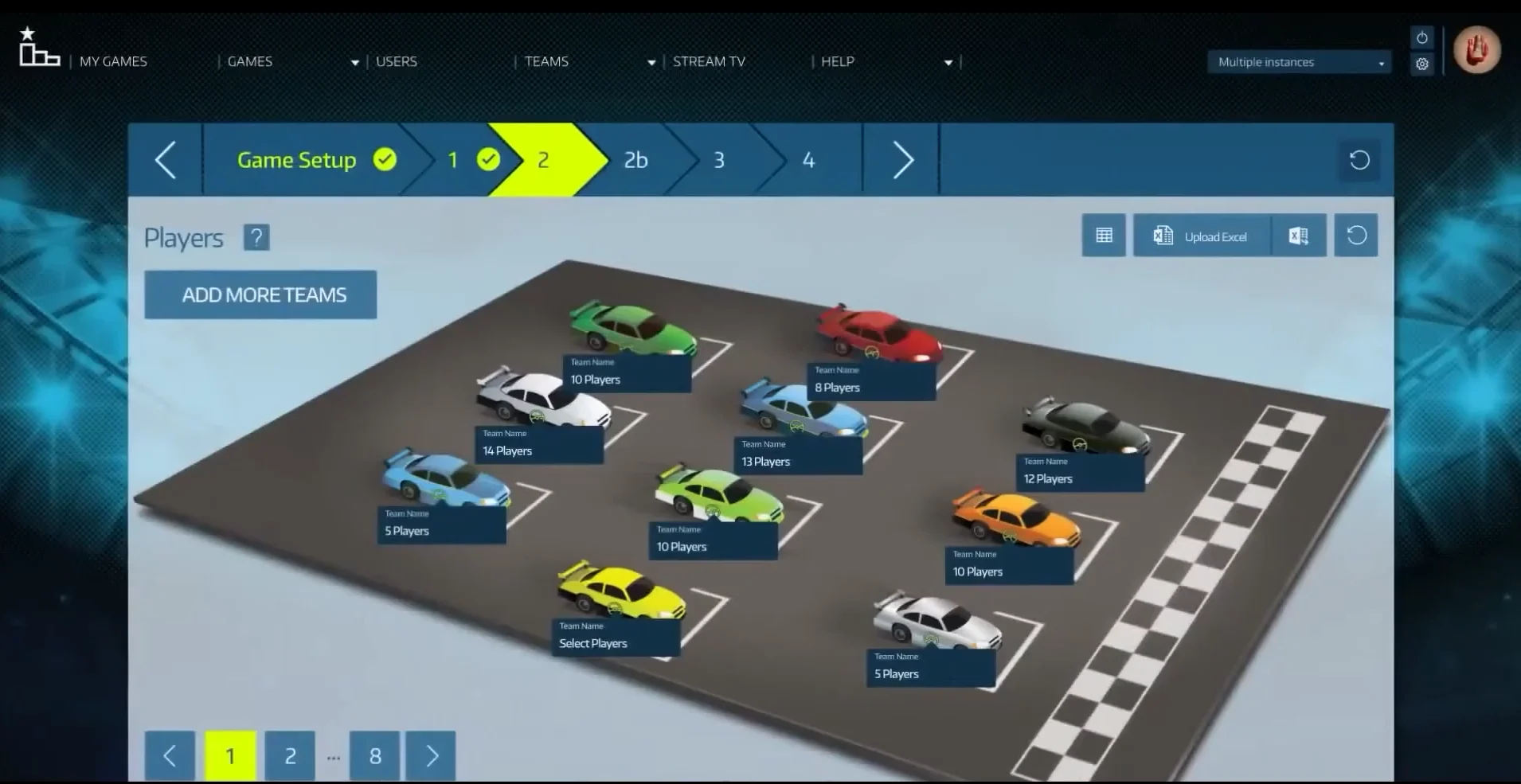
This means the portal can include unique mechanics: for example, team races between departments, tying levels to real production metrics, or automatic rewards for completing specific regulations.
Custom development allows us to accommodate any non-standard requirements — from access for different roles to integration with your accounting system.
Our experience in the agricultural sector confirms this flexibility. One client — a large holding — came with a task no one else would take on: they needed points awarded not for formal assignments, but for the actual quality of completed work as assessed by field supervisors.
We designed mechanics that fully replicate the logic of their internal evaluation, and the portal worked exactly as the client required.
"We came with a non-standard technical specification and worried we'd have to change our processes to fit a typical solution. In the end, we got a portal that fully mirrors our motivation logic," says the HR director at the agroholding. "Employees accepted the game from day one because it was clear and fair."
So any non-standard requirements are not a problem, but an opportunity to create a tool that amplifies your specific strengths. We don't confine you to a template: first we listen, clarify how your work is organized, and only then propose a solution.
If you already have a description of non-standard functionality — send it over, and we'll discuss how to implement it within your budget and timeline. If it's just an idea for now — that's fine too, we'll help you formulate it and suggest implementation options.
Answers to Frequently Asked Questions About Portal Implementation
Implementing a new portal always raises questions: how fast will it work, who will update content, and will it integrate with existing programs. We've gathered answers to these pre-purchase concerns, and below we show what's included in support at each stage.
How quickly will we see the first results of gamification?
We launch a standard portal in 4–6 weeks from the brief: the first two weeks go to the prototype, then approval and launch. Within a month, employees have clear mechanics with tasks and rewards, and you can see engagement in the analytics dashboard.
What happens to content when rules or programs change?
The portal is designed so that most materials — tasks, rewards, level descriptions — you can change yourself through a simple admin panel. No programmer needed: update the text, upload an image, set a new date — and the system immediately shows the changes.
Will the portal work with our accounting systems?
Yes. We connect the portal to your agricultural complex's existing programs: HR systems, CRM, or specialized modules. This means points accrual and task assignment happen automatically, without manual data duplication, and you won't have to change the tools you're used to.
So you know exactly what you're working with, we always include support. The table below shows the two standard support levels that agricultural complexes most often order.| Condition | Basic | Extended |
|---|---|---|
| Content updates | By your team after training | Fully handled by us |
| Response time to requests | 1 business day | 4–6 hours |
| Integration with your systems | One-time at launch | Throughout the entire term |
| Portal performance monitoring | Monthly report | Weekly report and proactive monitoring |
We'll formalize the terms in the contract, so you know exactly what to expect. And to make sure the portal solves the tasks of your specific agricultural complex, we'll start with a short audit — free of charge and without obligation.
Launch Gamification of Business Processes at Your Enterprise
Gamification of business processes in an agricultural complex is not a game for the sake of a game, but a working tool that increases employee engagement, accelerates training, and helps meet seasonal work plans.
But before investing in development, you want to understand how this will work specifically for you. We offer a transparent path: consultation — cost calculation after audit — portal prototype — commercial proposal.
After reaching out, you receive a clear action plan without unnecessary investments:
- Consultation on gamification tailored to agricultural complex tasks: motivating machine operators, training agronomists, monitoring compliance with standards.
- Cost calculation for the portal based on the number of employees and the number of processes that need to be automated.
- Portal prototype — an interactive model of the mechanics so you can see how employees will complete tasks and earn points.
- Commercial proposal with stages, timelines, and budget — no hidden conditions.
- Implementation plan and instructions for your administration team.
- Assessment of the expected effect: forecast for engagement growth and staff turnover reduction.
Leave a request for a free consultation — and within two business days you'll receive the cost calculation and a portal prototype. That way, you'll make a decision based on facts, not abstract promises.