


Customers leave auto repair shops — how to fix it?
Car owners choose a repair shop based on reviews and proximity, but they only come back where they feel comfortable and see value.
After the first visit, without an extra incentive, the customer easily forgets about you and goes to a competitor — especially if the price, timeline, or overall impression didn't stick in their memory.
As a result, the auto repair shop spends money every month attracting new customers instead of earning from those who already trusted you with their car.
The problem is not the quality of work — it can be excellent. The problem is the lack of systematic loyalty building: the customer doesn't understand why they should come back next time. A first-visit discount doesn't work because it doesn't form a habit.
What's needed is a tool that turns a one-off visit into long-term cooperation, and a customer into a regular who recommends you to their friends.
This is where business gamification comes in. The customer gets not just a service but participation in a program with points accumulation, levels, and rewards.
Every visit, review, booking for recommended maintenance, or purchase of an additional service brings them closer to tangible benefits: free diagnostics, a car wash, or priority booking.
The mechanics are simple and clear — and most importantly, they give a reason to come back again and again.
For the auto repair shop, this means a predictable stream of repeat visits, a higher average check, and lower spending on new customer acquisition.
Instead of a one-off transaction, you build long-term relationships with every car owner, and the customer gets clear value from working with you. That's how business gamification solves retention without discounts that eat into profits.
We have already implemented such portals for auto repair shops and know how to turn churn into a steady flow of bookings.
Our development takes into account the specifics of the service business: from maintenance booking to service reminders — everything works toward customer retention and increasing their lifetime value. We'll show you how this could look at your business in a free consultation.
What gamification brings to your auto repair shop: 5 key benefits
Gamification turns an ordinary visit to an auto repair shop into a clear system with rewards. The customer sees points accumulating with every visit and new statuses unlocking — and comes back specifically to you. This is not abstract "engagement" but measurable business metrics.
The first benefit is loyalty growth. When a car owner understands that the next visit brings them closer to a discount or a free service, they are more willing to plan their maintenance with you. A loyalty program with levels and bonuses turns one-time visitors into regulars.
The second is a higher average check. Game mechanics gently nudge toward additional services: for comprehensive maintenance the customer gets double points, for reaching a level — priority booking. They choose more expensive options themselves, and you get revenue growth.
The third is an inflow of new customers. Referral mechanics and public achievements work as word of mouth: car owners share their rewards and invite friends. New customers arrive already understanding the value of your service.
The fourth is engagement between visits. Reminders about scheduled maintenance, personal tasks, and seasonal promotions keep the car owner's attention even when the car is not on the lift. The service stops being just a place for emergencies.
The fifth is brand recognition. Gamification sets an auto repair shop apart from dozens of similar offers: what customers remember is not only quality repairs but also the pleasant experience of interaction. These associations work in your favor with every next choice.
Together, these five areas deliver measurable results: higher loyalty, more frequent repeat visits, more new customers, and a steadily growing average check. We design gamification to fit the specific goals of your auto repair shop.
Gamification formats for auto repair shops: what to choose?
Choosing a gamification format for an auto repair shop depends on the business task you're solving: retaining regular customers, attracting new ones, or raising the average check.
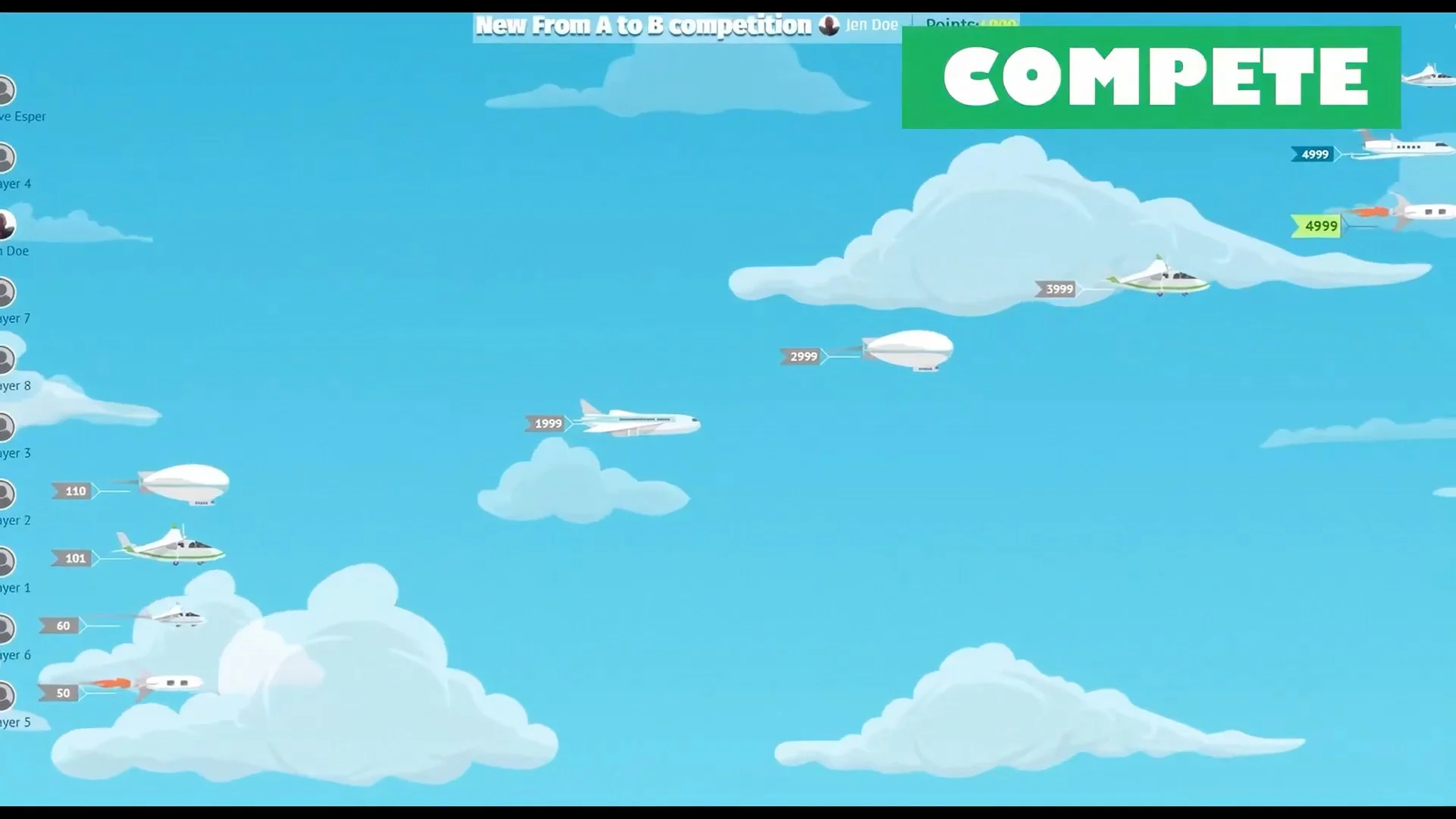
A bonus program increases visit frequency, a quest creates a news hook, and ratings energize an active audience. Below is a comparison table so you can quickly match formats to your goals.
| Format | Best for | What it gives the customer |
|---|---|---|
| Bonus program | Shops with an existing customer base | More repeat visits and retention: the customer comes back to accumulate points and get real value |
| Customer quest | Shops that want to make a name for themselves | Engagement and emotions: the customer goes through a series of steps, takes part in the brand story, and shares impressions on social media |
| Ratings and competitions | Shops with an active audience | Higher activity: customers compete for the top spot, and the number of reviews and recommendations grows |
| Game mechanics | Shops that need fast growth | Excitement and vivid emotions: random prizes and interactivity attract even those who have never used an auto repair shop before |
This is not an exhaustive list: the formats combine well. For example, bonus points can be awarded for completing a quest, and rating results can be shown on the website. This approach amplifies the effect of each mechanic and makes the program unique to your brand.
We'll match a format to your metrics — utilization, average check, or share of repeat orders — and prepare a ready-made package that is easy to launch.
How development works: a step-by-step process for your project
Developing gamification for an auto repair shop is not chaotic implementation but a structured process with clear control points. We've broken it into stages so you can see what happens to the project at every step: from the initial brief to launch and support. Here's exactly how the work goes.
-
Brief and business immersion. We discuss your auto repair shop's goals: customer acquisition, loyalty growth, employee motivation. We pin down the target audience and the scenarios that will bring measurable value.
-
Mechanics design. We develop the gamification concept: what points, levels, rewards, and challenges will engage participants. We agree on how this will strengthen real business processes — from service booking to repeat visits.
-
Implementation plan. We set the timeline, scope of work, and areas of responsibility. You get a transparent plan without technical jargon: stage by stage, with clear results and approval points.
-
Development and design. We create an interface that is easy for both customers and employees to use. Interim demos let you make changes before the official launch.
-
Testing and sign-off. We check the scenarios for correctness and load, including in real conditions. You get a finished version for a controlled launch.
-
Launch and support. We host the portal, train your team, and stay in touch after launch. We track results, refine the mechanics, and suggest improvements based on data.
What's included in the delivery: a complete package for launch
We hand over not just a "working version" but a ready-made package for instantly launching gamification. You won't need an additional developer or lengthy setup — everything is already assembled, tested, and packaged.
The delivery includes:
- Design mockups of all portal screens. A consistent style, clear navigation, and branding in your visual language — so employees quickly embrace the game and feel at home.
- Configured game mechanics. Tasks, levels, points, ratings, and rewards are already tied to your business processes: completing a work order, a checklist, professional development. Nothing needs to be invented from scratch.
- An admin panel for management. You change tasks, point rules, prizes, and participant lists in a couple of clicks — without contacting a developer.
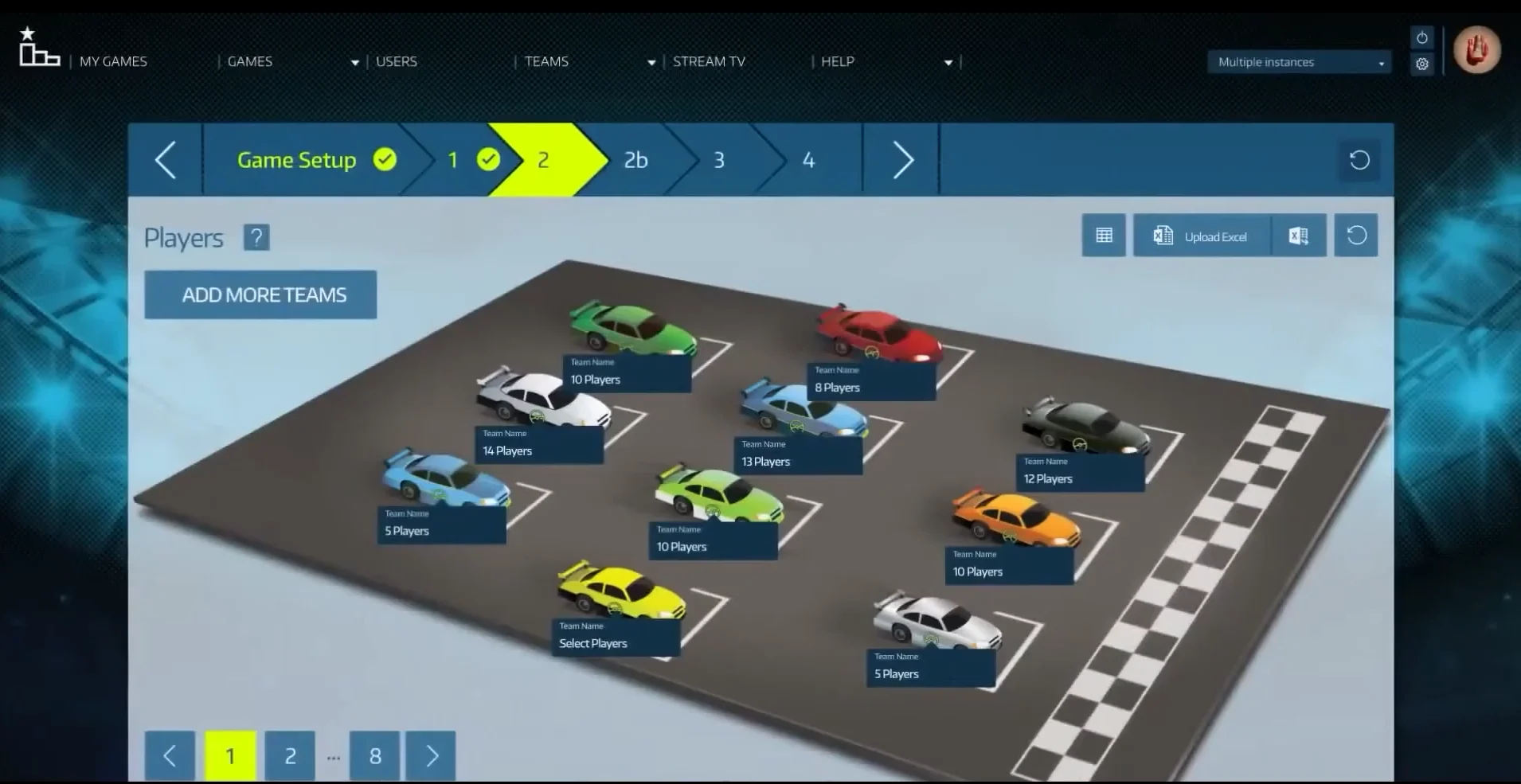
- A guide for launch and administration. Step-by-step instructions on how to deploy the portal, create teams, assign roles, and run your first campaign.
- Ready-made analytics reports. You can see who is active, which mechanics worked, and where participants got stuck. Based on this data, you quickly adjust the game and increase engagement.
- Training for your team. We run a short session so administrators work confidently with the portal from day one.
This eliminates the typical problem of "we implemented it, but nobody uses it." You get a closed loop: launch, control, analysis of results, and scaling to new departments or locations — as needed.
Case study: how one auto repair shop increased repeat visits by 40%
Auto repair shop "Pride Motors" came to us with the familiar pain point: customers came in for a one-off oil change or diagnostics and then disappeared for a long time. Advertising for new customers was expensive, and the base of regulars barely grew.
The task was simple — make a driver come back after the first visit and order more services the next time.
We built a gamified portal where every visit turns into a game with a visible result. The customer earns points for service, bonuses for timely maintenance, and statuses that unlock discounts.
The owner sees progress in their personal account and receives a personalized recommendation for the next visit — so the auto repair shop never loses contact with the customer between visits.
Results after six months of work:
- repeat visits grew by 40% — regular customers became the foundation of revenue;
- the average check increased by 17%: thanks to accumulated points, customers were more willing to add related services;
- the share of referrals grew — customers brought friends to earn more points.
At the same time, we didn't change the processes inside the shop itself: all gamification runs on the portal side, and employees simply confirm completed work. The implementation took six weeks, and the very first month already showed steady growth in repeat requests.
This approach is now being rolled out to other auto repair shops in the network. If you'd like to see how gamification increases the key metrics of your business — tell us about your task, and we'll show a plan tailored to your customer profile.
How to choose the right gamification format for your task?
Choosing a gamification format starts not with trendy mechanics but with the answer to the question: what business task should it solve? For an auto repair shop, this could be increasing repeat visits, raising the average check, motivating technicians, or training staff.
Each goal has its own game model, and at the start it's important to determine who exactly the participant is — the customer, the employee, or both.
If the main goal is customer retention and more repeat bookings, loyalty programs with statuses and cumulative points work. The customer sees how their regular visits turn into free diagnostics or a discount on the next maintenance — and returns to you instead of a competitor.
This format is clear to the audience and quickly delivers measurable results: a noticeable rise in repeat orders within the first months.
When the task is the quality of technicians' work, gamification rebuilds internal processes. An internal portal with ratings, quests, and rewards for exceeding the plan boosts employee engagement.
This directly affects service speed and service quality, which in turn shows up in customer experience and revenue.
Budget and scale determine the depth of implementation: from a simple points system to a multi-level platform with personal accounts and game scenarios.
You don't have to start with large-scale solutions — effective gamification must be clear to your audience and fit naturally into the shop's usual rhythm. The key is that the mechanics motivate the desired action, not just look bright.
We match the format to your business goals, analyze your audience and current processes, and then offer a solution that delivers measurable results.
Together we set priorities, discuss budget and timelines — and you get gamification that works toward specific metrics of your auto repair shop, not just a pretty add-on.
Frequently asked questions and concerns before ordering
Before ordering gamification, auto repair shop owners have the same questions: how difficult is it to implement, will it break existing workflows, and what does it really cost? This is normal — any new direction raises doubts. Over 10+ years, we've run dozens of similar projects and gathered answers to the most common fears.
Below are the typical objections and how we address them in practice.
Will portal implementation take months and stop the shop from working?
No. We launch the gamified portal in parallel with the main processes, without stopping bookings or repairs. Setup takes 2–3 weeks, and employees complete training in a single working day: the interface is intuitive and everything is in Russian.
Are customer data and repair history safe?
Yes. The customer database is stored on a secure server architecture, and only you get access to it. We don't share data with third parties and don't use it for advertising purposes. The contract sets out confidentiality and responsibility for keeping information safe.
How expensive is this? Will we end up in the red?
The cost is calculated to fit your shop's tasks — you pay for the finished result, not for internal work. Typically, the portal pays for itself in 2–4 months through growth in repeat visits and upselling of additional services. At the brief stage, we calculate the economics and show the payback before development starts.
Aren't game mechanics just toys? Will employees take them seriously?
We don't make a "toy for the sake of a game." All mechanics are tied to business metrics: for meeting the plan, quality of intake, and customer loyalty, an employee earns points that affect real income. This works as a motivation system, not entertainment.
The key point: you don't get a "project with unclear effectiveness." You get a portal with transparent metrics — the number of bookings, repeat visits, and completed goals. Before launch, we lock in growth points and success criteria, so that in a month you see concrete numbers instead of expectations.Ready to start? Leave your request and get an estimate
Leave a request — and we'll prepare a cost estimate for your auto repair shop. Gamification helps retain customers, increase booking frequency, and raise the average check, but every business is different. That's why we start by discussing your goals, not with a boilerplate offer.
After your request, you'll receive:
- A cost estimate for your scale and goals — no hidden payments or fine print.
- A consultation with a gamification expert: we'll advise which mechanics will deliver results specifically in an auto repair shop — not "just points."
- A personal proposal with examples for service stations, dealerships, and auto repair shop chains.
- An assessment of the portal's potential — how it will affect repeat bookings, loyalty, and the average check.
- A clear launch plan with stages and timelines, so you understand what's happening at every step.
- Guarantees and support after launch: we accompany the rollout, help with setup, and adjust the mechanics based on customer response.
We work remotely and take projects across the whole country. Over 10+ years, we've delivered dozens of business solutions, so your project gets a proven approach, not an experiment.
Leave a request — we'll call you back within one business day. We'll discuss your task, calculate the cost, and offer a solution that will quickly start working toward your results.